Introduction
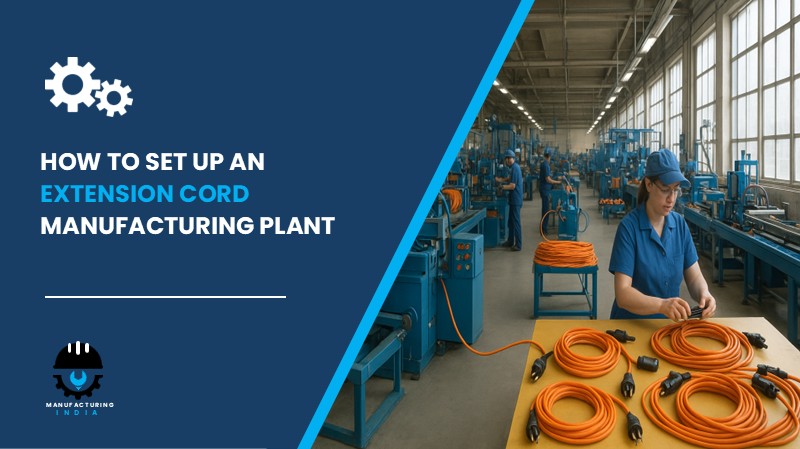
Extension cords are essential electrical accessories used in homes, offices, workshops, and industrial environments. With the increasing use of appliances, gadgets, and power tools, the demand for durable, high-quality extension cords continues to grow. This makes an extension cord manufacturing plant setup a promising business opportunity for new entrepreneurs and established electrical manufacturers.
Industry Overview
The extension cord market is growing steadily due to rising electricity consumption, rapid urbanization, and the increasing use of household and industrial appliances. Demand is driven by home improvement trends, commercial workspace expansion, and the need for reliable power connectivity. Manufacturers also benefit from opportunities in smart power strips, heavy-duty industrial cords, and energy-efficient designs, making the sector attractive for new investments and product diversification.
Step-by-Step Process
If you’re planning to enter this market, here is a complete step-by-step guide to help you understand the workflow, machinery, raw materials, and overall extension cord manufacturing plant setup cost.
Step 1: Conduct a Feasibility Study
Before starting the project, it’s important to evaluate:
- Market demand for 2-pin, 3-pin, multi-socket, and heavy-duty extension cords
- Target customer segments (households, hardware stores, industries)
- Competition from local and imported brands
- Regulatory requirements for electrical safety
- Raw material availability and sourcing options
- Expected plant capacity and scalability
A feasibility study helps estimate investment, operational challenges, and profitability.
Step 2: Select the Right Location & Plan the Factory Layout
Choosing the right location is a key part of extension cord manufacturing plant setup. A suitable industrial site should offer:
- Reliable electricity supply
- Access to transport networks
- Proximity to material suppliers
- Adequate space for machinery, storage, and testing
- Compliance with industrial zoning regulations
Suggested layout areas:
- Copper wire processing section
- PVC extrusion and insulation zone
- Plug and socket molding area
- Wire cutting, stripping, and soldering stations
- Assembly line
- Quality control and electrical testing lab
- Packaging section
- Raw material and finished goods storage
A clear and efficient layout reduces movement, lowers risks, and increases productivity.
Step 3: Machinery and Equipment Required
The machinery you choose will directly influence the extension cord manufacturing plant setup cost. Semi-automatic plants require lower capital investment, while fully automated systems increase output and consistency.
Essential equipment includes:
- Copper wire drawing & stranding machines
- PVC extrusion machines
- Injection molding machines for plugs and sockets
- Cutting, stripping, and crimping machines
- Terminal soldering tools
- High-voltage and continuity testing equipment
- Assembly benches and conveyors
- Packaging machines
Choose energy-efficient equipment to reduce long-term operational expenses.
Step 4: Source High-Quality Raw Materials
Quality raw materials ensure safety, durability, and customer satisfaction.
Key raw materials:
- Copper conductor wire
- PVC granules for insulation and outer sheathing
- Plug pins and socket components
- Brass or copper terminals
- Screws, clips, and small parts
- Packaging materials
Reliable suppliers help maintain consistent production and reduce rejection rates.
Step 5: Understand the Manufacturing Process
A typical extension cord manufacturing process includes:
1. Wire Drawing & Stranding
Copper wire is processed into strands to improve flexibility.
2. Insulation & Sheathing (PVC Extrusion)
PVC coating is applied to protect the copper conductor.
3. Wire Cutting & Stripping
Insulated wires are cut to desired lengths and stripped at the ends.
4. Plug & Socket Manufacturing
Plastic parts are made via injection molding using heat-resistant materials.
5. Assembly & Termination
Conductors are connected to plug pins and sockets using soldering or crimping.
6. Electrical Safety Testing
Each extension cord undergoes:
- High-voltage testing
- Leakage checks
- Load testing
- Continuity and resistance tests
7. Packaging & Labeling
Finished cords are packaged, labeled, and prepared for distribution.
This streamlined process ensures safe and compliant product output.
Step 6: Implement Quality Control Systems
Safety is non-negotiable in electrical manufacturing. Quality control includes:
- Verifying conductor resistance
- Checking insulation thickness
- Testing plug-pin alignment
- Ensuring load-bearing capability
- Confirming packaging integrity
QC systems help you meet electrical product standards and build trust among customers.
Step 7: Regulatory Compliance
Before commercial production, ensure compliance with:
- Electrical safety standards
- Quality certifications
- Local manufacturing permits
- Environmental and waste disposal norms
- Worker safety and machinery protection guidelines
Proper documentation helps avoid delays and strengthens market positioning.
Step 8: Hire and Train Manpower
You’ll need a mix of skilled and semi-skilled workers, including:
- Machine operators
- Electrical technicians
- Assembly staff
- Quality inspectors
- Packaging and logistics teams
- Maintenance personnel
Training ensures consistent quality and safe operations.
Step 9: Extension Cord Manufacturing Plant Setup Cost
The extension cord manufacturing plant setup cost depends on several elements:
- Land and building development
- Machinery and molds
- Raw material inventory
- Labor and staff training
- Utilities (power, HVAC, water, compressed air)
- Safety and testing equipment
- Packaging and distribution systems
- Working capital for operational needs
While costs vary based on technology and production capacity, understanding these components helps you plan your investment effectively.
Step 10: Begin Production and Build Your Market Network
After trial production and quality testing, start full-scale manufacturing. Grow your brand through:
- Distributor networks
- Electrical wholesalers
- Retail hardware shops
- E-commerce channels
- Industrial and commercial supply chains
- Contract manufacturing opportunities
Consistent quality, reliable delivery, and competitive pricing will strengthen your market presence.
Setting up an extension cord manufacturing plant is a profitable venture backed by rising electrical consumption and increased reliance on portable power solutions. By following this Step-by-Step Guide, understanding cost components, selecting the right machinery, and implementing strict quality control, you can establish a scalable and successful manufacturing operation.
About the Author