Biomass pellets have emerged as a sustainable and eco-friendly alternative to fossil fuels, gaining significant traction in the renewable energy sector. As global emphasis on clean energy intensifies and environmental regulations become stricter, biomass pellets manufacturing plant presents a profitable business opportunity. These compressed organic materials serve multiple purposes including heating, power generation, and industrial fuel applications, making them increasingly valuable in the transition toward sustainable energy solutions.
What is Biomass Pellet Manufacturing?
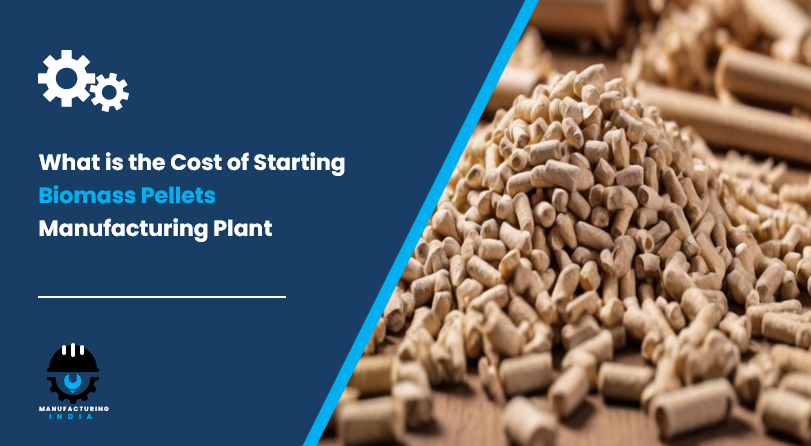
Biomass pellet manufacturing involves converting various organic materials such as agricultural residues, forestry waste, wood chips, sawdust, crop stubble, and energy crops into compact cylindrical pellets through compression processes. The manufacturing process includes collecting raw biomass materials, drying them to optimal moisture content, grinding into fine particles, pelletizing under high pressure and temperature, cooling, screening for quality, and packaging for distribution. These pellets offer high energy density, consistent quality, easy storage, and efficient combustion characteristics.
Market Potential and Demand
The global shift toward renewable energy sources has created substantial demand for biomass pellets across residential, commercial, and industrial sectors. Countries worldwide are implementing policies promoting clean energy adoption and reducing carbon emissions. Industries seek cost-effective alternatives to coal and fossil fuels while maintaining operational efficiency. The agricultural sector benefits from converting waste materials into valuable products, and export opportunities continue expanding as developed nations increase biomass fuel consumption for heating and power generation.
Step-by-Step Process to Start a Biomass Pellets Manufacturing Plant
Step 1: Conduct Market Research and Feasibility Study
Begin with comprehensive market analysis identifying potential customers including power plants, heating facilities, industrial boilers, residential consumers, and export markets. Study regional biomass availability, seasonal variations, and supply chain dynamics. Analyze competitor operations, pricing strategies, and market positioning. Assess demand patterns across different sectors and geographical regions. Evaluate transportation costs and logistics feasibility. Conduct detailed feasibility studies examining technical viability, financial requirements, operational challenges, and profitability projections. Research government policies, subsidies, and incentive programs supporting biomass energy projects.
Step 2: Develop a Comprehensive Business Plan
Create a detailed business plan outlining your vision, mission, and strategic objectives. Define your target market segments and customer base clearly. Specify production capacity, product specifications, and quality standards. Detail operational strategies including raw material procurement, manufacturing processes, and distribution channels. Include financial projections covering capital requirements, operational expenses, revenue forecasts, and break-even analysis. Outline organizational structure, management team, and human resource needs. Develop risk assessment and mitigation strategies. Include marketing plans, sales strategies, and growth projections for future expansion.
Step 3: Understand Legal Requirements and Obtain Licenses
Register your business entity selecting appropriate legal structure such as proprietorship, partnership, or private limited company. Obtain manufacturing licenses from relevant industrial authorities. Secure environmental clearances and pollution control certificates as biomass processing involves emissions. Apply for consent to establish and consent to operate from pollution control boards. Obtain fire safety certificates and factory licenses under applicable regulations. Register for GST and other tax compliances. Secure land use permissions ensuring the location permits industrial activities. Obtain necessary clearances from forestry departments if using wood-based materials.
Step 4: Arrange Financing and Capital Investment
Calculate total capital requirements covering land acquisition, civil construction, machinery procurement, installation costs, working capital, and contingency funds. Explore various financing options including bank loans, term loans from financial institutions, government subsidies for renewable energy projects, venture capital, private equity, or personal investment. Investigate priority sector lending benefits for renewable energy projects. Research government schemes and subsidies specifically designed for biomass and renewable energy ventures. Prepare detailed project reports, financial statements, and loan proposals. Consider phased investment approaches starting with smaller capacity and scaling gradually.
Step 5: Select Optimal Location for the Plant
Choose a location with abundant biomass raw material availability within economical transportation distance. Ensure good connectivity to highways, railways, and ports for raw material procurement and product distribution. Verify reliable electricity supply essential for continuous operations, considering backup power options. Assess water availability required for cooling and processing operations. Consider proximity to target markets reducing transportation costs for finished products. Evaluate land costs, labor availability, and local industrial infrastructure. Check zoning regulations and environmental restrictions. Factor in future expansion possibilities and community acceptance of industrial operations.
Step 6: Design Plant Layout and Infrastructure
Design efficient plant layout optimizing material flow from raw material storage through production to finished goods warehousing. Allocate separate areas for raw material storage, drying section, grinding unit, pelletizing section, cooling area, screening and grading, packaging unit, and finished goods storage. Include administrative offices, quality control laboratory, maintenance workshop, and employee facilities. Ensure proper ventilation systems managing dust and emissions. Install fire safety systems including sprinklers, fire extinguishers, and emergency exits. Design adequate drainage systems and environmental management infrastructure. Plan for efficient material handling with minimal manual intervention.
Step 7: Procure Machinery and Equipment
Acquire essential machinery including wood chippers or hammer mills for size reduction, rotary drum dryers or flash dryers for moisture reduction, grinding mills producing fine particles, pellet mills or pelletizers compressing materials, cooling systems stabilizing pellets, screening equipment for size classification, and packaging machines. Source material handling equipment including conveyors, elevators, and loaders. Invest in quality testing equipment measuring moisture content, calorific value, durability, and ash content. Purchase dust collection systems ensuring environmental compliance. Ensure machinery installation by experienced technicians and comprehensive operator training.
Step 8: Establish Raw Material Supply Chain
Identify and establish relationships with reliable biomass suppliers including sawmills, agricultural processors, forestry operations, and farming cooperatives. Negotiate long-term supply agreements ensuring consistent raw material availability. Diversify supplier base across multiple sources and biomass types reducing dependency risks. Implement quality inspection protocols ensuring raw materials meet specifications for moisture content, contamination levels, and composition. Develop storage facilities protecting raw materials from weather and degradation. Consider seasonal variations in availability and plan inventory accordingly. Explore opportunities for direct collection from agricultural regions or establishing collection centers.
Step 9: Implement Quality Control Systems
Establish stringent quality control procedures testing raw materials, intermediate products, and finished pellets. Monitor critical parameters including moisture content, bulk density, durability, ash content, calorific value, and pellet dimensions. Implement laboratory testing facilities with appropriate equipment and trained personnel. Develop standard operating procedures for all quality checks. Maintain detailed quality records and traceability systems. Pursue relevant quality certifications and standards compliance enhancing market credibility. Implement continuous improvement processes based on quality data analysis. Establish protocols for handling off-specification materials and customer complaints.
Step 10: Hire and Train Skilled Workforce
Recruit qualified personnel including plant manager, production supervisors, machine operators, quality control technicians, maintenance engineers, and support staff. Hire procurement specialists managing raw material sourcing and inventory. Engage sales and marketing professionals developing customer relationships. Provide comprehensive training on equipment operation, safety procedures, quality standards, and environmental compliance. Develop ongoing skill development programs keeping pace with technology advancements. Establish clear standard operating procedures for all operations. Create safety-focused work culture emphasizing accident prevention and environmental responsibility.
Step 11: Obtain Quality Certifications and Standards Compliance
Pursue relevant quality certifications demonstrating product reliability and consistency. Obtain ISO certifications for quality management systems enhancing customer confidence. Secure environmental management certifications showcasing commitment to sustainability. Achieve industry-specific standards for biomass pellets including international standards for pellet quality. Obtain necessary emissions and environmental compliance certificates. Pursue energy efficiency certifications if applicable. Maintain ongoing compliance through regular audits and documentation. Display certification marks on products and promotional materials building brand credibility.
Step 12: Develop Distribution Network and Marketing Strategy
Establish distribution channels reaching target customers including direct sales to industrial consumers, partnerships with energy companies, relationships with biomass fuel distributors, and export arrangements. Create comprehensive marketing strategies highlighting product benefits including clean burning characteristics, cost-effectiveness, and environmental advantages. Participate in renewable energy exhibitions and industry conferences. Develop online presence through website and digital marketing. Implement customer education programs explaining biomass pellet benefits and usage. Offer technical support and consultation services. Build long-term customer relationships through consistent quality and reliable supply.
Step 13: Ensure Environmental Compliance and Sustainability
Implement environmental management systems minimizing ecological impact. Install effective dust collection and emission control systems. Manage wastewater and solid waste responsibly. Monitor air quality and emissions regularly maintaining compliance with environmental regulations. Implement energy-efficient operations reducing carbon footprint. Pursue sustainable sourcing practices ensuring biomass materials don’t contribute to deforestation. Consider renewable energy integration for plant operations. Obtain and maintain environmental clearances through regular reporting and audits. Demonstrate environmental responsibility as competitive advantage and brand differentiator.
Step 14: Launch Operations and Scale Production
Begin with trial production testing all equipment and processes. Gradually scale up operations monitoring quality, efficiency, and cost controls. Establish preventive maintenance schedules ensuring equipment reliability. Monitor production metrics including throughput, quality parameters, and operational costs. Optimize processes based on operational data and customer feedback. Build inventory gradually matching production with market demand. Develop contingency plans for supply disruptions or equipment failures. Plan capacity expansion based on market growth and business performance. Continuously innovate improving product quality, introducing new biomass types, and enhancing operational efficiency.
About the Author