Introduction
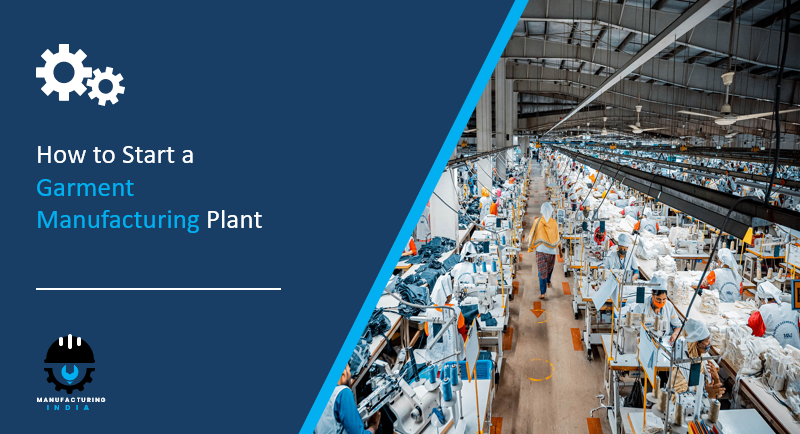
A garment manufacturing plant is an industrial facility that designs, produces, and processes clothing and textile products for domestic and international markets. These plants transform raw fabrics into finished garments through cutting, stitching, finishing, and quality control processes. Unlike traditional tailoring operations, garment manufacturing plant operate on an industrial scale with specialized machinery, assembly line production, and standardized processes to meet bulk order requirements efficiently.
The garment manufacturing industry plays a crucial role in the global economy, providing employment opportunities and contributing significantly to export revenues. With the rise of fast fashion, e-commerce, and increased consumer demand for diverse clothing options, establishing a garment manufacturing plant presents a promising business opportunity for entrepreneurs willing to navigate the complexities of textile production.
Setting up a garment manufacturing plant involves sourcing essential components such as fabrics, threads, trims, buttons, zippers, and accessories. The process requires advanced cutting machines, sewing equipment, pressing units, and quality testing systems. Manufacturers must establish reliable supply chains, recruit skilled workers, implement efficient production workflows, and maintain stringent quality standards to compete effectively in both domestic and international markets.
Market Overview
The global garment manufacturing industry has experienced consistent growth driven by rising populations, increasing disposable incomes, changing fashion trends, and the expansion of organized retail and online shopping platforms. Consumer preferences continue to evolve toward quality, sustainability, customization, and faster delivery times, creating opportunities for manufacturers who can adapt to these demands.
The industry is characterized by intense competition, with manufacturers competing on quality, price, delivery speed, and innovation. Established players benefit from economies of scale, brand reputation, and established distribution networks, while new entrants can differentiate themselves through niche specialization, sustainable practices, technological adoption, or superior customer service.
Key growth drivers include urbanization, rising middle-class populations in emerging markets, increased participation of women in the workforce, the popularity of athleisure and casual wear segments, and the growing influence of social media on fashion consumption patterns. Additionally, government initiatives supporting textile manufacturing, export incentives, and skill development programs further strengthen the sector’s growth prospects.
Request for a Sample Report: https://www.imarcgroup.com/garment-manufacturing-plant-project-report/requestsample
Key Requirements for Setting Up a Garment Manufacturing Plant
Location and Infrastructure
Selecting an appropriate location is fundamental to operational success. The ideal site should offer proximity to raw material suppliers, access to skilled labor pools, connectivity to transportation networks, availability of industrial power supply, and reasonable distance from target markets. Industrial zones and textile clusters often provide infrastructure advantages including pre-approved layouts, common effluent treatment facilities, and business networking opportunities.
The facility size depends on production capacity and product range. A small-scale operation might require modest floor space, while large-scale manufacturing demands extensive areas for cutting sections, multiple sewing lines, finishing departments, quality control zones, warehousing, and administrative offices. The layout should facilitate smooth material flow from receiving to dispatch while allowing for future expansion.
Machinery and Equipment
Essential machinery includes fabric inspection and relaxing machines, spreading and cutting tables with manual or automated cutting systems, various industrial sewing machines (lockstitch, overlock, flatlock, button-holing, bartacking, buttonhole), pressing equipment (steam irons, steam press machines, finishing presses), quality inspection tools, and packaging equipment.
Supporting equipment includes air compressors for pneumatic systems, steam boilers for pressing operations, generators for power backup, pattern-making tools, material handling equipment, and computers for production planning and inventory management. The choice between new and refurbished machinery depends on budget constraints and production requirements.
Raw Materials and Components
Primary raw materials include fabrics (cotton, polyester, blends, denim, knits), sewing threads in various colors and counts, interlining and fusible materials, buttons, zippers, elastic tapes, labels, tags, and packaging materials. Establishing relationships with reliable suppliers ensures consistent quality and timely availability.
Quality consistency from suppliers directly impacts the final product. Manufacturers must establish clear specifications, conduct incoming material inspections, and maintain multiple supplier relationships to mitigate supply disruptions. Many successful manufacturers negotiate favorable payment terms and volume discounts while ensuring quality standards are maintained.
Manpower Requirements
The workforce is central to garment manufacturing success. Key personnel include pattern makers, cutters, sewing machine operators, quality controllers, finishing staff, production supervisors, merchandisers, and administrative personnel. Skilled workers command premium wages, making training programs valuable for developing in-house expertise.
Creating positive work environments with fair compensation, safe working conditions, clear growth paths, and skill development opportunities improves retention and productivity. Compliance with labor laws regarding working hours, wages, safety regulations, and employee benefits is essential, particularly when targeting international buyers who conduct social compliance audits.
Licenses and Certifications
Regulatory compliance begins with business registration, factory licenses, trade licenses, environmental clearances, and tax registrations. Additional certifications may include ISO quality management standards, social compliance certifications (WRAP, BSCI, SA8000), environmental certifications (GOTS for organic products, OEKO-TEX), and export licenses if targeting international markets.
Different export markets may require specific certifications. European and American buyers often mandate social compliance audits and environmental certifications, while certain product categories require additional safety testing and certification. Consulting regulatory experts ensures complete compliance and prevents operational disruptions.
Manufacturing Process Flow
Design and Pattern Making
The manufacturing process begins with design conceptualization based on market trends, customer requirements, or brand specifications. Pattern makers create templates that serve as blueprints for cutting fabric pieces. Patterns are developed considering garment fit, fabric properties, and production efficiency.
Sample development follows pattern creation, where prototype garments are constructed to validate designs, fit, and construction methods. Samples undergo multiple iterations based on client feedback before final approval and bulk production authorization.
Fabric Inspection and Preparation
Received fabrics undergo thorough inspection for defects, color consistency, width variations, and adherence to specifications. Fabric relaxation removes tension from rolling and storage, ensuring dimensional stability during cutting and sewing. This prevents shrinkage issues in finished garments.
Fabric spreading involves laying multiple fabric plies on cutting tables according to marker plans that optimize fabric utilization and minimize waste. Precise spreading ensures consistent cutting and reduces production costs through efficient material usage.
Cutting Operations
Cutting transforms fabric plies into individual garment components. Manual cutting uses electric straight knives or round knives, while automated systems employ computerized cutting machines for precision and speed. Accurate cutting is critical as errors at this stage multiply through subsequent operations.
Cut components are bundled with identification tickets indicating style, size, color, and quantity. Proper bundling maintains organization through sewing operations and facilitates quality tracking.
Sewing and Assembly
Sewing is the core production stage where cut components are assembled into finished garments. Assembly lines typically operate with specialized operators handling specific tasks—attaching pockets, sewing seams, setting sleeves, attaching collars, hemming, and finishing operations.
Production lines can be organized as progressive bundle systems (where bundles move between operators) or modular manufacturing systems (where teams handle complete garments). The chosen system impacts productivity, quality control, and operator skill requirements.
Finishing and Quality Control
Finished garments undergo pressing to achieve professional appearance and correct dimensions. Quality inspection identifies defects including measurement deviations, stitching defects, fabric flaws, and construction errors. Defective garments are segregated for repair or rejection.
Additional finishing operations include thread trimming, button attachment, label fixing, final pressing, folding, and packaging according to customer specifications. Proper finishing significantly impacts customer satisfaction and brand perception.
Project Economics
Capital Investment
Initial capital requirements encompass land acquisition or lease, building construction or renovation, machinery procurement, utility installations, pre-operative expenses including licensing and setup costs, and initial working capital for raw materials and operating expenses during the ramp-up period.
Investment levels vary significantly based on production scale, automation level, product category, and location. Small-scale operations require modest investments while large-scale facilities with advanced automation demand substantial capital commitment.
Operating Expenses
Recurring operational costs include raw material purchases, labor wages and benefits, utility consumption (electricity, water, fuel), machinery maintenance, consumable supplies, marketing and sales expenses, administrative overhead, quality control costs, and logistics expenses.
Effective cost management requires careful monitoring of material utilization, labor productivity, energy efficiency, and waste reduction. Manufacturers must balance cost control with quality maintenance to remain competitive while protecting profit margins.
Revenue Projections
Revenue generation depends on production capacity, product pricing, capacity utilization, order flow consistency, and market positioning. Manufacturers typically operate on thin margins in competitive segments while premium or specialized products offer better profitability.
Diversifying product range, serving multiple customer segments, and maintaining consistent quality helps stabilize revenue streams. Export markets often provide better pricing but require compliance with international standards and managing longer payment cycles.
Key Considerations
Technology and Innovation
Modern garment manufacturing increasingly incorporates technology for competitive advantage. Computer-aided design (CAD) systems streamline pattern development, automated cutting systems improve precision and efficiency, and enterprise resource planning (ERP) software enhances production planning and inventory management.
Emerging technologies including digital printing, laser cutting, automated sewing systems, and quality inspection through artificial intelligence offer opportunities for differentiation and operational excellence. Early technology adopters often capture premium market segments.
Quality Management
Consistent quality is non-negotiable for building reputation and securing repeat orders. Comprehensive quality management systems establish clear standards, implement inspection protocols at multiple production stages, train personnel on quality consciousness, and maintain detailed defect records for continuous improvement.
Implementing total quality management principles where every employee takes responsibility for quality produces better outcomes than depending solely on inspection staff catching defects.
Sustainability Practices
Environmental consciousness increasingly influences buyer decisions and regulatory requirements. Sustainable practices include minimizing fabric waste through efficient cutting, recycling fabric scraps, reducing water and energy consumption, proper chemical management, and waste segregation.
Adopting sustainable practices not only reduces environmental impact but also appeals to environmentally conscious buyers willing to pay premium prices for certified sustainable products.
Supply Chain Management
Robust supply chains ensure material availability, cost efficiency, and production continuity. Developing relationships with multiple suppliers for critical materials prevents disruptions, while vendor evaluation systems ensure consistent quality standards.
Inventory management balances maintaining adequate stocks to support production with minimizing capital locked in materials. Just-in-time principles reduce inventory holding costs but require reliable supplier relationships.
Marketing and Sales Strategy
Target Market Identification
Successful manufacturers clearly define target segments—whether fashion brands, retail chains, e-commerce companies, government institutions, or direct consumers. Each segment has distinct requirements regarding quality standards, pricing expectations, order sizes, and delivery timelines.
Understanding customer needs enables manufacturers to align production capabilities, quality standards, and service offerings appropriately. Specialization in particular garment categories or market segments often yields better results than attempting to serve all markets.
Client Acquisition
Building client relationships requires professional presentations including company profiles, capability statements, sample collections, and facility certifications. Participating in textile trade fairs, industry exhibitions, and business networking events generates leads and builds visibility.
Digital presence through professional websites, online B2B platforms, and social media helps reach broader audiences. Initial clients often come through personal networks and referrals, making reputation and word-of-mouth critical marketing channels.
Pricing Strategy
Competitive pricing requires thorough understanding of production costs, market rates, and value proposition. Manufacturers must balance attractive pricing to win orders with maintaining margins necessary for sustainability and growth.
Value-added services including design support, faster delivery, flexible minimum order quantities, or superior quality justify premium pricing. Transparent costing and reliable delivery build trust and support long-term client relationships.
Challenges and Risk Mitigation
Common Challenges
Garment manufacturers face several persistent challenges including intense price competition, fluctuating raw material costs, skilled labor shortages, maintaining consistent quality, managing seasonal demand variations, and meeting increasingly stringent compliance requirements from international buyers.
Other challenges include managing working capital requirements given credit terms with suppliers and customers, keeping pace with rapidly changing fashion trends, and competing with low-cost manufacturing regions.
Risk Mitigation Strategies
Diversifying the customer base reduces dependence on single clients and protects against order cancellations. Maintaining financial prudence with adequate working capital buffers and controlled expansion prevents cash flow crises.
Investing in employee training and welfare reduces turnover and builds institutional capability. Regular machinery maintenance prevents production disruptions, while implementing robust quality systems reduces rejection rates and protects reputation.
About the Author