Introduction
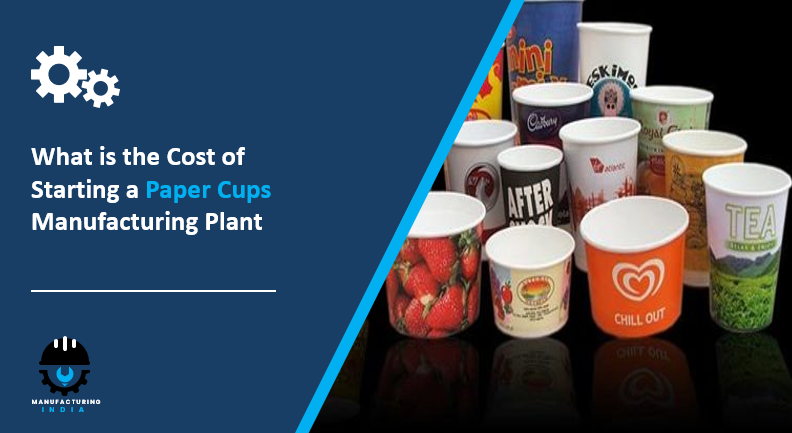
The paper cups manufacturing industry has witnessed remarkable growth in recent years, driven by increasing environmental awareness and the global shift away from plastic products. As governments worldwide implement bans on single-use plastics, the demand for eco-friendly alternatives like paper cups continues to surge. Starting a paper cups manufacturing plant presents a lucrative business opportunity for entrepreneurs looking to enter the sustainable packaging sector.
Paper cups are widely used across various industries including food and beverage outlets, corporate offices, hospitals, educational institutions, and events. The versatility and biodegradable nature of paper cups make them an essential commodity in today’s environmentally conscious market. This comprehensive guide will walk you through the step-by-step process of establishing a paper cups manufacturing plant and understanding the associated costs.
Market Overview
The paper cups market is experiencing unprecedented growth globally. The rising consumer preference for sustainable products, coupled with stringent regulations against plastic usage, has created a favorable business environment for paper cup manufacturers. The food service industry, particularly quick-service restaurants and cafes, represents the largest consumer segment for paper cups.
Understanding market dynamics is crucial before venturing into this business. The demand varies based on geographic location, with urban areas showing higher consumption rates. Seasonal fluctuations also impact sales, with peak demand during summer months and festival seasons. Conducting thorough market research will help identify your target customers and determine the optimal production capacity for your plant.
Step 1: Conduct Market Research and Feasibility Study
Begin your entrepreneurial journey by conducting comprehensive market research. Analyze the local and regional demand for paper cups, identify potential competitors, and understand pricing dynamics. A detailed feasibility study will help you assess the viability of your business idea and determine the optimal location for your manufacturing unit.
Engage with potential customers including restaurants, cafes, offices, and distributors to gauge their requirements. Understanding customer preferences regarding cup sizes, designs, and quality standards will help you tailor your production accordingly. This initial research phase is critical for making informed decisions about your business model and investment strategy.
Step 2: Prepare a Detailed Business Plan
Develop a comprehensive business plan that outlines your vision, mission, target market, production capacity, marketing strategy, and financial projections. Your business plan should include detailed cost estimates for machinery, raw materials, labor, utilities, and operational expenses. This document will serve as your roadmap and is essential when seeking funding from investors or financial institutions.
Include contingency plans for potential challenges such as raw material price fluctuations, machinery breakdowns, or market competition. A well-structured business plan demonstrates professionalism and increases your chances of securing necessary funding and partnerships.
Step 3: Arrange Funding and Capital
Determine your total capital requirement based on your business plan. Funding options include personal savings, bank loans, government schemes for small and medium enterprises, venture capital, or partnerships. Many financial institutions offer attractive loan schemes specifically designed for manufacturing startups.
Prepare necessary documentation including your business plan, financial projections, collateral details, and registration certificates when approaching lenders. Consider maintaining a financial buffer for unexpected expenses during the initial setup phase and the first few months of operations.
Request a Sample Report for In-Depth Market Insights: https://www.imarcgroup.com/paper-cups-manufacturing-plant-project-report/requestsample
Step 4: Select an Appropriate Location
Location selection significantly impacts your operational efficiency and profitability. Choose a site with adequate space for machinery installation, raw material storage, finished goods warehouse, and future expansion. Ensure the location has reliable electricity supply, water connection, and good road connectivity for smooth logistics.
Consider proximity to your target market and raw material suppliers to minimize transportation costs. Check zoning regulations and ensure the chosen location is permitted for industrial activities. Accessibility for workers and distance from residential areas are additional factors to consider.
Step 5: Obtain Necessary Licenses and Registrations
Register your business entity as a proprietorship, partnership, limited liability partnership, or private limited company based on your preference. Obtain essential licenses including business registration certificate, GST registration, factory license, pollution control board clearance, and trade license from local authorities.
Depending on your location and scale of operations, you may need additional permits such as fire safety certificate, local municipal corporation approval, and industry-specific certifications. Compliance with environmental regulations is particularly important for manufacturing units. Consult with legal experts to ensure all regulatory requirements are met.
Step 6: Procure Machinery and Equipment
Invest in high-quality paper cup making machines that match your production capacity requirements. The primary equipment includes paper cup forming machines, die-cutting machines, printing machines for customization, and packaging equipment. Choose between automatic, semi-automatic, or manual machines based on your budget and production goals.
Consider additional equipment such as raw material testing equipment, quality control instruments, and material handling systems. Source machinery from reputable manufacturers and ensure proper installation, commissioning, and operator training. Negotiate warranty terms and after-sales service agreements to minimize downtime.
Step 7: Source Quality Raw Materials
Establish reliable supply chains for essential raw materials including food-grade paperboard, polyethylene coating material, printing inks, and adhesives. Quality raw materials directly impact the final product quality and customer satisfaction. Develop relationships with multiple suppliers to ensure consistent availability and negotiate favorable pricing.
Consider bulk purchasing arrangements to reduce costs while maintaining adequate storage facilities. Implement inventory management systems to track raw material consumption and prevent production delays due to stock shortages.
Step 8: Hire and Train Workforce
Recruit skilled workers for machine operations, quality control, maintenance, and administrative functions. The workforce requirement depends on your production capacity and level of automation. Invest in comprehensive training programs to ensure workers understand machine operations, safety protocols, and quality standards.
Create a positive work environment with fair compensation, safety measures, and growth opportunities. Well-trained and motivated employees contribute significantly to operational efficiency and product quality.
Step 9: Set Up Production Facility
Design an efficient production layout that facilitates smooth material flow from raw material storage to finished goods dispatch. Install machinery according to manufacturer specifications and ensure compliance with safety regulations. Set up separate areas for production, quality testing, packaging, and storage.
Implement proper ventilation, lighting, and waste disposal systems. Establish quality control checkpoints at various production stages to maintain consistent product standards. Create standard operating procedures for all processes and conduct trial runs before commercial production.
Step 10: Implement Marketing and Distribution Strategy
Develop a comprehensive marketing strategy to reach your target customers. Create a professional brand identity including logo, packaging design, and marketing materials. Utilize both traditional marketing methods and digital platforms including website, social media, and online marketplaces.
Build relationships with distributors, wholesalers, and direct clients. Offer competitive pricing, reliable quality, and excellent customer service to establish your brand reputation. Participate in trade shows and industry events to showcase your products and network with potential buyers.
Key Cost Components
Understanding the various cost components helps in accurate financial planning. Major expenses include land or factory shed rental, machinery and equipment purchase, raw material procurement, labor costs, utility expenses, licenses and registrations, working capital, and marketing expenses.
Additional costs to consider include machinery maintenance, quality testing equipment, packaging materials, transportation, insurance, and professional fees for legal and accounting services. Allocate sufficient contingency funds to handle unexpected expenses during the setup phase and initial operational period.
About the Author