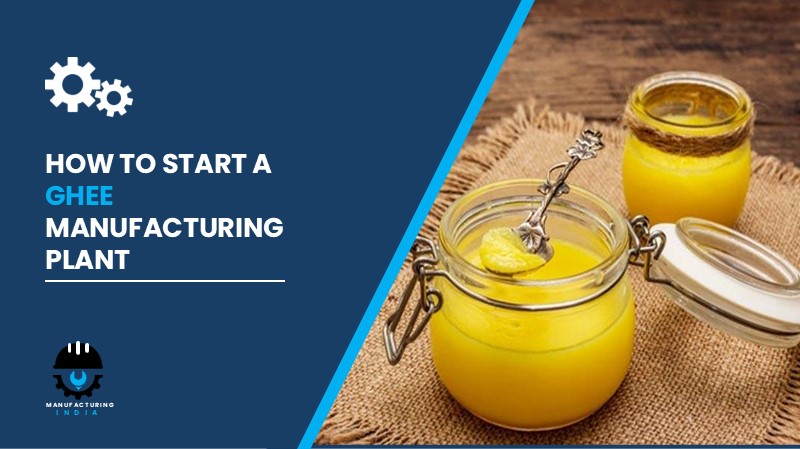
Setting up a ghee manufacturing plant in India presents a compelling investment case rooted in the country’s unparalleled position as the world’s largest producer and consumer of ghee, its deeply embedded cultural and culinary traditions centred on this premium dairy fat, and the rapidly expanding demand from food processing, HoReCa, pharmaceuticals, and organised retail channels. Ghee, also referred to as clarified butter, holds a unique position in Indian households as both a cooking staple and a product of religious, Ayurvedic, and cultural significance – ensuring consistent year-round consumption across urban, semi-urban, and rural markets that no seasonal or trend-driven force can substantially erode. The global ghee market was valued at USD 58.99 billion in 2025 and is projected to reach USD 97.32 billion by 2034 at a CAGR of 5.7%, reinforcing ghee’s transition from a traditional kitchen commodity into a globally relevant, premium dairy product with strong export potential.
India’s structural advantages make it the natural home for establishing a ghee manufacturing facility at any scale. The country’s vast dairy sector – the world’s largest by milk output – provides abundant and cost-competitive raw material access in milk and butter across Gujarat, Rajasthan, Uttar Pradesh, Punjab, Haryana, Maharashtra, and Karnataka. Established dairy cooperative infrastructure, including farmer collection networks and chilling centres, allows processors to source raw milk and cream efficiently and at scale. The government’s active support for dairy-based food processing through the Ministry of Food Processing Industries (MoFPI), the Pradhan Mantri Kisan Sampada Yojana, PLI scheme incentives, and National Dairy Development Board (NDDB) programmes further strengthens the investment rationale. A rising middle class, growing interest in organic, A2, and cow ghee variants among health-conscious consumers, and expanding exports to Indian diaspora and global natural food markets collectively create a wide, multi-channel commercial opportunity for new ghee manufacturing entrants.
A ghee manufacturing plant in India is backed by a global market growing at 5.7% CAGR toward USD 97.32 billion by 2034, India’s position as the world’s dominant ghee producer and consumer, and a multi-layered demand environment spanning household cooking, food processing, HoReCa, Ayurveda, and premium export segments. With gross profit margins of 20–30% and net margins of 8–12% achievable at commercial scale, a break-even horizon of 2 to 4 years, and strong government dairy processing support, this investment combines cultural demand durability with sound financial returns.
What is Ghee?
Ghee, also referred to as clarified butter, is made by heating butter or cream to remove water content and milk solids, leaving behind pure milk fat with a rich aroma, smooth grainy texture, and very long shelf life without refrigeration. Beyond its delicate taste and high smoke point – which makes it superior for frying, sautéing, and flavouring at high temperatures – ghee carries deep cultural, religious, and medicinal significance in Indian tradition. It features prominently in Ayurvedic herbal preparations and is believed to promote digestion among patients and the elderly. Ghee contains natural antioxidants along with fat-soluble vitamins A, D, E, and K, which are important components facilitating good health and digestion.
For ghee to be sold commercially, the raw material undergoes a series of purification processes including controlled heating, clarification, and filtration from cream, butter, or milk fat – assuring quality, purity, flavour, and extended storage stability. The primary production process involves milk or cream procurement, pasteurisation, cream separation, butter churning, clarification through heating, residue removal, filtration, cooling, quality inspection, and packaging. Key product variants include standard cow ghee, buffalo ghee, A2 cow ghee, organic ghee, and premium grass-fed ghee, each commanding different price points and buyer segments. End-use industries include food processing, HoReCa, dairy-based FMCG, pharmaceuticals, and retail distribution.
Cost of Setting Up a Ghee Manufacturing Plant in India
The total investment required to establish a ghee manufacturing plant in India depends on plant capacity, production method – whether creamery butter or direct cream method – geographic location, level of automation, and compliance with FSSAI food safety and dairy processing regulatory requirements. Investors must account comprehensively for both one-time capital expenditure and recurring operational costs when preparing a feasibility study or detailed project report (DPR) for this facility.
1. Capital Expenditure (CapEx)
Land and Site Development constitutes a foundational investment. Costs for land registration, boundary wall construction, internal road layout, drainage infrastructure, and site levelling vary based on whether the facility is established within a government-notified dairy processing cluster, a Mega Food Park under MoFPI, a food processing Special Economic Zone (SEZ), or on privately acquired land. Dairy processing clusters in states such as Gujarat, Rajasthan, Punjab, and Uttar Pradesh offer infrastructure-ready locations with proximity to milk procurement networks and established cold-chain and distribution infrastructure.
Civil Works and Construction encompasses the main ghee production hall with dairy-grade stainless-steel surface requirements, raw material receiving and milk storage area, cream separation and butter churning zone, clarification and heating hall, filtration and cooling area, quality control laboratory, finished goods warehouse, and administrative block. Food-grade dairy facility construction – including hygienic wall and floor finishes, drainage for wash-down operations, and steam utility infrastructure – adds to civil construction costs relative to standard industrial buildings.
Machinery and Equipment represent the single largest component of capital expenditure. Key machinery required includes:
- Cream separators
- Butter churners
- Ghee kettles (clarifiers)
- Filtration units
- Storage tanks
- Automated packaging machines
- Milk separators
- Ghee boilers
- Chillers and water treatment systems
Other Capital Costs include the effluent treatment plant (ETP) for managing dairy processing wastewater including whey and wash water streams, pre-operative expenses covering regulatory filings and feasibility study preparation, plant commissioning charges, utility connection fees for steam, electricity, and water, and import duties applicable to specialised clarification or automated packaging equipment sourced internationally.
Request a Sample Report for In-Depth Market Insights: https://www.imarcgroup.com/ghee-manufacturing-plant-project-report/requestsample
2. Operational Expenditure (OpEx)
Raw Material Cost is the overwhelmingly dominant driver of operating expenditure, accounting for approximately 85–90% of total OpEx – the highest raw material concentration ratio among all food processing plant types in this investment series. The primary input is milk or butter sourced from cows or buffaloes, with fat content and purity directly determining ghee yield and quality outcomes. Raw milk and cream prices are subject to significant seasonal fluctuation driven by monsoon-linked flush and lean production cycles across India’s dairy belt. Investors are advised to establish long-term procurement contracts with dairy cooperatives, farmer producer organisations (FPOs), and established milk collection networks to stabilise input costs and ensure supply continuity. Purity and fat content of milk significantly affect the yield and quality of finished ghee, making raw material quality management as important as cost management in this business model.
Utility Costs – covering electricity and steam for ghee kettles, clarification heating systems, pasteurisation, and facility operations – account for approximately 5–8% of total OpEx, reflecting the relatively moderate utility intensity of a dairy clarification process compared to more energy-intensive food processing operations. Water and steam costs for cleaning, pasteurisation, and boiler operation add to this cost line. Investors in locations with reliable steam infrastructure and competitive industrial electricity tariffs can maintain this cost component effectively.
Other Operating Costs include outbound transportation to retail distributors, FMCG buyers, HoReCa supply chains, food processing companies, and export freight to overseas markets; packaging materials including tins, glass jars, HDPE containers, and pouches for retail and institutional formats; employee salaries and wages; equipment maintenance and cleaning-in-place (CIP) system costs; quality assurance testing for FSSAI compliance; depreciation on civil and machinery assets; and applicable taxes. By the fifth year of operations, total operational costs are expected to increase substantially due to inflation, market fluctuations, potential rises in milk and butter procurement costs, supply chain disruptions, and rising domestic and export demand placing pressure on volume requirements.
3. Plant Capacity
The proposed ghee manufacturing facility is designed with an annual production capacity ranging between 5,000 and 10,000 MT, enabling economies of scale while maintaining operational flexibility across different ghee grades, packaging formats, and market segments. This capacity range serves the requirements of organised retail chains, FMCG brand manufacturers, HoReCa distributors, food processing companies, and export buyers. Capacity can be customised based on investor requirements, milk procurement network scale, and target market coverage. The break-even period for a ghee manufacturing business typically ranges from 2 to 4 years, depending on production volume, market pricing, distribution reach, and operational efficiency – with value addition through premium branding and organic or A2 ghee variants helping to accelerate profitability. Profitability improves consistently with higher capacity utilisation and premium product mix enhancement.
4. Profit Margins and Financial Projections
The ghee manufacturing plant demonstrates stable and viable profitability under normal operating conditions. Gross profit margins typically range between 20–30%, supported by consistent year-round demand across household, food processing, HoReCa, and export segments. Net profit margins range between 8–12%, reflecting the high raw material intensity of the production model. A comprehensive financial analysis should include income projections, expenditure forecasts, gross and net margin tracking across Years 1 through 5, net present value (NPV), internal rate of return (IRR), payback period, and a full profit and loss account. Sensitivity analysis covering milk and butter price volatility – the largest single variable affecting margin outcomes – is particularly important for investment-grade financial planning in this sector.
Why Set Up a Ghee Manufacturing Plant in India?
Surging Domestic Demand for Traditional and Natural Dairy Fats. A recent consumer insights study conducted at the Indian Healthy Snacking Summit 2025 revealed that 55% of consumers prefer snacks made with natural, preservative-free ingredients, underscoring that clean labels have become the consumer norm. Health-conscious Indian consumers are increasingly recognising ghee as a source of healthy fats when consumed in moderation, driving renewed domestic demand that cuts across traditional cooking use, functional food applications, and wellness-oriented dietary choices.
Premium Segment Growth in Organic, A2, and Cow Ghee. Premium product segments including organic ghee, grass-fed ghee, and A2 cow ghee are gaining strong traction in both domestic and international markets due to their perceived health benefits, superior nutritional profile, and quality differentiation positioning. These variants command significantly higher retail price points than standard ghee, offering manufacturers improved gross margin opportunities alongside traditional volume-driven revenue from mass-market grades.
Expanding Food Processing and HoReCa Demand. The rising use of ghee in sweets, snacks, bakery products, packaged ready-to-eat foods, and confectionery is driving sustained demand from India’s rapidly growing food processing industry. The HoReCa sector – encompassing hotels, restaurants, and catering services – relies on ghee for large-scale culinary applications requiring authentic flavour, high smoke point, and extended shelf stability without refrigeration, providing manufacturers with a high-volume, recurring institutional buyer channel.
Strong Cultural and Religious Demand Ensuring Year-Round Consumption. Ghee’s widespread use in religious rituals, traditional ceremonies, and Ayurvedic preparations ensures consistent, non-seasonal baseline demand that remains largely insulated from dietary trend cycles. This cultural demand durability provides ghee manufacturers with a predictable core revenue base across all market segments and seasons throughout the year.
Growing Exports to Diaspora and Global Natural Food Markets. India-made ghee is experiencing growing export momentum as Indian diaspora communities worldwide seek authentic dairy products, and as international health-food consumers discover ghee as a natural, lactose-free cooking fat. In October 2025, India-made Amul Cow Ghee was launched in Fiji through a partnership between Amul and FMF Foods, strengthening bilateral trade ties and demonstrating the export market-building potential for Indian ghee brands in new international territories. In November 2025, Milma launched five new premium products including Samridhi ghee, signalling active product portfolio expansion among established Indian dairy brands targeting the premium domestic and international segments.
Cost-Competitive Manufacturing Environment with Abundant Raw Material Access. India’s position as the world’s largest milk-producing nation gives domestic ghee manufacturers a structural raw material cost advantage over competitors in import-dependent markets. The country’s extensive dairy cooperative infrastructure – from village-level milk collection to district chilling centres and state-level dairy federations – provides reliable supply chain access even for new entrant manufacturers establishing direct procurement relationships with farmer networks and cooperatives.
Manufacturing Process – Step by Step
The ghee manufacturing process uses milk or cream procurement, pasteurisation, cream separation, butter churning, clarification through controlled heating, residue removal, filtration, cooling, quality inspection, and packaging as the primary production method. Below are the main stages involved in the ghee manufacturing process flow:
- Milk or Cream Procurement and Testing: Raw milk or cream is received from dairy cooperatives, FPOs, or direct farm procurement networks, tested for fat content, purity, adulteration, and microbial safety, and cleared for processing only upon passing quality verification.
- Pasteurisation: Raw milk or cream is heat-treated using pasteurisation equipment to eliminate pathogenic microorganisms, ensuring food safety compliance and protecting product quality throughout subsequent processing stages.
- Cream Separation: Cream separators centrifugally separate the fat-rich cream fraction from skim milk, concentrating the butter fat that will be further processed into ghee. Skim milk is channelled to by-product utilisation or sold separately.
- Butter Churning: Butter churners agitate the separated cream mechanically to break the emulsion structure and aggregate fat globules into butter, separating out buttermilk as a by-product that is collected for sale or further processing.
- Clarification – Controlled Heating in Ghee Kettles: Butter is loaded into ghee kettles and heated under controlled temperature conditions. The heating drives off residual moisture, causes milk proteins and lactose to precipitate as residue at the bottom and surface of the kettle, and produces the characteristic aroma, colour, and flavour profile of finished ghee through Maillard reaction chemistry.
- Residue Removal: The milk solid residue – consisting of proteins, lactose, and other non-fat components – is skimmed from the surface and filtered from the bottom of the kettle, leaving behind clarified, pure milk fat.
- Filtration: Filtration units pass the clarified ghee through fine filters to remove any remaining solid particles, ensuring product purity, clarity, and compliance with FSSAI quality specifications.
- Cooling and Crystallisation: The filtered ghee is cooled in a controlled manner to produce the desired grain structure and texture – granular ghee has a characteristic slightly grainy appearance that consumers and buyers associate with high-quality, traditionally produced product.
- Quality Inspection: Analytical instruments monitor finished ghee for fat content, moisture, free fatty acid levels, colour, aroma, peroxide value, and microbial safety. Batch release is conditional on meeting all FSSAI and buyer specification acceptance criteria.
- Packaging: Automated packaging machines fill ghee into retail consumer formats – including tins, glass jars, HDPE containers, and pouches – and institutional bulk packs, applying labels with product information, batch codes, and FSSAI compliance markings for full supply chain traceability.
- Dispatch to End-Use Channels: Finished ghee is dispatched to household retail consumers through supermarkets, grocery stores, and e-commerce platforms; to food processing companies producing sweets, bakery, and ready-to-eat products; to HoReCa distributors; to pharmaceutical and Ayurveda manufacturers; and to export buyers in international markets.
Key Applications
Ghee produced at this type of facility serves a wide range of consumption and industrial use categories, each with specific quality grade, packaging format, and volume requirements:
- Household Consumption: Widely used in daily cooking, frying, sautéing, and traditional food preparation across Indian households as the premium cooking fat of choice for flavour, health, and cultural preference.
- Food Processing Industry: Extensively used in the production of traditional Indian sweets such as halwa and ladoo, bakery items, snacks, packaged ready-to-eat foods, and confectionery requiring authentic ghee flavour and extended shelf stability.
- HoReCa Sector: Supports large-scale culinary applications across hotels, restaurants, and catering services where consistent quality, high smoke point, and authentic flavour are required for cooking and food presentation at scale.
- Pharmaceutical and Ayurveda: Used in Ayurvedic medicinal formulations, herbal preparations, and wellness products where ghee serves as a therapeutic base ingredient believed to support digestion, immunity, and overall health according to traditional Ayurvedic principles.
Leading Ghee Manufacturers
The global ghee industry is served by a range of manufacturers spanning large dairy cooperatives, FMCG brands, and specialty producers. Key players include:
- GCMMF (Amul)
- Heritage Foods Limited
- Patanjali Ayurved Limited
- Verka
- ITC Limited
- Paras
- RKG
- Saputo
Timeline to Start the Plant
Investors planning to establish a ghee manufacturing plant in India should anticipate the following project development phases, with an overall timeline typically ranging from 12 to 18 months:
- Feasibility study and project report preparation
- Land acquisition and site development
- Regulatory approvals and environmental clearances
- Factory licence and fire safety compliance
- Machinery procurement and installation
- Raw material supplier agreements and supply chain setup
- Trial production and quality testing
- Commercial production launch
Licences and Regulatory Requirements
Starting a ghee manufacturing unit in India requires several approvals:
- Business registration (Proprietorship, LLP, or Private Limited Company)
- Factory Licence under the Factories Act
- FSSAI (Food Safety and Standards Authority of India) licence for dairy product manufacturing – Central FSSAI licence required for manufacturers with annual turnover above ₹20 crore or operating across multiple states
- Environmental Clearance from the State Pollution Control Board
- GST Registration
- Fire Safety NOC
- Effluent Treatment Plant (ETP) operational clearance for dairy wastewater management
- Occupational Health and Safety compliance covering dairy processing operations
- Bureau of Indian Standards (BIS) certification for ghee quality specifications under IS 3508 where applicable
- APEDA export registration where ghee is targeted for export to international markets
Key Challenges to Consider
Extreme Raw Material Price Concentration. Milk and butter account for 85–90% of total OpEx – the highest raw material dependency ratio in this investment category – meaning even moderate fluctuations in dairy commodity prices directly and materially compress or expand gross margins. Seasonal flush-lean cycle management and long-term procurement contract strategy are essential operational priorities from day one of plant operation.
Dairy Raw Material Quality Variability. Fat content, purity, and microbial quality of incoming milk and cream directly affect ghee yield, flavour consistency, and shelf life. Inconsistent raw material quality – a common challenge when sourcing from fragmented small-holder dairy supply chains – can result in batch variability, quality failures, and buyer complaints. Robust procurement quality testing and supplier qualification protocols are mandatory risk mitigation measures.
Regulatory Compliance Under FSSAI Dairy Standards. Ghee manufacturing in India is governed by stringent FSSAI standards including adulteration testing, fat content specifications, moisture limits, and labelling requirements. Maintaining continuous compliance demands documented quality management systems, regular FSSAI audits, and comprehensive batch traceability records – particularly important as FSSAI enforcement activity in the dairy sector continues to intensify.
Competition from Established Cooperative and FMCG Brands. The Indian ghee market is dominated by highly trusted cooperative brands including Amul (GCMMF), Verka, and Heritage Foods, alongside strong FMCG players such as Patanjali and ITC. New entrants must differentiate through premium positioning – including organic, A2, or region-specific cow ghee variants – or through competitive pricing in institutional and food processing buyer channels to build market share against established brand loyalty.
Premium Segment Certification Requirements. Capturing higher-margin opportunities in organic, A2, or grass-fed ghee segments requires additional certification – including organic certification from accredited bodies, breed verification for A2 milk sourcing, and traceability documentation – that adds complexity, cost, and time to market for new manufacturers seeking premium positioning.
Skilled Manpower in Dairy Processing. Operating cream separators, butter churners, ghee kettles, filtration systems, and automated packaging lines in a food-grade dairy environment requires technicians trained in dairy science, HACCP implementation, and quality management for dairy products. Sourcing qualified dairy processing personnel, particularly for facilities located outside established dairy industry clusters, presents a recurring staffing challenge.
Frequently Asked Questions
1. How much does it cost to set up a ghee manufacturing plant in India?
The total cost depends on plant capacity (5,000–10,000 MT per annum), technology selection, location, and automation level. CapEx covers land, dairy-grade civil construction, and machinery including cream separators, butter churners, ghee kettles, filtration units, storage tanks, and automated packaging machines, along with pre-operative and regulatory costs.
2. Is ghee manufacturing profitable in India in 2026?
Yes. With gross margins of 20–30% and net margins of 8–12%, supported by consistent multi-channel demand across household, food processing, HoReCa, Ayurveda, and export segments, and a global market growing at 5.7% CAGR toward USD 97.32 billion by 2034, ghee manufacturing delivers viable and improving returns at appropriate production scale.
3. What machinery is required for a ghee manufacturing plant in India?
Key equipment includes cream separators, butter churners, ghee kettles or clarifiers, filtration units, storage tanks, automated packaging machines, milk separators, ghee boilers, chillers, and water treatment systems.
4. What licences and approvals are required to start a ghee manufacturing plant in India?
Required approvals include business registration, FSSAI dairy product manufacturing licence, Factory Licence, Environmental Clearance, GST Registration, Fire Safety NOC, ETP operational clearance, BIS certification where applicable, Occupational Health and Safety compliance, and APEDA export registration for international market access.
5. What raw materials are needed for ghee manufacturing?
The primary raw material is high-quality milk or cream — typically sourced from cows or buffaloes. Other essentials include cultures or curd for traditional production methods, and clean water for cleaning and processing operations. Purity and fat content of milk significantly affect yield and quality.
6. What are the environmental compliance requirements for a ghee manufacturing plant in India?
An operational effluent treatment plant is mandatory for managing dairy processing wastewater including whey, wash water, and buttermilk streams, along with Environmental Clearance from the State Pollution Control Board and compliance with dairy effluent discharge standards applicable under state environmental regulations.
7. What is the best location to set up a ghee manufacturing plant in India?
States with large dairy production bases, established cooperative infrastructure, and access to retail and export distribution networks – such as Gujarat, Rajasthan, Uttar Pradesh, Punjab, Haryana, and Maharashtra – offer the best combination of raw material access at competitive prices, processing talent availability, and market connectivity for domestic and export sales.
8. What is the break-even period for this type of plant in India?
The break-even period typically ranges from 2 to 4 years, depending on production volume, market pricing, distribution reach, and operational efficiency. Value addition through premium branding — particularly organic, A2, or cow ghee variants — and efficient procurement contract management can help accelerate profitability.
9. What government incentives are available for ghee manufacturers in India?
The PLI scheme for food processing, Pradhan Mantri Kisan Sampada Yojana grants for dairy processing infrastructure, MoFPI capital subsidy schemes, NDDB dairy development support programmes, APEDA export development assistance, and state-level dairy processing industrial incentives in Gujarat, Rajasthan, and Punjab provide meaningful financial and infrastructure support for qualifying ghee manufacturing investments.
Key Takeaways for Investors
A ghee manufacturing plant in India represents one of the most culturally grounded and commercially durable food processing investment opportunities available in the country – combining deeply embedded domestic demand across household, religious, culinary, Ayurvedic, and food processing channels with a global market growing at 5.7% CAGR from USD 58.99 billion in 2025 toward USD 97.32 billion by 2034. Financial viability is supported across a plant capacity range of 5,000 to 10,000 MT per annum, with gross margins of 20–30% and a break-even horizon of 2 to 4 years achievable under efficient procurement and production management. India’s unrivalled dairy supply chain infrastructure, expanding premium ghee segment – as evidenced by Milma’s November 2025 premium product launch including Samridhi ghee and Amul’s October 2025 international expansion into Fiji – and growing global appetite for authentic, natural Indian dairy products collectively reinforce the long-term demand sustainability for ghee manufacturing investors entering the market in 2026 and beyond.
About the Author