Setting up a palm oil processing plant in India presents a compelling investment case driven by the country’s rapidly expanding food processing sector, growing oleochemical industry, and rising domestic consumption of edible oils. Palm oil is a foundational ingredient across food and beverage, personal care and cosmetics, pharmaceuticals, animal feed, and bioenergy industries that are all scaling rapidly within India’s evolving economic landscape. As one of the world’s most consumed vegetable oils, palm oil’s cost competitiveness and higher yield compared to soybean and sunflower oils make it a strategically attractive commodity for Indian manufacturers and agro-industrial investors.
India’s structural advantages urbanisation-led demand for packaged and processed foods, robust infrastructure development under the Make in India initiative, and access to skilled, cost-competitive labour make it an ideal geography for building a palm oil processing facility. States such as Andhra Pradesh, Telangana, and Odisha already have established oil palm cultivation programmes, giving processors access to fresh fruit bunches with relatively low logistics costs. Combined with India’s domestic chemicals market projected to reach USD 400 to 450 billion by 2030 (as per NITI Aayog), the downstream demand pull for palm oil derivatives is substantial and growing.
India’s palm oil processing sector sits at the intersection of food security, oleochemical expansion, and bioenergy policy making it one of the most defensible agro-industrial investments available today. With gross profit margins ranging between 20–30%, a net margin band of 8–12%, and strong policy tailwinds under Make in India and biodiesel blending mandates, the break-even viability of a well-structured processing plant is credible across a wide range of plant capacities.
What is Palm Oil?
Palm oil is an edible vegetable oil processed from the fruit of oil palm trees, primarily Elaeis guineensis. It is one of the most widely consumed vegetable oils in the world, valued for its cost-effectiveness, high yield per hectare, and functional versatility across a broad range of industrial applications. In the food segment, palm oil is commonly used in cooking oils, margarine, bakery items, and processed foods. Beyond food, it is a major ingredient in the manufacture of soaps, detergents, cosmetics, medicines, and biofuels.
The production follows a multi-stage process involving sterilization, threshing, digestion, mechanical pressing, clarification, purification, and kernel crushing. These sequential unit operations convert fresh fruit bunches into crude palm oil and palm kernel oil, which are then refined into finished products for end-use industries. The key industries served include food and beverage, personal care and cosmetics, oleochemicals, pharmaceuticals, animal feed, and bioenergy making palm oil one of the most cross-sector raw materials in global agro-industrial supply chains.
Cost of Setting Up a Palm Oil Processing Plant in India
The total investment required to establish a palm oil processing plant in India depends on a combination of factors including production capacity, technology selection, geographic location, degree of automation, and regulatory compliance obligations.
1. Capital Expenditure (CapEx)
The capital investment for a palm oil processing facility encompasses several major cost heads. Land and site development costs include land registration charges, boundary development, and site preparation and investors may benefit from locating within a Special Economic Zone (SEZ) or state-notified industrial estate to access subsidised land rates and infrastructure support. Civil works and construction expenditure covers the main processing shed, laboratory, raw material storage yard, finished goods warehouse, effluent treatment area, and administrative block.
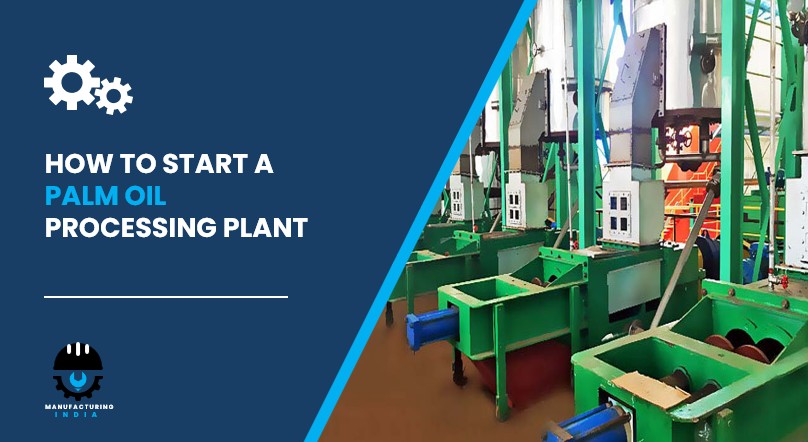
Machinery and equipment represent the largest component of CapEx in a palm oil processing plant. Key machinery required includes:
- Sterilizers
- Threshers
- Digesters
- Mechanical presses
- Clarifiers
- Centrifuges
- Kernel crackers
- Refining plants
- Fractionation units
- Bulk loading systems
Other capital costs include the effluent treatment plant (ETP), pre-operative expenses, commissioning charges, and applicable import duties on specialised machinery components not manufactured domestically.
Request a Sample Report for In-Depth Market Insights: https://www.imarcgroup.com/palm-oil-processing-plant-project-report/requestsample
2. Operational Expenditure (OpEx)
The operating cost structure of a palm oil processing plant is primarily driven by raw material consumption. Raw material costs centred on fresh fruit bunches account for approximately 70–80% of total OpEx, making supplier contract strategy and procurement logistics critical to long-term financial performance. Investors are advised to negotiate long-term supply agreements with plantation operators to stabilise pricing and ensure a consistent volume of feedstock.
Utility costs, covering electricity, water, and steam, represent approximately 10–15% of OpEx and are a meaningful line item given the energy-intensive nature of sterilization and refining operations. Other ongoing operating costs include transportation, packaging, salaries and wages, maintenance, depreciation, taxes, and miscellaneous expenses. By the fifth year of operations, total operational cost is expected to increase substantially due to inflation, market fluctuations, rising input costs, supply chain disruptions, and shifts in the global economy.
3. Plant Capacity
The proposed palm oil processing facility is designed with an annual production capacity ranging between 100,000 and 300,000 metric tonnes, enabling economies of scale while maintaining operational flexibility. Investors may customise the plant capacity based on their capital availability, target market scale, and feedstock sourcing arrangements. As with most process industries, profitability improves meaningfully with higher capacity utilisation making ramp-up strategy a key consideration in the early years of operation.
4. Profit Margins and Financial Projections
A palm oil processing plant demonstrates healthy profitability potential under normal operating conditions. Gross profit margins typically range between 20–30%, supported by stable demand across multiple end-use industries and the value-added applications of refined palm oil. Net profit margins are projected in the range of 8–12%. Financial projections for a properly structured project include detailed assessments of net present value (NPV), internal rate of return (IRR), payback period, gross margin, and net margin developed because of realistic assumptions related to capital investment, operating costs, capacity utilisation, pricing trends, and demand outlook.
Why Set Up a Palm Oil Processing Plant in India?
Growing Demand from the Food Processing Sector. India’s rapid expansion of the food processing sector is boosting demand for processed and packaged foods containing palm oil. As urbanisation accelerates and middle-class consumption patterns shift toward convenience foods, cooking oils, margarine, and bakery products, domestic demand for palm oil inputs is rising consistently and is expected to sustain over the long term.
Oleochemical Industry Expansion. The oleochemical industry’s growth is supporting increased utilisation of palm oil derivatives in soaps, detergents, and industrial chemicals. With India’s domestic chemicals market projected to grow to approximately USD 400 to 450 billion by 2030 per NITI Aayog, the downstream pull for palm oil-based oleochemical inputs from Indian manufacturers is a powerful and durable demand driver.
Policy and Regulatory Tailwinds. Government support for agro-processing, rural industrialisation, and export incentives under initiatives such as Make in India is strengthening the long-term investment environment for palm oil processing. Biodiesel blending mandates Indonesia’s B40 programme moving toward B50, for example and policy-driven adoption of biodiesel in several countries have further enhanced palm oil demand as a biofuel feedstock globally, creating indirect export opportunity for Indian processors.
Cost-Competitive Manufacturing. India offers cost-competitive advantages across land acquisition, construction, and labour all of which reduce the fixed cost base for a new processing unit. Palm oil’s inherent cost advantage and higher yield per hectare compared to soybean and sunflower oils further strengthen processing economics, giving Indian facilities a competitive margin structure even before operational efficiency gains are realised.
Active Industry Investment and Sustainability Push. In January 2026, Indonesia the world’s largest palm oil producer evaluated a higher export levy on palm oil to finance its expanding biodiesel programme. In May 2024, the Sustainable Palm Oil Dialogue (SPOD) 2024 Europe convened stakeholders from the European Commission and the Indonesian Government to advance sustainability in the palm oil sector. Sustainability certifications such as RSPO, ISPO, and MSPO are strengthening long-term prospects for responsible palm oil processing investments globally.
Local Supply Chain Preference. Downstream manufacturers and exporters increasingly prioritise processors with reliable local sourcing, efficient logistics, and traceable supply chains. This creates opportunities for regionally integrated palm oil processors in India to reduce volatility, ensure supply continuity, and improve margins particularly as food and personal care companies seek to reduce import dependence.
Manufacturing Process Step by Step
The palm oil manufacturing process uses sterilization, threshing, digestion, mechanical pressing, clarification, purification, and kernel crushing as the primary production method. Each stage is a distinct unit operation that must be precisely controlled to maximise oil extraction efficiency and product quality.
- Sterilization: Fresh fruit bunches are treated with high-pressure steam in sterilizers to loosen the fruits from the bunches and deactivate enzymes that can cause oil quality degradation.
- Threshing: Sterilized bunches pass through threshers, which separate the individual fruit from the bunch stalk through mechanical action.
- Digestion: The separated fruit is fed into digesters, where it is heated and mechanically agitated to break down the fruit cells and release the crude palm oil.
- Mechanical Pressing: The digested fruit mass is fed into mechanical presses, which extract the crude palm oil from the fruit fibre under high pressure.
- Clarification: The crude palm oil extracted from the press is passed through clarifiers and centrifuges to remove water, impurities, and fine solids.
- Purification: Further purification stages ensure the crude palm oil meets quality and purity standards before entering the refining process.
- Kernel Cracking: The press cake is processed through kernel crackers to separate palm kernels, which are then dried and dispatched or further processed into palm kernel oil.
- Refining and Fractionation: Refined palm oil is processed through refining plants and fractionation units to produce finished product grades dispatched to food and beverage, oleochemical, pharmaceutical, and bioenergy end-use industries.
Key Applications
Palm oil serves a wide range of industries, making it one of the most versatile agro-industrial commodities in global trade.
- Food and Beverage: Used in cooking oils, margarine, bakery products, and a wide range of packaged and processed food items.
- Personal Care and Cosmetics: A key ingredient in skincare formulations, shampoos, and personal hygiene products.
- Oleochemicals: Feedstock for soaps, detergents, and industrial chemical manufacturing.
- Pharmaceuticals: Used in the production of vitamin capsules and medicinal formulations.
- Animal Feed: Palm kernel meal and other by-products serve as high-energy animal feed inputs.
- Bioenergy: Palm oil is a significant biofuel feedstock used in biodiesel production under national blending mandates.
Leading Manufacturers
The global palm oil processing industry is served by several large multinational companies with extensive production capacities and diverse application portfolios. Key players in the market include:
- Wilmar International Limited
- Sime Darby Plantation Berhad
- Golden Agri-Resources Ltd.
- Musim Mas Group
- IOI Corporation Berhad
Timeline to Start the Plant
- Feasibility study and project report preparation
- Land acquisition and site development
- Regulatory approvals and environmental clearances
- Factory licence and fire safety compliance
- Machinery procurement and installation
- Raw material supplier agreements and supply chain setup
- Trial production and quality testing
- Commercial production launch
Licences and Regulatory Requirements
Starting a palm oil processing unit in India requires several approvals:
- Business registration (Proprietorship, LLP, or Private Limited Company)
- Factory Licence under the Factories Act
- Environmental Clearance from the State Pollution Control Board
- GST Registration
- Fire Safety NOC
- Hazardous and chemical handling compliance (applicable given palm oil mill effluent and chemical inputs)
- Effluent Treatment Plant (ETP) operational clearance
- Occupational Health and Safety compliance
Key Challenges to Consider
High Capital Requirements. Establishing a palm oil processing plant with a capacity in the 100,000–300,000 MT per annum range involves substantial capital expenditure across machinery, civil works, utilities, and pre-operative costs, requiring disciplined financial planning and access to institutional funding.
Raw Material Price Volatility. Fresh fruit bunches which account for 70–80% of total operational expenditure are subject to seasonal availability, weather-related disruptions, and global commodity price movements, creating cost uncertainty that investors must manage through long-term supply agreements.
Regulatory Compliance. Palm oil processing generates palm oil mill effluent (POME) and other by-products that are subject to strict environmental regulations. Maintaining ETP operations, securing pollution control clearances, and adhering to sustainability certification standards (RSPO, ISPO, MSPO) represent ongoing compliance obligations.
Technology and Innovation Pressure. As sustainability certifications and processing efficiency benchmarks rise globally, processing facilities must stay current with evolving refining and fractionation technology to remain competitive in export markets and with premium downstream buyers.
Competition from Global Players. The market is dominated by large, vertically integrated multinationals including Wilmar International Limited, Sime Darby Plantation Berhad, Golden Agri-Resources Ltd., Musim Mas Group, and IOI Corporation Berhad, which command supply chain scale and technology advantages that new entrants must plan to address.
Skilled Manpower. Operating sterilizers, centrifuges, refining plants, and fractionation units requires technically trained personnel. Recruiting and retaining qualified process engineers and quality control staff in semi-urban or rural plantation-proximate locations can be a persistent operational challenge.
Frequently Asked Questions
1. How much does it cost to set up a palm oil processing plant in India?
The total cost depends on plant capacity, technology, location, and automation level. The capital investment covers land, civil works, machinery (including sterilizers, threshers, digesters, presses, clarifiers, centrifuges, kernel crackers, refining plants, fractionation units, and bulk loading systems), utilities, and pre-operative expenses. A detailed cost breakdown is available via the IMARC Group feasibility report.
2. Is palm oil processing profitable in India in 2026?
Yes. Palm oil processing plants demonstrate gross profit margins of 20–30% and net profit margins of 8–12% under normal operating conditions, supported by stable multi-sector demand across food, oleochemicals, pharmaceuticals, and bioenergy.
3. What machinery is required for a palm oil processing plant in India?
Key equipment includes sterilizers, threshers, digesters, mechanical presses, clarifiers, centrifuges, kernel crackers, refining plants, fractionation units, and bulk loading systems.
4. What licences and approvals are required to start a palm oil processing plant in India?
Required approvals include business registration, Factory Licence, Environmental Clearance, GST Registration, Fire Safety NOC, ETP operational clearance, chemical handling compliance, and Occupational Health and Safety certification.
5. What raw materials are needed for palm oil manufacturing?
The primary raw material is fresh fruit bunches (FFB) sourced from oil palm plantations. FFB procurement accounts for 70–80% of total operational expenditure.
6. What are the environmental compliance requirements for a palm oil processing plant in India?
Plants must obtain Environmental Clearance from the State Pollution Control Board, operate an approved Effluent Treatment Plant (ETP) for managing palm oil mill effluent, and comply with applicable emission and effluent discharge standards under Indian environmental law.
7. What is the best location to set up a palm oil processing plant in India?
Locations should offer proximity to oil palm cultivation zones (Andhra Pradesh, Telangana, Odisha), access to reliable utilities and transportation networks, and compliance with local zoning and environmental regulations. Industrial estates and SEZs may offer additional infrastructure and fiscal benefits.
8. What is the break-even period for this type of plant in India?
The payback period depends on plant scale, capacity utilisation, and operating efficiency. Detailed break-even projections including NPV, IRR, and payback period analysis are provided in the full IMARC Group project report.
9. What government incentives are available for manufacturers in India?
Palm oil processing investors in India may be eligible for agro-processing subsidies, capital investment subsidies under state industrial policies, benefits under the Make in India initiative, rural industrialisation schemes, and export incentive programmes depending on plant location and structure.
Key Takeaways for Investors
A palm oil processing plant in India offers a well-rounded investment opportunity anchored by multi-sector demand across food and beverage, personal care, oleochemicals, pharmaceuticals, animal feed, and bioenergy. The financial structure of this investment is viable across a range of plant capacities from 100,000 to 300,000 MT per annum, with gross margins of 20–30% and net margins of 8–12% achievable under normal operating conditions. The global palm oil market was valued at USD 59.15 billion in 2025 and is projected to reach USD 80.05 billion by 2034, exhibiting a CAGR of 3.42% from 2026 to 2034 underscoring the long-term demand sustainability that underpins this investment. With urbanisation, food processing expansion, oleochemical growth, and biodiesel mandates all reinforcing demand simultaneously, a strategically located and efficiently operated palm oil processing plant in India is well-positioned for durable profitability across the investment horizon.
About the Author