Setting up a shrimp processing plant in India presents a compelling investment case driven by the rising global demand for seafood, increasing consumption of high-protein foods, and expanding foodservice sector. Processed shrimp has emerged as one of the fastest-moving seafood commodities due to its nutritional value and convenience, making it highly relevant for export-oriented industries and domestic consumption alike.
India’s strong aquaculture base, growing shrimp production, and export-focused seafood industry make it a strategic location for processing facilities. With increasing investments in modern processing technologies, cold chain infrastructure, and value-added shrimp products, India offers a cost-competitive environment supported by expanding supply chains and global trade integration.
With strong demand from global seafood markets, increasing domestic consumption, and supportive aquaculture expansion, shrimp processing presents a scalable and profitable opportunity. Combined with cost advantages and growing infrastructure, investors can achieve sustainable margins and viable payback timelines.
What is Shrimp Processing?
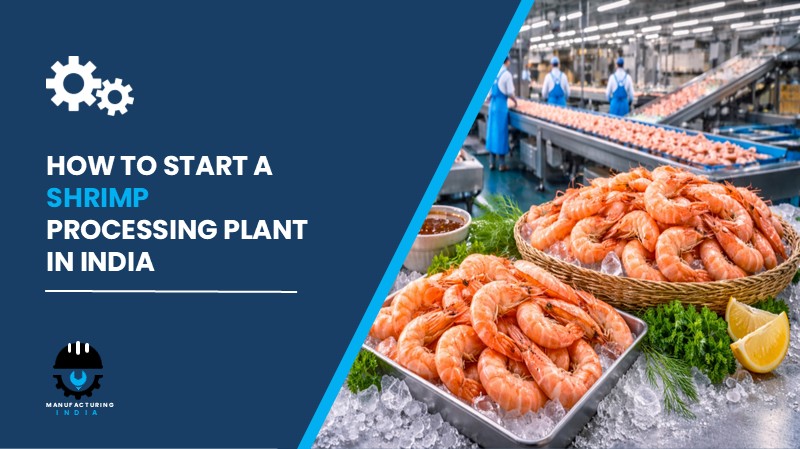
A shrimp processing plant refers to a facility where raw shrimp is cleaned, peeled, deveined, processed, and packaged into value-added forms such as peeled shrimp for commercial distribution. The processing ensures improved shelf life, hygiene, and suitability for foodservice and retail markets.
Shrimp processing involves multiple unit operations including cleaning, grading, peeling, and packaging to meet quality standards. The process is essential to convert raw shrimp into market-ready products while maintaining nutritional quality, including high protein content and valuable nutrients.
The shrimp processing industry serves various sectors including foodservice, retail seafood distribution, and processed food manufacturing, supporting both domestic consumption and export markets.
Cost of Setting Up a Shrimp Processing Plant in India
The cost of establishing a shrimp processing plant in India depends on plant capacity, technology selection, location, automation level, and regulatory compliance requirements.
1. Capital Expenditure (CapEx)
Capital investment includes land acquisition, plant construction, machinery procurement, and infrastructure development. Industrial zones and coastal regions are preferred for seafood processing facilities due to proximity to raw material sources.
Civil construction includes processing units, cold storage, packaging areas, and administrative blocks. Infrastructure must meet hygiene and export standards.
Key machinery required includes:
- Cleaning and washing equipment
- Peeling and deveining machines
- Grading and sorting machines
- Freezing equipment
- Packaging machines
- Cold storage systems
Additional capital costs include effluent treatment systems, utilities, and pre-operative expenses.
Request a Sample Report for In-Depth Market Insights: https://www.imarcgroup.com/shrimp-processing-plant-project-report/requestsample
2. Operational Expenditure (OpEx)
Operational costs are largely influenced by raw material procurement and utilities.
Raw materials include:
- Raw shrimp
Utility costs include electricity, water, and refrigeration systems required for cold chain operations. Other costs include labor, packaging, transportation, maintenance, and taxes.
Over time, operating expenses are expected to increase gradually due to inflation, rising energy costs, and supply chain fluctuations.
3. Plant Capacity
The proposed facility typically operates with an annual production capacity of 5,000-10,000 MT of peeled shrimp, enabling economies of scale and operational flexibility.
Capacity can be customized based on investment scale, and higher capacity utilization improves profitability.
4. Profit Margins and Financial Projections
Financial analysis includes capital investment, operating costs, revenue projections, taxation, depreciation, and profitability metrics such as NPV and payback period. While exact margins vary, shrimp processing offers attractive returns due to strong global demand and export potential.
Why Set Up a Shrimp Processing Plant in India?
Rising Global Seafood Demand
The increasing demand for seafood and high-protein diets is driving growth in shrimp consumption globally.
Expanding Foodservice Industry
Growth in restaurants and processed food consumption is increasing demand for ready-to-cook shrimp products.
Growing Indian Shrimp Market
The Indian shrimp market reached USD 10.1 Billion in 2025 and is projected to reach USD 23.2 Billion by 2034, highlighting strong growth potential.
Cost-Competitive Manufacturing
India offers competitive labor costs, strong aquaculture supply, and established export infrastructure.
Technological Advancements
Investments in cold chain logistics and processing technologies are enhancing efficiency and product quality.
Export-Oriented Industry
India is a major shrimp exporter, with strong global demand supporting long-term industry growth.
Manufacturing Process – Step by Step
The shrimp manufacturing process uses processing and value-addition operations as the primary production method.
- Raw Material Reception – Fresh shrimp is received and inspected
- Cleaning and Washing – Removal of impurities
- Peeling and Deveining – Mechanical or manual processing
- Grading and Sorting – Size-based classification
- Freezing – Preservation using freezing systems
- Packaging – Hygienic packing for distribution
- Storage and Dispatch – Cold storage and transportation to end-use industries
Key Applications
Shrimp processing serves multiple industries including:
- Foodservice Industry – Restaurants and hotels use processed shrimp
- Retail Sector – Packaged shrimp for consumers
- Processed Food Industry – Ready-to-eat and frozen food products
Leading Manufacturers
The industry includes several key players:
- Nekkanti Seafoods
- Avanti Frozen Foods Private Limited
- Devi Sea Foods Limited
- Falcon Marine Exports Ltd.
- Apex Frozen Foods Limited
- The Waterbase Limited
- Abad Fisheries Private Limited
- Liberty Group of Seafood Companies
Timeline to Start the Plant
- Feasibility study and project report preparation
- Land acquisition and site development
- Regulatory approvals and environmental clearances
- Factory licence and fire safety compliance
- Machinery procurement and installation
- Raw material supplier agreements and supply chain setup
- Trial production and quality testing
- Commercial production launch
Licences and Regulatory Requirements
Starting a shrimp processing manufacturing unit in India requires several approvals:
- Business registration (Proprietorship, LLP, or Pvt Ltd)
- Factory Licence under the Factories Act
- Environmental Clearance from State Pollution Control Board
- GST Registration
- Fire Safety NOC
- Effluent Treatment Plant (ETP) operational clearance
- Occupational Health and Safety compliance
Key Challenges to Consider
High Capital Requirements
Initial investment in infrastructure and cold storage is significant.
Raw Material Price Volatility
Dependence on raw shrimp supply impacts cost stability.
Regulatory Compliance
Strict hygiene and export regulations must be followed.
Competition
Presence of established players such as Avanti Frozen Foods and Apex Frozen Foods increases competition.
Skilled Manpower
Processing requires trained labor for quality control and operations.
Frequently Asked Questions
- How much does it cost to set up a shrimp manufacturing plant in India?
- Is shrimp manufacturing profitable in India in 2026?
- What machinery is required for a shrimp plant in India?
- What licences and approvals are required to start a shrimp plant in India?
- What raw materials are needed for shrimp manufacturing?
- What are the environmental compliance requirements for a shrimp plant in India?
- What is the best location to set up a shrimp plant in India?
- What is the break-even period for this type of plant in India?
- What government incentives are available for manufacturers in India?
Key Takeaways for Investors
Shrimp processing offers a strong investment opportunity supported by rising global seafood demand, expanding foodservice applications, and increasing domestic consumption. Financial viability remains strong across different plant capacities, particularly with efficient utilization and export focus. The global shrimp market is projected to reach USD 106.1 Billion by 2034, ensuring sustained long-term demand.
About the Author