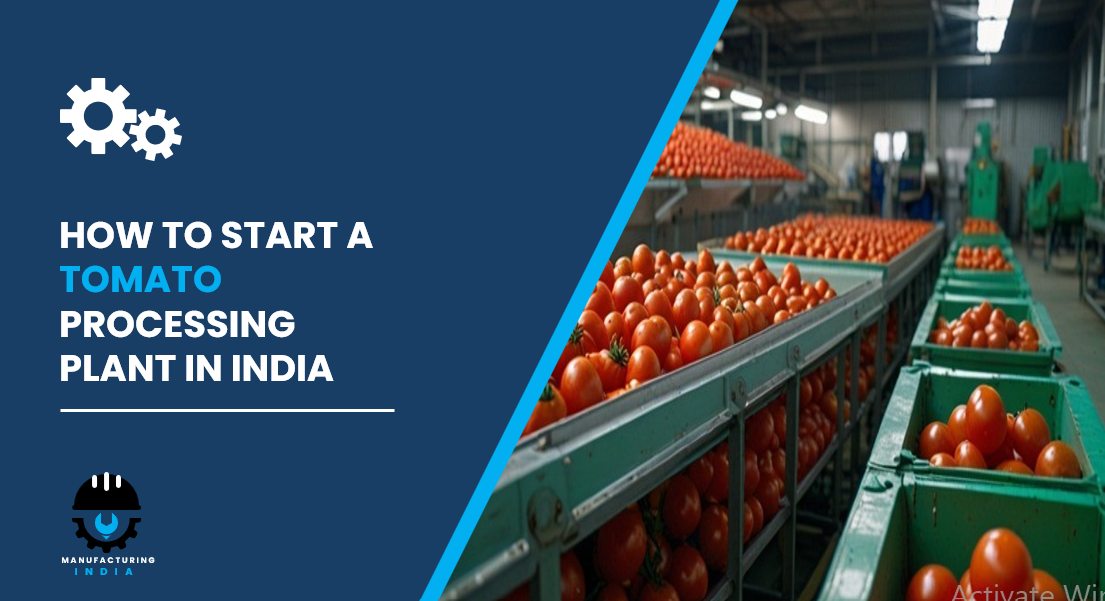
Setting up a tomato processing plant in India presents a compelling investment case driven by the country’s position as one of the world’s largest tomato producers and the rapidly expanding domestic appetite for processed tomato products such as ketchup, sauces, paste, and juices. The shift in consumer preferences toward convenient, ready-to-use food products – combined with growing awareness of the health benefits of tomatoes, particularly their high lycopene and antioxidant content – is accelerating demand across household, foodservice, and retail channels. With the global tomato processing market already volumed at 50.06 million tons in 2025, the domestic opportunity for value-added tomato production is substantial and growing.
India’s agricultural abundance, a well-established tomato farming base across states such as Andhra Pradesh, Maharashtra, Karnataka, and Madhya Pradesh, and its cost-competitive labour and land environment make the country an ideal hub for tomato processing investment. The Make in India initiative, coupled with government focus on food processing infrastructure through schemes such as the Production Linked Incentive (PLI) for food processing, reinforces the strategic soundness of establishing a domestic tomato processing unit. Proximity to raw material supply, a large and growing domestic consumption base, and rising export demand for Indian-origin processed tomato products further strengthen the investment rationale.
A tomato processing plant in India combines feedstock abundance, policy support, and multi-sector demand from food and beverage, catering, and retail industries to deliver a financially viable investment. With gross profit margins of 20–30% and net margins of 8–15%, and a global market projected to reach 66.52 million tons by 2034, this facility presents a sound and scalable opportunity for agri-processing investors.
What is Tomato Processing?
Tomato processing involves converting fresh tomatoes into various value-added products such as tomato paste, ketchup, sauces, juices, and canned tomatoes. The process typically involves washing, peeling, pulping, and heating tomatoes to preserve their shelf life while maintaining nutrient content and flavour. Tomatoes are rich in vitamins such as vitamin C and lycopene, which retain their nutritional value even after processing. The tomatoes undergo various treatments – including blanching and sterilising – before being packaged for consumer use.
The primary production method spans harvesting, washing and sorting, peeling and crushing, concentration, sterilisation, and packaging. Processed tomato products are available in multiple forms including paste, ketchup, juice, sauces, and canned variants depending on end-use requirements. This facility serves a wide range of industries including the food and beverage industry, catering services, retail food packaging, the restaurant industry, and agricultural and farming industries.
Cost of Setting Up a Tomato Processing Plant in India
The total cost of establishing a tomato processing plant in India depends on production capacity, technology selection, plant location, degree of automation, and regulatory compliance requirements.
1. Capital Expenditure (CapEx)
The capital investment required to set up a tomato processing unit covers several major cost components. Land and site development – including land registration, boundary development, and related infrastructure – forms a substantial portion of total CapEx. Investors can consider establishing the unit within food processing SEZs or state industrial estates in Andhra Pradesh, Maharashtra, or Karnataka to benefit from concessional land rates and streamlined approvals. Proximity to tomato farming clusters is essential to minimise raw material transportation costs and ensure fresh feedstock availability during peak harvest seasons.
Civil works and construction costs cover the processing shed, raw material receiving and storage area, quality control laboratory, finished goods cold storage, effluent treatment zone, and administrative block. The facility must be designed in compliance with FSSAI food safety standards and applicable factory safety norms.
Machinery and equipment represent the largest component of total capital expenditure. Key machinery required includes:
- Washing machines
- Peeling and crushing equipment
- Concentration units
- Sterilisation equipment
- Filling and packaging machines
- Quality control systems
Other capital costs include effluent treatment plant (ETP) installation, pre-operative and commissioning expenses, cold storage infrastructure, and utility connection charges for electricity, water, and steam supply.
Request a Sample Report for In-Depth Market Insights: https://www.imarcgroup.com/tomato-processing-plant-project-report/requestsample
2. Operational Expenditure (OpEx)
The operating cost structure of this facility is heavily dominated by raw material procurement. Raw material cost – primarily fresh tomatoes along with aseptic bags and drums for packaging – accounts for approximately 65–75% of total OpEx. Given the seasonal nature of tomato availability and associated price volatility, investors should establish long-term supply contracts with tomato farmers and aggregators located near the plant to stabilise procurement costs and guarantee consistent throughput.
Utility costs, covering electricity, water, and steam – which are central to blanching, sterilisation, and concentration operations – account for 15-20% of OpEx. Other operating costs include transportation and logistics for finished goods, packaging materials, salaries and wages, maintenance and repairs, depreciation of fixed assets, and applicable taxes. By the fifth year of operations, total operational costs are projected to increase meaningfully due to inflation, market fluctuations, potential rises in fresh tomato procurement costs, supply chain disruptions, and rising consumer demand dynamics.
3. Plant Capacity
The proposed processing facility is designed with an annual production capacity of 60,000 MT, enabling economies of scale while maintaining operational flexibility. Capacity can be customised based on investor requirements, market entry strategy, and capital availability. Profitability and unit economics improve significantly with higher capacity utilisation rates, particularly given the high fixed-cost base of food processing infrastructure.
4. Profit Margins and Financial Projections
The tomato processing plant demonstrates healthy profitability potential under normal operating conditions. Gross profit margins typically range between 20-30%, supported by stable demand across food and beverage, retail, and catering segments, as well as the value-added nature of processed outputs relative to raw tomato inputs. Net profit margins are projected in the range of 8-15%. Key financial parameters including NPV, IRR, payback period, liquidity analysis, and sensitivity analysis are covered in detail in the full project report. Break-even for this type of facility depends on scale, raw material pricing, and market demand, and can be assessed through a detailed feasibility study.
Why Set Up a Tomato Processing Plant in India?
Growing Demand for Processed and Convenience Foods. The increasing consumer preference for convenient, ready-to-eat meals and processed foods is a primary driver of growth in this segment. Tomato ketchup, soups, and sauces are popular across both households and the foodservice sector, and this demand is accelerating as urban incomes rise and cooking habits evolve in India’s expanding middle class.
Health Benefits and Nutritional Value. Processed tomatoes retain significant nutritional value, particularly in vitamins, minerals, and antioxidants such as lycopene, which is linked to health benefits including heart health and cancer prevention. Growing consumer awareness of these benefits is actively driving demand for tomato-based products in both retail and institutional channels.
Tomatoes as the World’s Leading Vegetable for Processing. According to the World Processing Tomato Council, the annual production of fresh tomatoes totals around 180 million tonnes globally, with approximately 40 million tonnes being processed in factories by major food industry players – making tomatoes the leading vegetable for processing worldwide. This scale underscores the commercial depth of the tomato processing market and the demand certainty available to new producers.
Technological Advancements in Processing Efficiency. Innovation in tomato processing techniques – including automation, improved sterilisation methods, and enhanced concentration technologies – has elevated product quality, increased yield, and extended shelf life of processed products. These advances allow producers to meet rising demand while maintaining cost efficiency and food safety compliance.
Active Industry Investment. In September 2025, the Kraft Heinz Company, in collaboration with The Conesa Group, opened a new processing plant in Portugal to strengthen its European tomato supply chain – reflecting continued global capacity investment in tomato processing infrastructure and signalling strong long-term confidence in this segment.
Local Supply Chain Preference. Food and beverage companies, catering services, and retail food packagers operating in India are increasingly sourcing processed tomato inputs from domestic suppliers to reduce import dependence, shorten lead times, and ensure freshness. This shift creates a significant commercial window for India-based processors to capture supply relationships with large institutional buyers.
Manufacturing Process – Step by Step
The tomato processing manufacturing process uses harvesting, washing and sorting, peeling and crushing, concentration, sterilisation, and packaging as the primary production method. The process involves multiple unit operations, material handling stages, and quality checks at each step.
- Harvesting and Raw Material Receipt: Fresh tomatoes sourced from contracted farms are received at the plant and evaluated for quality, ripeness, and moisture content before entering the processing line.
- Washing and Sorting: Tomatoes are thoroughly washed to remove soil, pesticide residues, and surface contaminants. Damaged or under-ripe fruits are sorted and removed.
- Peeling and Crushing: Tomatoes undergo mechanical or steam-assisted peeling, followed by crushing to break down the flesh into a workable pulp for downstream concentration.
- Concentration: The tomato pulp is processed through concentration units to reduce water content and achieve the desired Brix level for paste, sauce, or juice applications.
- Sterilisation (Blanching): The concentrated product is subjected to high-temperature sterilisation or blanching to eliminate microbial contamination, extend shelf life, and ensure food safety compliance.
- Quality Control Testing: Analytical instruments are used to monitor product concentration, purity, pH, and stability at critical control points.
- Filling and Packaging: Finished products – including tomato paste, ketchup, sauces, juice, and canned tomatoes – are filled into aseptic bags, drums, bottles, or cans using automated filling and packaging machines.
- Storage and Dispatch: Packaged goods are stored in temperature-controlled finished goods warehouses and dispatched to food and beverage manufacturers, catering services, retail food packagers, and restaurant chains.
Key Applications
The tomato processing plant serves multiple industries with high-volume, recurring demand for tomato-based inputs:
- Food and Beverage Industry: The largest consumer of processed tomatoes, using tomato-based products as integral inputs for soups, sauces, ketchup, and beverages.
- Catering Services and Restaurants: Tomato sauces and ketchup are used extensively in fast food, sandwiches, and pizzas across catering and foodservice operations.
- Retail Food Packaging: Canned tomatoes, tomato paste, and juice are packaged and sold through retail outlets for household consumption, forming a staple in kitchens worldwide.
- Agricultural and Farming Industries: Farmers cultivating tomato varieties suited for industrial use and long shelf life are increasingly aligned with processing units as a stable off-take channel.
Leading Manufacturers
The global tomato processing industry is served by several major multinational companies with extensive production capacities and diversified product portfolios. Key players include:
- Aylmer Family Farm
- BASF SE
- Bayer AG
- Blue River Produce
- Campbell Soup Company
- Casalasco Società Agricola S.p.A.
- COFCO Tunhe Tomato Co., Ltd.
- Conagra Brands, Inc.
- Del Monte Foods, Inc.
Timeline to Start the Plant
- Feasibility study and project report preparation
- Land acquisition and site development
- Regulatory approvals and environmental clearances
- Factory licence and fire safety compliance
- Machinery procurement and installation
- Raw material supplier agreements and supply chain setup
- Trial production and quality testing
- Commercial production launch
Licences and Regulatory Requirements
Starting a tomato processing manufacturing unit in India requires several approvals:
- Business registration (Proprietorship, LLP, or Pvt Ltd)
- Factory Licence under the Factories Act
- Environmental Clearance from State Pollution Control Board
- GST Registration
- Fire Safety NOC
- FSSAI (Food Safety and Standards Authority of India) licence – mandatory for all food processing operations
- Effluent Treatment Plant (ETP) operational clearance
- Occupational Health and Safety compliance
Key Challenges to Consider
High Capital Requirements. Machinery costs – including washing machines, concentration units, sterilisation equipment, and automated filling and packaging systems – represent the largest share of CapEx, requiring careful upfront financial planning and access to institutional funding.
Raw Material Price Volatility. Fresh tomatoes, which account for 65–75% of total OpEx, are subject to seasonal price swings and harvest variability. Managing procurement through long-term contracts with tomato farmers and aggregators is essential to protect margins.
Regulatory Compliance. Meeting FSSAI food safety standards, State Pollution Control Board clearances, ETP requirements, and applicable food-grade facility norms involves ongoing compliance investment and documentation obligations.
Technology and Innovation Pressure. Growing consumer interest in organic and non-GMO tomato products, as well as demand for improved sterilisation and shelf-life technology, requires producers to invest in processing innovation to stay aligned with market expectations.
Competition. Global players such as Campbell Soup Company, Conagra Brands, Inc., Del Monte Foods, Inc., and COFCO Tunhe Tomato Co., Ltd. maintain strong market positions. Domestic producers must differentiate on freshness, localisation, and product customisation.
Skilled Manpower. Operating concentration units, sterilisation lines, and quality assurance systems to food safety standards requires technically trained personnel, which can present sourcing and retention challenges in areas outside established food processing clusters.
Frequently Asked Questions
1. How much does it cost to set up a tomato processing plant in India? The total investment depends on production capacity, technology selection, location, and automation level. Key cost components include land and site development, civil construction, machinery (washing machines, concentration units, sterilisation equipment, packaging machines), utilities, and working capital. A detailed feasibility report provides capacity-specific CapEx and OpEx estimates.
2. Is tomato processing manufacturing profitable in India in 2026? Yes. The facility demonstrates gross profit margins of 20–30% and net profit margins of 8–15% under normal operating conditions. Profitability improves with higher capacity utilisation and effective fresh tomato procurement cost management.
3. What machinery is required for a tomato processing plant in India? Key equipment includes washing machines, peeling and crushing equipment, concentration units, sterilisation equipment, filling and packaging machines, and quality control systems.
4. What licences and approvals are required to start a tomato processing plant in India? Required approvals include business registration, Factory Licence under the Factories Act, Environmental Clearance from the State Pollution Control Board, FSSAI food safety licence, GST registration, Fire Safety NOC, ETP operational clearance, and Occupational Health and Safety certification.
5. What raw materials are needed for tomato processing manufacturing? The primary raw material is fresh tomatoes. Supporting materials include aseptic bags and drums used for packaging finished products such as tomato paste, ketchup, juices, and sauces.
6. What are the environmental compliance requirements for a tomato processing plant in India? Operators must obtain Environmental Clearance, maintain an operational Effluent Treatment Plant to manage high-volume wastewater from washing and sterilisation processes, and comply with State Pollution Control Board guidelines on effluent discharge standards.
7. What is the best location to set up a tomato processing plant in India? Ideal locations offer proximity to fresh tomato farming clusters, reliable cold chain and transport connectivity, and access to industrial estates. Andhra Pradesh, Maharashtra, Karnataka, and Madhya Pradesh are well-suited given their significant tomato cultivation base and food processing infrastructure.
8. What is the break-even period for this type of plant in India? Break-even depends on production scale, raw material pricing, capacity utilisation, and prevailing market demand. The detailed project report includes a payback period analysis, NPV, and IRR projections to guide investment decisions.
9. What government incentives are available for manufacturers in India? Food processing manufacturers in India may benefit from PLI scheme incentives for the food processing sector, capital subsidies under state industrial promotion policies, tax exemptions, reduced utility tariffs, and export-linked benefits. Make in India and MSME development schemes may provide additional support.
Key Takeaways for Investors
The tomato processing plant opportunity in India is underpinned by robust, multi-sector demand from the food and beverage industry, catering services, retail food packaging, and restaurant channels – all of which depend on a reliable, high-quality domestic supply of processed tomato products. The financial profile is sound across plant capacities, with gross margins of 20-30% and net margins of 8-15%, supported by India’s abundant tomato agricultural base and a cost-competitive processing environment. The global tomato processing market, currently at 50.06 million tons in 2025, is projected to reach 66.52 million tons by 2034 at a CAGR of 3.2%, indicating a long and stable demand runway for domestic producers. As consumer preferences shift further toward convenience foods, health-focused nutrition, and locally sourced processed products, tomato processing in India is positioned as a durable, growth-aligned investment opportunity with strong demand visibility across the decade ahead.
About the Author