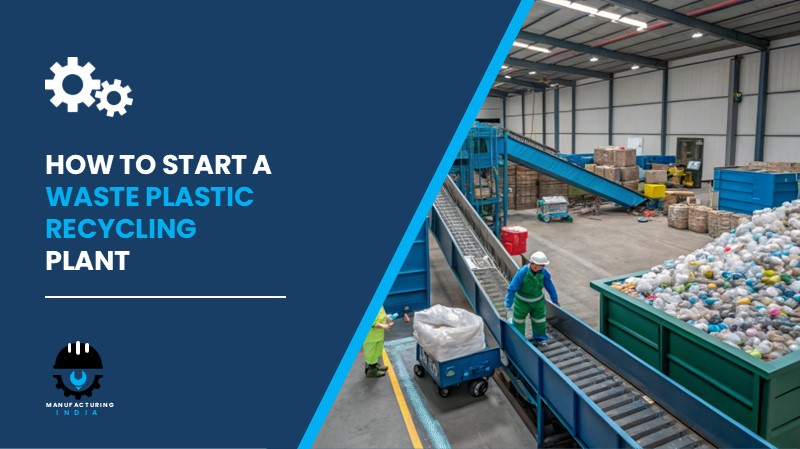
Starting a waste plastic recycling plant can be a profitable venture given the consistent demand for recycled plastic materials and the growing environmental concerns worldwide. This comprehensive guide will walk you through every step of establishing your waste plastic recycling business.
Market Overview
The waste plastic recycling industry continues to grow steadily due to increasing consumption of plastic products in both urban and rural areas. The business enjoys universal appeal across various sectors and is essential for environmental sustainability and resource conservation. With proper planning and execution, a waste plastic recycling plant can achieve sustainable profitability.
Step 1: Conduct Market Research and Feasibility Study
Before investing in a waste plastic recycling plant, thorough market research is essential. Analyze the local and regional demand for recycled plastic materials, identify your target customer segments including plastic manufacturers, packaging companies, construction firms, and product manufacturers. Study your competitors to understand their service offerings, pricing strategies, and market positioning. Evaluate the availability of waste plastic sources, particularly from urban areas and industrial zones, in your region and assess potential distribution channels for recycled materials.
Step 2: Develop a Comprehensive Business Plan
A detailed business plan serves as your roadmap to success. Define your business objectives, processing capacity, and target market segments. Outline your marketing and sales strategies, including branding, collection services, and distribution plans for recycled materials. Include financial projections covering initial investment, operational costs, revenue forecasts, and break-even analysis. Your business plan should also address potential risks and mitigation strategies.
Step 3: Legal Registration and Licensing
Registering your business and obtaining necessary licenses is a critical step. Choose an appropriate business structure such as proprietorship, partnership, or private limited company. Register your business with the Registrar of Companies or appropriate authority. Obtain authorization from the Central Pollution Control Board (CPCB) or State Pollution Control Board (SPCB), which is mandatory for plastic recycling businesses. Apply for GST registration, trade license from local municipal authorities, and environmental clearance certificate. Depending on your scale of operation, you may also need to register under the MSME scheme and obtain additional certifications like ISO 14001 for environmental management and plastic recycling standards for quality assurance.
Step 4: Arrange Finance and Investment
Determine your total capital requirement including land, building, machinery, equipment, and working capital. Explore various financing options such as bank loans, government subsidies under schemes supporting environmental protection and waste management industries, private investors, or self-financing. Prepare detailed project reports to present to financial institutions and ensure you maintain adequate working capital for smooth operations during the initial phase.
Request a Sample Report for In-Depth Market Insights: https://www.imarcgroup.com/waste-plastic-recycling-plant-project-report/requestsample
Step 5: Select Suitable Location and Infrastructure
Location plays a vital role in recycling success. Choose a site with good connectivity to waste plastic collection sources, particularly urban and industrial regions. Ensure availability of adequate power supply, water, and transportation facilities. The location should comply with industrial zoning regulations and have sufficient space for collection, processing, storage, and future expansion. Consider proximity to your target market and recycled material buyers to minimize transportation costs.
Step 6: Design Factory Layout and Construction
Plan your factory layout efficiently to optimize processing flow. Designate separate areas for waste plastic collection and sorting, washing and cleaning section, shredding and granulating area, melting and extrusion zone, pelletizing section, quality control and testing area, recycled materials warehouse, and administrative office. Ensure compliance with CPCB/SPCB regulations regarding waste recycling premises. The facility should have proper ventilation, lighting, drainage systems, and wastewater treatment facilities. Include adequate space for worker amenities and safety equipment.
Step 7: Procure Machinery and Equipment
The machinery required for waste plastic recycling includes collection and sorting equipment, plastic washing machine, conveyor systems, shredding machine, crusher and grinder, agglomerator, extruder machine, pelletizing machine, cooling system, water treatment plant, storage silos, and packaging equipment. Additionally, you’ll need quality control equipment like melt flow index tester, density analyzer, moisture meter, and material testing apparatus. Choose machinery based on your processing capacity and automation level desired.
Step 8: Establish Waste Plastic Supply Chain
Waste plastic recycling requires consistent supply of plastic waste. The primary sources include post-consumer plastic waste (bottles, containers, bags), post-industrial plastic scrap, plastic films and sheets, rigid plastics (PET, HDPE, PP, LDPE), mixed plastic waste, plastic packaging materials, agricultural plastic waste, and rejected or defective plastic products. Establish reliable relationships with waste collectors, municipal corporations, commercial establishments, industrial units, and plastic manufacturers. Consider establishing convenient collection centers and pickup services to ensure steady supply of waste plastic.
Step 9: Hire and Train Workforce
Recruit skilled personnel for various roles including operations manager, environmental compliance officer, sorting and segregation staff, machine operators, quality control officer, washing and cleaning personnel, maintenance technician, and administrative staff. Provide comprehensive training on environmental safety practices, equipment operation, plastic identification and sorting, and occupational health protocols. Ensure all workers understand CPCB/SPCB guidelines and safe recycling practices. Regular refresher training programs help maintain safety and efficiency standards.
Step 10: Develop Processing Methods and Procedures
Creating the right processing procedures is crucial for operational success. Work with environmental engineers and recycling experts to develop your waste plastic processing methodology. Focus on achieving maximum material recovery, high-quality recycled output, environmental compliance, and operational efficiency. Ensure consistency in sorting accuracy, washing effectiveness, pellet quality, and material properties. Consider developing specialized capabilities for processing specific plastic types like PET, HDPE, PP, or LDPE to maximize profitability and meet market demands.
Step 11: Implement Quality Control Measures
Quality assurance is paramount in plastic recycling. Establish a quality control laboratory with necessary testing equipment. Implement standard operating procedures for all stages of processing. Conduct regular testing of incoming waste plastic, in-process checks, and quality verification of recycled pellets or granules. Monitor parameters like material purity, contamination levels, melt flow index, density, moisture content, and mechanical properties. Maintain detailed processing records and implement traceability systems for different plastic grades.
Step 12: Design Branding and Market Positioning
Strong branding and market positioning differentiate your business in the competitive recycling market. Create awareness about sustainable plastic recycling and your quality standards. Design informative materials that comply with environmental regulations including product specifications, plastic grades available, quality certifications, and environmental benefits. Create a memorable brand name and logo. Consider product categories suitable for different market segments including recycled pellets for manufacturers, granules for specific applications, and customized recycled materials for specialized industries.
Step 13: Set Up Collection and Distribution Network
Effective collection ensures steady supply of waste plastic for processing. Identify and establish collection points, aggregation centers, and partnerships with waste collectors in your target regions. Set up relationships with municipalities, commercial establishments, and industrial units for bulk supply. Establish connections with buyers of recycled plastic including plastic manufacturers, packaging companies, construction material producers, and product manufacturers. Develop a logistics system for efficient collection and delivery of recycled materials. Provide competitive pricing and reliable quality to your customers.
Step 14: Implement Marketing Strategies
Create awareness and demand for your recycled products through strategic marketing. Utilize digital marketing including social media campaigns, website presence, and online advertising. Engage in traditional marketing through print media, environmental events, and industry exhibitions. Participate in sustainability conferences and recycling trade fairs. Offer quality assurance programs, sample testing services, and long-term supply agreements. Build relationships with environmental organizations, industry associations, and government bodies for endorsements and collaborations. Emphasize the environmental and cost benefits of using recycled plastic materials.
Profitability and Growth Potential
The waste plastic recycling business offers good profit margins when managed efficiently. Focus on optimizing processing costs, maintaining high-quality output, and building strong market presence. As your business grows, consider expanding processing capacity, investing in advanced recycling technologies, diversifying into different plastic types, and exploring international markets for recycled materials. Continuous innovation in processing methods, quality improvement, collection strategies, and value-added products will help sustain long-term growth.
About the Author