Setting up an areca nut processing plant in India presents a compelling investment case as the country rapidly emerges as one of the most cost-competitive and high-demand destinations for agricultural processing and value-added products manufacturing. Driven by booming demand from the food & beverage, cosmetics & personal care, healthcare, and biodegradable packaging industries, areca nut products have become an indispensable part of India’s traditional and eco-friendly economy.
“With over 1.4 billion consumers, a rapidly growing sustainability movement, Make in India policy support, and a booming natural products sector, India offers one of the most financially attractive environments for areca nut processing with gross margins of 20-30% and strong market potential in traditional and eco-friendly applications.”
What is Areca Nut?
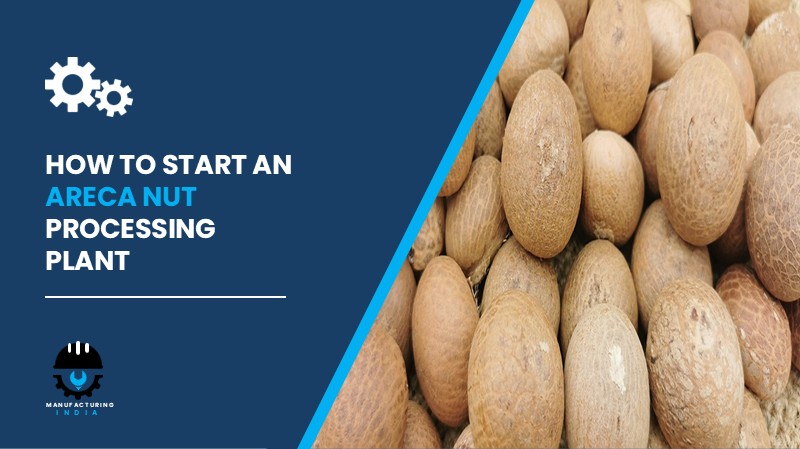
Areca nut is the seed of the areca palm (Areca catechu), commonly grown in tropical regions of Asia, Africa, and the Pacific Islands. It has a hard, fibrous outer shell and a soft, chewy inner seed. Areca nuts are consumed in various forms, often in combination with betel leaves, as part of a traditional chewing habit in many cultures. They contain alkaloids such as arecoline, which have stimulant properties.
Apart from being consumed as a chewable stimulant, areca nuts are also used in traditional medicine, cosmetics, and biodegradable products such as cutlery and packaging. The increasing push for eco-friendly, biodegradable alternatives to plastic products is further accelerating areca nut demand across both urban and rural markets in India and globally.
Request for a Sample Report: https://www.imarcgroup.com/areca-nut-processing-plant-project-report/requestsample
Cost of Setting Up an Areca Nut Processing Plant in India
The areca nut processing plant cost in India depends on several parameters including processing capacity, technology used, plant location, level of automation, and regulatory compliance. Here is a structured breakdown of all major cost components:
1. Capital Expenditure (CapEx)
The total capital investment in an areca nut processing plant typically covers the following:
Land and Site Development
This includes land acquisition, boundary development, land registration charges, and basic site preparation. Cost varies significantly depending on whether the land is in an industrial estate, Special Economic Zone (SEZ), or a privately purchased plot in areca nut growing regions.
Civil Works and Construction
Building costs cover the main processing shed, drying area, raw material storage, quality control laboratory, administrative block, and worker amenities. Construction specifications depend on plant scale and local compliance norms.
Machinery and Equipment
This is the single largest component of CapEx. Key machinery required for an areca nut processing plant includes:
- Harvesting Equipment
- Drying Systems (solar dryers, mechanical dryers)
- Peeling & Shelling Machines
- Cutting & Slicing Equipment
- Grinding/Milling Machines
- Molding & Shaping Machines (for biodegradable products)
- Packaging Machines
- Quality Control Equipment
- Waste Management Systems
Machinery costs represent the largest share of overall capital expenditure, reflecting the precision required in processing natural agricultural products to maintain quality and safety standards.
Other Capital Costs
These include pre-operative expenses, commissioning charges, import duties (if machinery is sourced internationally), utilities installation, fire safety systems, and effluent treatment setup.
2. Operational Expenditure (OpEx)
Once the plant is commissioned, the ongoing cost structure is dominated by a few key components:
Raw Material Cost (Raw Areca Nuts): 75-80% of Total OpEx
Raw areca nuts are the primary raw material and account for the majority of operating expenses. Additional materials may include food-grade flavors, scents, and catechu (for processing) depending on the final application.
Utility Cost: 10-15% of Total OpEx
Utilities include electricity (consumed by drying systems, grinding machines, and processing equipment), water (used in washing and processing), and fuel for drying operations.
Other Operating Costs
The remaining budget covers transportation, packaging materials, salaries and wages, maintenance, depreciation, taxes, and miscellaneous overhead.
3. Plant Capacity
The proposed processing facility is designed with an annual processing capacity of 2,000 Metric Tons. This capacity allows the plant to achieve economies of scale while maintaining flexibility to serve multiple end-use segments including traditional consumption, health supplements, cosmetics, and biodegradable product manufacturing.
Smaller setups with limited automation may start at a lower capacity, but profitability significantly improves with higher capacity utilization and value-added product development.
4. Profit Margins and Financial Projections
- Gross Profit Margin: 20-30%
- Net Profit Margin: 10-18%
- Break-Even Period: 3 to 5 years, depending on processing scale, market demand, raw material cost management, and sales efficiency.
Financial projections must account for capital investment, operating costs, capacity utilization rates, pricing trends, and demand outlook. A thorough analysis should also include sensitivity analysis, Net Present Value (NPV), Internal Rate of Return (IRR), and Payback Period.
Why Set Up an Areca Nut Processing Plant in India?
India presents a uniquely favorable environment for establishing an areca nut processing plant:
Abundant Domestic Supply
India is one of the world’s largest producers of areca nuts, with major cultivation in Karnataka, Kerala, Assam, and other southern states. This ensures consistent raw material availability at competitive prices, reducing dependency on imports and supply chain risks.
Growing Demand for Eco-Friendly Products
With rising awareness about environmental issues and sustainability, areca nut products—especially biodegradable items like plates, cutlery, and packaging—are gaining massive popularity. According to UNEP, annually, 19 to 23 million tons of plastic waste are dumped into aquatic ecosystems. The demand for biodegradable alternatives positions areca nut processing as a sustainable business opportunity.
Traditional and Cultural Significance
Areca nuts continue to be an integral part of traditional practices in many Asian countries, with consistent demand in domestic and export markets. The cultural significance ensures stable baseline demand alongside emerging modern applications.
Policy and Regulatory Support
The Government of India’s emphasis on sustainable manufacturing, plastic waste reduction, Make in India initiative, and support for agricultural value addition is creating a policy-friendly environment for areca nut processors.
Cost-Competitive Manufacturing
India offers competitive land costs, a large pool of skilled agricultural workers, and a well-established supply chain for agricultural processing, making it one of the most cost-effective locations for areca nut processing in Asia.
Export Opportunities
India-based processors can tap into growing export demand from Middle East, Southeast Asia, Europe, and North America, where demand for natural, traditional products and biodegradable alternatives is increasing rapidly.
Manufacturing Process Overview
The areca nut processing procedure involves several key stages:
Harvesting
Mature areca nuts are harvested from areca palm trees, typically when they reach optimal maturity for processing. Proper timing ensures quality and reduces post-harvest losses.
Drying
Fresh areca nuts undergo drying to reduce moisture content and prevent microbial growth. Both solar drying and mechanical drying methods are employed based on scale and weather conditions.
Peeling & Shelling
The outer fibrous shell is removed using specialized peeling and shelling machinery, separating the edible kernel from the waste material.
Cutting & Slicing
Peeled nuts are cut or sliced according to end-use requirements—whole kernels for traditional consumption, sliced pieces for easier chewing, or finely cut for further processing.
Grinding
For applications in health supplements or cosmetics, areca nuts are ground into fine powder form using milling equipment with controlled particle size distribution.
Molding & Shaping
For biodegradable product manufacturing, areca nut materials are molded into plates, cups, or cutlery using specialized molding equipment and heat treatment.
Packaging
Final products are packaged in appropriate materials—moisture-resistant bags for kernels, sealed containers for powder, or protective packaging for biodegradable products—to ensure product quality during storage and distribution.
Key Applications of Areca Nut Products
Areca nut products manufactured in India serve a wide variety of end-use industries:
Food and Beverage
Areca nuts are commonly used in traditional snacks and consumed with betel leaves in many Asian countries. They are also used in food and beverage products for their stimulant properties, such as in chewing mixes and health tonics.
Cosmetics and Personal Care
Areca nut extracts are utilized in cosmetics, particularly for hair care products. It is believed to stimulate hair growth and improve scalp health. Additionally, areca nuts are used in skin care products for their antioxidant and anti-aging properties.
Healthcare and Traditional Medicine
Areca nut is widely used in traditional medicine, particularly in Ayurveda and Chinese medicine. It is believed to have various therapeutic properties, including promoting digestion, enhancing cognitive function, and serving as an anti-parasitic agent.
Biodegradable Products
The husks of areca nuts are increasingly used to manufacture eco-friendly products like disposable cutlery, plates, and packaging materials—a rapidly growing segment driven by environmental concerns and plastic ban regulations.
Agriculture
Areca nuts, particularly the powdered form, are sometimes used in agriculture as a natural pest control agent. Its properties are believed to repel insects and pests, helping reduce the need for chemical pesticides.
Global Market Outlook
The global areca nut market was valued at USD 12.92 Billion in 2025 and is projected to reach USD 20.39 Billion by 2034, growing at a CAGR of 5.2% from 2026 to 2034. This sustained growth is driven by increasing demand for traditional products, rising adoption of biodegradable alternatives, expanding health supplement markets, and growing awareness of natural ingredients in cosmetics.
Leading Areca Nut Processors
Leading processors in the global areca nut industry include:
- GM Group
- Surya Exim
- K. TRADING
- Biotan Pharma
- Shri Ganesh Prasad Traders
- Marlene Traders Co., Ltd.
These companies serve diverse end-use sectors including food & beverage, cosmetics & personal care, healthcare, agriculture, and packaging applications.
Timeline to Start an Areca Nut Processing Plant
Setting up an areca nut processing plant from ideation to commissioning typically requires 12 to 18 months. This covers:
- Feasibility study and project report preparation
- Land acquisition and site development
- Regulatory approvals and environmental clearances
- Factory license and fire safety compliance
- Machinery procurement and installation
- Trial production and quality testing
- Commercial production launch
Licenses and Regulatory Requirements
Starting an areca nut processing unit in India requires several approvals, including:
- Business registration (Proprietorship, LLP, or Private Limited Company)
- Factory License under the Factories Act
- Environmental Clearance from the State Pollution Control Board
- GST Registration
- Fire Safety NOC
- FSSAI Approval (for food-grade applications)
- Trademark Registration (for branded products)
- Import-Export Code (for export-oriented units)
Key Challenges to Consider
Before investing, entrepreneurs should be aware of the common challenges in this business:
Seasonal Raw Material Availability
Areca nut harvesting is seasonal, requiring effective procurement strategies and storage infrastructure to ensure year-round processing operations.
Quality Control and Standardization
Maintaining consistent quality across batches requires stringent quality control systems, especially for food-grade and pharmaceutical applications where purity standards are critical.
Market Education
For biodegradable products, significant market education and awareness campaigns are needed to shift consumer preferences from plastic to eco-friendly alternatives.
Price Fluctuations
Raw areca nut prices can fluctuate based on harvest conditions, demand-supply dynamics, and regional market factors, directly impacting margins.
Competition from Imports
Low-cost imports from neighboring countries can create pricing pressure, requiring clear differentiation through quality, certifications, and brand positioning.
Recent Industry Developments
October 2025: The Directorate General of Foreign Trade (DGFT) of India imposed import regulations for areca nuts to protect domestic producers from low-priced imports. The new rules mandate that raw areca nuts and roasted areca nut seeds cannot be imported if their CIF value is below INR 351/kg (USD 3.82).
March 2024: Myanmar agreed to export 200 tons of dried areca nuts monthly to India over the next three years. The deal, facilitated by Myanmar’s Areca Nut Entrepreneurs Association and India’s Lax Corporation Co Ltd, follows a successful initial shipment of 17 tons.
Frequently Asked Questions
The following questions are addressed in detail:
- How much does it cost to set up an areca nut processing plant in India?
- Is areca nut processing profitable in India in 2026?
- What machinery is required for an areca nut processing plant in India?
- What licenses and approvals are required to start an areca nut processing plant in India?
- How long does it take to commission an areca nut processing plant in India?
- What is the best state or location to set up an areca nut processing plant in India?
- What government incentives are available for areca nut processors in India?
- What is the break-even period for an areca nut processing plant in India?
- What are the FSSAI and quality compliance requirements for areca nut processing in India?
Key Takeaways for Investors
The areca nut processing industry in India represents a strong and scalable investment opportunity backed by abundant raw material availability, growing domestic and export demand, and supportive government policy. With gross margins of 20-30% and net margins of 10-18%, combined with the growing trend toward biodegradable products and natural ingredients, an areca nut processing plant cost in India remains competitive and financially viable across processing capacities.
The combination of traditional demand stability and emerging modern applications in eco-friendly products positions areca nut processing as a sustainable and profitable venture for entrepreneurs and investors committed to quality processing and market development.
About the Author