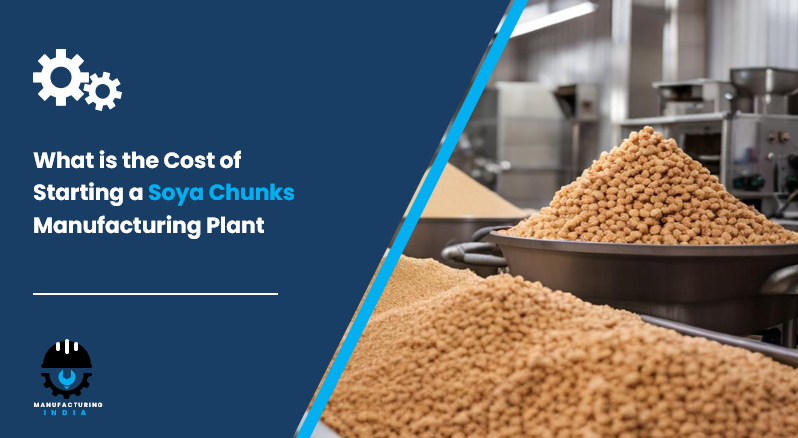
Soya chunks, also known as textured vegetable protein (TVP) or soy meat, have become increasingly popular as a protein-rich meat alternative. The growing demand for plant-based protein sources, driven by health consciousness, vegetarian lifestyles, and environmental concerns, makes soya chunks manufacturing plant a promising business opportunity. Understanding the comprehensive cost structure and step-by-step process is essential for entrepreneurs looking to enter this industry.
Soya chunks are produced from defatted soy flour, a by-product of soybean oil extraction. The manufacturing process involves texturizing this flour through extrusion cooking, which gives the product its characteristic meat-like texture. The final product is highly nutritious, containing significant amounts of protein, fiber, and essential minerals while being cholesterol-free and low in fat.
Market Research and Feasibility Study
Before investing in a soya chunks manufacturing plant, conducting thorough market research is crucial. This initial phase involves analyzing local and regional demand, identifying target customers including retailers, wholesalers, and institutional buyers, and studying competitor pricing strategies. A detailed feasibility study should assess the availability of raw materials, particularly defatted soy flour, and evaluate transportation logistics for both procurement and distribution.
The market research phase also requires understanding consumer preferences, packaging requirements, and seasonal demand variations. This groundwork helps in making informed decisions about plant capacity, production targets, and marketing strategies.
Land and Building Infrastructure
Establishing a manufacturing plant requires suitable land in an industrial area with proper connectivity and utilities. The facility needs adequate space for production areas, raw material storage, finished goods warehousing, packaging sections, and administrative offices. The building should comply with food safety regulations and include proper ventilation, drainage systems, and pest control measures.
The infrastructure must accommodate the installation of heavy machinery, ensure smooth material flow, and provide sufficient space for quality control laboratories. Proper flooring, walls with washable surfaces, and adequate lighting are essential for maintaining hygiene standards required in food processing.
Machinery and Equipment Investment
The core of soya chunks manufacturing lies in the machinery required for the extrusion process. The primary equipment includes an extruder machine, which is the heart of the operation, transforming defatted soy flour into textured chunks through heat and pressure. Additional machinery includes mixing equipment for blending raw materials, a dryer for removing moisture from extruded products, and cooling systems to bring the product to ambient temperature.
Supporting equipment encompasses grinding mills for particle size reduction, sieving machines for separating different sizes, and packaging machinery for automated filling and sealing. Material handling equipment like conveyors, elevators, and storage silos streamline the production process and reduce manual labor.
Quality control equipment including moisture meters, protein analyzers, and texture testing instruments ensure consistent product quality. The choice between fully automated and semi-automated systems significantly impacts the initial investment and ongoing operational efficiency.
Request for a Sample Report: https://www.imarcgroup.com/soya-chunks-manufacturing-plant-project-report/requestsample
Raw Material and Inventory Costs
The primary raw material for soya chunks manufacturing is defatted soy flour, obtained after oil extraction from soybeans. Establishing relationships with reliable suppliers ensures consistent quality and pricing. Initial inventory investment includes procuring sufficient raw materials to maintain uninterrupted production during the initial months.
Additional ingredients may include permitted food additives, flavoring agents, and fortificants depending on product specifications. Packaging materials such as food-grade plastic bags, cartons, and labeling materials constitute another significant inventory component. Maintaining buffer stock protects against supply chain disruptions and price fluctuations.
Utilities and Operational Infrastructure
Running a soya chunks manufacturing plant requires substantial utility connections. Electricity powers the extruder and other machinery, with requirements varying based on production capacity. Water is essential for cleaning, processing, and maintaining hygiene standards. Adequate backup power arrangements through generators ensure production continuity during power outages.
Fuel requirements for the boiler or thermal heaters that support the extrusion process add to operational costs. Proper waste management systems for handling manufacturing waste and wastewater treatment facilities ensure environmental compliance. These utility setups represent both initial installation costs and ongoing operational expenses.
Licensing, Permits, and Compliance
Food manufacturing businesses must obtain various licenses and permits before commencing operations. The FSSAI license is mandatory for food processing, with the category depending on production scale. State-level factory licenses, pollution control clearances, and fire safety certificates are essential regulatory requirements.
Trade licenses from local municipal authorities, GST registration for tax purposes, and specific permits related to food safety and quality standards must be secured. The cost of obtaining these licenses varies by location and plant capacity. Engaging consultants or legal experts for navigating the regulatory landscape can expedite the approval process.
Human Resource and Training
Skilled and unskilled workers form the backbone of manufacturing operations. The workforce includes production supervisors, machine operators, quality control personnel, maintenance technicians, and packaging staff. Administrative staff handle accounts, inventory management, sales, and marketing functions.
Initial recruitment costs, salary structures, and statutory benefits constitute the human resource investment. Training programs for workers on machine operation, safety protocols, hygiene practices, and quality standards ensure smooth operations. Investing in employee development improves productivity and product consistency.
Marketing and Distribution Setup
Creating brand awareness and establishing distribution channels requires strategic marketing investment. Developing attractive packaging designs, creating brand identity, and registering trademarks protect the business and appeal to consumers. Initial marketing campaigns through various media channels introduce the product to target markets.
Setting up a distribution network involves identifying distributors, wholesalers, and retail chains. Creating sample products for market testing and promotional activities facilitates market entry. Participating in trade fairs and food exhibitions builds industry connections and customer base.
Working Capital Requirements
Working capital covers day-to-day operational expenses during the initial months before revenue generation stabilizes. This includes raw material procurement, utility bills, employee salaries, maintenance costs, and other recurring expenses. Adequate working capital prevents production disruptions and maintains business continuity.
The working capital requirement typically covers several months of operations, allowing the business to establish market presence and build customer relationships. This buffer is crucial for managing payment cycles with suppliers and customers.
About the Author