Introduction
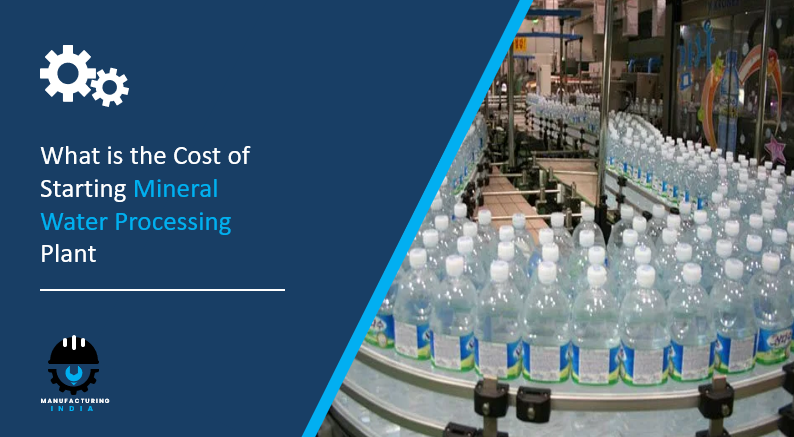
The mineral water processing industry has emerged as one of the most lucrative business opportunities in the modern beverage sector. With increasing health consciousness, concerns about water contamination, and the growing demand for safe drinking water, entrepreneurs are recognizing the immense potential in establishing mineral water processing plant. This business not only addresses a fundamental human need but also offers substantial profit margins when executed with proper planning and operational excellence.
A mineral water processing plant differs from manufacturing in its focus on purifying, treating, and packaging water rather than creating it from raw ingredients. The processing aspect emphasizes the transformation of source water into a safe, marketable product through various treatment stages. Whether you envision a small-scale operation serving local communities or an extensive facility with regional distribution, understanding the complete processing cycle from water intake to consumer delivery is crucial for building a successful enterprise. This guide provides comprehensive insights into establishing a mineral water processing plant, covering technical, regulatory, financial, and operational considerations essential for success.
Understanding the Mineral Water Processing Business
The mineral water processing industry operates within a complex ecosystem balancing consumer health needs, environmental sustainability, and regulatory compliance. Processing plants take raw water from various sources and transform it through multiple purification stages into bottled products suitable for human consumption. Unlike simple packaging operations, processing plants must maintain stringent quality standards throughout every stage of water treatment.
Different business models exist within the industry. Some processors focus exclusively on purification and bottling, purchasing water from established sources and concentrating on treatment efficiency and distribution. Others integrate vertically, controlling everything from source development through retail distribution. Contract processing represents another viable model, where facilities process water for multiple brands, leveraging equipment efficiency through higher utilization rates.
Understanding your target market segment determines many operational decisions. Retail consumer markets demand attractive packaging, brand recognition, and widespread distribution networks. Institutional markets including hotels, restaurants, and corporate offices prioritize reliability, competitive pricing, and convenient bulk delivery. Each segment offers distinct advantages with varying profit margins, volume requirements, and service expectations that should align with your business capabilities and growth objectives.
Request for a Sample Report: https://www.imarcgroup.com/mineral-water-processing-plant-project-report/requestsample
Conducting Comprehensive Feasibility Studies
Before committing substantial resources to a mineral water processing plant, conducting thorough feasibility studies minimizes risk while identifying potential challenges and opportunities. Market feasibility examines demand patterns, consumer preferences, competitive intensity, and market gaps where your processing plant can establish competitive advantage. Analyze demographic trends, purchasing power, and consumption habits within your target geography to estimate realistic sales potential.
Technical feasibility assesses the availability and quality of water sources, treatment technologies required to achieve desired water quality, and infrastructure requirements supporting processing operations. Different source waters require varying treatment intensities depending on initial quality parameters. Understanding technical requirements early prevents costly surprises during plant setup and ensures you select appropriate equipment for your specific circumstances.
Financial feasibility evaluates total investment requirements against projected revenues and profitability timelines. Develop detailed cost structures encompassing capital investments, operating expenses, and working capital needs. Compare these against conservative revenue projections based on realistic production capacity, pricing strategies, and market penetration rates. Financial feasibility analysis reveals whether the business opportunity justifies the required investment and identifies optimal facility sizing for your available resources.
Selecting Strategic Processing Plant Location
Location selection profoundly impacts your processing plant’s operational efficiency, costs, and market accessibility. Proximity to water sources reduces transportation costs and simplifies logistics for continuous water supply. However, market access requires balancing source proximity against nearness to population centers representing your customer base. Industrial areas often provide cost advantages through lower land costs and existing infrastructure while maintaining reasonable access to both sources and markets.
Infrastructure availability significantly influences location decisions. Reliable electricity supply powers pumps, treatment equipment, and bottling machinery essential for continuous operations. Three-phase power connections accommodate high-capacity industrial equipment. Water availability beyond your primary source supports cleaning, sanitation, and cooling requirements. Transportation connectivity through highways or rail facilitates raw material delivery and finished product distribution across your service area.
Regulatory considerations include zoning compliance ensuring your location permits industrial processing operations. Environmental regulations governing water extraction, wastewater discharge, and emissions require careful evaluation. Some regions offer incentives for establishing processing plants including tax benefits, subsidized land, or infrastructure support. Investigating these opportunities can substantially improve project economics while regions eager to attract industrial investment provide additional support simplifying establishment processes.
Navigating Regulatory Requirements and Compliance
Operating a mineral water processing plant requires navigating complex regulatory frameworks ensuring product safety and environmental protection. Business registration establishes your legal entity, with options including proprietorships for small operations, partnerships for shared ventures, or private limited companies for larger enterprises seeking investment. Each structure offers different liability protection, tax implications, and operational flexibility requiring careful evaluation based on your specific circumstances.
Product quality certifications ensure your processed water meets safety standards for human consumption. Food safety licenses verify that processing methods, equipment, and facilities maintain appropriate hygiene standards. Bureau of Standards certifications for packaged drinking water demonstrate compliance with established quality parameters. Regular testing from accredited laboratories documents ongoing compliance, with reports required for license renewals and regulatory inspections.
Environmental clearances address water extraction permits ensuring sustainable usage that doesn’t deplete sources or harm ecosystems. Pollution control approvals verify that wastewater discharge meets environmental standards. Solid waste management plans document proper handling of packaging waste and treatment residues. Maintaining environmental compliance protects against regulatory penalties while demonstrating corporate responsibility increasingly valued by consumers and stakeholders.
Developing Water Source Relationships
Securing reliable, high-quality water sources forms the foundation of successful processing operations. Source options include underground aquifers accessed through bore wells, natural springs in mountainous regions, municipal water supplies in urban areas, or surface water from rivers and lakes. Each source type presents unique advantages and challenges regarding water quality, treatment requirements, extraction permissions, and supply reliability.
Source water quality fundamentally determines processing complexity and equipment requirements. Groundwater typically requires less intensive treatment than surface water due to natural filtration through soil layers. However, groundwater may contain higher mineral concentrations requiring specific treatment approaches. Surface water often carries higher turbidity and microbiological loads demanding more comprehensive treatment systems but may offer easier extraction permissions in some jurisdictions.
Establishing legal water access requires negotiating with source owners, obtaining extraction permits from water resource authorities, and demonstrating sustainable extraction practices. Long-term supply agreements protect your business from source access disruptions while addressing responsibilities for environmental stewardship. Consider backup sources or multiple extraction points ensuring operational continuity if primary sources encounter problems such as seasonal variations, contamination events, or regulatory changes.
Designing Efficient Processing Facilities
Processing plant layout significantly influences operational efficiency, product quality, and worker safety. Functional zoning separates distinct processing stages preventing cross-contamination while optimizing workflow. Raw water intake and storage areas connect to treatment zones housing purification equipment. Bottling areas maintain strict hygiene standards with controlled access preventing contamination of clean bottles and processed water.
Storage areas require careful planning accommodating raw materials including empty bottles, caps, and labels, plus finished goods awaiting distribution. Temperature-controlled storage may be necessary in extreme climates preventing packaging degradation. Laboratory space supports quality control testing with dedicated areas for microbiological testing requiring isolation from production environments preventing sample contamination.
Building specifications must meet industrial standards including appropriate flooring resistant to water exposure and chemical cleaning agents. Adequate drainage systems prevent water accumulation while properly disposing of washdown water. Ventilation systems maintain air quality removing moisture and any processing fumes. Electrical systems provide reliable power with backup generators ensuring production continuity during outages critical for maintaining delivery schedules and customer commitments.
Selecting Water Treatment Technologies
Treatment system design depends on source water characteristics and desired final product specifications. Multi-barrier treatment approaches employ successive purification stages each targeting specific contaminant categories. Preliminary treatment removes large particles through screens and settling tanks. Primary filtration using sand filters eliminates suspended solids and turbidity providing clarified water for advanced treatment stages.
Advanced purification technologies include reverse osmosis systems forcing water through semi-permeable membranes rejecting dissolved contaminants while allowing water molecules to pass. Activated carbon filtration removes chlorine, organic compounds, and substances affecting taste or odor. Ultraviolet disinfection exposes water to UV light destroying microorganisms without chemical additives. Ozonation provides powerful disinfection while extending product shelf life through residual antimicrobial effects.
Equipment selection balances treatment effectiveness, operational costs, and production capacity requirements. High-quality equipment from established manufacturers ensures reliability minimizing costly downtime from equipment failures. Consider maintenance requirements, spare parts availability, and technical support when evaluating suppliers. Automation levels range from manual systems requiring constant operator attention to fully automated plants monitoring water quality parameters and adjusting treatment automatically maintaining consistent output quality with minimal labor.
Establishing Bottling and Packaging Operations
Bottling operations transfer treated water into containers under hygienic conditions preventing recontamination after processing. Bottle preparation includes inspection removing damaged containers, washing eliminating dust and residues, and rinsing immediately before filling ensuring absolute cleanliness. Filling systems meter precise water volumes while minimizing air exposure. Gravity filling suits lower-speed operations while pressure filling and vacuum filling accommodate higher production rates.
Capping systems seal bottles immediately after filling preventing contamination and maintaining product integrity during storage and distribution. Cap application equipment ranges from manual systems for small operations to automatic high-speed cappers processing thousands of bottles hourly. Different cap types including screw caps, sports caps, and tamper-evident closures require compatible application equipment.
Labeling applies product identification, brand messaging, nutritional information, and regulatory compliance details. Labeling technologies include pressure-sensitive labels, heat-shrink sleeves, and direct printing on bottles. Packaging groups individual bottles into multi-packs or cases facilitating handling throughout distribution chains. Shrink wrapping, carton packing, or crate systems suit different distribution models and customer preferences.
Implementing Quality Assurance Programs
Comprehensive quality assurance encompasses all activities ensuring consistent product safety and quality meeting regulatory standards and customer expectations. Quality control begins with incoming water testing verifying source water meets specifications before processing. Testing parameters include physical characteristics like turbidity and color, chemical composition including mineral content and contaminants, and microbiological indicators detecting harmful organisms.
In-process monitoring tracks treatment effectiveness at each purification stage. Regular sampling confirms equipment performs as designed with treatment targets achieved. Automated monitoring systems continuously measure critical parameters like pressure, flow rates, and disinfectant concentrations. Alerts notify operators when parameters drift outside acceptable ranges enabling immediate corrective action before product quality suffers.
Finished product testing ensures final water quality meets all specifications before packaging and distribution. Comprehensive testing protocols examine chemical composition, microbiological safety, sensory characteristics including taste and odor, and physical properties. Retain samples from each production batch enabling investigation if quality issues emerge after distribution. Statistical process control identifies quality trends supporting continuous improvement initiatives progressively enhancing product consistency and reducing defects.
Building Operational Teams
Successful processing plants depend on skilled personnel executing their responsibilities effectively. Key positions include plant managers overseeing all operations and ensuring regulatory compliance, production supervisors managing daily processing activities and coordinating shifts, equipment operators running treatment and bottling systems, quality control technicians conducting testing and documentation, maintenance staff servicing equipment and preventing breakdowns, and administrative personnel handling business operations.
Comprehensive training programs ensure personnel understand their roles, equipment operation, quality standards, and safety procedures. Technical training covers equipment operation including startup and shutdown procedures, routine monitoring, and basic troubleshooting. Quality training emphasizes testing methodologies, result interpretation, and documentation requirements. Safety training addresses hazard recognition, protective equipment usage, and emergency response procedures.
Standard operating procedures document approved methods for all critical processes ensuring consistency across shifts and personnel. Detailed procedures guide operators through complex tasks while providing references during training. Regular procedure reviews incorporate process improvements and adapt to equipment changes or regulatory updates. Performance evaluation systems assess individual contributions while identifying training needs and recognizing outstanding performers.
Planning Distribution and Logistics
Distribution strategies connect processing facilities with end consumers through various channels. Direct distribution to nearby retailers and institutions provides maximum control and profit margins but demands significant logistics capabilities. Distributor networks extend market reach leveraging established relationships and infrastructure in distant regions. Hybrid approaches combine direct distribution in core markets with distributors for peripheral areas optimizing cost and coverage.
Transportation requirements depend on distribution strategies and service areas. Owned fleet vehicles provide scheduling flexibility and service control but require capital investment and ongoing maintenance. Third-party logistics providers reduce capital requirements while offering flexible capacity adjusting to demand variations. Refrigerated transport protects product integrity in extreme climates preventing bottle degradation from heat exposure.
Warehousing facilities store finished goods organizing inventory for efficient order fulfillment. Strategic warehouse locations near major markets reduce delivery times enabling responsive service. Inventory management systems track stock levels, coordinate replenishment from processing facilities, and optimize allocation across multiple distribution points. First-in-first-out rotation ensures product freshness while minimizing waste from aged inventory approaching expiration dates.
Creating Market Presence and Brand Value
Brand development distinguishes your processed water product in competitive markets building consumer recognition and preference. Comprehensive branding encompasses product naming reflecting desired positioning, logo design creating visual identity, packaging aesthetics conveying quality and values, and brand messaging communicating unique benefits. Consider whether emphasizing purity, natural mineral content, health benefits, or sustainability resonates most effectively with target consumers.
Marketing strategies should employ multiple channels reaching consumers wherever they make purchasing decisions. Digital marketing through websites and social media platforms engages tech-savvy consumers while providing platforms for customer interaction and feedback. Traditional advertising through local media builds awareness in regional markets. Point-of-sale materials at retail locations influence purchasing decisions when consumers compare options.
Promotional activities including sampling programs introduce products to potential customers while discounts and offers encourage trial and repeat purchases. Sponsoring community events, health initiatives, or sports activities builds brand visibility while demonstrating community commitment. Public relations efforts generating media coverage provide credible third-party endorsements more influential than direct advertising for some consumer segments.
Managing Financial Resources and Investment
Comprehensive financial planning addresses capital requirements and ongoing operational costs. Capital investments include land acquisition or long-term leases, facility construction or renovation meeting processing requirements, treatment equipment purchases, bottling and packaging machinery, quality control laboratories, transportation vehicles, and initial inventory. Working capital covers operational expenses during initial periods before achieving positive cash flow from sales.
Operating expenses include utilities especially electricity for pumps and equipment plus water for cleaning and sanitation, raw material costs for bottles, caps, and labels, labor expenses for production and administrative personnel, maintenance costs for equipment servicing and repairs, marketing expenditures building brand awareness and driving sales, distribution costs including transportation and warehousing, and regulatory compliance costs for testing and certifications.
Financial projections model expected performance under various scenarios informing strategic decisions. Revenue projections estimate sales volumes based on production capacity, pricing strategies, market penetration rates, and competitive dynamics. Expense projections account for both fixed costs remaining constant regardless of production levels and variable costs scaling with output volumes. Profitability analysis determines break-even points and expected returns on investment across different time horizons.
Ensuring Environmental Stewardship
Environmentally responsible processing addresses growing sustainability concerns while potentially reducing operational costs. Water conservation measures minimize environmental impact and improve resource efficiency. Treatment system optimization reduces waste water generation while recycling systems treat wastewater for reuse in non-critical applications like exterior cleaning or landscape irrigation where permitted.
Energy efficiency initiatives lower electricity consumption and carbon footprint. Energy-efficient equipment, optimized production scheduling, and power factor correction reduce utility costs while supporting environmental goals. Renewable energy integration through solar panels or other technologies offsets conventional power usage particularly in regions with favorable renewable resource availability.
Waste minimization strategies reduce environmental impact while controlling disposal costs. Optimize filling accuracy preventing product waste. Recycling programs handle packaging waste, plastic production scraps, and other recyclable materials. Partner with specialized waste management services for materials requiring special handling ensuring proper disposal rather than environmental contamination.
Leveraging Technology for Competitive Advantage
Modern processing plants incorporate advanced technologies improving efficiency, quality, and competitiveness. Process automation through programmable controllers coordinates equipment operation ensuring proper sequencing and optimal parameter settings. Automated systems respond rapidly to process variations maintaining consistent quality with reduced labor requirements.
Real-time monitoring systems provide operational visibility tracking production rates, equipment efficiency, quality metrics, and resource consumption. Data analytics identify optimization opportunities revealing patterns in equipment performance, process bottlenecks, or quality variations enabling targeted improvements progressively enhancing productivity and reducing costs.
Enterprise software integrates various business functions including inventory management tracking materials and finished goods, production planning scheduling manufacturing activities, quality management documenting testing and compliance, and financial systems managing accounting and reporting. Integrated systems eliminate information silos enabling informed decision-making based on comprehensive business intelligence.
Planning Sustainable Growth
Strategic growth planning ensures your processing business scales effectively capturing market opportunities while managing risks. Capacity expansion through additional equipment or shift additions accommodates increasing demand without requiring entirely new facilities. Modular equipment designs facilitate incremental capacity increases adding parallel processing lines rather than replacing existing systems.
Geographic expansion enters new markets extending distribution networks into adjacent regions or distant markets with attractive demographics. New market entry requires understanding local preferences, competitive landscapes, and distribution requirements. Regional processing facilities positioned near new markets reduce transportation costs while enabling localized product variations appealing to regional preferences.
Product diversification offering various bottle sizes, specialized mineral formulations, or flavored options addresses different consumer preferences while spreading business risk across multiple product lines. Premium product lines targeting health-conscious consumers command higher prices while value lines maintain presence in price-sensitive segments maximizing overall market coverage.
About the Author