Introduction
Flexible solar panels have become one of the most innovative developments in renewable energy. Lightweight, bendable, and highly adaptable, these panels are widely used in portable electronics, electric vehicles, building-integrated photovoltaics (BIPV), agriculture, and off-grid applications. As global demand for clean energy continues to grow, establishing a flexible solar panel manufacturing plant presents a strong business opportunity for entrepreneurs, investors, and technology companies.
This guide covers the industry overview, the fundamentals of the business, and a step-by-step setup process to help you launch your flexible solar panel manufacturing unit.
Industry Overview
The flexible solar panel industry is growing rapidly due to rising adoption of renewable energy systems and the shift toward lightweight, versatile photovoltaic (PV) technologies. Unlike conventional rigid panels, flexible solar panels use thin-film solar cells made from materials such as CIGS (Copper Indium Gallium Selenide) or amorphous silicon, offering greater portability and durability.
Key market drivers include:
- Increasing demand for portable and lightweight renewable solutions
- Growth in electric vehicles, RVs, marine applications, and outdoor equipment
- Government incentives promoting solar manufacturing
- Rising interest in flexible, building-integrated solar installations
- Technological advancements in thin-film PV efficiency
With applications expanding across industrial, commercial, and consumer sectors, the industry offers tremendous long-term growth potential.
Request for a Sample Report: https://www.imarcgroup.com/flexible-solar-panel-manufacturing-plant-project-report/requestsample
Understanding the Flexible Solar Panel Manufacturing Business
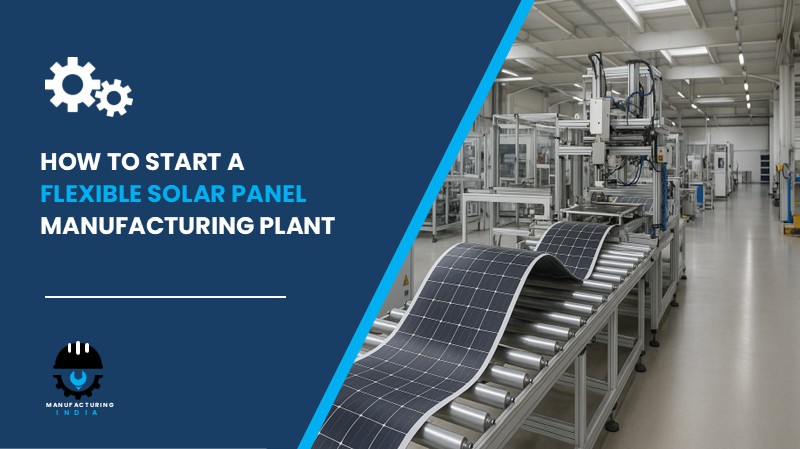
A flexible solar panel manufacturing plant involves producing thin-film photovoltaic modules laminated onto bendable substrates. This business requires expertise in materials science, precision engineering, process automation, and quality control.
Key components of the business include:
- Thin-film deposition technologies such as CIGS, CdTe, or amorphous silicon
- Specialized substrates like polymer films or lightweight metals
- Advanced encapsulation materials for weather resistance
- Roll-to-roll processing systems for high-volume production
- Testing and certification to meet global PV performance standards
The flexible solar panel business offers benefits such as lower manufacturing energy requirements, lightweight product designs, and expanding demand across both commercial and consumer markets.
Step-by-Step Guide to Start a Flexible Solar Panel Manufacturing Plant
Step 1: Conduct a Feasibility Study
Before starting your plant, evaluate:
- Target markets and product applications
- Type of thin-film technology to manufacture
- Raw material availability and supplier network
- Estimated project cost and return on investment
- Regulatory requirements, safety standards, and certifications
- Workforce skills required for PV production
A feasibility study helps determine plant capacity, technology selection, and overall business viability.
Step 2: Choose an Ideal Location
The location of your manufacturing plant affects both cost and efficiency.
Ideal location factors include:
- Proximity to raw material suppliers
- Access to skilled technicians and engineers
- Availability of reliable electricity and water supply
- Good transportation infrastructure for equipment and exports
- Supportive industrial policies or solar manufacturing incentives
Step 3: Design the Plant Layout
A flexible solar panel production facility requires a clean, controlled environment with specialized zones.
Typical layout includes:
- Material preparation and cleaning
- Thin-film deposition chambers
- Lamination and encapsulation area
- Laser cutting and module forming stations
- Quality testing and inspection labs
- Packaging and storage units
- Utilities and safety systems
Proper layout planning ensures smooth process flow, reduces contamination, and improves output quality.
Step 4: Procure Machinery and Equipment
Flexible solar panel manufacturing is technology-intensive. Depending on the thin-film technology, you may require:
Common equipment includes:
- Roll-to-roll thin-film deposition systems
- Vacuum coating machines
- Sputtering or evaporation chambers
- Laser scribing equipment (P1, P2, P3 lines)
- Laminators and encapsulation tools
- Quality testing and measurement systems (IV testers, EL testers)
- Cutting and trimming machines
- Packaging units
Choosing reliable, high-precision equipment is crucial for consistent efficiency and performance.
Step 5: Raw Materials and Supply Chain Setup
Flexible solar panel production requires carefully selected raw materials, such as:
- Thin-film semiconductor materials (CIGS, a-Si, CdTe)
- Conductive layers
- Polymeric flexible substrates (PET, PEN, or metal foils)
- Encapsulation films (EVA, TPT, etc.)
- Transparent conductive oxides (TCO)
- Backsheet materials
- Connectors, junction boxes, and adhesives
Ensuring long-term, high-quality material sourcing helps maintain product reliability and cost efficiency.
Step 6: Manufacturing Process
Here is a simplified process flow for flexible solar panels:
1. Substrate Preparation
Cleaning and treating flexible substrates for coating.
2. Thin-Film Deposition
Applying semiconductor layers through vacuum deposition or sputtering.
3. Laser Scribing
Forming electrical connections between cells using precision laser patterns.
4. Encapsulation
Laminating the modules with protective films to ensure durability.
5. Cutting and Shaping
Trimming panels into required dimensions.
6. Electrical Testing
Verifying performance, efficiency, and electrical output.
7. Final Assembly & Packaging
Completing finishing steps and packing for shipment.
Step 7: Implement Quality Control Systems
Quality assurance is critical in the PV industry.
Testing includes:
- Efficiency measurement
- Weather resistance testing
- Durability and bendability tests
- Conductivity and performance checks
- Visual inspections
Compliance with PV standards ensures market acceptance and customer trust.
Step 8: Regulatory Compliance and Certifications
Your plant must meet:
- Environmental standards
- Worker safety norms
- PV product certification requirements
- Hazardous material handling guidelines
Certification improves credibility and supports global exports.
Starting a flexible solar panel manufacturing plant offers significant potential in the growing renewable energy sector. With careful planning, the right technology, skilled workforce, and efficient manufacturing processes, entrepreneurs can build a competitive and future-ready solar manufacturing business.
This step-by-step guide provides a foundation for understanding the setup process, cost factors, and technical requirements essential for success.
About the Author