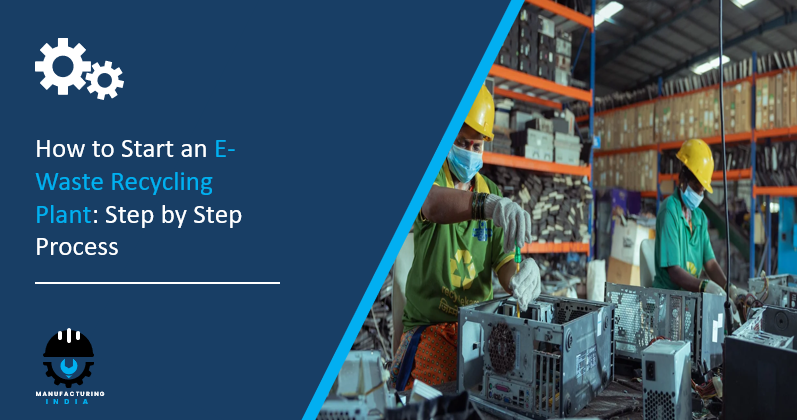
Starting an e-waste recycling plant is a meaningful business opportunity that addresses environmental concerns while being financially viable. Here’s a comprehensive guide to help you establish your facility.
1. Research and Planning
Begin by understanding the e-waste landscape in your target area. Study the volume of electronic waste generated locally, identify major sources like corporations, government offices, educational institutions, and collection centers. Research your competition and analyze the regulatory environment. Develop a detailed business plan that outlines your investment requirements, revenue projections, operational costs, and break-even analysis.
2. Obtain Licenses and Permits
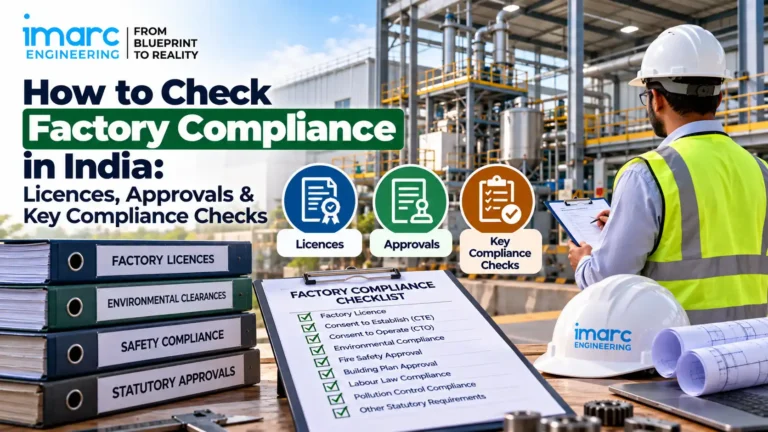
E-waste recycling is heavily regulated due to environmental and health concerns. You’ll need to register your business entity and obtain specific authorizations. In India, for example, you need authorization under E-Waste Management Rules from the State Pollution Control Board. You’ll also need environmental clearance, pollution control certificates, and potentially import-export licenses if you plan to trade materials internationally. Check with local authorities for specific requirements in your jurisdiction.
3. Secure Financing
E-waste recycling requires significant capital investment. Calculate costs for land and building, machinery and equipment, licensing fees, working capital, and initial inventory. Explore funding options including bank loans, government subsidies for environmental businesses, venture capital, or private investors interested in sustainable businesses.
4. Choose an Appropriate Location
Select a site that meets regulatory requirements, typically located away from residential areas. Ensure adequate space for collection, sorting, dismantling, processing, and storage areas. The facility needs proper drainage systems, ventilation, and accessibility for trucks and transportation. Consider proximity to e-waste sources to reduce collection costs.
5. Procure Equipment and Machinery
Essential equipment includes shredders and crushers for breaking down materials, separation equipment using magnetic, eddy current, or density-based methods, dismantling tools and workstations, protective gear and safety equipment, storage containers for hazardous materials, and material handling equipment. For advanced operations, consider automated sorting systems, metal recovery equipment, and plastic recycling machinery.
6. Establish Collection Networks
Create partnerships with electronics manufacturers under Extended Producer Responsibility programs, bulk waste generators like IT companies and government offices, electronic retailers offering trade-in programs, and municipal collection centers. You might also set up your own collection points in strategic locations.
7. Hire and Train Staff
Your team should include technical staff trained in dismantling and processing, safety officers knowledgeable about handling hazardous materials, quality control personnel, logistics coordinators, and sales staff for recovered materials. Provide comprehensive training on safety protocols, material identification, proper handling of hazardous substances, and equipment operation.
8. Implement Safety and Environmental Protocols
Establish strict procedures for handling toxic materials like lead, mercury, and cadmium. Ensure proper protective equipment for all workers, implement waste segregation systems, maintain air quality control measures, and develop emergency response plans. Regular monitoring and compliance audits are essential.
9. Set Up Processing Operations
Your workflow should include initial collection and weighing, sorting by device type and condition, manual dismantling to separate components, mechanical processing through shredding and separation, recovery of valuable materials like precious metals, copper, and aluminum, and proper disposal of hazardous waste through authorized facilities.
10. Develop Sales Channels
Identify buyers for recovered materials including metal refineries for precious metals, plastic manufacturers, glass manufacturers, and component refurbishers. Build relationships with commodity traders and consider direct sales to end-users when possible. Stay informed about market prices for recovered materials.
11. Marketing and Growth
Promote your services through corporate outreach, participation in sustainability events, digital marketing highlighting environmental benefits, and certifications that demonstrate credibility. Consider expanding into data destruction services, refurbishment and resale of working components, consulting services, and potentially franchising your model.
Key Success Factors
Maintain strict compliance with environmental regulations to avoid penalties and shutdowns. Focus on efficiency in processing to maximize recovery rates and profitability. Build strong relationships with waste generators and material buyers. Invest in continuous staff training and process improvements. Stay updated on technology advances in recycling methods.
About the Author