Introduction
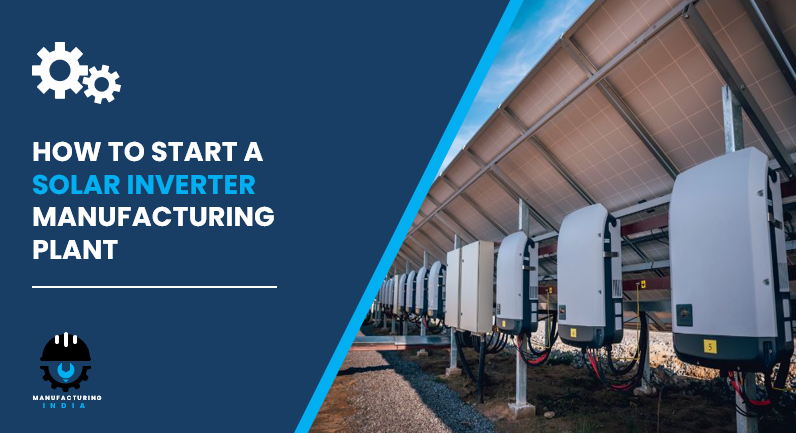
Solar inverters are critical components in photovoltaic systems, converting direct current from solar panels into alternating current for household and commercial use. With the global shift toward renewable energy and government incentives supporting solar adoption, the solar inverter manufacturing industry presents significant opportunities for entrepreneurs. This comprehensive guide outlines the complete process of establishing a solar inverter manufacturing plant.
Understanding Solar Inverters Manufacturing Business
Solar inverters serve as the brain of solar power systems, performing conversion, monitoring, and protection functions. They come in various types including string inverters, microinverters, central inverters, and hybrid inverters. Understanding these product categories is essential for determining your manufacturing focus and target market segments.
The manufacturing process involves sophisticated electronics assembly, requiring precision equipment and quality control measures. Modern solar inverters incorporate advanced features like maximum power point tracking, grid synchronization, remote monitoring capabilities, and smart energy management systems.
Market Research and Business Planning
Conducting thorough market research forms the foundation of your manufacturing venture. Analyze current market trends, competitor landscape, customer segments, and pricing strategies within your target geography. Study import-export dynamics, domestic demand patterns, and growth projections for solar installations.
Develop a comprehensive business plan covering your manufacturing capacity, product portfolio, technology partnerships, marketing strategy, and financial projections. Identify your unique selling proposition whether through competitive pricing, advanced features, or specialized products for specific applications.
Legal Structure and Business Registration
Choose an appropriate legal structure for your manufacturing entity such as private limited company, limited liability partnership, or proprietorship. Register your business with relevant authorities and obtain necessary incorporation documents. Secure your company name, obtain director identification numbers, and complete the incorporation process.
Apply for essential registrations including goods and services tax registration, professional tax registration, and shop and establishment license. These registrations enable legal business operations and facilitate smooth commercial transactions.
Request a Sample Report for In-Depth Market Insights: https://www.imarcgroup.com/solar-inverter-manufacturing-plant-project-report/requestsample
Location Selection and Infrastructure
Select a manufacturing location considering factors like proximity to markets, availability of skilled labor, power supply reliability, transportation connectivity, and industrial infrastructure. Industrial zones and special economic zones often provide advantages through subsidies, tax benefits, and developed facilities.
Acquire land or industrial shed with adequate space for manufacturing area, raw material storage, finished goods warehouse, testing laboratories, administrative offices, and future expansion. Ensure compliance with industrial zoning regulations and local building codes.
Design your plant layout optimizing workflow efficiency, material movement, quality control integration, and safety protocols. Include dedicated zones for component storage, surface mount technology assembly, through-hole assembly, transformer winding, enclosure fabrication, testing, and packaging.
Environmental and Regulatory Approvals
Obtain consent to establish from state pollution control boards by submitting detailed project reports covering manufacturing processes, waste generation, pollution control measures, and environmental management plans. After plant setup, secure consent to operate before commencing production.
Register under relevant environmental regulations covering e-waste management, hazardous waste handling, and air and water emission standards. Implement proper waste segregation, treatment facilities, and disposal mechanisms as per regulatory requirements.
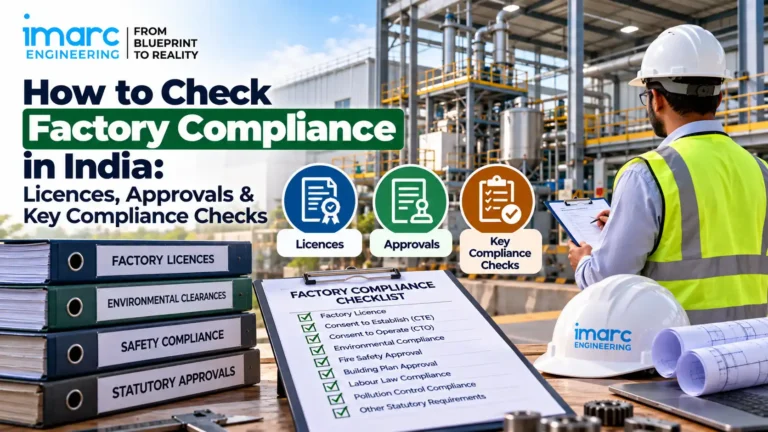
Comply with fire safety norms, obtain factory licenses, and ensure occupational health and safety standards. Regular inspections and compliance audits maintain regulatory adherence throughout operations.
Technology and Technical Collaborations
Evaluate technology options considering in-house development, technology licensing, or joint ventures with established inverter manufacturers. Technology partnerships provide access to proven designs, manufacturing know-how, quality standards, and after-sales support frameworks.
Foreign collaborations offer advantages in advanced circuit designs, power electronics expertise, testing protocols, and international quality certifications. Assess technology costs, royalty structures, training provisions, and ongoing technical support terms.
Alternatively, develop indigenous technology through experienced power electronics engineers, extensive research and development, prototype development, and field testing. This approach requires higher initial investment but provides long-term autonomy and flexibility.
Machinery and Equipment Procurement
Source essential manufacturing equipment including surface mount technology pick and place machines, reflow ovens, wave soldering machines, automated optical inspection systems, transformer winding machines, powder coating equipment, laser marking systems, and burn-in chambers.
Testing equipment requirements include hipot testers, power analyzers, oscilloscopes, environmental chambers, grid simulators, efficiency measurement systems, and electromagnetic compatibility testing equipment. Quality control equipment ensures product reliability and compliance with international standards.
Evaluate machinery suppliers based on technology capability, after-sales service, spare parts availability, training provisions, and warranty terms. Consider both domestic and imported equipment based on technical requirements, budget constraints, and long-term serviceability.
Raw Material Sourcing
Establish reliable supply chains for key components including power semiconductor devices like insulated gate bipolar transistors and metal oxide semiconductor field effect transistors, microcontrollers and digital signal processors, gate drivers and isolation circuits, capacitors and inductors, printed circuit boards, transformers, enclosures, cooling systems, and display modules.
Develop relationships with multiple suppliers ensuring competitive pricing, quality consistency, timely delivery, and technical support. Implement vendor evaluation systems, quality inspection protocols, and inventory management practices.
Consider backward integration for certain components like printed circuit board fabrication, transformer manufacturing, or enclosure production depending on volumes and cost economics.
Quality Certifications and Standards
Obtain mandatory certifications for selling solar inverters including Bureau of Indian Standards certification specific to solar inverter standards, International Electrotechnical Commission certifications, and Underwriters Laboratories certifications for international markets.
Implement quality management systems certified under international standards covering design, manufacturing, testing, and customer service processes. These certifications enhance credibility, facilitate exports, and ensure consistent quality.
Conduct testing for electrical safety, electromagnetic compatibility, environmental stress, grid compliance, efficiency measurements, and reliability parameters. Establish in-house testing facilities or partner with accredited testing laboratories.
Workforce Recruitment and Training
Hire skilled personnel across various functions including power electronics engineers, embedded software developers, production supervisors, quality control inspectors, testing technicians, research and development specialists, and maintenance engineers.
Provide comprehensive training covering inverter technology fundamentals, manufacturing processes, quality standards, safety protocols, testing procedures, and troubleshooting techniques. Regular skill upgradation programs keep workforce updated with technological advancements.
Create organizational structure defining roles, responsibilities, reporting hierarchies, and performance metrics. Implement workplace safety training, health insurance provisions, and employee welfare measures.
Manufacturing Process Setup
Establish systematic manufacturing workflows starting with component procurement and quality inspection, printed circuit board assembly through surface mount and through-hole processes, transformer winding and assembly, power semiconductor mounting and heat sink attachment, enclosure fabrication and powder coating, final assembly integrating all subsystems, firmware programming and configuration, and comprehensive testing protocols.
Implement quality checkpoints at each production stage ensuring defect prevention rather than detection. Use statistical process control techniques, automated testing equipment, and documentation systems for traceability.
Develop standard operating procedures covering each manufacturing step, equipment operation, quality checks, safety measures, and troubleshooting guidelines. Regular process audits and continuous improvement initiatives enhance manufacturing efficiency.
Testing and Quality Assurance
Establish comprehensive testing protocols including incoming component inspection, in-process quality checks, functional testing of assembled units, performance testing under various load conditions, efficiency measurements, thermal testing, vibration and shock testing, and long-term reliability testing.
Create dedicated testing facilities equipped with programmable power sources, electronic loads, data acquisition systems, environmental chambers, and grid simulators. Maintain calibration schedules for all testing equipment ensuring measurement accuracy.
Implement failure mode analysis, root cause investigation, and corrective action systems. Document all test results, maintain quality records, and generate test certificates for finished products.
Marketing and Distribution Strategy
Develop comprehensive marketing strategy targeting solar equipment distributors, engineering procurement and construction companies, solar installers, direct consumers, and government procurement agencies. Create brand identity emphasizing quality, reliability, efficiency, and after-sales support.
Establish distribution network through authorized dealers, system integrators, and direct sales channels. Provide technical training, marketing support, warranty programs, and competitive margins to distribution partners.
Leverage digital marketing through company website, social media platforms, online marketplaces, and search engine optimization. Participate in solar energy exhibitions, trade shows, and industry conferences for visibility and networking.
After-Sales Service and Support
Establish robust after-sales service infrastructure including customer helpline, technical support team, service centers network, warranty management systems, and spare parts distribution. Prompt and efficient service builds brand reputation and customer loyalty.
Provide comprehensive warranty coverage typically ranging from multiple years for solar inverters. Develop service partnerships in regions where direct presence is not feasible. Train service engineers on troubleshooting, repair procedures, and customer interaction.
Implement customer feedback systems, complaint redressal mechanisms, and continuous improvement programs based on field performance data. Remote monitoring capabilities in modern inverters enable proactive service and performance optimization.
Financial Planning and Investment
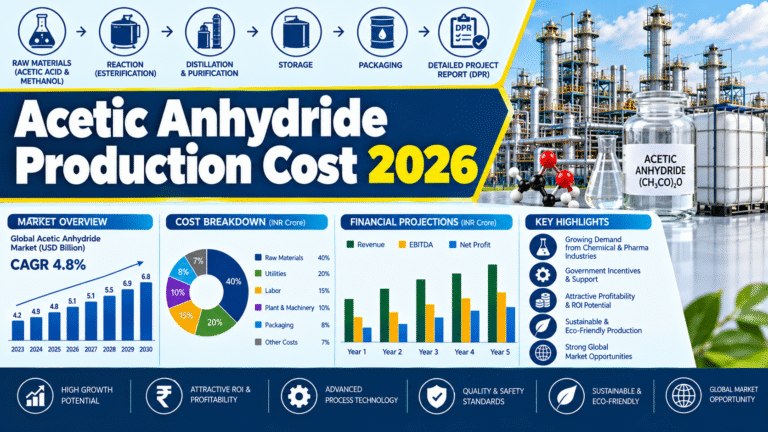
Prepare detailed financial projections covering capital expenditure for land, building, machinery, equipment, and initial inventory. Estimate working capital requirements for raw materials, work in progress, finished goods, receivables, and operational expenses.
Identify funding sources including equity investment, term loans from banks and financial institutions, government subsidies and schemes, and venture capital for technology-focused ventures. Prepare bankable project reports with feasibility studies, market analysis, technical details, and financial projections.
Calculate production costs including raw material costs, manufacturing overheads, labor expenses, utilities, depreciation, and administrative costs. Determine pricing strategy ensuring competitiveness while maintaining healthy profit margins.
Government Incentives and Support
Explore various government schemes supporting solar manufacturing including production-linked incentive schemes, capital subsidy programs, concessional finance, tax holidays and exemptions, and customs duty benefits on imported machinery and components.
State governments offer additional incentives like land allotment at subsidized rates, power tariff concessions, stamp duty reductions, and reimbursement of state taxes. Research and development grants support innovation and indigenization efforts.
Leverage government procurement preferences for domestically manufactured products. Understand local content requirements, quality standards, and documentation necessary for participating in government tenders.
Risk Management and Mitigation
Identify potential risks including technological obsolescence, market competition, raw material price volatility, regulatory changes, quality issues, and working capital constraints. Develop mitigation strategies through technology upgradation plans, diversified product portfolio, long-term supplier contracts, and adequate insurance coverage.
Implement robust quality management preventing product failures and warranty claims. Maintain financial reserves for unexpected expenses and market fluctuations. Stay updated with industry trends, regulatory changes, and competitive landscape.
Build strong relationships with customers, suppliers, technology partners, and financial institutions. Diversify market presence across geographic regions and customer segments reducing dependency on single markets.
Scaling and Future Growth
Plan for capacity expansion based on market demand, operational efficiency, and financial performance. Modular facility design enables phased expansion with minimal disruption to ongoing operations.
Invest in research and development for next-generation inverter technologies including higher efficiency topologies, advanced grid support features, energy storage integration, and smart grid compatibility. Innovation differentiates your products in competitive markets.
Explore export opportunities in emerging solar markets. International certifications, competitive pricing, and quality reputation enable global market penetration. Consider establishing overseas manufacturing or assembly facilities for strategic markets.
About the Author