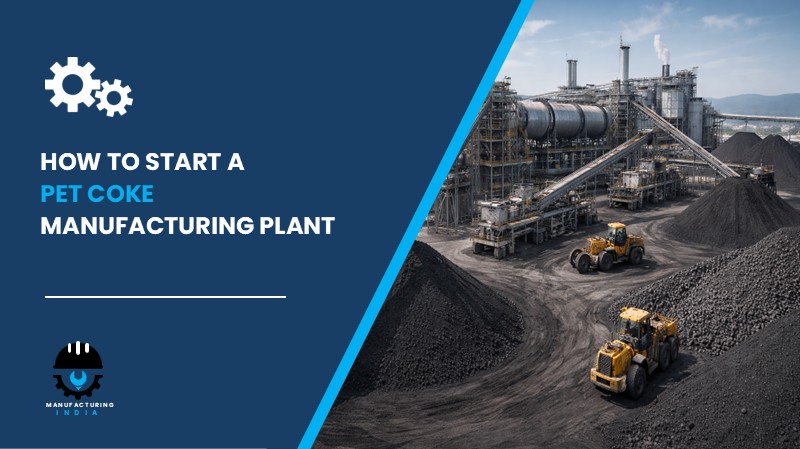
Petroleum coke, commonly known as pet coke, is a carbon-rich solid derived from crude oil refining. It is widely used as a fuel and raw material in industries such as cement, power generation, steel, aluminum, and other energy-intensive sectors. Due to its high calorific value and cost efficiency, pet coke continues to see strong demand in industrial applications.
Setting up a pet coke manufacturing plant requires careful planning, regulatory compliance, and investment in appropriate processing and handling systems. This guide explains the complete step-by-step process to help entrepreneurs and investors understand how to start a pet coke manufacturing plant successfully.
Understanding the Pet Coke Manufacturing Business
Pet coke is produced as a by-product of oil refining, primarily through delayed coking or fluid coking processes. In a manufacturing or processing plant, pet coke is handled, calcined (in some cases), crushed, sized, and packaged to meet end-user requirements.
The business can focus on:
- Fuel-grade pet coke for cement and power plants
- Calcined pet coke for aluminum, steel, and carbon product manufacturing
The type of pet coke produced determines the level of technology, investment, and environmental control systems required.
Step-by-Step Guide to Starting a Pet Coke Manufacturing Plant
Step 1: Conduct a Feasibility Study
A feasibility study helps determine the technical and commercial viability of the project. It should cover:
- Demand analysis from cement, power, and metallurgical industries
- Type of pet coke to be produced (raw or calcined)
- Availability of raw pet coke from refineries
- Location advantages and logistics
- Environmental regulations and compliance needs
- Capital investment and operating cost assessment
This step helps define the project scope and scale.
Request a Sample Report and Explore the Complete Study: https://www.imarcgroup.com/pet-coke-manufacturing-plant-project-report/requestsample
Step 2: Select the Right Location
Location plays a critical role in pet coke manufacturing due to bulk material handling and environmental considerations.
Ideal location features include:
- Proximity to oil refineries or ports
- Strong transportation connectivity (road, rail, or port access)
- Adequate land for storage yards and processing units
- Distance from residential zones
- Compliance with industrial zoning regulations
Proper site selection reduces logistics costs and operational risks.
Step 3: Plan the Plant Layout
A well-planned layout ensures smooth material flow and safe operations.
Typical plant layout includes:
- Raw pet coke storage yard
- Crushing and screening section
- Calcination unit (if applicable)
- Material handling and conveyor systems
- Dust suppression and pollution control units
- Packaging and loading area
- Utility and maintenance zones
- Administrative and safety facilities
Segregating dusty and high-temperature areas is essential for safety.
Step 4: Procure Machinery and Equipment
The machinery required depends on whether the plant produces fuel-grade or calcined pet coke.
Common equipment includes:
- Crushers and grinders
- Vibrating screens and classifiers
- Rotary kilns or shaft kilns (for calcined pet coke)
- Conveyors and bucket elevators
- Dust collectors and bag filters
- Storage silos and hoppers
- Weighing, packaging, and loading systems
Energy-efficient and durable equipment improves productivity and reduces downtime.
Step 5: Raw Material Sourcing
The primary raw material is green pet coke, sourced from petroleum refineries. Key considerations include:
- Consistent supply agreements
- Quality parameters such as sulfur, moisture, and ash content
- Transportation and handling requirements
Stable sourcing ensures uninterrupted plant operations.
Step 6: Pet Coke Manufacturing Process
The manufacturing process varies depending on the final product.
1. Raw Material Handling
Green pet coke is received, stored, and conveyed to processing units.
2. Crushing and Screening
Pet coke is crushed and screened into different size fractions as per customer requirements.
3. Calcination (Optional)
For calcined pet coke, green pet coke is heated in a kiln at high temperatures to remove volatile matter and improve carbon purity.
4. Cooling and Handling
Calcined pet coke is cooled and transferred for further processing.
5. Sizing and Blending
Material is classified and blended to achieve uniform specifications.
6. Packaging and Dispatch
Final pet coke is packed in bags or transported in bulk for industrial customers.
Step 7: Implement Pollution Control and Safety Measures
Pet coke processing generates dust and emissions, making environmental compliance critical.
Key control systems include:
- Dust suppression and extraction systems
- Bag filters and scrubbers
- Covered conveyors and storage
- Waste handling and disposal systems
- Fire safety and explosion prevention measures
Worker safety training and PPE usage are mandatory.
Step 8: Regulatory Compliance and Approvals
Pet coke plants must comply with:
- Environmental clearance norms
- Air and water pollution control regulations
- Industrial safety standards
- Hazardous material handling guidelines
- Local and state manufacturing licenses
Obtaining approvals early prevents delays in commissioning.
Step 9: Manpower and Operations Setup
The plant requires skilled and semi-skilled workers, including:
- Machine operators
- Maintenance technicians
- Quality control staff
- Safety officers
- Logistics and warehouse personnel
- Administrative staff
Training improves operational efficiency and safety compliance.
Step 10: Cost Considerations and Financial Planning
The cost of starting a pet coke manufacturing plant depends on:
- Plant capacity and technology
- Type of pet coke produced
- Machinery and utility requirements
- Pollution control systems
- Labor and operational expenses
- Working capital needs
A detailed financial model helps assess profitability, break-even, and long-term sustainability.
Starting a pet coke manufacturing plant can be a profitable venture due to consistent industrial demand and diverse applications. However, success depends on proper feasibility analysis, technology selection, environmental compliance, and efficient operations.
With careful planning and adherence to safety and regulatory standards, entrepreneurs can establish a reliable and scalable pet coke manufacturing business with strong long-term potential.
About the Author