Introduction
Whiskey manufacturing is a sophisticated and highly regulated industry that combines traditional craftsmanship with modern production techniques. Setting up a whiskey manufacturing plant requires substantial capital investment, technical expertise, and patience, as the aging process can take several years before the first product reaches market. This comprehensive guide explores the various cost components and step-by-step process involved in establishing a successful whiskey manufacturing facility.
Industry Overview
The global whiskey industry has experienced steady growth driven by increasing consumer preference for premium spirits, craft distilleries, and heritage brands. The market benefits from rising disposable incomes, evolving drinking cultures, and the premiumization trend in alcoholic beverages. Whiskey production encompasses various styles including bourbon, scotch, rye, and single malt, each with specific production requirements and regulations.
Key Insights for Whiskey Manufacturing Plant Setup
Product Overview
Whiskey is a distilled alcoholic beverage made from fermented grain mash, which may include barley, corn, rye, or wheat. The production process involves mashing, fermentation, distillation, and aging in wooden barrels, typically oak. The aging process is crucial for developing the characteristic flavor, color, and aroma that define quality whiskey. Different whiskey types follow specific production standards and geographic regulations.
Manufacturing Process Flow
The whiskey manufacturing process consists of several critical stages:
Milling and Mashing: Grains are milled into coarse flour and mixed with hot water in a mash tun. This process activates enzymes that convert starches into fermentable sugars, creating a sweet liquid called wort.
Fermentation: The wort is transferred to fermentation vessels where yeast is added. Over several days, yeast converts sugars into alcohol and produces congeners that contribute to flavor development.
Distillation: The fermented wash undergoes distillation in pot stills or column stills. This process separates alcohol from water and concentrates the spirit. Multiple distillations may be performed to achieve desired purity and flavor characteristics.
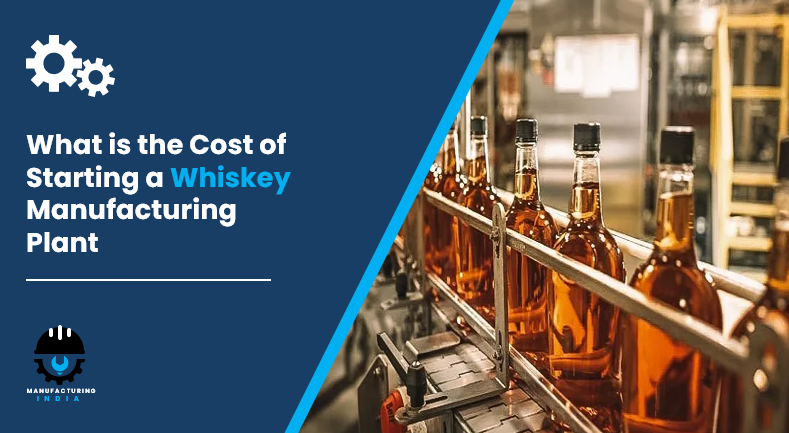
Aging: The clear spirit, known as “white dog,” is transferred to oak barrels for maturation. During aging, the whiskey interacts with the wood, developing color, flavor, and complexity. The aging period varies from several years to decades depending on the whiskey style.
Blending and Bottling: After aging, whiskey may be blended from multiple barrels to achieve consistency. Water is added to reach the desired proof before filtration and bottling.
Quality Assurance Criteria
Quality control is paramount throughout whiskey production. Regular testing monitors alcohol content, pH levels, specific gravity, and congener profiles. Sensory evaluation by trained tasters ensures flavor consistency and quality standards. Compliance with regulatory standards for labeling, age statements, and production methods is mandatory.
Request a Sample Report for In-Depth Market Insights: https://www.imarcgroup.com/whiskey-manufacturing-plant-project-report/requestsample
Project Requirements and Costs
Land, Location and Site Development
Selecting an appropriate location is critical for whiskey production. The site must accommodate production facilities, barrel warehouses, bottling operations, and potential expansion. Proximity to water sources is essential, as quality water significantly impacts the final product.
The facility requires adequate space for rick houses or barrel storage warehouses, which must maintain proper temperature and humidity conditions. Site development includes land preparation, utility connections, road access, drainage systems, and environmental compliance measures. Zoning regulations must permit industrial alcohol production and storage of flammable materials.
Plant Layout
An efficient plant layout optimizes workflow from raw material receiving through finished product storage. The design must separate different production stages to maintain hygiene standards and prevent cross-contamination. Key areas include:
- Grain receiving and storage
- Milling and mashing operations
- Fermentation hall
- Distillation area
- Barrel filling station
- Maturation warehouses
- Bottling and packaging line
- Quality control laboratory
- Administrative offices
The layout must accommodate future expansion and comply with fire safety regulations given the flammable nature of alcohol production.
Machinery Requirements and Costs
Whiskey production requires specialized equipment:
Milling Equipment: Roller mills or hammer mills process grains into grist of appropriate particle size for mashing.
Mash Tuns: Large vessels where milled grain is mixed with hot water to extract fermentable sugars.
Fermentation Vessels: Stainless steel or wooden washbacks where yeast ferments the wort. Temperature control systems maintain optimal fermentation conditions.
Distillation Equipment: Pot stills for traditional batch distillation or column stills for continuous operation. Copper construction is preferred for its catalytic properties that improve spirit quality.
Spirit Safes and Receivers: Equipment for monitoring and collecting distillate at different stages.
Barrel Filling Systems: Automated or manual equipment for transferring spirits into barrels.
Bottling Line: Including washers, fillers, cappers, labelers, and packaging equipment.
Laboratory Equipment: For quality testing including density meters, gas chromatographs, and sensory evaluation tools.
Utilities: Boilers, cooling systems, water treatment plants, and compressed air systems.
Raw Material Requirements
Primary raw materials include:
Grains: Barley, corn, rye, or wheat depending on whiskey style. Grain quality directly affects fermentation efficiency and spirit character.
Yeast: Specially selected strains that produce desired flavor profiles during fermentation.
Water: High-quality water for mashing, dilution, and cleaning. Water mineral content influences whiskey character.
Oak Barrels: New or used barrels for maturation. Bourbon requires new charred oak barrels, while other styles may use ex-bourbon or sherry casks.
Additives: Enzymes for enhanced starch conversion and cleaning chemicals for sanitation.
Packaging Requirements
Packaging components include glass bottles designed to brand specifications, closures such as corks or screw caps, labels complying with regulatory requirements, outer cartons for retail and shipping, and security features like tamper-evident seals. Premium packaging enhances product positioning but increases costs.
Transportation Requirements
Transportation costs include inbound logistics for raw materials and barrels, internal material handling systems, and outbound distribution to wholesalers and retailers. Temperature-controlled transport may be necessary for certain products. Efficient logistics management minimizes costs while ensuring timely delivery.
Utility Requirements
Whiskey production requires substantial utilities:
Water: Large volumes for mashing, cooling, cleaning, and dilution. Water treatment ensures consistency.
Energy: Steam for cooking mash and distillation, electricity for equipment operation, and fuel for boilers.
Refrigeration: Cooling systems for fermentation temperature control and process water.
Compressed Air: For pneumatic equipment and barrel handling.
Human Resource Requirements
A whiskey distillery requires diverse expertise:
Master Distiller: Oversees all production aspects and maintains quality standards.
Production Team: Operators for milling, mashing, fermentation, and distillation.
Warehouse Staff: Manages barrel inventory, rotation, and sampling.
Quality Control Personnel: Conducts testing and ensures compliance.
Maintenance Technicians: Maintains equipment and facilities.
Bottling Crew: Operates packaging lines.
Sales and Marketing Team: Develops brand and manages distribution.
Administrative Staff: Handles finance, compliance, and operations management.
Training programs ensure staff competency in production techniques, safety protocols, and quality standards.
Capital Expenditure and Operational Expenditure
Capital Investments
Capital expenditure includes land acquisition, building construction, machinery and equipment purchase, barrel inventory, initial utilities infrastructure, laboratory setup, and working capital for operations before revenue generation. The extended aging period requires significant working capital to sustain operations until mature whiskey is available for sale.
Operating Costs
Ongoing operational expenses include raw material procurement, barrel purchases, labor costs, utilities, maintenance and repairs, quality testing, regulatory compliance, insurance, and marketing expenses. The cost of aging inventory represents a unique challenge, as capital is tied up in maturing whiskey for years before generating returns.
Project Economics
Comprehensive financial analysis examines capital requirements, operating expenses, revenue projections based on production capacity and pricing strategy, taxation and depreciation schedules, cash flow analysis considering the aging period, and profitability metrics including gross margins and net profit.
Regulatory and Compliance Requirements
Whiskey production is heavily regulated. Federal permits for distilled spirits production are mandatory, along with state licensing requirements varying by jurisdiction. Environmental permits for wastewater discharge and air emissions must be obtained. Fire safety compliance is critical given alcohol flammability. Age statement accuracy and label approval ensure consumer protection and fair trade practices.
Project Profitability Analysis
Profitability depends on multiple factors including production efficiency, product positioning (premium vs. standard), distribution strategy, brand recognition, and market demand. The extended aging period creates unique financial challenges, as significant capital investment occurs years before revenue generation. Many distilleries produce unaged spirits or source aged whiskey initially to generate cash flow while their own stock matures.
Success requires careful financial planning, adequate capitalization, and realistic projections accounting for the time lag between production and sales.
Key Success Factors
Critical success factors include:
- Securing adequate financing for long-term operations
- Developing distinctive, high-quality products
- Building strong brand identity and market positioning
- Establishing efficient distribution networks
- Maintaining consistent quality through rigorous standards
- Complying with all regulatory requirements
- Managing inventory and cash flow during aging period
- Adapting to market trends and consumer preferences
About the Author