Setting up a pulses processing plant in India presents a compelling investment opportunity, driven by rapid urbanisation, sustained growth in plant-based protein demand, the increasing penetration of pulses in vegetarian and vegan diets, and rising consumer appetite for convenient, nutritious, and sustainably produced food products. As one of the most strategically important segments of the global food processing industry, pulses processing combines factory-controlled cleaning, dehulling, splitting, and packaging operations to serve a broad range of food and beverage, animal feed, and nutraceutical end-use markets.
The global pulses market is propelled by health and nutrition awareness, plant-based protein adoption, sustainability imperatives, and the food industry’s continued shift toward convenient, ready-to-cook and ready-to-eat formats. The global pulses market size was valued at USD 103.25 Billion in 2025. According to IMARC Group estimates, the market is expected to reach USD 140.23 Billion by 2034, exhibiting a CAGR of 3.5% from 2026 to 2034.
Expanding consumer awareness of plant-based diets, growing demand for protein-rich convenience foods, and the increasing use of pulses in functional food and nutraceutical formulations continue to elevate demand for processed pulse products, while the shift from unprocessed raw pulses to value-added cleaned, split, and packaged formats integrates pulses processing as a core operation in modern food supply chains.
Pulses processing sits at the intersection of agriculture, food manufacturing, and nutritional science, supported by a structurally growing global food industry. With gross profit margins typically ranging between 8–12% and a well-defined break-even trajectory, a dedicated pulses processing plant represents both a financially sound and strategically well-timed investment for entrepreneurs, food processors, and institutional investors targeting the evolving global plant-based protein and food processing markets.
What are Pulses?
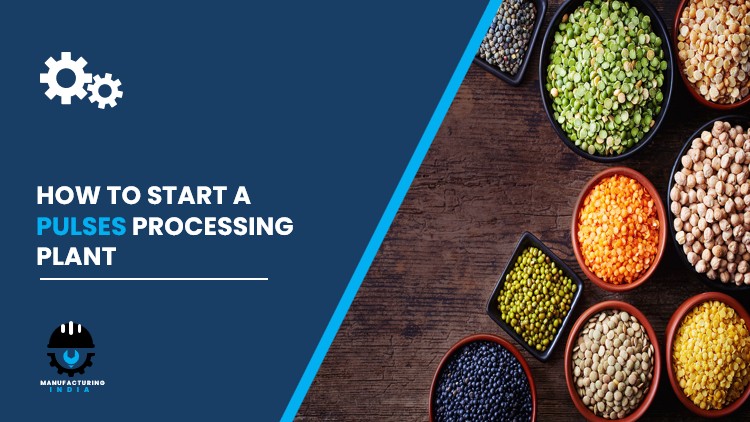
Pulses are edible seeds derived from leguminous plants that are harvested in dry form and used as a staple food source across many regions of the world. Commonly processed pulses include lentils, chickpeas, dry beans, peas, and pigeon peas. As protein-rich, complex carbohydrate-bearing foods containing dietary fibre along with essential minerals, pulses are of great nutritional interest, particularly for plant-based diets. They are also fundamental to sustainable agriculture, improving soil fertility through natural nitrogen fixation. Their long shelf life, cost affordability, and versatility across diverse culinary and industrial applications make them popular in both traditional and modern food systems.
Standard processed product types include whole cleaned pulses, split pulses (dal), pulse flour, pulse protein concentrates and isolates, roasted snack formats, and pre-cooked convenience grades for food service and retail channels.
The pulses processing sequence broadly involves raw material reception and quality inspection, pre-cleaning, dehulling and splitting, roasting or steaming (product-specific), milling and flour production, packaging and labelling. End-use segments served include food and beverage manufacturers, animal feed producers, nutraceutical and dietary supplement formulators, food service operators, and direct retail and institutional consumers.
Cost of Setting Up a Pulses Processing Plant
The total cost of establishing a pulses processing plant depends on several variables including plant capacity, level of automation, chosen processing technology (cleaning configuration, dehulling and splitting capability, milling and packaging systems), geographic location, raw material sourcing strategy, and applicable regulatory compliance requirements. A thorough feasibility assessment covering all CapEx and OpEx components is essential before committing capital.
1. Capital Expenditure (CapEx)
Capital investment for a pulses processing plant covers several broad cost heads. Land and site development forms a substantial part of the overall investment, encompassing land registration charges, boundary development, drainage, site preparation, and related civil infrastructure expenses. Investors may consider locating the facility in proximity to pulse-producing agricultural regions, food processing industrial zones, or urban distribution hubs with established logistics and cold chain infrastructure.
Civil works and construction costs cover the processing plant hall, raw material and finished goods warehousing, quality control laboratory, effluent management systems, and the administrative block. Machinery and equipment costs represent the largest single portion of total capital expenditure. Key machinery and equipment required includes:
- Pre-cleaning and primary cleaning systems (aspirators, destoners, vibrating screens, magnetic separators for removal of foreign matter, stones, and impurities)
- Dehulling and splitting machines (carborundum rollers, disc shellers, or abrasion-type dehullers for husk removal and cotyledon splitting)
- Grading and sizing equipment (rotary graders, indented cylinder separators, optical colour sorters for uniform product classification and defect removal)
- Roasting and steaming units (rotary drum roasters, steam conditioning systems for specific product grades including roasted snacks and pre-cooked pulses)
- Hammer mills and roller mills (for pulse flour and fine powder production from cleaned and dehulled material)
- Dust control and filtration systems (cyclone separators, bag filters, and dust extraction networks for environmental compliance and worker safety)
- Automated packaging and sealing machines (multi-head weighers, vertical form-fill-seal machines, valve bag fillers, and palletisers for various pack sizes)
- Quality control and testing equipment (moisture analysers, colour sorting calibration instruments, protein content analysers, screen analysis sets, and laboratory balance systems)
- Material handling and conveying equipment (bucket elevators, belt conveyors, pneumatic conveying systems, and forklift logistics infrastructure)
Other capital costs include utility connections (power, water, compressed air), pre-operative expenses, product development and trial processing costs, and applicable import duties on specialised processing or quality testing equipment not manufactured domestically.
Request a Sample Report for In-Depth Market Insights: https://www.imarcgroup.com/pulses-processing-plant-project-report/requestsample
2. Operational Expenditure (OpEx)
The operating cost structure of a pulses processing plant is heavily weighted towards raw materials, particularly raw uncleaned pulses. Raw material costs—encompassing raw pulses (lentils, chickpeas, peas, beans, and pigeon peas by product grade), packaging materials, and processing consumables—account for approximately 88–92% of total OpEx, reflecting the high volume of agricultural commodity inputs required per tonne of finished processed product. Entering long-term supply agreements with reliable pulse farmers, cooperative societies, and commodity traders is essential to mitigate input price volatility and maintain processing continuity.
Utility costs, covering electricity for cleaning, dehulling, milling, and packaging equipment, along with water for conditioning operations and plant sanitation, account for 3–5% of OpEx given the moderate energy intensity of dry processing operations. Additional operating costs include packaging materials (woven polypropylene bags, BOPP pouches, paper bags, and retail consumer packs), transportation and distribution logistics, salaries and wages for process operators, quality assurance technicians, and sales personnel, maintenance of cleaning and dehulling machinery, dust control system servicing, quality testing consumables, and applicable regulatory and product certification costs. Operational expenditure is projected to increase substantially by year five of operations, driven by raw material cost inflation, utility escalation, and potential increases in logistics and distribution costs.
3. Plant Capacity
The proposed pulses processing facility is designed with an annual processing capacity of 50,000 MT, enabling meaningful economies of scale while preserving operational flexibility across the full product range—from whole cleaned pulses and split dal grades to pulse flour, roasted snack formats, and specialty protein concentrate grades. Plant capacity can be customised based on the investor’s specific capital availability, target market scale, and chosen product mix across end-use segments such as food manufacturing, animal feed, nutraceuticals, and direct retail channels. Profitability improves considerably at higher capacity utilisation levels, making early supply agreements with food manufacturers, institutional buyers, and organised retail networks strategically important.
4. Profit Margins and Financial Projections
A pulses processing plant demonstrates healthy profitability potential under normal operating conditions. Gross profit margins typically range between 8–12%, supported by stable and growing demand across food and beverage manufacturing, animal feed production, nutraceutical formulation, food service, and organised retail markets; the structural shift from unprocessed raw pulses to value-added cleaned and packaged formats; growing consumer preference for plant-based protein and convenient ready-to-cook products; and differentiation opportunities through premium grades, speciality products, and branded consumer packaging. Net profit margins range between 3–7%.
Financial projections incorporate NPV analysis, IRR calculations, payback period modelling, and sensitivity analysis across processing capacity, raw material pricing, utility costs, and market demand scenarios. These projections are developed based on realistic assumptions related to capital investment, operating costs, capacity utilisation, and demand outlook, providing investors with a comprehensive view of long-term financial viability.
Why Set Up a Pulses Processing Plant?
- Health and Nutrition Megatrend: Consumer awareness of plant-based proteins, dietary fibre, and nutrient-dense food is structurally increasing. Processed pulses—cleaned, split, milled, or pre-cooked—directly serve the health and wellness food segment, which is among the fastest-growing categories in global food retail and food service.
- Rising Demand for Plant-Based Proteins: With the increasing popularity of vegetarian and vegan diets globally, processed pulses offer a high-protein, cost-effective alternative to animal-derived protein. Lentils, chickpeas, and beans are naturally rich in protein and are integral to the expanding plant-based protein ingredient market.
- Sustainability and ESG Alignment: Pulses have a significantly lower environmental footprint compared to animal protein sources, requiring less water and land while actively improving soil fertility through nitrogen fixation. As ESG considerations become central to food industry investment decisions, pulses processing aligns strongly with sustainability mandates.
- Convenience and Urbanisation: Growing urban populations with time-constrained lifestyles are driving demand for ready-to-cook and ready-to-eat pulse products. Processed pulses in convenient cleaned, split, and packaged formats cater directly to this expanding consumer segment.
- Product Differentiation Potential: Processors can develop region-specific product grades, functional protein ingredients, gluten-free flour alternatives, and premium branded consumer products—across whole pulses, split dal, flour, snacks, and protein concentrates—to serve diverse market segments and command premium pricing.
- Scalable and Capital-Efficient Production: Pulse processing requires moderate capital investment relative to other food processing industries, with core equipment centred on mechanical cleaning, dehulling, and packaging systems. Production is scalable, with efficient raw material throughput and relatively low utility intensity.
- Agricultural Integration Opportunity: Investors can integrate backward into direct farmer procurement through farmer-producer organisations (FPOs), cooperatives, or contract farming arrangements, improving raw material cost control and supply chain reliability while supporting rural agricultural development.
- Policy and Institutional Support: Government programmes targeting food security, nutritional improvement, and agricultural value chain development create institutional procurement demand and regulatory incentives for pulse processing operations in major producing countries including India, Canada, Australia, and the United States.
- Export Opportunities: Pulses processors with competitive cost structures, certified product quality, and established logistics capabilities are well positioned to serve export markets across South Asia, the Middle East, Africa, and Europe, where processed pulses are imported in large volumes.
- Active Industry Investment: The global food processing sector continues to attract significant investment in plant-based protein, pulse ingredients, and functional food platforms, supporting favourable market conditions for new pulse processing operations.
Manufacturing Process: How Pulses are Processed
The pulses processing sequence encompasses raw material reception and quality inspection, pre-cleaning, dehulling and splitting, grading and colour sorting, roasting or steaming (product-specific), milling and flour production, quality control testing, and packaging and labelling as the core stages of production. Each stage involves specific unit operations, quality assurance checkpoints, and process control protocols aligned to product specifications and applicable food safety standards.
- Raw Material Reception and Quality Inspection: Raw uncleaned pulses are received from agricultural suppliers, inspected for moisture content, purity, physical integrity, and specification compliance, and stored in dedicated dry warehousing or silo systems to prevent moisture absorption and contamination.
- Pre-Cleaning: Incoming pulses pass through aspirators, vibrating screens, destoners, and magnetic separators to remove dust, chaff, straw, stones, metal fragments, and other foreign matter before further processing. Pre-cleaning ensures consistent feed quality to downstream dehulling and processing equipment.
- Dehulling and Splitting: Cleaned pulses are conditioned with controlled moisture application before being processed through abrasion-type dehullers or carborundum rollers to loosen and remove the outer husk. Split grades are produced by passing dehulled cotyledons through splitting rollers or disc mills to achieve the desired split dal product format.
- Grading and Colour Sorting: Dehulled and split product is sized and graded through rotary graders and indented cylinder separators to achieve uniform particle size distribution. Optical colour sorters identify and reject discoloured, defective, or contaminated grains, ensuring premium product appearance and food safety compliance.
- Roasting and Steaming (Product-Specific): For roasted snack and pre-cooked product grades, dehulled pulses are processed through rotary drum roasters or steam conditioning systems to achieve the required moisture, texture, and flavour profile for the target product category.
- Milling and Flour Production: For pulse flour and fine powder grades, cleaned and dehulled material is processed through hammer mills or roller mills to achieve the target particle size and flour yield. Milled flour is sieved to specification and transferred to packaging or intermediate storage.
- Quality Control Testing: In-process and finished product samples undergo moisture content determination, protein content analysis, screen analysis for particle size distribution, colour measurement, microbial testing, and shelf-life stability evaluation. Each production batch is released only upon passing all specified quality parameters.
- Packaging and Labelling: Finished pulses are filled into woven PP bags, BOPP retail pouches, paper-lined bags, or consumer retail packs according to the target channel. Automated filling, sealing, and palletising systems ensure accurate fill weight, consistent seal quality, and efficient throughput.
Key Applications
Processed pulses manufactured at a dedicated processing facility serve a broad range of end-use channels, each with specific product quality, format, and nutritional performance requirements.
- Food and Beverage Manufacturing: Cleaned, split, and milled pulses are used as protein-rich, fibre-dense ingredients in soups, ready meals, snack foods, bakery products, pasta, and plant-based meat alternatives. Pulse flour and protein concentrates serve functional food and ingredient manufacturing applications.
- Animal Feed: Pulse processing by-products including hulls, screenings, and bran are valuable, cost-effective ingredients for poultry, livestock, and aquaculture feed formulations. Whole rejected or low-grade pulses also enter animal nutrition supply chains.
- Nutraceuticals and Dietary Supplements: High levels of antioxidants, dietary fibre, and plant proteins make processed pulses desirable in the formulation of dietary supplements, functional food products, and clinical nutrition formulations targeting protein intake, glycaemic management, and gut health.
- Food Service and Institutional Catering: Cleaned and packaged pulses in bulk formats supply food service operators, institutional kitchens, hotel and restaurant chains, cloud kitchens, and QSR operators requiring consistent, ready-to-cook pulse products for large-scale meal preparation.
- Retail Consumer Market: Branded consumer packs of cleaned whole pulses, split dal grades, and roasted snack formats serve household and direct retail demand through organised grocery retail, e-commerce food platforms, and traditional wholesale and distribution channels.
Leading Pulses Processing Players
The global pulses processing industry is served by several multinational and large regional companies with extensive processing capacities and diverse product portfolios across food, feed, and ingredient markets. Key players active across institutional supply, export channels, and retail food networks include:
- Roquette Frères
- Ingredion Incorporated
- Archer Daniels Midland (ADM)
- General Mills
- Danone
Timeline to Start the Plant
Investors planning a pulses processing plant should anticipate the following phased development timeline, typically ranging from 10 to 18 months depending on site development requirements and regulatory approval timelines:
- Feasibility study and detailed project report preparation
- Land acquisition, site assessment, and environmental impact review
- Regulatory approvals, factory licence, environmental clearances, and utility connections
- Civil construction: processing plant hall, raw material and finished goods warehousing, utility systems
- Processing machinery procurement, delivery, installation, and commissioning
- Raw material supplier agreements and agricultural procurement network setup
- Product development, trial processing runs, and quality specification qualification testing
- Food safety management system certification and product technical documentation
- Distribution channel and institutional buyer relationships, commercial production ramp-up
Licences and Regulatory Requirements
Starting a pulses processing unit requires several approvals, which vary by country and jurisdiction:
- Business registration (Proprietorship, LLP, or Private Limited Company)
- Factory Licence under applicable factories legislation
- FSSAI (Food Safety and Standards Authority of India) food business operator licence and product registration (India)
- Environmental Clearance and Consent to Operate from the relevant Pollution Control Board
- Dust emission control compliance and air quality monitoring certification
- GST / VAT Registration
- Fire Safety NOC
- Effluent Treatment Consent and Wastewater Discharge Authorisation
- AGMARK certification for pulse grades (India) — mandatory for regulated grade marketing
- ISO 9001 Quality Management System certification (recommended for institutional and export procurement)
- ISO 22000 / HACCP Food Safety Management System certification (required for food manufacturing supply)
- Import/export code (for international trade in pulse commodities and processed products)
- MSME registration (for access to government subsidy and incentive schemes in India)
Key Challenges to Consider
- Agricultural Commodity Price Volatility: Raw pulse prices are subject to seasonal production cycles, monsoon variability, export policy changes, and global commodity market fluctuations. Managing raw material cost volatility through long-term procurement agreements, farmer linkages, and formulation flexibility is a critical commercial and operational priority.
- Moisture and Storage Management: Pulses are highly sensitive to moisture absorption, which can cause mold growth, quality deterioration, and significant post-harvest losses. Implementing effective dry storage infrastructure, moisture monitoring, and inventory rotation protocols is essential for maintaining product quality and minimising storage losses.
- Quality Consistency Across Agricultural Seasons: Achieving uniform cleaning efficiency, dehulling yield, and product grade consistency across different crop seasons and regional raw material sources requires robust process control, adaptive equipment calibration, and rigorous incoming quality inspection protocols.
- Dust Control and Occupational Health Compliance: Pulse processing generates fine particulate dust from cleaning, dehulling, and milling operations. Implementing effective dust extraction, filtration, and air quality monitoring systems is essential for regulatory compliance, worker health protection, and community impact mitigation.
- Competition from Established Processors and Commodity Traders: Established pulse mills and commodity trading companies with large-scale operations, existing market relationships, and competitive cost structures present significant competitive barriers for new entrants. Differentiated products, strong quality assurance, reliable supply, and targeted market positioning are essential for gaining market share.
- Cold Chain and Logistics Complexity: Certain premium pulse products require controlled storage conditions during distribution to prevent moisture absorption, insect infestation, and quality degradation. Building reliable distribution networks with appropriate packaging and logistics capabilities is an important operational priority.
Project Economics
Capital Expenditure (CapEx) and Operational Expenditure (OpEx) Analysis
Capital Investment (CapEx)
Machinery costs account for the largest portion of the total capital expenditure. The cost of land and site development, including charges for land registration, boundary development, and other related expenses, forms a substantial part of the overall investment. This allocation ensures a solid foundation for safe and efficient plant operations.
Operating Expenditure (OpEx)
In the first year of operations, the operating cost for the pulses processing plant is projected to be significant, covering raw materials, utilities, depreciation, taxes, packing, transportation, and repairs and maintenance. By the fifth year, the total operational cost is expected to increase substantially due to factors such as inflation, market fluctuations, and potential rises in the cost of key materials.
Frequently Asked Questions
1. How much does it cost to set up a pulses processing plant?
Total setup cost depends on plant capacity, level of automation, processing technology configuration, product range (whole pulses, split dal, flour, or protein concentrates), geographic location, and applicable regulatory requirements. Capital investment covers land, civil works, cleaning and dehulling machinery, milling and packaging systems, utility infrastructure, quality testing equipment, and pre-operative costs. A detailed project report provides capacity-specific cost estimates.
2. Is pulses processing profitable?
Yes. Gross profit margins typically range between 8–12% and net margins between 3–7%, supported by growing demand across food manufacturing, animal feed, nutraceuticals, food service, and organised retail markets; the structural shift toward plant-based protein and convenient ready-to-cook products; and product differentiation opportunities through premium grades, branded consumer packaging, and specialty protein ingredient production.
3. What machinery is required for a pulses processing plant?
Essential machinery and equipment includes pre-cleaning and primary cleaning systems (aspirators, destoners, vibrating screens, magnetic separators), dehulling and splitting machines (abrasion dehullers, carborundum rollers, disc shellers), grading and colour sorting equipment (rotary graders, optical colour sorters), roasting and steaming units (product-specific), milling equipment (hammer mills, roller mills) for flour grades, dust control and filtration systems, automated packaging and sealing machines, and quality control laboratory instruments (moisture analysers, protein analysers, screen analysis sets).
4. What licences and approvals are required to start a pulses processing plant?
Required approvals include business registration, a Factory Licence, FSSAI food business operator licence (India), Environmental Clearance and Consent to Operate, AGMARK product certification for regulated grade marketing (India), fire safety NOC, GST/VAT registration, ISO 22000/HACCP food safety management certification, and ISO 9001 quality management certification for institutional and export procurement. Import/export code and MSME registration provide additional operational and incentive access.
5. What raw materials are needed for pulses processing?
Primary raw materials include raw uncleaned pulses (lentils, chickpeas, dry peas, beans, pigeon peas, and other legumes depending on the product mix), packaging materials (woven PP bags, BOPP pouches, consumer retail packs), and processing consumables (moisture conditioning water, cleaning consumables). Raw materials collectively account for approximately 88–92% of total operating costs, making procurement strategy and agricultural supply chain management a critical business priority.
6. What are the occupational health and environmental compliance requirements?
Operators must obtain Environmental Clearance and Consent to Operate, install and maintain effective dust extraction and filtration systems to manage fine particulate emissions from cleaning, dehulling, and milling operations, implement moisture and pest control measures for raw material storage, and ensure compliance with applicable food safety and occupational health standards for dry agricultural commodity processing. Regular environmental monitoring, worker respiratory health surveillance, and dust suppression protocols are required.
7. What is the best location to set up a pulses processing plant?
Ideal locations offer proximity to pulse-producing agricultural regions to minimise raw material procurement and logistics costs, access to reliable power supply and water for processing and quality testing operations, compliance with industrial and food processing zoning regulations, availability of food processing and technical workforce, robust road and rail logistics infrastructure for finished goods distribution, and access to government incentive programmes for food processing and agro-industry manufacturing.
8. How long does it take to start a pulses processing plant?
The timeline typically ranges from 10 to 18 months, depending on site development requirements, regulatory approval timelines, processing machinery procurement lead times, civil works completion, product grade qualification testing, food safety management system certification, and agricultural supply chain establishment.
9. What government incentives are available for pulses processors?
In India, the Pradhan Mantri Kisan SAMPADA Yojana (PMKSY), MSME capital subsidy programmes, Production Linked Incentive (PLI) scheme for food processing, and state-level agro-processing zone incentive schemes provide meaningful support to new pulse processors. Many state governments offer additional subsidies under industrial development zone policies and food processing manufacturing investment promotion programmes. Other jurisdictions offer equivalent incentives through agricultural value chain development funds and food processing industry promotion platforms.
10. What is the break-even period for a pulses processing plant?
Break-even typically ranges from 3 to 5 years, depending on scale, automation level, raw material procurement strategy, product mix, and market off-take contract flow. Securing early supply agreements with food manufacturers, institutional buyers, food service operators, and organised retail and e-commerce distribution networks can significantly accelerate the break-even timeline.
Key Takeaways for Investors
The pulses processing plant opportunity is underpinned by sustained demand growth across food and beverage manufacturing, animal feed production, nutraceutical formulation, institutional food service, and consumer retail markets—all aligned with global health and nutrition megatrends, the food industry’s structural shift toward plant-based protein and sustainable food systems, growing consumer preference for convenient, nutritious, and clean-label food products, and the long-term expansion of organised food processing activity across emerging and developed markets alike.
With a well-defined market demand base across multiple end-use segments, a rich landscape of product differentiation opportunities across whole pulses, split dal, flour, protein concentrates, and convenience food formats, capital-efficient processing technology with scalable throughput, and the fundamental role of pulses in addressing global protein security and sustainability imperatives, pulses processing offers both near-term commercial viability and long-term demand sustainability for well-positioned processors.
About the Author