Setting up a moringa oil processing plant in India presents a compelling investment case grounded in the country’s abundant moringa oleifera cultivation base, the rapidly expanding global and domestic demand for natural, organic, and sustainably sourced botanical oils in cosmetics, pharmaceuticals, food, and health and wellness applications, and the extraordinary profitability profile that moringa oil commands relative to virtually every other agri-processing investment category available to Indian investors today. Moringa oil, also known as ben oil, is a light-yellow vegetable oil derived from the seeds of the Moringa oleifera tree rich in oleic acid, vitamin E, and essential antioxidants that delivers powerful moisturising, rejuvenating, anti-inflammatory, and anti-ageing properties prized across the cosmetics, skincare, pharmaceutical, aromatherapy, and wellness industries. The global moringa oil market was valued at USD 309.44 million in 2025 and is projected to reach USD 536.26 million by 2034 at a CAGR of 6.3%, driven by the increasing preference for natural, organic, and sustainable ingredients in cosmetics, pharmaceuticals, and health products a trend that is simultaneously accelerating in India’s own domestic natural beauty and wellness sector and in export markets across North America, Europe, and the Middle East.
India’s structural advantages make it uniquely positioned for establishing a moringa oil processing facility. The country’s widespread moringa tree cultivation across Rajasthan, Uttar Pradesh, Madhya Pradesh, Andhra Pradesh, Tamil Nadu, and Karnataka where moringa trees produce 15,000 to 25,000 seeds annually with an oil content of 19–40% per seed provides processors with the most abundant and cost-competitive moringa seed supply available anywhere in the world. The sustainability credentials of moringa oil production are equally compelling: moringa trees thrive in arid regions with minimal water and pesticide requirements, making moringa oil production inherently eco-friendly and aligned with growing global consumer and corporate demand for sustainably sourced natural ingredients. Active domestic investment confirms market confidence in June 2024, Ajooni Biotech partnered with Avalon Bioenergy to establish sustainable moringa processing plants in India, with Avalon focused on extracting oil for marketing and processing and Ajooni utilising the oil cake for animal feed production.
A moringa oil processing plant in India offers the highest profitability profile in this investment series with gross margins of 50–65% and net margins of 25–40% at 50 MT annual capacity within a global market growing at 6.3% CAGR from USD 309.44 million in 2025 toward USD 536.26 million by 2034. Backed by India’s world-leading moringa seed supply, growing natural cosmetics demand, COSMOS-certified ingredient innovation, and domestic partnership investment by Ajooni Biotech and Avalon Bioenergy, this investment delivers exceptional returns for well-positioned processors.
What is Moringa Oil?
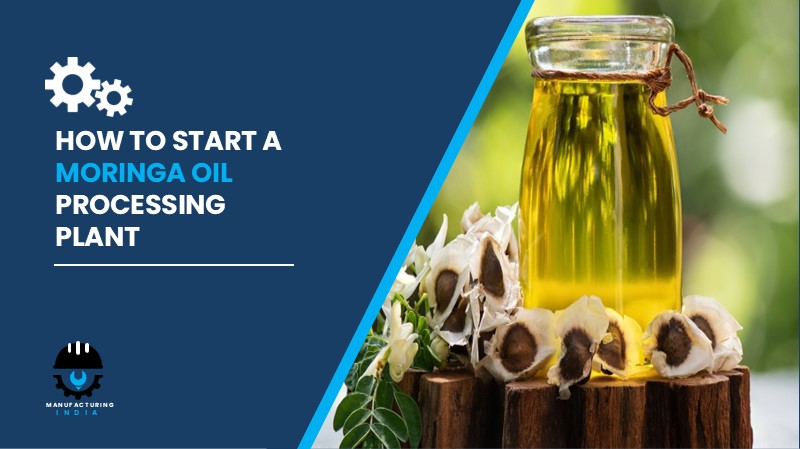
Moringa oil, also known as ben oil, is a vegetable oil derived from the seeds of the Moringa oleifera tree, commonly found in regions of Africa, Asia, and Latin America. The oil is obtained through either cold pressing or solvent extraction of the seeds, resulting in a light yellow oil with a mild, pleasant odour. Known for its high content of oleic acid and vitamin E, moringa oil is praised for its moisturising, rejuvenating, and healing properties. It has been used for centuries in traditional medicine and cosmetic products due to its powerful antioxidant and anti-inflammatory effects. Its applications range from skincare products such as lotions, creams, and shampoos to hair oils and lip balms. The oil is also used in aromatherapy for its soothing properties.
The primary production method involves harvesting, cold pressing or solvent extraction of seeds, filtration, refining, packaging, and quality control a multi-step agri-processing operation integrating agricultural raw material management, controlled cold-press or solvent extraction, filtration, and quality verification. Moringa trees produce 15,000 to 25,000 seeds annually, with an oil content of 19–40% per seed providing a generous and consistent extraction yield for processors investing in the moringa value chain. The oil’s high yield of moringa trees and oil content of 19–40% per seed position moringa oil as a sustainable and cost-effective alternative to conventional vegetable oils for premium cosmetic and nutraceutical applications. End-use industries served include cosmetics and personal care, pharmaceuticals, food and beverages, aromatherapy, and health and wellness.
Cost of Setting Up a Moringa Oil Processing Plant in India
The total investment required to establish a moringa oil processing plant in India depends on plant capacity, oil extraction technology selection, geographic location, level of automation, and compliance with cosmetics ingredient, food safety, and environmental regulatory requirements. Investors must account comprehensively for both one-time capital expenditure and recurring operational costs when preparing a feasibility study or detailed project report (DPR).
1. Capital Expenditure (CapEx)
Land and Site Development constitutes a foundational investment. Costs for land registration, boundary development, internal road layout, drainage infrastructure, and site levelling vary based on whether the facility is within a government-notified agro-processing industrial estate, a herbal and botanical extract processing cluster, or on privately acquired land in moringa seed-producing regions. Processing facilities in Rajasthan, Andhra Pradesh, and Tamil Nadu benefit from direct proximity to moringa seed procurement networks, reducing both inbound transportation costs and seed quality deterioration risk before pressing.
Civil Works and Construction encompasses the seed receiving and storage hall maintained under low-humidity and pest-proof conditions to preserve seed oil quality and bioactive content along with the seed cleaning and preparation area, cold-press or solvent extraction facility, filtration and clarification room, refining area for premium-grade oil, quality control laboratory, finished oil storage tanks, packaging hall, and administrative block. Food-grade and cosmetic ingredient-grade facility construction standards apply throughout, given moringa oil’s primary end-use in personal care and pharmaceutical applications.
Machinery and Equipment represent the single largest component of capital expenditure. Key machinery required for a moringa oil processing plant includes:
- Cold press machines
- Solvent extraction units
- Filtration equipment
- Drying machines
- Packaging machinery
- Quality testing equipment
Other Capital Costs include the effluent treatment plant (ETP) for managing seed cake moisture and press effluent streams, pre-operative expenses covering regulatory filings and feasibility study preparation, plant commissioning charges, utility connection fees, and import duties applicable to specialised cold-press equipment or solvent extraction technology sourced internationally for higher extraction yields.
Request a Sample Report for In-Depth Market Insights: https://www.imarcgroup.com/moringa-oil-processing-plant-project-report/requestsample
2. Operational Expenditure (OpEx)
Raw Material Cost is the dominant driver of operating expenditure, accounting for approximately 50–60% of total OpEx a notably lower proportion than most agri-processing categories, and one of the primary contributors to the exceptional 50–65% gross margins achievable in this business. The primary input is dried moringa seeds (de-hulled), with seed quality including oil content, freshness, moisture level, and absence of mould or contamination directly determining oil yield, colour, aroma, and bioactive compound content in the finished product. Moringa seed prices are subject to annual harvest seasonality, as moringa fruits ripen once per year in most growing regions, requiring investment in controlled-atmosphere seed storage to maintain oil quality through the processing off-season. Investors are advised to establish long-term procurement contracts with moringa farmers, tribal cooperative seed collection networks, and moringa plantation operators across Rajasthan, Andhra Pradesh, and Tamil Nadu, with seed quality testing protocols applied at the point of receipt to ensure consistent feed to the processing line.
Utility Costs – covering electricity for cold-press machines, solvent extraction units, filtration systems, drying machines, and facility operations account for approximately 10–15% of total OpEx. Cold-press extraction, while more energy-intensive per unit yield than solvent extraction, produces superior-grade oil with full bioactive compound retention commanding the premium market pricing that drives the exceptional gross margins of 50–65%. Solvent extraction is used for maximum yield from the seed cake remaining after cold pressing. Investors in regions with competitive industrial electricity tariffs and reliable power supply are better positioned to manage this cost component.
Other Operating Costs include outbound transportation to cosmetics ingredient buyers, pharmaceutical formulators, aromatherapy product manufacturers, health and wellness brands, and export freight to international natural beauty and premium ingredient buyers; packaging materials including amber glass or HDPE bottles, industrial drums, and bulk containers; employee salaries and wages for processing operators, quality chemists, and regulatory affairs personnel; equipment maintenance; quality assurance testing for oil purity, oleic acid content, vitamin E levels, and safety compliance; depreciation on civil and machinery assets; and applicable taxes. By the fifth year of operations, total operational costs are expected to increase substantially due to inflation, market fluctuations, potential rises in moringa seed prices, supply chain disruptions, rising consumer demand, and shifts in the global economy.
3. Plant Capacity
The proposed moringa oil processing facility is designed with an annual production capacity of approximately 50 MT, enabling economies of scale while maintaining operational flexibility across different oil grades raw cold-pressed, refined, and cosmetic-grade and customer specification requirements. This capacity level is well-aligned with the requirements of cosmetics ingredient buyers, pharmaceutical formulators, aromatherapy product manufacturers, and export buyers in North America and Europe seeking authentic cold-pressed moringa oil with certified nutritional and bioactive profiles. Given the high per-kilogram selling price of premium-grade moringa oil relative to other vegetable oils, a 50 MT annual production capacity can generate commercially significant revenue from a relatively contained processing infrastructure. Capacity can be customised based on investor requirements and moringa seed procurement network scale, and can be expanded through additional cold-press lines as supply contracts are developed and buyer relationships secured.
4. Profit Margins and Financial Projections
The moringa oil processing plant delivers the highest profitability profile of all agri-processing investment categories reviewed in this series. Gross profit margins typically range between 50–65%, reflecting the premium natural ingredient market positioning, rich bioactive compound content, and certification-backed quality differentiation of cold-pressed moringa oil relative to commodity vegetable oils. Net profit margins range between 25–40%, reflecting the moderate utility intensity and contained civil infrastructure cost of the cold-press processing model combined with the exceptional value the market places on authentic, certified moringa oil. A comprehensive financial analysis should include income projections, expenditure forecasts, gross and net margin tracking across Years 1 through 5, net present value (NPV), internal rate of return (IRR), payback period, and a full profit and loss account. Sensitivity analysis covering moringa seed price movements and export market selling price variability is recommended for investment-grade financial planning.
Why Set Up a Moringa Oil Processing Plant in India?
Growing Global Demand for Natural and Organic Cosmetic Ingredients. The moringa oil market is driven by the increasing preference for natural, organic, and sustainable ingredients in cosmetics, pharmaceuticals, and health products. Consumers worldwide are increasingly seeking natural, organic, and sustainable products in personal care, wellness, and food, driving demand for moringa oil as an eco-friendly alternative to synthetic ingredients. This trend is accelerating in both India’s domestic natural beauty market and in premium export markets across Europe and North America where certified organic natural oils command the highest price premiums.
Exceptional Nutritional and Therapeutic Value Supporting Premium Pricing. Moringa oil’s high content of oleic acid up, linolenic acid, vitamin E, and antioxidants makes it a uniquely valuable ingredient in skin health, anti-ageing treatments, and hair care formulations. These distinctive nutritional properties, combined with its anti-inflammatory and antimicrobial bioactivity, position moringa oil as a premium active ingredient in skincare serums, moisturisers, and hair oils that justify significantly higher market prices than commodity botanical oils directly supporting the exceptional gross margins achievable in this processing category.
Sustainability Credentials Strengthening Export Market Premium. The Moringa oleifera tree is highly sustainable, thriving in arid regions and requiring minimal water and pesticide usage, making moringa oil production environmentally friendly and increasingly attractive to eco-conscious consumers globally. India’s moringa cultivation in semi-arid regions including Rajasthan and parts of Andhra Pradesh aligns perfectly with the global demand for sustainably sourced, low-water-footprint botanical ingredients, enabling processors to command sustainability premiums in international natural cosmetics and wellness ingredient markets.
COSMOS-Certified Ingredient Innovation Expanding Premium Market Access. In March 2025, Lipoid Kosmetik introduced MorinGuard, a COSMOS and NATRUE-approved cosmetic active ingredient that combines exceptional skincare benefits with a strong focus on sustainability and social responsibility. Unveiled at the in-cosmetics Global event in Amsterdam, MorinGuard innovatively upcycles moringa seed cake a by-product of oil extraction to create a revolutionary cosmetic ingredient. This COSMOS-certified product launch by a leading Swiss cosmetics ingredient company directly validates moringa’s premium positioning in the global natural cosmetics ingredient market and signals the growing sophistication of moringa-derived product development that Indian processors can access through their own cold-press and seed cake valorisation capabilities.
Domestic Partnership Investment Confirming India Market Viability. In June 2024, Ajooni Biotech partnered with Avalon Bioenergy to establish sustainable moringa processing plants in India. The collaboration involves setting up crushing and drying mills to process moringa seeds and leaves, with Avalon focusing on extracting oil for marketing and processing and Ajooni using the leftover oil cake to produce animal feed for domestic distribution and exports. This partnership structure combining oil extraction with oil cake valorisation for animal feed demonstrates the integrated circular economy model that maximises value extraction from moringa seeds and improves overall plant economics beyond oil revenue alone.
Diversification of Applications Driving Multi-Sector Revenue Opportunities. As the market for plant-based oils grows, moringa oil is gaining popularity in a wide range of sectors from premium personal care products and dietary supplements to aromatherapy and cooking oil applications. This application diversification provides moringa oil processors with multiple buyer segments across cosmetics, pharmaceutical, food, and wellness channels, reducing revenue dependence on any single industry’s procurement cycle and improving overall commercial resilience.
Processing Process – Step by Step
The moringa oil processing plant uses harvesting, cold pressing or solvent extraction of seeds, filtration, refining, packaging, and quality control as the primary production method. Below are the main stages involved in the moringa oil processing process flow:
- Moringa Seed Procurement and Receipt: Dried moringa seeds (de-hulled) are sourced from contracted farms, cooperative collection networks, or direct farmgate procurement across India’s moringa-growing districts, received at the facility, weighed, and inspected for seed quality including moisture content, oil content grade, mould absence, and contamination status before being cleared for processing.
- Seed Cleaning and Sorting: Incoming dried moringa seeds are cleaned using mechanical screens and air separation to remove foreign matter including stones, dust, and damaged or undersized seeds that would impair oil yield and quality before entering the pressing stage.
- De-hulling (where not pre-processed): Where seeds arrive with hulls intact, de-hulling equipment removes the outer seed coat to expose the oil-bearing kernel, improving cold-press extraction efficiency and reducing hull-derived impurities in the finished oil.
- Drying: Drying machines adjust seed moisture content to the optimal specification for cold-press extraction typically below 8% maximising oil yield and preventing microbial contamination or rancidity during the pressing operation.
- Cold Pressing: Cold press machines extract moringa oil from the cleaned and dried seeds through mechanical pressing at controlled low temperatures that preserve the complete bioactive compound profile including oleic acid at up to 77.8%, vitamin E, and antioxidant compounds which would be partially degraded by heat in expeller-pressed or refined oil production. Cold pressing produces raw moringa oil and a moringa seed cake as the primary co-product.
- Solvent Extraction (for Maximum Yield): Solvent extraction units process the moringa seed cake remaining after cold pressing to recover the residual oil content using food-grade solvent, maximising overall oil yield per tonne of seed input. The solvent-extracted fraction is blended with or processed separately from the cold-pressed oil depending on product grade requirements.
- Primary Filtration: The raw pressed or extracted moringa oil passes through filtration equipment to remove suspended solid particles including seed fibre, fine seed particles, and press debris, producing a clarified oil with reduced turbidity before secondary purification.
- Secondary Filtration and Clarification: Further filtration through finer filter media using filter press or centrifugation systems produces the clear, specification-grade moringa oil required by cosmetics ingredient, pharmaceutical, and premium food buyers. This stage achieves the oil clarity, colour, and purity standards that enable certification under COSMOS and NATRUE standards for cosmetic ingredient applications.
- Refining (for Refined Grade Products): Where refined moringa oil is targeted for specific pharmaceutical or food applications requiring reduced colour and odour, refining steps including degumming, neutralisation, bleaching, and deodorisation are applied to produce light-coloured, neutral-flavoured refined moringa oil suitable for these high-purity applications.
- Quality Inspection and Testing: Quality testing equipment and analytical instruments verify finished moringa oil for oleic acid content, vitamin E levels, free fatty acid value, peroxide value, colour, viscosity, moisture, microbial safety, and heavy metal content. Batch release is conditional on all parameters meeting product specification for the designated oil grade and market application.
- Storage: Finished moringa oil is stored in temperature-controlled, light-protected storage tanks to preserve bioactive compound stability and prevent oxidation-related quality degradation during inventory holding periods.
- Packaging: Packaging machinery fills finished moringa oil into amber glass bottles or HDPE containers for cosmetics ingredient and retail applications, industrial drums for bulk pharmaceutical and food industry buyers, and bulk containers for export shipments. Labels apply product name, fatty acid profile certification, batch code, best-before date, and applicable quality certification marks including organic certification and COSMOS approval where applicable for full supply chain traceability and regulatory compliance.
- Dispatch to End-Use Industries: Finished moringa oil is dispatched to cosmetics and personal care product manufacturers, pharmaceutical and herbal product formulators, aromatherapy product producers, health and wellness supplement brands, and export buyers in international premium natural ingredient markets.
Key Applications
Moringa oil produced at this type of facility serves five primary end-use sectors with specific oil grade, purity, certification, and packaging requirements for each:
- Cosmetics and Personal Care: Used in anti-ageing serums, moisturisers, and hair oils as a natural active ingredient providing hydration, nourishment, and antioxidant skin protection the largest and highest-value application segment for premium cold-pressed moringa oil globally.
- Pharmaceuticals: Incorporated in topical treatments for eczema, acne, and wound care products due to its anti-inflammatory, antimicrobial, and healing properties requiring pharmaceutical-grade purity and quality documentation for clinical and regulatory compliance.
- Food and Beverages: Used in certain regional applications as a cooking oil with high smoking point and nutritional value rich in oleic acid and providing a healthy fat alternative for health-conscious consumers.
- Aromatherapy: Used in massage oils and essential oil blends for its calming and soothing properties, contributing moisturising and skin-nourishing benefits alongside aromatic relaxation properties in aromatherapy and wellness product formulations.
- Health and Wellness: Incorporated in anti-inflammatory supplements, immune-boosting products, and nutraceutical formulations due to its rich content of antioxidants and essential fatty acids a growing application driven by the premiumisation of the global natural wellness supplement market.
Leading Moringa Oil Processors
The global moringa oil industry is served by a range of specialist processors with strong domestic and international supply chain relationships. Key players include:
- Sabinsa
- Amruta Herbals
- Vee Kay International
- AE Chemie
- Caribbean Natural
- Amsar
- Kupanda
- Biocosmethic
- Grenera
Timeline to Start the Plant
Investors planning to establish a moringa oil processing plant in India should anticipate the following project development phases:
- Feasibility study and project report preparation
- Land acquisition and site development
- Regulatory approvals and environmental clearances
- Factory licence and fire safety compliance
- Machinery procurement and installation
- Raw material supplier agreements and supply chain setup
- Trial production and quality testing
- Commercial production launch
Licences and Regulatory Requirements
Starting a moringa oil processing unit in India requires several approvals:
- Business registration (Proprietorship, LLP, or Private Limited Company)
- Factory Licence under the Factories Act
- FSSAI (Food Safety and Standards Authority of India) licence where moringa oil is produced for food, cooking, or edible supplement applications
- Environmental Clearance from the State Pollution Control Board
- GST Registration
- Fire Safety NOC
- Effluent Treatment Plant (ETP) operational clearance for seed processing waste and press effluent management
- APEDA registration and export certification for manufacturers targeting international natural cosmetics ingredient, pharmaceutical, and health food export markets
- NPOP or NOP organic certification from accredited certifying agencies for moringa oil marketed to certified organic cosmetics, wellness, and food buyers
- COSMOS or NATRUE cosmetic ingredient certification for premium European and North American cosmetics market access where applicable
- Occupational Health and Safety compliance covering seed processing and solvent extraction operations
Key Challenges to Consider
Moringa Seed Supply Seasonality and Storage Quality Management. Moringa seeds ripen once annually in most growing regions, creating a concentrated procurement window during which processors must acquire and store sufficient seed volumes to support year-round production at scale. Seed oil quality including oleic acid content, vitamin E levels, and rancidity resistance degrades with prolonged or improper storage, requiring investment in controlled-atmosphere seed storage infrastructure to maintain processing quality and premium oil specifications throughout the off-harvest period.
Cold-Press Process Control for Bioactive Compound Preservation. The oleic acid and the vitamin E and antioxidant profile that justify moringa oil’s premium market positioning are sensitive to processing temperature, oxidation exposure, and light degradation during extraction, storage, and packaging. Maintaining strict cold-press temperature control, minimising oxygen exposure during processing, and using light-protected packaging are essential quality management requirements for producing the premium-grade oil that commands 50–65% gross margins.
Export Market Certification and COSMOS Compliance. International cosmetics ingredient buyers particularly in Europe and North America where the premium natural cosmetics market is most developed require COSMOS or NATRUE certification, organic certification documentation, safety data sheets, batch-specific quality test certificates, and in many cases supplier audits before qualifying moringa oil from new producers. Obtaining and maintaining these certifications adds pre-market preparation time and ongoing compliance overhead that must be built into the production economics from the outset.
Competition from Established Processors and Global Natural Oil Players. The moringa oil market is served by established international processors including Sabinsa, Amsar, and Grenera alongside other specialist natural oil producers. New Indian processors must differentiate through certified organic production, superior cold-press quality and oleic acid content certification, consistent year-round supply capability, and value-added product development including upcycled seed cake ingredients as pioneered by Lipoid Kosmetik’s March 2025 MorinGuard launch to build sustainable competitive positioning.
Scale Constraints at Premium Price Points. Moringa oil’s premium price positioning in cosmetics and pharmaceutical markets limits the buyer pool for large-volume procurement relative to commodity vegetable oil markets. Processors must develop multiple buyer relationships across cosmetics brands, pharmaceutical formulators, aromatherapy producers, and health food companies to build sufficient volume across the 50 MT annual capacity benchmark, requiring a proactive and diversified sales development approach from the outset of commercial operations.
Regulatory Compliance for Cosmetics and Pharmaceutical Applications. Moringa oil supplied as an active ingredient in cosmetic formulations must meet cosmetic ingredient safety assessment requirements in European and North American markets, and pharmaceutical-grade purity specifications for therapeutic application buyers. Maintaining the quality documentation, traceability records, and certification currency required by these regulated buyer markets demands dedicated regulatory affairs investment that goes beyond typical agricultural commodity export requirements.
Frequently Asked Questions
1. How much does it cost to set up a moringa oil processing plant in India?
The total cost depends on plant capacity (approximately 50 MT per annum and above), oil extraction technology selection, location, and automation level. CapEx covers land, food-grade agri-processing civil construction, and machinery including cold press machines, solvent extraction units, filtration equipment, drying machines, packaging machinery, and quality testing equipment, along with pre-operative and regulatory costs including organic certification and COSMOS compliance preparation.
2. Is moringa oil processing profitable in India in 2026?
Yes with the highest profitability profile in this investment series. Gross margins of 50–65% and net margins of 25–40%, supported by a global market growing at 6.3% CAGR toward USD 536.26 million by 2034, premium demand from cosmetics, pharmaceutical, and wellness sectors, and India’s unmatched moringa seed supply infrastructure, make this one of the most financially exceptional agri-processing investment opportunities available.
3. What machinery is required for a moringa oil processing plant in India?
Key equipment includes cold press machines, solvent extraction units, filtration equipment, drying machines, packaging machinery, and quality testing equipment. Supporting systems include seed cleaning and de-hulling equipment, centrifugation or filter press systems for premium clarification, temperature-controlled oil storage tanks, and analytical laboratory instruments for oleic acid, vitamin E, and safety quality testing.
4. What licences and approvals are required to start a moringa oil processing plant in India?
Required approvals include business registration, Factory Licence, FSSAI licence where food applications are targeted, Environmental Clearance, GST Registration, Fire Safety NOC, ETP operational clearance, NPOP or NOP organic certification where applicable, APEDA export registration for international market access, and COSMOS or NATRUE certification where premium European cosmetics market entry is targeted.
5. What raw materials are needed for moringa oil processing?
The primary raw material is dried moringa seeds (de-hulled) from Moringa oleifera trees. For cold-press processing, no solvent is used. Where solvent extraction is employed for maximum seed cake oil recovery, food-grade hexane is the extraction solvent. Packaging materials for bottles, drums, and bulk export containers are additional inputs.
6. What are the environmental compliance requirements for a moringa oil processing plant in India?
Environmental Clearance from the State Pollution Control Board is required, along with an ETP for managing seed cake moisture, press effluent, and organic waste streams, compliance with organic waste composting or disposal rules for moringa seed cake by-product management, and adherence to water discharge standards applicable to agri-processing operations. Where solvent extraction is employed, solvent recovery system compliance adds further environmental management requirements.
7. What is the best location to set up a moringa oil processing plant in India?
States with high moringa tree density and established seed collection networks particularly Rajasthan, Andhra Pradesh, Tamil Nadu, Uttar Pradesh, and Madhya Pradesh offer the best combination of seed procurement access at farmgate costs, agri-processing infrastructure, export logistics connectivity through established port hubs, and government organic farming and herbal product export incentive support for moringa oil processing investment.
8. What is the break-even period for this type of plant in India?
The break-even period depends on plant capacity utilisation, oil grade mix between cold-pressed premium and refined grades, export market development speed, and seed procurement cost management across the annual harvest cycle. A full NPV and IRR analysis incorporating sensitivity testing for moringa seed price and export selling price variability is recommended for investment-grade financial planning.
9. What government incentives are available for moringa oil processors in India?
National Mission for Sustainable Agriculture organic farming promotion support, APEDA agricultural and processed food export development grants, Ministry of AYUSH herbal product research and export incentives, MoFPI agro-processing infrastructure support, NMSA organic certification support, state-level agro-industrial incentive schemes in Rajasthan and Andhra Pradesh, and government initiatives for promoting organic and herbal product exports all provide relevant financial and regulatory backing for qualifying moringa oil processing investments.
Key Takeaways for Investors
A moringa oil processing plant in India represents the highest-margin agri-processing investment opportunity reviewed in this series delivering gross margins of 50–65% and net margins of 25–40% from a starting production capacity of 50 MT per annum, within a global market growing at 6.3% CAGR from USD 309.44 million in 2025 toward USD 536.26 million by 2034, driven by escalating demand for natural, organic, and sustainably sourced botanical oils in premium cosmetics, pharmaceutical, aromatherapy, and wellness applications globally. India’s position as the world’s most abundantly endowed moringa-growing nation with trees producing 15,000 to 25,000 seeds annually at 19–40% oil content provides processors with the lowest farmgate moringa seed procurement costs available anywhere in the world, directly underpinning the exceptional profitability that distinguishes this investment from every other agricultural oil processing category. Landmark industry developments including Lipoid Kosmetik’s March 2025 launch of COSMOS and NATRUE-approved MorinGuard from upcycled moringa seed cake at in-cosmetics Global Amsterdam, and Ajooni Biotech’s June 2024 partnership with Avalon Bioenergy to establish moringa processing plants in India confirm the active product innovation and domestic investment momentum that is driving moringa oil’s transition from niche botanical to globally traded premium cosmetic ingredient. With India’s natural personal care industry expanding, export demand from European and North American natural cosmetics brands growing, and the seed cake co-product increasingly valorised as a premium animal feed ingredient as demonstrated by the Ajooni-Avalon model, the long-term investment returns and commercial sustainability of moringa oil processing in India are comprehensively and exceptionally well-supported for the decade ahead.
About the Author