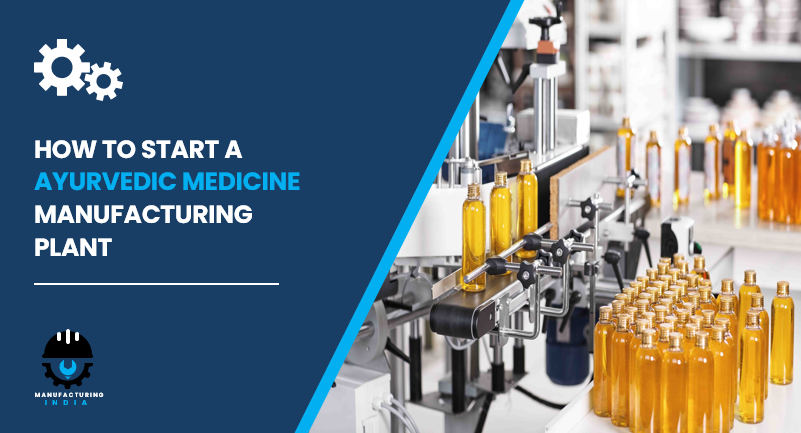
The global wellness movement has positioned ayurvedic medicine at the forefront of holistic healthcare solutions. Governments, healthcare practitioners, and consumers increasingly embrace traditional medicine systems that offer natural, time-tested remedies aligned with preventive health principles. In this transforming landscape, the ayurvedic medicine manufacturing plant presents substantial opportunities for investment and sustainable growth.
Establishing an ayurvedic medicine production facility requires strategic planning and comprehensive understanding of regulatory frameworks, quality standards, and manufacturing protocols. From selecting appropriate machinery to sourcing authentic herbs and managing complex compliance requirements, each step contributes to building a credible and competitive business. This guide outlines the essential phases involved in setting up an ayurvedic medicine manufacturing plant, with practical details on investment needs, regulatory compliance, production workflows, and market positioning.
The ayurvedic pharmaceutical sector has experienced remarkable expansion, driven by growing consumer awareness about side effects of synthetic drugs and preference for natural alternatives. The Indian ayurvedic market alone has shown consistent double-digit growth rates, with increasing export potential to markets in North America, Europe, Southeast Asia, and the Middle East.
Modern consumers actively seek authentic ayurvedic formulations for chronic disease management, immunity enhancement, and overall wellness. Healthcare practitioners increasingly recommend ayurvedic medicines as complementary treatments alongside conventional therapies. Corporate wellness programs incorporate ayurvedic products, and e-commerce platforms have made these remedies accessible to a global audience.
The sector benefits from government support through various initiatives promoting traditional medicine systems. Research institutions and universities are validating ancient formulations through scientific studies, lending credibility to ayurvedic products. This convergence of traditional wisdom and modern science creates a robust foundation for entrepreneurial ventures in ayurvedic medicine manufacturing.
Investors find this sector attractive due to relatively stable demand patterns, recurring customer relationships built on trust, and expanding applications ranging from classical formulations to modern wellness supplements. With proper licensing, quality systems, and market positioning, an ayurvedic medicine manufacturer can establish a sustainable business serving diverse customer segments from retail pharmacies to institutional buyers and export markets.
Request a Sample Report for In-Depth Market Insights: https://www.imarcgroup.com/ayurvedic-medicine-manufacturing-plant-project-report/requestsample
Market Research and Business Planning
Before allocating capital or procuring equipment, thorough market analysis and detailed business planning provide the foundation for a viable ayurvedic medicine venture. While the sector appears promising, success depends on understanding supply dynamics, competitive landscape, regulatory requirements, and operational challenges specific to pharmaceutical manufacturing.
Identifying the Target Market
Clear understanding of end users guides production scope and product portfolio development. Primary customers include retail pharmacies, ayurvedic clinics, hospitals with integrated medicine departments, wellness centers, spa chains, and direct consumers through online channels. Some buyers seek classical formulations listed in authoritative texts, while others demand proprietary products, personalized formulations, or modern wellness supplements.
Export markets present significant opportunities, particularly in countries with established alternative medicine acceptance. Understanding regulatory requirements for target export destinations influences product development, documentation standards, and quality protocols from the outset.
Competitor Analysis
Mapping established players clarifies positioning opportunities in product range, pricing, quality standards, and market segments. Studying competitors reveals strengths in their distribution networks, brand recognition, product innovations, and customer loyalty programs. Analyzing their weaknesses uncovers opportunities for differentiation—whether through superior quality control, traditional preparation methods, certified organic ingredients, innovative delivery systems, or specialized therapeutic categories.
Regional manufacturers often dominate local markets through established relationships and competitive pricing, while national brands leverage marketing investments and wider distribution. Identifying gaps in product availability, quality concerns, or unmet therapeutic needs helps carve out a distinct market position.
Tracking Industry Trends
The ayurvedic sector evolves with emerging consumer preferences, scientific research, regulatory changes, and technological advances. Current trends include demand for certified organic herbs, standardized extracts with validated bioactive markers, modern dosage forms like capsules and syrups alongside traditional preparations, combination products addressing specific health conditions, and transparent sourcing with traceability.
Staying informed through industry associations, regulatory updates, scientific journals, and trade exhibitions ensures operations remain aligned with market expectations and compliance requirements.
Preparing a Detailed Business Plan
The business plan defines operational framework, financial projections, and growth strategy over the initial years. Essential components include:
- Executive Summary: Overview of business vision, product categories, target markets, and revenue objectives.
- Company Details: Legal structure, ownership, location, manufacturing capacity, and quality certifications planned.
- Product Portfolio: Categories of medicines to be manufactured—classical ayurvedic formulations, proprietary products, wellness supplements, external applications, or specialized therapeutic lines.
- Market Analysis: Insights from research on demand patterns, competitor positioning, pricing strategies, and distribution channels.
- Regulatory Strategy: Planned licenses, quality certifications, compliance framework, and timelines for regulatory approvals.
- Manufacturing Plan: Production processes, equipment specifications, quality control systems, and capacity utilization projections.
- Marketing and Sales Strategy: Brand development, promotional activities, distribution partnerships, digital presence, and sales forecasting.
- Financial Projections: Capital investment requirements, working capital needs, revenue forecasts, cost structures, break-even analysis, profitability timelines, and funding sources.
- Risk Management: Identification of regulatory, quality, supply chain, and market risks with mitigation strategies.
Financial institutions, investors, and licensing authorities evaluate business viability through comprehensive plans. A structured plan guides decision-making throughout setup and operations. Once planning is secure, ensuring regulatory compliance becomes the critical next step.
Legal and Regulatory Requirements
Ayurvedic medicine manufacturing faces stringent regulatory oversight to ensure product safety, quality, and efficacy. Compliance with pharmaceutical regulations, drug licensing requirements, and quality standards is mandatory. Overlooking regulatory requirements can result in license rejections, production shutdowns, legal penalties, and reputational damage.
Choosing the Right Legal Structure
Legal structure determines tax obligations, liability protection, capital raising ability, and regulatory compliance requirements. Small-scale manufacturers may consider proprietorships or partnerships, though pharmaceutical manufacturing typically requires more formal structures. Private limited companies or limited liability partnerships offer credibility, liability protection, and easier access to institutional funding and government incentives.
Mandatory Registrations
After finalizing legal structure, businesses must register with relevant authorities:
- Company Registration: Certificate of Incorporation for companies or partnership deed registration for partnerships.
- Tax Registration: Permanent Account Number (PAN), Goods and Services Tax (GST) registration, and professional tax registration.
- Drug License: Manufacturing license under the Drugs and Cosmetics Act is mandatory. This involves detailed application with premises information, manufacturing facilities, quality control systems, qualified personnel credentials, and product formulations.
- State and Central Licenses: Depending on product categories and business scope, licenses from State Drug Control Departments and potentially Central Licensing Authority may be required.
Critical Licenses and Approvals
Manufacturing License:
The cornerstone license issued by State Drug Control authorities after thorough inspection of premises, equipment, quality control facilities, and personnel qualifications. License specifies approved dosage forms and manufacturing capacity. Renewal requires maintaining compliance with Good Manufacturing Practices (GMP) standards.
GMP Certification:
Good Manufacturing Practices certification ensures facilities, processes, and quality systems meet pharmaceutical manufacturing standards. Regular inspections verify ongoing compliance. GMP certification is increasingly required for market access, institutional sales, and export opportunities.
Trade License:
Local municipal authorities issue trade licenses permitting commercial operations at the specified premises.
Pollution Control Clearance:
State Pollution Control Board clearance confirms environmental compliance. Ayurvedic manufacturing generates herbal waste, process effluents, and packaging materials requiring proper management systems.
Fire and Safety Compliance:
Fire department inspections verify safety measures including fire extinguishers, emergency exits, firefighting equipment, and safety training programs meet prescribed standards.
Additional Certifications:
- ISO Certification: ISO 9001 for quality management systems enhances credibility.
- WHO-GMP: World Health Organization GMP certification facilitates export to international markets.
- Organic Certification: For products using certified organic ingredients, certifications from agencies like India Organic, USDA Organic, or EU Organic add significant market value.
- Ayush Premium Mark: Voluntary certification indicating superior quality standards.
Product Registration and Labeling
Each product formulation requires proper documentation including formulation details, manufacturing process, quality specifications, stability data, and proposed labeling. Labels must comply with regulatory requirements specifying ingredients, dosage instructions, contraindications, storage conditions, batch numbers, manufacturing dates, and expiry dates.
Qualified Persons
Regulations mandate employing qualified technical staff including:
- Technical Director: Graduate in ayurveda (BAMS) or related discipline overseeing formulation development and production.
- Quality Control In-charge: Qualified person responsible for quality testing and compliance.
- Production Manager: Experienced person managing manufacturing operations.
Maintaining Compliance
Pharmaceutical regulations require maintaining detailed records of raw material procurement, manufacturing batch records, quality control tests, distribution records, and customer complaints. Annual license renewals, periodic inspections, and timely reporting to regulatory authorities are mandatory. Many manufacturers engage regulatory consultants to manage complex compliance requirements.
A robust regulatory foundation protects operations, builds stakeholder confidence, and enables market expansion. With licenses secured, attention shifts to establishing manufacturing infrastructure.
Setting Up the Manufacturing Unit
The manufacturing facility forms the operational core of an ayurvedic medicine business. A well-designed, compliant facility ensures consistent product quality, operational efficiency, and regulatory adherence. Location selection, facility design, and infrastructure development require careful planning.
Selecting an Appropriate Location
Strategic location selection impacts operational costs, regulatory compliance, and supply chain efficiency. Key considerations include:
- Regulatory Zoning: Location must be in areas approved for pharmaceutical manufacturing by local authorities.
- Raw Material Access: Proximity to herb cultivation regions or reliable suppliers reduces procurement costs and ensures freshness of botanical materials.
- Infrastructure: Adequate road connectivity, reliable power supply, clean water availability, and waste management infrastructure are essential.
- Skilled Workforce: Access to qualified pharmaceutical professionals, trained operators, and technical support personnel.
- Environmental Suitability: Clean air quality, low pollution levels, and controlled humidity support product stability and manufacturing conditions.
Industrial estates specifically designated for pharmaceutical manufacturing offer advantages including pre-approved zoning, shared infrastructure, and streamlined regulatory approvals.
Estimating Space Requirements
Total space depends on production capacity, product range, and dosage forms manufactured. A typical layout includes:
- Raw Material Storage: Temperature-controlled areas for herbs, excipients, and active ingredients with proper segregation, pest control, and inventory management systems.
- Processing Areas: Dedicated zones for different operations including herb cleaning, size reduction, decoction preparation, formulation mixing, and dosage form manufacturing.
- Quality Control Laboratory: Equipped laboratory for testing raw materials, in-process checks, and finished product analysis meeting pharmacopoeial standards.
- Packaging Area: Clean area for primary and secondary packaging with labeling facilities.
- Finished Goods Storage: Climate-controlled warehouse for finished products organized by batch and expiry dates.
- Utilities and Support: Areas for equipment maintenance, waste management, utilities generation, and staff facilities.
- Administrative Block: Offices for management, quality assurance, regulatory affairs, and documentation.
Facility Design Requirements
Pharmaceutical manufacturing demands specific design standards:
- Segregated Areas: Clear separation between different production stages prevents cross-contamination.
- Controlled Environment: HVAC systems maintaining temperature, humidity, and air quality per GMP requirements.
- Material Flow: Logical layout enabling smooth material movement from raw material receipt through production to finished goods dispatch.
- Personnel Flow: Separate entry points, changing rooms, and hygiene facilities for staff.
- Surfaces and Finishes: Smooth, easily cleanable walls, floors, and ceilings using non-reactive, pharmaceutical-grade materials.
- Drainage Systems: Proper drainage preventing water accumulation and facilitating cleaning operations.
Utility Arrangements
Robust utility systems support consistent manufacturing:
- Water Supply: Purified water meeting pharmaceutical standards for product manufacturing and equipment cleaning. Water purification systems including reverse osmosis, distillation, or other approved technologies.
- Power Supply: Uninterrupted power for climate control, equipment operation, and quality control instruments. Backup generators ensure continuous operations during power outages.
- Compressed Air: Clean, dry compressed air for pneumatic equipment and as a product ingredient where specified.
- Steam Generation: Boilers providing steam for sterilization, heating processes, and cleaning operations.
- Waste Management: Effluent treatment plants for liquid waste, solid waste segregation and disposal systems, and hazardous waste handling as per environmental regulations.
Safety and Security
Manufacturing facilities require comprehensive safety systems:
- Fire Safety: Detection systems, suppression equipment, emergency exits, and evacuation procedures.
- Chemical Safety: Safe storage of flammable materials, proper ventilation, spill containment, and personal protective equipment.
- Security Systems: Access control, surveillance cameras, and perimeter security protecting premises, materials, and intellectual property.
Thoughtful facility design meeting regulatory standards and operational needs creates a foundation for quality production and business growth. With infrastructure established, focus shifts to selecting and installing appropriate manufacturing equipment.
Understanding Ayurvedic Medicine Manufacturing Technology and Machinery
Modern ayurvedic medicine manufacturing combines traditional preparation principles with contemporary equipment and quality control systems. Appropriate technology selection influences product quality, production capacity, operational costs, and regulatory compliance.
The Ayurvedic Medicine Manufacturing Process
Production processes vary by dosage form but typically involve several key stages:
Classical Formulations:
- Raw Material Receipt and Inspection: Herbs and ingredients received, authenticated, and tested for identity, purity, and quality.
- Cleaning and Preparation: Herbs cleaned to remove impurities, dried or processed as per classical methods.
- Size Reduction: Herbs powdered using grinders, mills, or pulverizers to specified particle sizes.
- Formulation Preparation: Ingredients mixed in prescribed proportions, often involving classical processes like decoction, fermentation, or medicated oil preparation.
- Dosage Form Manufacturing: Conversion into tablets, capsules, syrups, ointments, or traditional forms.
- Quality Control Testing: Rigorous testing for identity, potency, microbial limits, heavy metals, and stability.
- Packaging: Primary and secondary packaging with proper labeling.
Modern Formulations:
Modern ayurvedic products may incorporate standardized extracts, granulation processes, sophisticated compression techniques, and advanced coating systems while maintaining ayurvedic principles.
Types of Manufacturing Equipment
Equipment requirements depend on production scale and product portfolio:
Basic Processing Equipment:
- Herb Cleaning Machines: Mechanical cleaners removing dirt, stones, and foreign materials.
- Size Reduction Equipment: Mills, grinders, and pulverizers producing uniform particle sizes.
- Mixing Equipment: Planetary mixers, ribbon blenders, or V-blenders for homogeneous formulation mixing.
- Extraction Systems: Equipment for preparing decoctions, infusions, or concentrated extracts.
Dosage Form Specific Equipment:
- Tablet Manufacturing: Tablet compression machines (single-station or rotary presses), coating equipment, and polishing systems.
- Capsule Filling: Manual or automatic capsule filling machines depending on production volume.
- Liquid Preparations: Stainless steel vessels with heating and stirring systems for syrups, arishtams, and asavas. Filtration equipment and filling machines.
- Semi-solid Preparations: High-shear mixers and homogenizers for creams and ointments. Tube or jar filling equipment.
- Powder Packaging: Automatic powder filling and sealing machines.
Quality Control Equipment:
- Laboratory Instruments: HPLC, UV-Spectrophotometer, microscopes, pH meters, moisture analyzers, and disintegration testers.
- Microbiology Equipment: Autoclaves, laminar air flow cabinets, incubators, and colony counters.
- Physical Testing: Hardness testers, friability testers, dissolution apparatus for tablet testing.
Utilities and Support Equipment:
- Water Purification Systems: RO plants, distillation units, and storage systems.
- Boilers and Steam Systems: For sterilization and heating processes.
- HVAC Systems: Air handling units maintaining controlled manufacturing environments.
Factors to Consider When Choosing Machinery
Equipment selection requires evaluating multiple factors:
- Production Capacity: Machinery should match planned production volumes with growth accommodation.
- Product Range: Versatile equipment handling multiple products or dedicated systems for specialized formulations.
- Quality Standards: Equipment meeting pharmaceutical GMP requirements with proper documentation.
- Automation Level: Balance between manual, semi-automatic, and fully automatic systems based on budget and operational requirements.
- Maintenance and Support: Reliable after-sales service, spare parts availability, and technical support from suppliers.
- Regulatory Compliance: Equipment should facilitate compliance with manufacturing and quality control requirements.
- Energy Efficiency: Modern equipment with lower energy consumption reduces operational costs.
- Validation Capability: Equipment that can be validated for consistent performance meeting regulatory expectations.
Selecting established equipment manufacturers with pharmaceutical industry experience and strong service networks ensures reliable long-term operations. Once machinery is selected, securing quality raw materials becomes the priority.
Sourcing High-Quality Raw Materials
Ayurvedic medicine quality fundamentally depends on raw material authenticity, purity, and potency. Botanical ingredients vary significantly based on species, cultivation practices, harvest timing, storage conditions, and processing methods. Establishing reliable sourcing systems ensures consistent product quality and regulatory compliance.
Types of Raw Materials
Primary Botanical Materials:
- Herbs and Plants: Fresh or dried herbs forming the therapeutic core of formulations. Authenticity verification prevents substitution or adulteration.
- Minerals and Metals: Processed minerals and metals used in classical preparations requiring specialized purification procedures.
- Animal-derived Materials: Limited use in certain traditional formulations, requiring ethical sourcing and regulatory compliance.
Secondary Materials:
- Excipients: Binders, fillers, disintegrants, and lubricants used in tablet and capsule manufacturing.
- Solvents and Media: Water, ethanol, oils, and other media for extraction, processing, or as formulation ingredients.
- Packaging Materials: Primary packaging (blisters, bottles, tubes) and secondary packaging (cartons, labels).
Quality Parameters for Herbs
Authentic, high-quality herbs exhibit specific characteristics:
- Correct Botanical Identity: Scientific authentication confirming genus and species.
- Maturity and Harvest Timing: Collection at optimal growth stages when active constituents peak.
- Part Used: Correct plant parts (root, leaf, seed, bark) as specified in formulations.
- Physical Characteristics: Appearance, color, odor, and taste matching authentic material.
- Chemical Profile: Active markers within specified ranges validating potency.
- Purity Parameters: Absence of pesticides, heavy metals, microbial contamination, and adulterants.
- Storage Conditions: Proper post-harvest handling preventing degradation.
Identifying Reliable Suppliers
Consistent quality requires partnerships with dependable suppliers:
Herb Suppliers:
- Cultivation Practices: Suppliers following organic cultivation or wild-crafting ethical practices.
- Authentication Capacity: Suppliers with botanical expertise ensuring correct species identification.
- Quality Testing: Access to testing facilities validating quality parameters.
- Documentation: Complete traceability from cultivation through supply.
- Certifications: Organic certifications, Fair Trade compliance, or sustainable sourcing credentials.
- Supply Consistency: Ability to provide stable quantities across seasons.
Excipient and Packaging Suppliers:
- Pharmaceutical Grade Materials: Suppliers providing materials meeting pharmacopoeial standards.
- Regulatory Documentation: Complete documentation including certificates of analysis, safety data sheets, and regulatory compliance records.
- Quality Consistency: Batch-to-batch consistency ensuring stable manufacturing processes.
Building Supply Chain Resilience
Ayurvedic manufacturing faces unique supply challenges:
- Seasonal Availability: Many herbs have specific harvest seasons requiring strategic inventory management.
- Climate Dependence: Weather variations affect crop yields and quality.
- Geographic Specificity: Certain herbs grow only in specific regions requiring logistical planning.
- Multiple Supplier Strategy: Qualifying alternate suppliers for critical materials reduces supply disruptions.
- Forward Contracting: Advance agreements with cultivators ensuring supply security.
- In-house Cultivation: Some manufacturers establish herb gardens or contract farming for critical ingredients.
Raw Material Testing and Quality Control
Incoming material testing verifies quality before production use:
- Identity Testing: Botanical, chemical, or microscopic methods confirming correct species.
- Purity Testing: Screening for pesticides, heavy metals, aflatoxins, and adulterants.
- Potency Assessment: Quantifying active markers ensuring therapeutic efficacy.
- Microbial Testing: Validating acceptable microbial limits meeting safety standards.
Detailed documentation of testing results creates quality audit trails meeting regulatory requirements. Quality raw materials combined with skilled personnel ensure production success.
Building a Skilled and Motivated Team
Ayurvedic medicine manufacturing requires specialized expertise combining traditional knowledge, pharmaceutical sciences, regulatory understanding, and quality management. A capable team ensures compliance, consistent quality, and operational excellence.
Key Roles in an Ayurvedic Medicine Manufacturing Unit
Technical and Scientific Staff:
- Technical Director/Chief Manufacturing Officer: Qualified ayurvedic graduate (BAMS) or pharmaceutical professional overseeing formulation development, manufacturing processes, and regulatory compliance.
- Quality Control Manager: Experienced professional managing quality testing, documentation, and compliance with pharmacopoeial standards.
- Quality Assurance Manager: Responsible for GMP compliance, batch release, deviation management, and regulatory inspections.
- Production Manager: Supervises manufacturing operations, batch execution, equipment maintenance, and production planning.
- R&D Manager: Develops new formulations, improves existing products, and conducts stability studies.
Operational Staff:
- Production Supervisors: Oversee shift operations, batch manufacturing, and operator supervision.
- Quality Control Technicians: Conduct laboratory testing of raw materials, in-process samples, and finished products.
- Machine Operators: Operate manufacturing equipment, maintain batch records, and perform routine equipment checks.
- Packing Operators: Handle primary and secondary packaging operations with attention to labeling accuracy.
Support Functions:
- Warehouse Staff: Manage raw material and finished goods storage, inventory control, and dispatch operations.
- Maintenance Technicians: Perform preventive maintenance, equipment repairs, and calibration activities.
- Documentation Staff: Maintain manufacturing records, quality documentation, and regulatory files.
- Regulatory Affairs Specialist: Manages license renewals, regulatory submissions, and liaison with drug control authorities.
Commercial and Administrative:
- Sales and Marketing Team: Business development, distribution management, and market expansion.
- Purchase Manager: Vendor management, raw material procurement, and supply chain coordination.
- Administration and Accounts: Financial management, human resources, and administrative functions.
Qualification Requirements
Pharmaceutical regulations specify minimum qualifications:
- Technical Staff: Degrees in ayurveda (BAMS), pharmacy (B.Pharm, M.Pharm), pharmaceutical sciences, or related disciplines.
- Quality Control Personnel: Science graduates with analytical training and laboratory experience.
- Production Staff: Technical diplomas or experience in pharmaceutical manufacturing with proper training.
Recruitment and Training
Hiring Strategy:
- Experience Priority: Pharmaceutical industry experience accelerates operational readiness.
- Cultural Fit: Team members aligned with quality-focused, compliance-driven culture.
- Growth Potential: Individuals capable of assuming greater responsibilities as business expands.
Training Programs:
- Induction Training: Comprehensive introduction to company policies, GMP principles, safety procedures, and quality standards.
- On-the-Job Training: Supervised practical training in specific job functions with documented competency assessment.
- Periodic Training: Regular refresher programs on GMP, safety, new regulations, and process improvements.
- Specialized Training: External training programs for advanced techniques, regulatory updates, or specialized equipment operation.
Creating a Quality Culture
Success in pharmaceutical manufacturing depends on organization-wide commitment to quality:
- Management Commitment: Leadership demonstrating quality priority through resources, systems, and decision-making.
- Employee Empowerment: Authority to stop production for quality concerns without fear of repercussions.
- Continuous Improvement: Systems for identifying and implementing process improvements.
- Recognition Programs: Acknowledging contributions to quality and safety.
A competent, well-trained team transforms infrastructure and equipment into consistent, quality production. Understanding cost structures enables realistic financial planning.
Understanding the Ayurvedic Medicine Manufacturing Plant Setup Cost
Establishing an ayurvedic medicine manufacturing facility requires substantial capital investment and adequate working capital. Costs vary significantly based on production scale, automation level, product portfolio, location, and quality certifications pursued. Comprehensive cost estimation enables realistic budgeting, funding arrangements, and financial projections.
Capital Investment
Land and Building:
- Land Acquisition: Costs vary by location, ranging from affordable options in rural industrial areas to premium rates in urban pharmaceutical zones. Leasing provides lower initial investment alternative.
- Building Construction: Purpose-built pharmaceutical facilities with controlled environments, segregated areas, and regulatory-compliant design. Costs depend on area, specifications, and finishes. Renovating existing structures may reduce costs but requires ensuring pharmaceutical standards compliance.
Machinery and Equipment:
The largest capital expense, varying by production scale:
- Small-Scale Unit: Basic equipment for limited product range including mixers, tablet press or capsule filler, packaging equipment, and essential quality control instruments.
- Medium-Scale Unit: Multiple production lines, automated systems, comprehensive quality control laboratory, and utilities infrastructure.
- Large-Scale Unit: Fully automated manufacturing systems, advanced quality control facilities, multiple dosage form capabilities, and sophisticated utilities.
Equipment costs range widely based on capacity, automation, and supplier. Imported machinery costs more than domestic equipment but may offer superior technology and compliance documentation.
Quality Control Laboratory:
Pharmaceutical-grade analytical instruments represent significant investment:
- Basic Laboratory: Microscopes, basic chemical testing equipment, physical testing instruments.
- Advanced Laboratory: HPLC systems, spectrophotometers, microbiological testing equipment, stability chambers.
Utilities and Infrastructure:
- Water Purification: RO plants, storage tanks, and distribution systems.
- Power Systems: Electrical installations, transformers, backup generators, and UPS systems.
- HVAC: Air handling units, ducts, filters, and controls maintaining manufacturing environment.
- Effluent Treatment: Wastewater treatment plants meeting environmental regulations.
Furniture and Fixtures:
Office furniture, laboratory benches, storage racks, and material handling equipment.
Pre-Operative Expenses:
- Regulatory Fees: Drug license applications, GMP certification fees, environmental clearances.
- Professional Fees: Consultant charges for project planning, regulatory guidance, architect fees, engineering services.
- Legal and Documentation: Company registration, agreements, contracts, and legal consultations.
Working Capital Requirements
Raw Material Inventory:
Initial stock of herbs, excipients, packaging materials sufficient for initial production cycles. Adequate inventory ensures smooth operations despite seasonal supply variations. Three to six months of inventory represents typical working capital allocation.
Salaries and Wages:
Monthly payroll covering technical staff, operators, quality control personnel, and administrative employees until revenue generation stabilizes. Pharmaceutical industry wages reflect specialized skills and regulatory responsibilities.
Utilities:
Monthly expenses for electricity, water, fuel, and maintenance until positive cash flows develop.
Marketing and Distribution:
Initial promotional expenses including product samples, marketing materials, website development, trade show participation, and distributor engagement. Building brand recognition and distribution networks requires sustained investment.
Regulatory Compliance:
Ongoing costs for testing, documentation, license renewals, and regulatory compliance activities.
Contingency Reserve:
Reserve funds addressing unforeseen expenses, equipment issues, or regulatory requirements emerging during setup and initial operations.
Cost Estimation Examples
Small-Scale Facility:
Manufacturing limited products in one or two dosage forms with basic automation. Suitable for regional market focus or contract manufacturing for established brands.
- Capital Investment: Approximately ₹50 lakhs to ₹1.5 crores ($60,000 – $180,000)
- Working Capital: ₹20 lakhs to ₹50 lakhs ($25,000 – $60,000)
Medium-Scale Facility:
Multiple dosage forms, moderate automation, comprehensive quality control, serving wider markets with established distribution.
- Capital Investment: Approximately ₹2 crores to ₹10 crores ($240,000 – $1.2 million)
- Working Capital: ₹50 lakhs to ₹2 crores ($60,000 – $240,000)
Large-Scale Facility:
Full product portfolio, high automation, export capabilities, advanced quality systems, and national distribution networks.
- Capital Investment: ₹10 crores to ₹50 crores+ ($1.2 million – $6 million+)
- Working Capital: ₹2 crores to ₹10 crores ($240,000 – $1.2 million)
These estimates provide general guidance; actual costs depend on specific circumstances, location, equipment choices, and business model.
Funding Options
Self-Funding:
Entrepreneurs with available capital may self-finance for complete ownership and control.
Bank Loans:
Commercial banks and financial institutions offer term loans for pharmaceutical projects. Comprehensive business plans, collateral, and promoter contributions typically required.
Government Schemes:
Various schemes support MSME development, traditional medicine promotion, and pharmaceutical manufacturing through subsidized loans, grants, or tax incentives.
Investor Funding:
Angel investors, venture capital, or private equity for scalable business models with growth potential. Equity dilution in exchange for capital and strategic guidance.
Hybrid Approach:
Combining multiple funding sources optimizes capital structure and risk distribution.
Detailed cost planning and realistic financial projections enable securing appropriate funding and managing resources effectively. With financial planning complete, developing marketing and sales strategies drives business growth.
Marketing and Selling Ayurvedic Medicines
Manufacturing excellence must be complemented by effective market access strategies. Success requires building brand credibility, establishing distribution channels, ensuring regulatory compliance in marketing, and creating sustainable customer relationships across diverse market segments.
Building Brand Identity and Trust
Ayurvedic medicine purchases are driven by trust in product quality, authenticity, and efficacy. Brand building focuses on:
Quality Credentials:
- Certifications Display: GMP certificates, organic certifications, ISO standards, and Ayush Premium Mark prominently featured in marketing materials.
- Transparency: Clear communication about sourcing practices, manufacturing processes, and quality controls builds consumer confidence.
- Scientific Validation: Publishing research data, clinical studies, or expert testimonials supporting product efficacy.
Heritage and Authenticity:
- Traditional Roots: Emphasizing classical formulation basis, traditional preparation methods, and authentic ingredient sourcing.
- Expert Involvement: Association with qualified ayurvedic practitioners, vaidyas, or research institutions.
Visual Identity:
- Professional Branding: Logos, packaging design, and marketing materials reflecting both traditional heritage and modern pharmaceutical standards.
- Consistent Messaging: Clear communication of brand values, quality commitment, and therapeutic benefits.
Regulatory Compliance in Marketing
Pharmaceutical marketing regulations restrict claims and promotional activities:
- Approved Claims Only: Marketing materials must reflect approved indications and claims substantiated by evidence.
- Avoiding Misleading Information: Prohibitions against false claims, guaranteed cures, or exaggerated therapeutic benefits.
- Proper Disclaimers: Required statements about consulting healthcare professionals and not substituting conventional treatment.
- Documentation: Maintaining records of promotional materials and distribution.
Establishing Distribution Channels
Retail Pharmacy Network:
- Direct Distribution: Sales team engaging retail pharmacies, ayurvedic stores, and health outlets.
- Distributor Partnerships: Regional distributors with established pharmacy networks providing wider reach.
- Margin Structures: Competitive trade margins incentivizing retailers to stock and recommend products.
Institutional Sales:
- Ayurvedic Hospitals and Clinics: Direct supply agreements with healthcare facilities.
- Wellness Centers and Spas: Bulk supply contracts for wellness and therapeutic applications.
- Corporate Wellness Programs: Products for employee health initiatives.
Online Channels:
- Company Website: E-commerce platform for direct consumer sales with product information, ordering, and home delivery.
- E-pharmacy Platforms: Partnerships with online medicine retailers expanding digital reach.
- Health and Wellness Marketplaces: Listings on specialized platforms serving health-conscious consumers.
Export Markets:
- Regulatory Compliance: Meeting import regulations of target countries.
- Export Partnerships: Distributors or importers with local market knowledge and regulatory expertise.
- International Certifications: WHO-GMP, organic certifications, or country-specific approvals facilitating market entry.
Engaging Healthcare Practitioners
Practitioner Education:
- Product Training: Educating ayurvedic doctors, vaidyas, and integrative medicine practitioners about product portfolio, indications, and therapeutic applications.
- Clinical Literature: Providing scientific data, case studies, and clinical evidence supporting product recommendations.
- Professional Events: Sponsoring or participating in medical conferences, CME programs, and professional gatherings.
Prescription Generation:
- Doctor-focused Marketing: Professional representatives engaging practitioners with evidence-based information.
- Sample Distribution: Providing samples enabling practitioners to evaluate products before recommendations.
Digital Marketing Strategies
Content Marketing:
- Educational Content: Blog posts, videos, and infographics about ayurvedic principles, health conditions, and wellness practices.
- Social Media Presence: Active engagement on platforms popular with health-conscious audiences sharing valuable content.
- Search Engine Optimization: Website optimization ensuring visibility for health-related searches.
Patient Education:
- Health Awareness Campaigns: Information about conditions, preventive care, and role of ayurvedic medicine.
- Testimonials and Reviews: Genuine customer experiences building social proof.
Building Long-term Relationships
Quality Consistency:
Maintaining unwavering quality standards ensures repeat purchases and positive word-of-mouth.
Customer Service:
- Product Information: Responsive communication answering questions about products, usage, and safety.
- Complaint Management: Professional handling of concerns or adverse event reports.
- Pharmacovigilance: Systems for monitoring and reporting product safety data meeting regulatory requirements.
Loyalty Programs:
Reward programs for regular customers, practitioners, or retailers encouraging sustained partnerships.
Effective marketing balanced with ethical practices and regulatory compliance creates sustainable market presence and business growth. Partnering with experienced advisors accelerates success.
IMARC Group: Your Trusted Partner for Ayurvedic Manufacturing Excellence
Establishing an ayurvedic medicine manufacturing facility represents a significant opportunity in the growing wellness and healthcare sector. However, navigating complex regulatory requirements, ensuring GMP compliance, optimizing manufacturing processes, and accessing markets requires specialized expertise and strategic planning. IMARC Group supports entrepreneurs and investors throughout this journey with comprehensive services:
Our Services for Ayurvedic Medicine Manufacturing
Detailed Project Reports:
- Manufacturing process flows for various ayurvedic dosage forms
- Machinery specifications and layout designs
- Raw material requirements and sourcing strategies
- Capital investment breakdowns and operational cost projections
- Financial modeling with revenue forecasts, break-even analysis, and profitability timelines
Market Research and Intelligence:
- Demand analysis for ayurvedic products across therapeutic categories
- Competitor mapping and positioning strategies
- Pricing intelligence and market dynamics
- Export opportunity assessment
- Regulatory landscape analysis
Regulatory and Compliance Support:
- Licensing roadmap and application assistance
- GMP compliance planning
- Documentation systems design
- Quality management system development
- Regulatory strategy for domestic and export markets
Technical Advisory:
- Plant capacity planning and optimization
- Technology and equipment selection guidance
- Quality control system setup
- Manufacturing process validation
- Supplier identification and evaluation
Business Strategy Development:
- Product portfolio planning
- Distribution strategy and channel development
- Brand positioning and market entry strategy
- Partnership and collaboration identification
Post-Setup Support:
- Operational optimization
- Quality system audits
- Market expansion assistance
- Product development support
Why Choose IMARC Group
Industry Expertise:
Deep understanding of ayurvedic medicine sector, regulatory frameworks, and market dynamics across multiple geographies.
Comprehensive Approach:
End-to-end support from initial feasibility through operational excellence, addressing every dimension of business success.
Data-Driven Insights:
Research-backed recommendations minimizing risks and maximizing returns on investment.
Regulatory Knowledge:
Current understanding of pharmaceutical regulations, licensing processes, and compliance requirements.
Global Perspective:
Experience supporting projects in multiple markets with insights into international regulatory requirements and export opportunities
About the Author