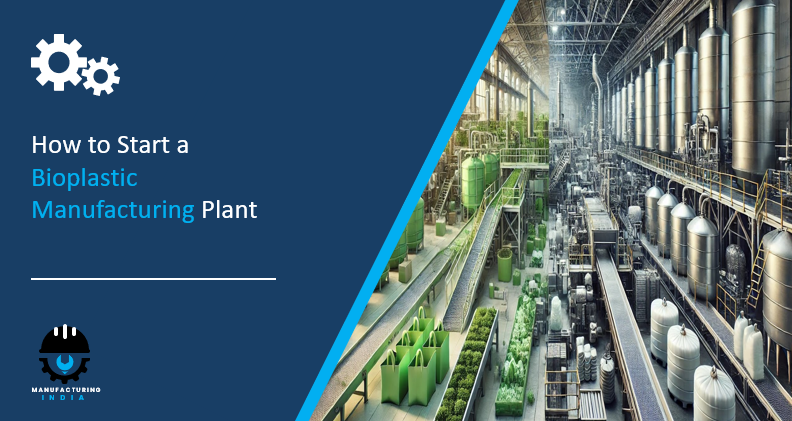
The shift toward sustainable materials has positioned bioplastics as a revolutionary alternative to conventional petroleum-based plastics. As environmental awareness grows and regulations evolve, entrepreneurs are increasingly exploring opportunities in bioplastic manufacturing plant. This comprehensive guide outlines the essential steps to establish your own bioplastic production facility, from initial planning to full-scale operations.
Understanding Bioplastics and Market Opportunities
Bioplastics are innovative materials derived from renewable biomass sources such as corn starch, sugarcane, vegetable oils, cellulose, and agricultural waste. Unlike traditional plastics that persist in the environment for centuries, bioplastics offer biodegradability and significantly reduced environmental impact. The primary categories include PLA (Polylactic Acid), PHA (Polyhydroxyalkanoates), starch-based plastics, and bio-based versions of conventional polymers.
The demand for bioplastics spans multiple industries, with packaging being the largest consumer, followed by agriculture, textiles, automotive components, and consumer goods. Understanding which sector you’ll serve is crucial to shaping your manufacturing approach and product specifications.
Step 1: Conduct Thorough Market Research and Feasibility Analysis
Every successful manufacturing venture begins with comprehensive market research. Start by analyzing the demand for bioplastic products in your target region and identifying potential customers across various industries. Study your competition to understand their strengths, weaknesses, pricing strategies, and market positioning.
Your feasibility study should examine several critical factors. Assess the availability of raw materials in your region, as proximity to agricultural sources can significantly reduce costs and logistics challenges. Evaluate the local infrastructure, including power supply reliability, water availability, and waste management systems. Consider transportation networks for both receiving raw materials and distributing finished products.
Engage with industry experts, attend bioplastics conferences, and connect with trade associations to gain insights into market trends and technological developments. Understanding regulatory requirements early will save considerable time and resources during the licensing phase.
Request for a Sample Report: https://www.imarcgroup.com/bioplastic-manufacturing-plant-project-report/requestsample
Step 2: Develop a Comprehensive Business Plan
A well-structured business plan serves as your roadmap and is essential for securing funding. Begin by defining your specific bioplastic niche—will you focus on PLA production, starch-based materials, or perhaps multiple product lines? Clarify your production capacity goals, starting with realistic targets that can scale over time.
Your business plan should detail your production process, from raw material procurement to finished product delivery. Outline your organizational structure, including key management positions and staffing requirements. Develop a marketing strategy that identifies your unique value proposition and how you’ll differentiate from competitors.
Financial projections are crucial. Include detailed cost estimates for land acquisition, building construction or renovation, machinery procurement, utilities setup, and working capital needs. Project your revenue streams based on realistic production volumes and pricing strategies. Don’t forget to account for ongoing operational expenses including raw materials, energy, labor, maintenance, and marketing.
Step 3: Secure Financing and Investment
Bioplastic manufacturing requires substantial capital investment, making financing a critical step. Explore multiple funding avenues to minimize risk and optimize terms. Traditional bank loans remain viable, especially when backed by solid business plans and collateral. Equipment financing can help spread the cost of expensive machinery over time.
Seek out angel investors and venture capital firms specializing in green technology and sustainable manufacturing. These investors often bring valuable industry connections and expertise beyond just capital. Many governments offer grants, subsidies, and tax incentives for clean technology and sustainable manufacturing initiatives. Research programs specific to your region that support environmental innovation.
Consider crowdfunding platforms focused on sustainable business ventures, which can also serve as powerful marketing tools by building an engaged customer base before production begins.
Step 4: Choose Your Location Strategically
Location decisions impact your operational efficiency and profitability for years to come. Prioritize areas with strong agricultural presence to ensure reliable access to raw materials like corn, sugarcane, or agricultural waste. Reliable power and water infrastructure is non-negotiable, as bioplastic production can be energy and water-intensive.
Evaluate transportation connectivity for both inbound logistics and product distribution. Proximity to major highways, railways, or ports can substantially reduce transportation costs. Consider the availability of skilled labor in the area and whether the location offers industrial zoning that accommodates manufacturing operations.
Environmental factors matter too. Assess the site’s drainage, waste management capabilities, and compliance with environmental regulations. Some regions offer special economic zones or industrial parks with incentives for sustainable manufacturing.
Step 5: Obtain Necessary Licenses, Permits, and Certifications
Navigating regulatory requirements is complex but essential. Begin by registering your business entity and obtaining basic business licenses. Manufacturing licenses from local and state authorities will be required, along with environmental clearance certificates demonstrating your operations meet pollution control standards.
Food safety certifications become necessary if your bioplastics will contact food products. ISO certifications enhance credibility and can open doors to larger clients who require certified suppliers. Fire safety clearances, occupational health and safety approvals, and specific bioplastic product certifications round out the regulatory requirements.
Engage legal and regulatory consultants experienced in manufacturing to ensure full compliance and avoid costly delays or penalties.
Step 6: Design Your Manufacturing Facility
Facility design directly impacts operational efficiency and product quality. Work with industrial engineers to create layouts that optimize workflow from raw material reception through production, quality control, and finished product storage. Separate areas for different production stages minimize contamination risks and improve process control.
Plan for adequate space for machinery, raw material storage with proper climate control, production lines with room for expansion, quality control laboratories, packaging areas, finished product warehousing, and administrative offices. Incorporate safety features including fire suppression systems, emergency exits, ventilation systems, and protective equipment storage.
Consider future expansion in your initial design to avoid costly retrofitting as your business grows.
Step 7: Procure Equipment and Machinery
Equipment selection depends on your chosen bioplastic type and production method. Essential machinery typically includes reactors or fermentation vessels for biopolymer synthesis, extruders for shaping plastic into pellets or sheets, compounding equipment for mixing additives, molding or casting machines for final product formation, and drying and cooling systems.
Quality control equipment is equally important, including testing instruments for mechanical properties, thermal analysis equipment, and molecular weight measurement tools. Don’t overlook material handling systems like conveyors and automated storage, packaging machinery, and waste treatment equipment for environmental compliance.
Balance between new and refurbished equipment based on your budget, but prioritize reliability and efficiency. Establish relationships with multiple suppliers to ensure parts availability and maintenance support.
Step 8: Source Raw Materials and Build Supplier Relationships
Consistent raw material supply is the lifeline of your operation. Identify reliable suppliers of your primary feedstock, whether corn starch, sugarcane, cellulose, or other biomass sources. Develop relationships with multiple suppliers to mitigate supply chain risks.
Negotiate contracts that balance cost with supply security. Consider long-term agreements that lock in favorable pricing while ensuring consistent availability. For agricultural materials, understand seasonal variations and plan inventory accordingly.
Evaluate suppliers on quality consistency, delivery reliability, pricing competitiveness, sustainability practices, and financial stability. Building strong supplier partnerships creates mutual benefits and can provide flexibility during challenging periods.
Step 9: Hire and Train Your Workforce
Your team determines your success. Recruit experienced professionals for key positions including production managers with polymer or chemical engineering backgrounds, quality control specialists, maintenance technicians, and research and development personnel to drive innovation.
Production line workers require comprehensive training on equipment operation, safety protocols, quality standards, and troubleshooting basics. Create detailed standard operating procedures for every process step and invest in ongoing training programs to keep skills current.
Foster a safety-first culture with regular drills, clear communication channels, and incentives for accident-free operations. Consider hiring sustainability experts who can continuously improve your environmental performance and identify cost-saving opportunities.
Step 10: Implement Quality Control and Testing Protocols
Quality assurance systems protect your reputation and ensure customer satisfaction. Establish rigorous testing protocols for raw materials before processing, in-process monitoring during production, and finished product verification before shipping.
Test for critical properties including tensile strength and flexibility, biodegradability rates, thermal stability, barrier properties for packaging applications, and contamination absence. Maintain detailed documentation of all quality tests to demonstrate consistency and facilitate continuous improvement.
Implement statistical process control methods to identify variations early and adjust processes proactively. Regular equipment calibration and maintenance schedules ensure testing accuracy and production consistency.
Step 11: Develop Your Brand and Marketing Strategy
Differentiation is essential in the growing bioplastics market. Develop a compelling brand that communicates your environmental commitment, quality standards, and unique benefits. Your marketing should educate potential customers about bioplastic advantages while addressing common misconceptions.
Build a professional website showcasing your products, certifications, sustainability impact, and technical specifications. Leverage content marketing through blogs, case studies, and educational resources that position you as an industry thought leader. Social media platforms connect you with environmentally conscious consumers and businesses.
Attend industry trade shows and conferences to network with potential clients and stay current on market trends. Consider partnerships with environmental organizations to enhance credibility. Develop sales materials that clearly communicate the business case for switching to bioplastics, addressing both environmental and economic benefits.
Step 12: Launch Production and Scale Operations
Begin with a soft launch allowing you to refine processes before full-scale production. Start with smaller production runs to identify bottlenecks, optimize parameters, and train staff thoroughly. Gather feedback from initial customers and make necessary adjustments to products or processes.
Monitor key performance indicators including production yield, defect rates, energy consumption per unit, raw material utilization efficiency, and customer satisfaction scores. Use this data to continuously improve operations and identify opportunities for cost reduction.
As you establish consistent quality and reliable delivery, gradually increase production capacity. Plan expansion carefully, ensuring each growth phase maintains quality standards and financial stability. Consider diversifying your product line once core operations are stable.
Navigating Challenges and Building Sustainability
Bioplastic manufacturing presents unique challenges including raw material price volatility, technological evolution requiring ongoing investment, competition from both conventional plastics and other bioplastic producers, and changing regulations that demand flexibility.
Build resilience through diversified customer bases, strong supplier relationships, continuous innovation, and financial reserves for unexpected challenges. Stay engaged with industry associations, research institutions, and regulatory bodies to anticipate changes and adapt proactively.
Your commitment to environmental sustainability should extend beyond products to encompass efficient energy use, waste minimization, water conservation, and community engagement. This holistic approach strengthens your brand and creates long-term value.
About the Author