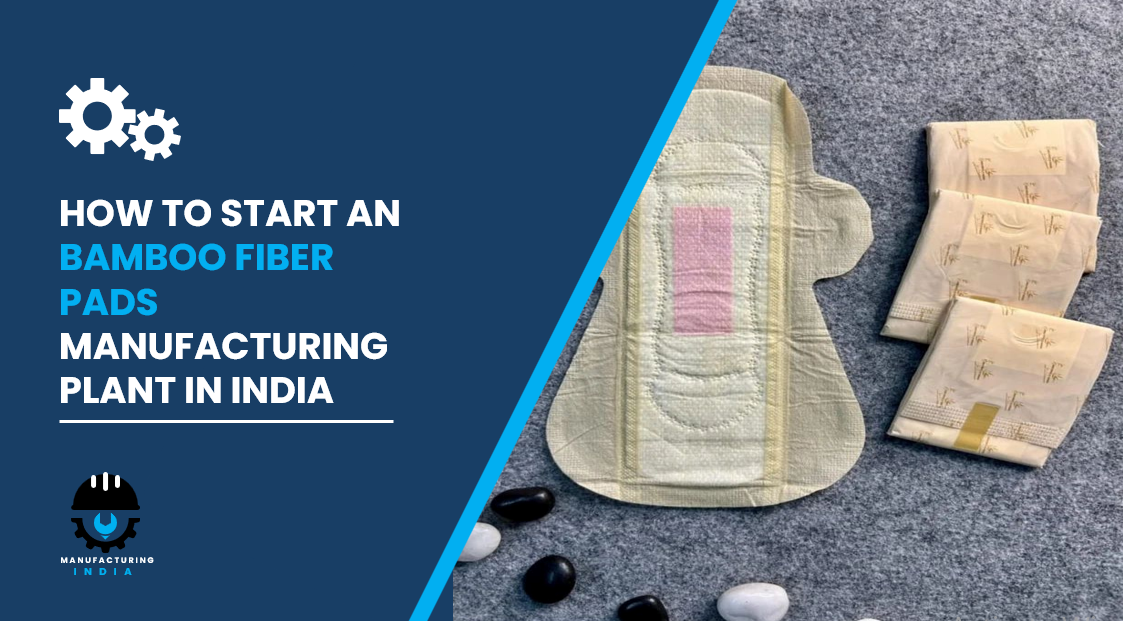
Setting up a bamboo fiber pads manufacturing plant in India presents a compelling investment case as global and domestic demand for eco-friendly, sustainable personal care products continues to surge. The market for bamboo fiber pads is experiencing significant growth, driven by escalating demand for environment-friendly products, rising consumer health awareness, and ongoing technological advancements in manufacturing. India’s abundant bamboo resources, cost-competitive manufacturing base, growing personal care industry, and supportive government policies promoting sustainable materials collectively create a highly favorable environment for establishing a commercially viable bamboo fiber pads manufacturing operation.
“According to the Environmental Protection Agency (EPA), consumer awareness about environmental issues increased by 25% over the past decade, with 70% of respondents expressing a preference for eco-friendly products — a megatrend that is directly driving the accelerating adoption of bamboo fiber pads in the personal care and feminine hygiene markets.”
What are Bamboo Fiber Pads?
Bamboo fiber pads are personal care and hygiene products manufactured from natural bamboo-derived fibers, designed as an eco-friendly and skin-friendly alternative to conventional cotton or synthetic fiber pads. These products are widely used as facial cleansing pads, feminine hygiene pads, nursing pads, and multi-purpose personal care accessories. Bamboo fiber pads are valued for their hypoallergenic properties, natural antibacterial characteristics, softness, and biodegradability, making them an attractive choice for health-conscious and environmentally aware consumers.
Rising consumer awareness about health has augmented the demand for skincare products that are gentle and free from chemicals that may harm the skin. As per the National Health and Wellness Survey (2021), there had been a significant increase in the sale of bamboo fiber pads by 15%, linked directly to their hypoallergenic and natural antibacterial characteristics. This growth symbolizes a progressive move towards safer and more natural products in the cosmetics and personal care segment. These bamboo fiber pads provide both an environmental advantage and alignment with rising consumer perceptions about skincare as a health and wellness consideration.
Cost of Setting Up a Bamboo Fiber Pads Manufacturing Plant in India
The bamboo fiber pads manufacturing plant cost in India depends on several parameters including production capacity, technology used, plant location, level of automation, and regulatory compliance. Here is a structured breakdown of all major cost components:
1. Capital Expenditure (CapEx)
The total capital investment in a bamboo fiber pads manufacturing plant typically covers the following:
Land and Site Development This includes land acquisition, boundary development, land registration charges, and basic site preparation. The location must offer easy access to key raw materials such as bamboo fiber and other input materials. Proximity to target markets will help minimize distribution costs. Cost varies significantly depending on whether the land is in an industrial estate, Special Economic Zone (SEZ), or a privately purchased plot.
Civil Works and Construction Building costs cover the main manufacturing shed, raw material storage area, fiber processing zone, pad forming and cutting area, quality control laboratory, packaging hall, finished goods warehouse, administrative block, and worker amenities. Construction specifications depend on plant scale and local compliance norms.
Machinery and Equipment This is the single largest component of CapEx. Key machinery required for a bamboo fiber pads plant includes:
- Bamboo Fiber Opening and Carding Machines
- Fiber Blending and Mixing Equipment
- Nonwoven Fabric Forming Machines (Spunlace or Thermal Bonding Lines)
- Pad Cutting and Shaping Machines
- Embossing and Surface Finishing Units
- Folding and Stacking Machines
- Automatic Packaging and Sealing Machines
- Quality Testing Instruments
- Conveyors and Material Handling Systems
Other Capital Costs These include pre-operative expenses, commissioning charges, import duties (if machinery is sourced internationally), utilities installation, fire safety systems, and Effluent Treatment Plant (ETP) setup.
2. Operational Expenditure (OpEx)
Once the plant is commissioned, the ongoing cost structure is dominated by a few key components:
Raw Material Cost (Bamboo Fiber) Bamboo fiber is the primary raw material and accounts for the majority of operating expenses. Additional materials include binders, backing layers, packaging materials (pouches, boxes, and wrappers), and any supplementary natural fiber blends used in specific product formulations.
Utility Cost Utilities include electricity (consumed by fiber processing machines, forming lines, cutting equipment, and packaging systems), water (for fiber washing and processing operations), and compressed air supply for pneumatic handling systems.
Other Operating Costs The remaining budget covers transportation, secondary packaging, salaries and wages, maintenance, depreciation, taxes, and miscellaneous overhead.
Request a Sample Report for In-Depth Market Insights: https://www.imarcgroup.com/bamboo-fiber-pads-manufacturing-plant-project-report/requestsample
3. Plant Capacity
The proposed manufacturing facility is designed with a production capacity that enables economies of scale while maintaining operational flexibility to serve multiple end-use segments including facial care, feminine hygiene, nursing care, and general personal hygiene applications. Capacity is scaled based on the number of forming lines, cutting machines, and packaging systems installed.
Smaller setups focused on premium organic or certified natural product lines can operate profitably at lower volumes due to higher per-unit realizations, while larger commodity-scale plants serving organized retail and export markets benefit from economies of scale and long-term supply agreements with personal care brands and distributors.
4. Profit Margins and Financial Projections
The project demonstrates healthy profitability potential under normal operating conditions, with margins supported by stable demand and the premium positioning of eco-friendly bamboo fiber products over conventional alternatives. Financial projections must account for capital investment, operating costs, capacity utilization rates, pricing trends, and demand outlook. A thorough analysis should also include sensitivity analysis, Net Present Value (NPV), Internal Rate of Return (IRR), and Payback Period.
Why Set Up a Bamboo Fiber Pads Manufacturing Plant in India?
India presents a uniquely favorable environment for establishing a bamboo fiber pads manufacturing plant:
Escalating Demand for Eco-Friendly Products
Consumer awareness about environmental issues has increased significantly, with 70% of respondents in EPA surveys expressing a preference for eco-friendly products. This structural shift in consumer preference is driving sustained demand for bamboo fiber pads as a biodegradable and sustainable alternative to conventional synthetic personal care products across both domestic and export markets.
Favorable Government Policies
Governmental policies supporting sustainable materials have played a pivotal role in fostering market growth. According to the 2021 National Sustainable Development Report, subsidies and incentives for companies embracing eco-friendly materials experienced a significant 30% surge. This regulatory backing serves as a catalyst, encouraging manufacturers to invest in bamboo-based products and propelling market expansion by aligning economic incentives with environmental objectives.
Heightening Consumer Awareness
Government-led educational campaigns have been instrumental in enlightening consumers about the advantages of bamboo fiber pads. The 2021 National Consumer Awareness Survey revealed a notable 25% uptick in consumer understanding regarding the eco-friendly and biodegradable attributes of bamboo fibers. This heightened awareness has empowered consumers to make more informed purchasing decisions, driving a surge in demand for sustainable alternatives.
Rising Health and Skin Safety Consciousness
Rising consumer awareness about health has augmented demand for skincare products that are gentle and free from harmful chemicals. The hypoallergenic and natural antibacterial characteristics of bamboo fiber pads make them a preferred choice for consumers with sensitive skin, allergies, or a preference for chemical-free personal care products — a segment that is growing rapidly across urban India.
Abundant Bamboo Resources and Cost-Competitive Manufacturing
India is home to one of the world’s largest bamboo resource bases, providing a reliable and cost-effective raw material supply chain for bamboo fiber manufacturers. Combined with India’s competitive labor costs and established textile processing capabilities, domestic bamboo fiber pad producers can achieve cost structures that are highly competitive against both imported products and conventional fiber alternatives.
Manufacturing Process Overview
The bamboo fiber pads manufacturing process involves the following key unit operations:
- Raw Bamboo Fiber Receiving and Inspection — incoming bamboo fiber is received, inspected for quality, purity, and moisture content, and stored in designated clean material zones away from contamination sources
- Fiber Opening and Carding — compressed bamboo fiber bales are opened and processed through carding machines to separate, align, and clean the fibers, producing a uniform fiber web ready for forming
- Fiber Blending — bamboo fiber is blended with any supplementary natural fibers or bonding agents in precise ratios to achieve the target softness, absorbency, and structural integrity specifications for each product grade
- Nonwoven Fabric Forming — the blended fiber web is bonded into a nonwoven fabric using spunlace (hydroentanglement), thermal bonding, or needle-punch processes depending on the product type and softness requirement
- Embossing and Surface Finishing — the formed nonwoven fabric is embossed with the required pattern for texture and strength, and surface-finished to achieve the desired softness and skin-contact properties
- Cutting and Shaping — the finished fabric is precision-cut to the required pad dimensions and shapes using automated cutting machines calibrated to product specification tolerances
- Quality Inspection — finished pads are inspected for dimensions, weight, absorbency, softness, tensile strength, and freedom from defects against applicable quality standards before packaging
- Folding, Stacking, and Packaging — inspected pads are folded, counted, stacked, and automatically packaged in sealed pouches or boxes with required labeling for retail, e-commerce, or bulk supply channels
Key Applications of Bamboo Fiber Pads
Bamboo fiber pads serve a wide variety of personal care and hygiene end-use applications:
- Facial Cleansing Pads: Used for daily facial cleansing, makeup removal, and toning routines as a reusable or single-use alternative to conventional cotton pads; valued for softness, gentleness on sensitive skin, and biodegradability
- Feminine Hygiene Pads: Used as eco-friendly sanitary pads and liners for menstrual hygiene management, combining bamboo’s natural antibacterial properties with high absorbency and skin-friendly softness as a sustainable alternative to conventional synthetic pads
- Nursing Pads: Used by nursing mothers as breast pads offering natural softness, hypoallergenic properties, and effective absorption, making bamboo fiber an ideal material for sensitive skin contact in this application
- Multi-Purpose Personal Care Pads: Used for applying and removing skincare products, serums, and toners as part of daily beauty and wellness routines, increasingly preferred by consumers seeking natural and sustainable personal care accessories
- Baby Care Products: Used in gentle baby wipe pads and cleansing accessories where the hypoallergenic and antibacterial properties of bamboo fiber provide safe and effective skincare for infant skin
- Cosmetic and Beauty Industry: Supplied to cosmetic brands and beauty salons as premium eco-friendly cleansing accessories, supporting sustainability commitments and catering to consumers who prioritize natural ingredient and sustainable product sourcing
Global Market Outlook
The global bamboo fiber pads market is experiencing significant growth driven by escalating demand for environment-friendly products, ongoing technological advancements in manufacturing, and rising consumer health consciousness. The shift toward eco-conscious products reflects a desire for personal well-being and a commitment to environmental stewardship. The National Health and Wellness Survey (2021) recorded a 15% increase in bamboo fiber pad sales, and government-led campaigns have driven a 25% increase in consumer awareness about the eco-friendly and biodegradable attributes of bamboo fibers. Notable industry launches include Flex’s odor-fighting bamboo pads and liners (March 2024) and KNH’s eco-friendly sanitary towels made from biodegradable materials (May 2023), both reflecting the accelerating industry trend toward high-performing green personal care products.
Leading global players in this industry include:
- Flex (formerly Softcup)
- KNH Enterprise Co., Ltd.
- The Honest Company
- Bambo Nature
- Natracare
- Organyc
- DAME
- Rael, Inc.
Timeline to Start a Bamboo Fiber Pads Manufacturing Plant
Setting up a bamboo fiber pads manufacturing plant from ideation to commissioning typically requires 12 to 18 months. This covers:
- Feasibility study and detailed project report preparation
- Land acquisition and site development
- Regulatory approvals and environmental clearances
- Factory license and fire safety compliance
- Machinery procurement and plant installation
- Trial production runs and quality testing
- Commercial production launch and market ramp-up
Licenses and Regulatory Requirements
Starting a bamboo fiber pads manufacturing unit in India requires several approvals, including:
- Business registration (Proprietorship, LLP, or Private Limited Company)
- Factory License under the Factories Act, 1948
- Environmental Clearance from the State Pollution Control Board (SPCB)
- Consent to Establish and Consent to Operate under Air and Water Acts
- GST Registration
- Fire Safety NOC from local fire authority
- BIS Certification for applicable nonwoven and personal care product standards
- CDSCO (Central Drugs Standard Control Organisation) registration for products classified as medical or cosmetic devices
- MSME/Udyam Registration for government incentives and schemes
- Import Export Code (IEC) for businesses targeting export markets
Key Challenges to Consider
Before investing, entrepreneurs should be aware of the common challenges in this business:
- High Capital Requirements: Initial CapEx for fiber processing lines, nonwoven forming machines, cutting equipment, and automated packaging systems is significant, especially for mid to large-scale plants targeting organized retail and export markets with stringent quality and volume requirements.
- Raw Material Quality Consistency: Bamboo fiber quality can vary by source, species, and processing method, making consistent raw material sourcing a critical operational challenge. Establishing reliable supplier relationships and implementing incoming material quality testing protocols are essential to maintaining product consistency.
- Competition from Conventional Products: Conventional cotton and synthetic fiber pads remain price-competitive in the mass market. Building brand awareness around bamboo’s natural, eco-friendly, and skin-friendly benefits is necessary to justify the premium positioning and drive consumer switching at scale.
- Regulatory Compliance: Products intended for sensitive skin applications such as feminine hygiene or baby care may be subject to additional regulatory requirements including safety testing, dermatological certifications, and labeling standards. Continuous compliance investment is necessary, particularly for export market access.
- Skilled Manpower: Operating nonwoven forming lines, embossing equipment, and automated packaging systems requires trained technical staff. Developing and retaining workers skilled in fiber processing and quality control is an ongoing operational priority.
Frequently Asked Questions
The following questions are answered in the report:
- How has the bamboo fiber pads market performed so far and how will it perform in the coming years?
- What is the market segmentation of the global bamboo fiber pads market?
- What is the regional breakup of the global bamboo fiber pads market?
- What are the price trends of various feedstocks in the bamboo fiber pads industry?
- What is the structure of the bamboo fiber pads industry and who are the key players?
- What are the various unit operations involved in a bamboo fiber pads manufacturing plant?
- What is the total size of land required for setting up a bamboo fiber pads manufacturing plant?
- What is the layout of a bamboo fiber pads manufacturing plant?
- What are the machinery requirements for setting up a bamboo fiber pads manufacturing plant?
- What are the raw material requirements for setting up a bamboo fiber pads manufacturing plant?
- What are the packaging requirements for setting up a bamboo fiber pads manufacturing plant?
- What are the transportation requirements for setting up a bamboo fiber pads manufacturing plant?
- What are the utility requirements for setting up a bamboo fiber pads manufacturing plant?
- What are the human resource requirements for setting up a bamboo fiber pads manufacturing plant?
- What are the capital costs for setting up a bamboo fiber pads manufacturing plant?
- What are the operating costs for setting up a bamboo fiber pads manufacturing plant?
- What is the time required to break even?
- What are the profit projections for setting up a bamboo fiber pads manufacturing plant?
- What are the key success and risk factors in the bamboo fiber pads industry?
- What are the key regulatory procedures and requirements for setting up a bamboo fiber pads manufacturing plant?
- What are the key certifications required for setting up a bamboo fiber pads manufacturing plant?
Key Takeaways for Investors
The bamboo fiber pads manufacturing industry in India represents a strong and well-timed investment opportunity backed by escalating global demand for eco-friendly personal care products, rising health consciousness, and powerful government policy support for sustainable manufacturing. The market is being driven by a documented 15% increase in bamboo fiber pad sales, a 25% rise in consumer eco-awareness, and a 30% surge in government subsidies for companies adopting eco-friendly materials — all of which point to a market in structural, policy-supported growth. A well-planned bamboo fiber pads manufacturing plant cost in India remains competitive and financially viable across plant capacities, supported by India’s abundant bamboo resources, cost-competitive labor, and rapidly growing domestic personal care market. Investors who establish quality-certified, sustainably positioned production facilities are well-placed to build long-term supply relationships with personal care brands and capitalize on the accelerating global shift toward natural, biodegradable personal hygiene products.
About the Author