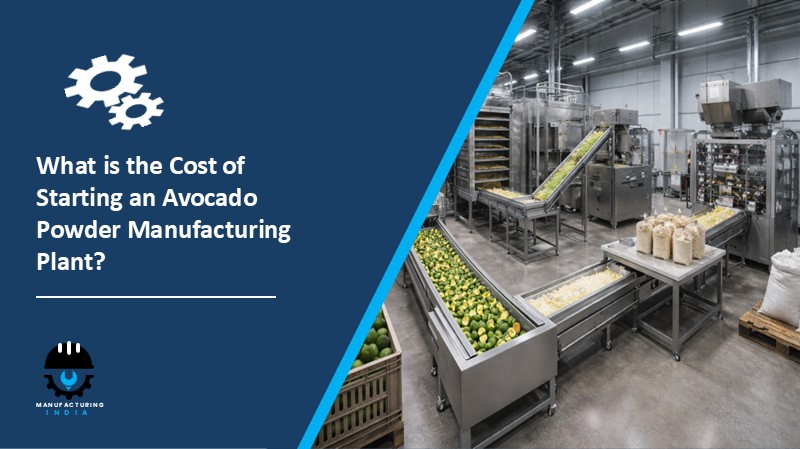
Avocado powder is emerging as a high-value ingredient in the global food, nutraceutical, and personal care industries. Known for its rich nutritional profile, creamy texture, and versatility, avocado powder is increasingly used in smoothies, bakery products, functional foods, dietary supplements, baby food formulations, and cosmetic applications. As demand for plant-based, clean-label, and shelf-stable products continues to rise, setting up an avocado powder manufacturing plant has become a promising business opportunity for entrepreneurs and food processors.
One of the most common questions investors ask is: What is the cost of starting an avocado powder manufacturing plant?
It depends on several variables such as plant scale, drying technology, automation level, and quality standards. This article provides a detailed explanation of the cost components and a step-by-step guide to setting up an avocado powder manufacturing facility.
Understanding the Avocado Powder Manufacturing Business
Avocado powder is produced by removing moisture from fresh avocado pulp and converting it into a fine, stable powder while retaining its nutritional value, color, and flavor. Compared to fresh avocados, the powder offers several advantages:
- Longer shelf life
- Reduced post-harvest losses
- Easier storage and transportation
- Consistent quality for industrial use
- Year-round availability
The manufacturing business can cater to multiple end-use segments, including food processors, nutraceutical brands, cosmetic manufacturers, and export markets. Depending on investment capacity, manufacturers can operate small, medium, or large-scale plants and customize product specifications such as organic-grade, freeze-dried, or spray-dried avocado powder.
Request a Sample Report for In-Depth Market Insights: https://www.imarcgroup.com/avocado-powder-manufacturing-plant-project-report/requestsample
What is the Cost of Starting an Avocado Powder Manufacturing Plant?
The cost of starting an avocado powder manufacturing plant is influenced by both capital expenditure (CAPEX) and operating expenditure (OPEX). Below is a detailed breakdown of the major cost components involved in the project.
1. Land and Building Infrastructure
The first major cost component is land and factory construction. The plant requires designated areas for raw material handling, processing, drying, grinding, packaging, storage, and quality control.
Key infrastructure requirements include:
- Processing halls with food-grade flooring
- Washing and sanitation zones
- Drying chambers with temperature control
- Packaging and labeling units
- Cold storage (optional, for raw avocado holding)
- Finished goods warehouse
- Administrative and utility rooms
Hygiene-compliant construction, proper ventilation, and pest control systems are essential, particularly for food-grade operations.
2. Machinery and Equipment Cost
Machinery represents one of the largest investments in an avocado powder manufacturing plant. Equipment selection depends on desired capacity, product quality, and level of automation.
Common machinery includes:
- Washing and sorting conveyors
- Peeling and deseeding machines
- Pulping or homogenizing units
- Dehydration systems (freeze dryers, spray dryers, tray dryers, or belt dryers)
- Milling and pulverizing machines
- Sieving and blending units
- Packaging and sealing machines
Advanced drying technologies such as freeze drying offer superior nutrient retention but involve higher capital and operating costs. Choosing the right technology is critical to balancing quality and investment.
3. Raw Material Procurement
Fresh avocados are the primary raw material. Raw material costs depend on:
- Seasonal availability
- Sourcing region
- Variety and ripeness level
- Quality grade
To ensure uninterrupted production, manufacturers must maintain reliable sourcing contracts and allocate working capital for bulk procurement. Using surplus or cosmetically imperfect avocados (while maintaining food-grade quality) can help reduce costs.
4. Utilities and Energy Requirements
Avocado powder production is energy-intensive, especially during dehydration. Major utility costs include:
- Electricity for machinery and milling
- Thermal energy or refrigeration for drying
- Water for washing, sanitation, and cleaning
- Air handling and humidity control systems
Installing energy-efficient dryers and recovery systems can significantly reduce long-term operating expenses.
5. Labor and Workforce Cost
Labor requirements depend on plant scale and automation level. Typical manpower includes:
- Machine operators
- Food processing technicians
- Quality control staff
- Packaging and warehouse workers
- Maintenance technicians
- Supervisors and administrative staff
Training is essential to ensure hygiene compliance, equipment handling, and consistent product quality.
6. Quality Control and Food Safety Systems
Food-grade manufacturing requires strict quality assurance protocols. Costs include:
- Laboratory setup
- Testing equipment for moisture, microbial load, and shelf stability
- Sanitation and cleaning systems
- Documentation and traceability systems
Strong quality control helps meet regulatory standards and builds customer trust.
7. Packaging and Storage Costs
Avocado powder is sensitive to moisture, oxygen, and light. Packaging must be:
- Moisture-proof
- Oxygen-resistant
- Food-grade
- Suitable for bulk or retail formats
Storage facilities should maintain controlled temperature and humidity to prevent oxidation and clumping.
8. Certifications and Regulatory Compliance
Manufacturers must obtain necessary licenses and approvals related to food safety, hygiene, and export regulations. These include initial setup costs and recurring compliance expenses.
9. Working Capital Requirements
Working capital is required to cover daily operational expenses such as:
- Raw material purchases
- Labor wages
- Utility bills
- Packaging supplies
- Maintenance and logistics
- Inventory holding
Adequate working capital ensures smooth operations during the initial months of production.
Step-by-Step Process to Start an Avocado Powder Manufacturing Plant
Step 1: Conduct a Feasibility Study
A feasibility study evaluates market demand, target applications, competition, sourcing feasibility, and profitability. It helps determine plant capacity, technology choice, and investment scale.
Step 2: Select a Suitable Location
An ideal plant location should be:
- Close to avocado-growing regions
- Well-connected by road and logistics
- Equipped with reliable power and water supply
- Compliant with food processing zoning regulations
Location selection directly impacts raw material cost and supply reliability.
Step 3: Plan the Plant Layout
A well-designed layout improves hygiene and production efficiency. Typical sections include:
- Raw material receiving and washing
- Peeling and pulping area
- Drying and dehydration zone
- Grinding and sieving section
- Packaging and labeling unit
- Quality control laboratory
- Finished goods storage
- Utilities and waste handling area
Step 4: Procure Machinery and Equipment
Select food-grade, corrosion-resistant machinery suited to avocado processing. Automation improves consistency, reduces wastage, and enhances productivity.
Step 5: Raw Material Sourcing
Establish reliable supply chains for fresh avocados. Quality, ripeness, and handling practices directly affect final powder color, taste, and nutritional value.
Step 6: Avocado Powder Manufacturing Process
1. Washing and Sorting
Fresh avocados are washed to remove dirt and sorted based on quality.
2. Peeling and Deseeding
Outer skin and seeds are removed mechanically or manually.
3. Pulping
The flesh is processed into a smooth pulp.
4. Dehydration
Moisture is removed using controlled drying techniques while preserving nutrients.
5. Grinding and Sieving
Dried flakes are milled into fine powder and sieved for uniformity.
6. Packaging
The final product is packed in airtight containers or bulk bags.
Step 7: Quality Control and Storage
Finished avocado powder undergoes testing for moisture content, microbial safety, and sensory attributes before being stored in controlled conditions.
Factors Affecting the Cost of an Avocado Powder Manufacturing Plant
- Production capacity
- Drying technology selection
- Automation level
- Raw avocado sourcing strategy
- Energy efficiency
- Packaging standards
- Compliance and certification requirements
Understanding these factors helps optimize investment and maximize profitability.
Starting an avocado powder manufacturing plant is a high-potential opportunity driven by growing demand for health-focused and plant-based products. While the initial investment varies depending on plant scale and technology, careful planning, efficient machinery selection, and strong quality control systems can ensure long-term success.
A detailed feasibility study and cost analysis are essential for making informed decisions and building a sustainable, scalable avocado powder manufacturing business.
About the Author