Setting up a kraft paper manufacturing plant in India presents a compelling investment case driven by the rapid expansion of the e-commerce sector, rising demand for sustainable packaging materials, and increasingly stringent regulations restricting single-use plastics. India’s packaging and logistics industry, food and beverage sector, construction sector, agriculture, and consumer goods industries are all key demand drivers for kraft paper, making this an essential product in the country’s industrial and commercial supply chain. As one of the most versatile packaging substrates available, kraft paper plays a critical enabling role in India’s shift toward eco-friendly, biodegradable alternatives to plastic.
India’s strong manufacturing infrastructure, cost-competitive labour force, and growing domestic e-commerce market — estimated at USD 46.2 billion and projected to reach USD 136.47 billion by 2026 at an 18.29% growth rate — make the country a strategically sound location for kraft paper production. Industrial states such as Gujarat, Maharashtra, Andhra Pradesh, and Uttar Pradesh offer the raw material proximity, logistics connectivity, and regulatory environment necessary for efficient plant operations. The Make in India initiative further incentivises domestic manufacturing by easing approvals, offering investment-linked incentives, and supporting infrastructure development in notified industrial zones.
Establishing a kraft paper manufacturing plant in India offers investors a well-supported pathway to profitability, backed by policy tailwinds under Make in India, cost-competitive operations, and surging demand from e-commerce, food, and industrial packaging sectors. With gross profit margins of 25–35% and a versatile product profile, this investment delivers both near-term commercial viability and long-term demand sustainability.
What is Kraft Paper?
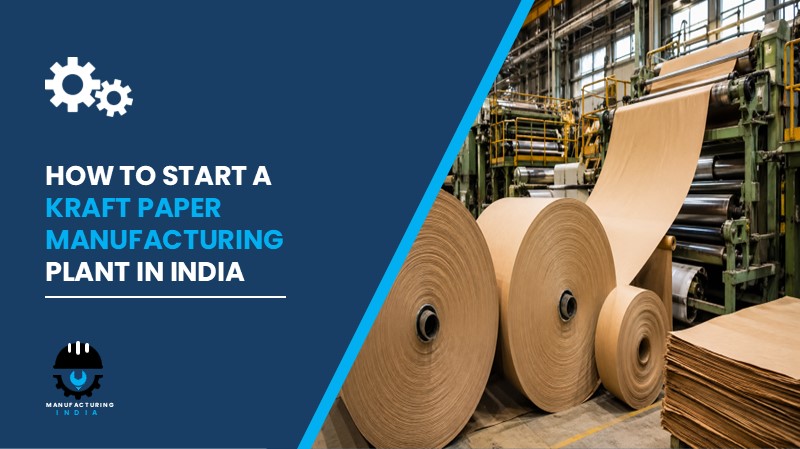
Kraft paper is a strong, durable paper grade produced from chemical wood pulp obtained through the kraft (sulfate) pulping process. It is characterised by high tensile strength, tear resistance, and superior burst strength, properties that are preserved by retaining long cellulose fibres during the pulping process. Typically brown in colour, kraft paper can also be bleached for white or specialty applications, expanding its utility across industrial and consumer-facing products. The material offers excellent printability, biodegradability, and recyclability, making it suitable for a wide range of packaging and industrial uses.
Available in various grammages and finishes, kraft paper demonstrates good porosity, flexibility, and load-bearing capability, which supports its widespread adoption across diverse sectors. The primary production method is the kraft (sulfate) pulping process, involving pulping, refining, pressing, and drying stages. End-use industries served include packaging and logistics, construction, food and beverage, agriculture, consumer goods, and e-commerce. Applications span heavy-duty shipping sacks, corrugated cardboard facing, protective wrapping, paper bags, interleaving sheets for glass and furniture, and void-filling packaging.
Cost of Setting Up a Kraft Paper Manufacturing Plant in India
The cost of setting up a kraft paper manufacturing plant in India depends on plant capacity, technology selection, location, degree of automation, and regulatory compliance requirements. Both capital expenditure and operating expenditure must be carefully structured to ensure financial viability and long-term competitiveness.
1. Capital Expenditure (CapEx)
Land and site development form a substantial part of the overall investment, covering land registration, boundary development, drainage, internal roads, and utility connections. Investors may consider setting up within Special Economic Zones (SEZs) or notified industrial estates in states such as Andhra Pradesh, Gujarat, or Maharashtra to access tax incentives and pre-developed infrastructure, reducing upfront civil costs.
Civil works and construction costs include the main production shed, raw material and finished goods warehouses, quality control laboratory, administration block, and utility rooms. These costs vary significantly based on the plant’s annual production capacity and the level of structural engineering required.
Machinery and equipment represent the largest single portion of capital expenditure. Key machinery required includes:
- Pulpers
- Beaters
- Refiners
- Headboxes
- Fourdrinier wire sections
- Press sections
- Dryer sections
- Calenders
- Rewinders
- Packaging machines
Other capital costs include the effluent treatment plant (ETP) installation, pre-operative expenses such as project report preparation and feasibility studies, commissioning charges, and applicable import duties on specialised machinery not available domestically.
Request a Sample Report for In-Depth Market Insights: https://www.imarcgroup.com/kraft-paper-manufacturing-plant-project-report/requestsample
2. Operational Expenditure (OpEx)
Raw material cost is the dominant component of the operating cost structure, accounting for approximately 70–80% of total OpEx. Key raw materials required for production include wood pulp, recycled paper, water, and starch. Establishing long-term supplier contracts with reliable vendors near the plant site is essential to mitigate price volatility and ensure consistent supply. Procurement of wood pulp — being the primary feedstock — demands careful supplier evaluation, particularly given its direct impact on fibre quality and final product specifications.
Utility costs, covering electricity, water, and steam, represent 15–20% of total OpEx. Kraft paper manufacturing is an energy-intensive process, and proximity to stable power supply infrastructure is a key site-selection factor. Investors should assess captive power generation options to manage utility costs over the long term.
Other operating costs include transportation and logistics, primary and secondary packaging, staff salaries and wages, routine machinery maintenance, depreciation on fixed assets, and applicable taxes. By the fifth year of operations, the total operational cost is expected to increase substantially, driven by inflation, market fluctuations, potential rises in key raw material prices, supply chain disruptions, rising consumer demand, and shifts in the global economy.
3. Plant Capacity
The proposed manufacturing facility is designed with an annual production capacity ranging between 50,000 and 200,000 metric tonnes, enabling economies of scale while maintaining operational flexibility. Capacity can be customised per investor requirements, whether for a smaller entry-level plant or a full-scale industrial facility targeting bulk supply contracts. As with most capital-intensive manufacturing operations, profitability improves meaningfully with higher capacity utilisation, making scale planning a critical component of the financial strategy.
4. Profit Margins and Financial Projections
The kraft paper manufacturing plant project demonstrates healthy profitability potential under normal operating conditions. Gross profit margins typically range between 25–35%, supported by stable demand and value-added applications across multiple end-use sectors. Net profit margins range between 12–20%, offering investors a solid return profile. Comprehensive financial projections — covering net present value (NPV), internal rate of return (IRR), payback period, income projections, expenditure breakdowns, and sensitivity analysis — are developed based on realistic assumptions related to capital investment, operating costs, production capacity utilisation, pricing trends, and demand outlook.
Why Set Up a Kraft Paper Plant in India?
Rising Demand for Sustainable Packaging. Growing environmental awareness and regulatory restrictions on plastic packaging are accelerating the shift toward biodegradable and recyclable kraft paper-based solutions across India’s retail, food, and logistics sectors. Governments have imposed bans on single-use plastic bags, directly increasing the demand for kraft paper packaging materials as a compliant alternative.
Booming E-commerce and Logistics Sector. India’s online business is estimated to be worth USD 46.2 billion and is projected to grow at 18.29% to reach USD 136.47 billion by 2026. This exceptional growth trajectory generates strong demand for corrugated boxes and protective packaging materials, both of which are manufactured from kraft paper.
Policy and Regulatory Tailwinds. Government policies to curb plastic waste and adopt eco-friendly alternatives have directly benefited the kraft paper industry. Regulatory frameworks supporting Make in India, coupled with streamlined industrial approvals and green manufacturing incentives, make India a highly attractive destination for domestic kraft paper production capacity.
Cost-Competitive Manufacturing Advantage. India offers investors access to cost-effective land in industrial zones, a large and trainable labour pool, and an expanding domestic supply chain for both raw materials and end-use customers. Proximity to key raw material suppliers and target packaging markets helps minimise distribution costs, improving the plant’s overall cost competitiveness.
Active Industry Investment and Expansion. In March 2025, Oji India Packaging launched its fifth manufacturing facility in Sri City, Andhra Pradesh, focusing on producing corrugated boxes and packaging materials for the local market — signalling continued investor confidence in India’s packaging sector. Globally, in November 2025, Mondi opened a new kraft paper machine at its Štětí mill in the Czech Republic designed to produce 210,000 tonnes of high-performance kraft paper per year, reflecting robust global capacity expansion.
Strong Local Supply Chain Preference. Industries including food and beverage, construction, consumer goods, and agriculture are increasingly preferring locally produced kraft paper to reduce procurement lead times, lower import dependency, and align with sustainability mandates from global retail and institutional buyers.
Manufacturing Process – Step by Step
The kraft paper manufacturing process uses the kraft (sulfate) pulping process as the primary production method. This multi-step operation involves several unit operations, material handling stages, and quality control checkpoints.
- Raw Material Preparation: Wood pulp and recycled paper are received, inspected, and staged for processing. Water and starch are prepared as auxiliary inputs.
- Pulping: Raw wood pulp and recycled paper are fed into pulpers, where they are broken down in water to form a pulp slurry. The kraft (sulfate) chemical process preserves long cellulose fibres, ensuring the high tensile and burst strength characteristic of the finished product.
- Beating and Refining: The pulp slurry passes through beaters and refiners to achieve the desired fibre geometry, freeness, and surface characteristics, which directly determine the mechanical properties of the final paper.
- Headbox and Sheet Formation: The refined pulp is fed through headboxes onto the fourdrinier wire section, where water is drained and the fibre mat is formed into a continuous sheet.
- Press Section: The wet sheet passes through press sections to mechanically remove additional water and consolidate the fibre structure.
- Dryer Section: The pressed sheet moves through the dryer section using steam-heated cylinders to reduce moisture content to target levels and develop the paper’s final strength properties.
- Calendering: The dried paper web passes through calenders to achieve the desired surface smoothness, thickness uniformity, and finish.
- Rewinding: Finished paper is wound onto large reels by rewinders and then cut to commercial widths and lengths per customer specifications.
- Quality Testing and Dispatch: Finished rolls undergo technical quality checks including tensile strength, burst strength, porosity, and grammage testing before being packed and dispatched to end-use industries such as packaging and logistics, food and beverage, construction, agriculture, consumer goods, and e-commerce.
Key Applications
Kraft paper serves a diverse range of industries owing to its mechanical strength, biodegradability, and versatility in processing and printing.
- Packaging and Logistics: Corrugated boxes, paper bags, wrapping paper, and industrial packaging solutions for the domestic and export supply chain.
- Printing and Publishing: Books, newspapers, catalogues, and commercial print materials requiring printable, sturdy paper substrates.
- Food and Beverage: Sustainable food packaging, grocery bags, and takeaway wrapping for the food service industry.
- Construction: Laminates, insulation facings, protective coverings, and moisture barriers used in building and infrastructure projects.
- E-commerce: Void-filling packaging, protective wrapping, and shipping sacks for high-volume online retail fulfilment.
- Agriculture: Multiwall sacks and heavy-duty packaging materials for seeds, fertilisers, and agri-commodity storage and transport.
Leading Manufacturers
The global kraft paper industry is served by several multinational companies with extensive production capacities and diverse application portfolios across packaging, logistics, construction, and consumer goods sectors. Key players in the global market include:
- International Paper Company
- WestRock Company
- Smurfit Kappa Group
- Mondi Group
- Stora Enso Oyj
- Nippon Paper Industries Co., Ltd.
Timeline to Start the Plant
Investors planning a kraft paper manufacturing unit in India should account for the following phases in their project planning and scheduling:
- Feasibility study and project report preparation
- Land acquisition and site development
- Regulatory approvals and environmental clearances
- Factory licence and fire safety compliance
- Machinery procurement and installation
- Raw material supplier agreements and supply chain setup
- Trial production and quality testing
- Commercial production launch
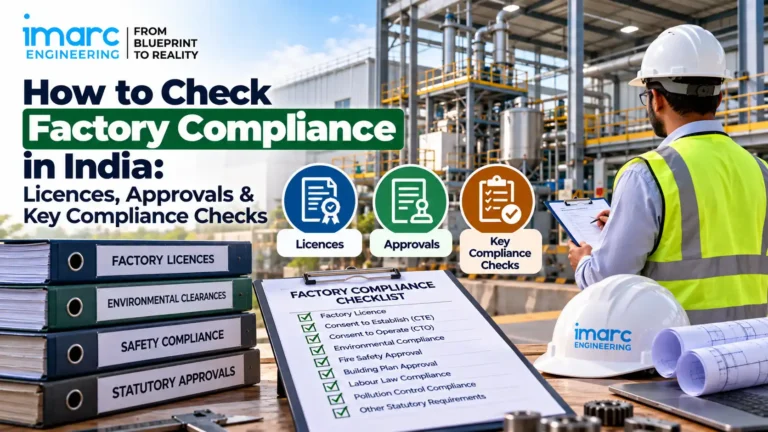
Licences and Regulatory Requirements
Starting a kraft paper manufacturing unit in India requires several approvals from central and state regulatory bodies before commercial production can commence:
- Business registration (Proprietorship, LLP, or Pvt Ltd) under the Ministry of Corporate Affairs
- Factory Licence under the Factories Act, 1948
- Environmental Clearance from the State Pollution Control Board
- GST Registration under the Goods and Services Tax Act
- Fire Safety NOC from the local fire authority
- Hazardous and chemical compliance documentation, particularly for chemical inputs used in the kraft pulping process
- Effluent Treatment Plant (ETP) operational clearance, given the water-intensive nature of paper manufacturing
- Occupational Health and Safety compliance under applicable national and state-level safety regulations
Key Challenges to Consider
High Capital Requirements. Setting up a kraft paper manufacturing plant involves significant upfront investment across land, civil works, and machinery — particularly the specialised paper machine components such as fourdrinier wire sections, dryer sections, and calenders. Investors must ensure robust project financing structures are in place before committing to the plant.
Raw Material Price Volatility. The plant’s operating cost structure is heavily exposed to movements in the price of wood pulp — which accounts for 70–80% of total OpEx — as well as recycled paper and starch. Supply chain disruptions or shifts in global commodity prices can materially impact margins, making long-term supplier contracts an operational necessity.
Regulatory Compliance. Kraft paper manufacturing involves chemical pulping processes and water-intensive operations, both of which attract significant environmental oversight. Managing effluent treatment compliance, emission standards, and periodic regulatory audits demands dedicated resources and ongoing investment in environmental management systems.
Technology and Innovation Pressure. Improvements in pulping and paper machine technology are continuously increasing production efficiency and product quality standards globally. Domestic investors must ensure their equipment selection keeps pace with international benchmarks to remain competitive in both quality and cost.
Competition from Global Players. The presence of large multinational manufacturers — including International Paper Company, WestRock Company, Smurfit Kappa Group, and Mondi Group — means that domestic producers must compete on quality, price, and supply chain reliability to secure and retain key customer accounts.
Skilled Manpower. Operating a continuous paper manufacturing plant requires trained operators for pulping, paper machine management, quality control, and effluent treatment. Attracting and retaining qualified technical personnel, particularly in locations outside major industrial centres, remains an ongoing challenge.
Frequently Asked Questions
1. How much does it cost to set up a kraft paper manufacturing plant in India?
The total setup cost depends on plant capacity (ranging from 50,000 to 200,000 MT per annum), location, technology selection, and automation level. Capital expenditure covers land, civil works, machinery including pulpers, refiners, fourdrinier sections, dryer sections, and packaging machines, plus pre-operative and ETP costs.
2. Is kraft paper manufacturing profitable in India in 2026?
Yes. The project demonstrates gross profit margins of 25–35% and net profit margins of 12–20%, supported by growing demand from e-commerce, food packaging, and construction sectors alongside favourable government regulations restricting plastic packaging.
3. What machinery is required for a kraft paper plant in India?
Key machinery includes pulpers, beaters, refiners, headboxes, fourdrinier wire sections, press sections, dryer sections, calenders, rewinders, and packaging machines.
4. What licences and approvals are required to start a kraft paper plant in India?
Required approvals include business registration, Factory Licence, Environmental Clearance, GST Registration, Fire Safety NOC, ETP operational clearance, hazardous/chemical compliance documentation, and Occupational Health and Safety compliance.
5. What raw materials are needed for kraft paper manufacturing?
The primary raw materials are wood pulp, recycled paper, water, and starch. Wood pulp is the dominant input, accounting for the majority of raw material costs.
6. What are the environmental compliance requirements for a kraft paper plant in India?
Operators must obtain Environmental Clearance from the State Pollution Control Board, maintain an operational Effluent Treatment Plant, comply with emission standards, and implement advanced monitoring systems to detect process deviations affecting air and water quality.
7. What is the best location to set up a kraft paper plant in India?
Ideal locations offer proximity to wood pulp and recycled paper suppliers, access to reliable water and power utilities, strong logistics connectivity, and compliance with local zoning and environmental regulations. States such as Andhra Pradesh, Gujarat, and Maharashtra offer established industrial infrastructure.
8. What is the break-even period for this type of plant in India?
The break-even period depends on plant capacity, capital investment, and production utilisation rates. A detailed financial analysis covering payback period, NPV, and IRR is included in a comprehensive DPR. Investors should request a sample report for plant-specific projections.
9. What government incentives are available for manufacturers in India?
Government schemes under Make in India, state-level industrial policies, SEZ benefits, capital subsidy schemes for green manufacturing, and GST input tax credits are among the incentives available. Specific benefits vary by state, plant location, and product category.
Key Takeaways for Investors
A kraft paper manufacturing plant in India represents a strong and well-supported investment opportunity, anchored by demand from e-commerce, food and beverage, packaging and logistics, construction, and agriculture sectors — all of which are on sustained growth trajectories. The unit economics are financially compelling across a range of plant capacities, with gross margins of 25–35% and net margins of 12–20% making this one of the more attractive opportunities in the industrial paper and packaging segment. The global kraft paper market was valued at USD 19.65 billion in 2025 and is projected to reach USD 32.23 billion by 2034 at a CAGR of 5.65%, underlining the long-term demand runway available to domestic producers. With India’s regulatory environment increasingly penalising single-use plastics, its e-commerce sector expanding at nearly 18.29% annually, and active investment from domestic players such as Oji India Packaging, demand for locally manufactured kraft paper is positioned to grow strongly and sustainably through the decade ahead.
About the Author