Setting up a beer manufacturing plant in India presents a compelling investment case driven by the country’s fast-growing hospitality sector, expanding retail and off-trade channels, and surging consumer demand for both mainstream and premium alcoholic beverages. Beer is a staple offering across bars, pubs, restaurants, hotels, and clubs, making the hospitality and on-trade segment a consistently reliable demand engine. Events and entertainment — from sports fixtures and music concerts to social celebrations — further amplify recurring consumption cycles. With a global beer market valued at USD 698.65 billion in 2025 and projected to reach USD 820.34 billion by 2034 at a CAGR of 1.8%, there is substantial commercial logic in establishing domestic production capacity to capture this growth.
India’s structural advantages make it particularly well-suited for this investment. Rapid urbanisation is expanding the consumer base, rising disposable incomes are shifting spending toward premium and craft variants, and the government’s Make in India initiative provides a supportive policy framework for large-scale manufacturing. Industrial corridors in states like Maharashtra, Gujarat, and Rajasthan offer the land availability, utility infrastructure, and logistics connectivity critical for a capital-intensive food and beverage production facility. Proximity to barley-growing agricultural belts in the north and west of India also strengthens the raw material supply chain, reducing input costs and logistics dependencies.
India’s beer manufacturing opportunity is underpinned by a combination of policy support, cost-competitive labour and land, surging demand from hospitality and retail channels, healthy gross margins of 40–50%, and a break-even horizon of 2–5 years — making it one of the more financially sound agri-food processing investments available in the current market.
What is Beer?
Beer is an alcoholic beverage produced through the controlled fermentation and brewing of malted grains — primarily barley — combined with hops, yeast, and water. The brewing procedure breaks down fermentable sugars and develops the flavours, aromas, and bitterness that define the finished product. Depending on the recipe and processing conditions, the final product may vary in alcohol content, taste, colour, and carbonation level.
The primary production method is a multi-stage brewing process encompassing malting, mashing, lautering, boiling with hops, fermentation, maturation, filtration, and packaging. Beer is further classified into distinct categories that include lagers, ales, stouts, wheat beers, and craft or artisanal versions, each occupying a specific consumer segment. End-use industries served by a beer manufacturing plant include hospitality, food and beverage, events and entertainment, and retail — collectively representing a broad and resilient demand base.
Cost of Setting Up a Beer Manufacturing Plant in India
The total cost of establishing a beer manufacturing plant in India depends on plant capacity, the technology configuration chosen, geographic location, the degree of production automation, and regulatory compliance requirements. Investors should evaluate both capital expenditure and ongoing operational costs to arrive at a realistic total project cost.
1. Capital Expenditure (CapEx)
Capital investment covers all fixed and pre-operative costs required to bring the facility to commercial readiness. Land and site development — including land registration charges, boundary development, drainage, and road access — forms a substantial component of the upfront investment. In many cases, locating the plant within an SEZ or notified industrial estate can reduce land acquisition costs and accelerate regulatory approvals.
Civil works and construction costs cover the main production shed, laboratory, quality control area, raw material and finished goods warehouses, utility rooms, and administrative and staff blocks. The build specification must account for food-grade flooring, temperature control zones, and effluent management infrastructure appropriate for a brewing facility.
Machinery and equipment represent the largest single component of CapEx in a beer manufacturing plant setup. Key machinery required includes:
- Mash tuns
- Lauter tuns
- Brew kettles
- Fermenters
- Conditioning tanks
- Filtration systems
- Pasteurizers
- Bottling and canning lines
- Utilities systems (refrigeration, boilers, compressed air)
- Cooling systems
- Storage tanks
Other capital costs include the effluent treatment plant (ETP), pre-operative expenses such as feasibility studies and regulatory filing fees, commissioning charges, and import duties on specialised brewing equipment not manufactured domestically.
Request a Sample Report for In-Depth Market Insights: https://www.imarcgroup.com/beer-manufacturing-plant-project-report/requestsample
2. Operational Expenditure (OpEx)
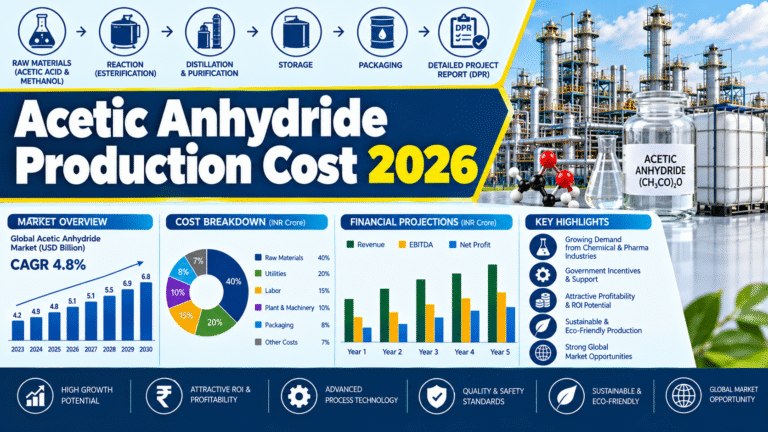
Raw material cost is the dominant driver of operational expenditure, accounting for approximately 50–60% of total OpEx in a beer manufacturing plant. Core inputs include barley (the primary and most cost-sensitive raw material), hops, yeast, water, and packaging materials such as bottles and cans. Securing long-term supply agreements with domestic and regional barley suppliers is essential for managing price volatility and ensuring production continuity.
Utility costs — primarily electricity, water, and steam — account for a further 15–20% of OpEx, reflecting the energy-intensive nature of the brewing, fermentation, pasteurisation, and refrigeration processes. Other recurring operational costs include transportation and outbound distribution, packaging procurement, salaries and wages for production and quality staff, routine maintenance, asset depreciation, and applicable taxes. By the fifth year of operations, total operational costs are expected to increase substantially due to inflation, market fluctuations, and potential increases in the cost of key materials, as well as supply chain dynamics and broader macroeconomic shifts.
3. Plant Capacity
The proposed manufacturing facility is designed with an annual production capacity ranging between 50 and 100 million litres, enabling economies of scale while maintaining operational flexibility. Capacity can be customised per investor requirements, and a modular plant layout allows for phased expansion as market demand increases. Profitability improves meaningfully with higher capacity utilisation, as fixed costs are spread across a larger production volume, compressing the per-litre cost of goods.
4. Profit Margins and Financial Projections
A beer manufacturing plant demonstrates healthy profitability potential under normal operating conditions. Gross profit margins typically range between 40–50%, supported by stable and recurring demand across hospitality, retail, and events channels. Net profit margins range between 15–25%, reflecting the relatively efficient cost structure achievable at scale. Financial projections should account for NPV, IRR, a detailed payback period analysis, and both gross and net margin trajectories across a five-year horizon. Based on industry benchmarks, break-even in a beer manufacturing business typically takes 2–5 years, with craft-oriented breweries potentially requiring slightly longer timelines due to brand establishment costs.
Why Set Up a Beer Manufacturing Plant in India?
Stable and Recurring Consumer Demand. Beer remains one of the most widely consumed alcoholic beverages globally, and India’s growing urban middle class is driving consistent volume growth. Social consumption habits, cultural acceptance across demographic segments, and repeat purchasing behaviour create a dependable demand base for domestic producers.
Premiumisation and Craft Beer Opportunity. The increasing demand for craft beers, flavoured variants, low-alcohol options, and premium labels allows manufacturers to command higher margins and build differentiated product portfolios. India’s younger consumers in particular are seeking distinctive, artisanal drinking experiences, opening a high-value market segment with strong margin potential.
Urbanisation and Lifestyle Shifts. More urban dwellers, rising household incomes, and evolving leisure patterns are accelerating beer consumption in developing markets. India, Vietnam, and China are specifically identified as markets witnessing increased beer penetration, particularly among younger demographics — making India a structurally important growth market.
Policy and Regulatory Tailwinds. The Make in India initiative and various state-level industrial promotion schemes provide capital subsidies, tax exemptions, reduced utility tariffs, and interest subsidies to encourage manufacturing investment. Governments may also offer export benefits that improve the financial case for large-capacity plants oriented toward export markets.
Active Industry Investment. The Indian beer sector is attracting tangible investment and product innovation. In January 2025, United Breweries Ltd (UBL), part of the Heineken Group, expanded its Kingfisher lineup with Kingfisher Flavours, introducing Lemon Masala and Mango Berry Twist variants targeting younger, experimental consumers. In April 2025, Chhattisgarh-based Simba Beer partnered with Mumbai’s Rollings Mills Brewery to launch Los Pablos, a limited-edition Mexican-style lager, while also introducing Simba Garage — a platform designed to encourage collaborative brewing with microbreweries across India.
Cost-Competitive Manufacturing Base. India offers competitive land acquisition costs, a large pool of technically skilled and semi-skilled labour, and a maturing supplier ecosystem for brewing inputs. Proximity to domestic barley-growing regions, reliable bottle and can manufacturing industries, and improving cold-chain logistics infrastructure all enhance the cost competitiveness of a locally established beer production facility.
Manufacturing Process – Step by Step
The beer manufacturing process uses malting, mashing, boiling, fermentation, conditioning, filtration, and packaging as the primary sequence of production methods. Each stage requires dedicated equipment, strict quality monitoring, and adherence to process parameters that determine the final product’s alcohol content, flavour, colour, and carbonation.
- Malting: Raw barley is steeped, germinated, and kilned to produce malted barley, activating the enzymes needed to convert starch to fermentable sugars.
- Mashing: Malted barley is mixed with hot water in mash tuns to activate enzymatic conversion and extract fermentable sugars, producing a liquid called wort.
- Lautering: The wort is separated from the spent grain in lauter tuns, clarifying the liquid before boiling.
- Boiling with Hops: The clarified wort is transferred to brew kettles and boiled with hops to develop bitterness, aroma, and act as a natural preservative.
- Fermentation: Yeast is introduced in fermenters to convert fermentable sugars into alcohol and carbon dioxide, producing young beer.
- Conditioning (Maturation): The beer is transferred to conditioning tanks for a defined lagering or conditioning period to develop flavour maturity and carbonation stability.
- Filtration: The conditioned beer passes through filtration systems to remove yeast, particulates, and haze, achieving the target clarity.
- Pasteurisation: The filtered beer passes through pasteurizers to eliminate residual microorganisms and extend shelf life.
- Packaging and Dispatch: The finished product is packaged on bottling and canning lines into bottles, cans, or kegs and dispatched to hospitality, retail, events, and tourism end-use channels.
Key Applications
Beer produced from a domestic manufacturing facility serves a broad range of end-use industries and consumption occasions across India’s growing consumer economy.
- Hospitality and On-Trade Channels: Consistent bulk demand as a staple offering in bars, pubs, restaurants, hotels, and clubs, representing a high-frequency, high-volume off-take channel.
- Retail and Off-Trade Sales: Home consumption of packaged beer through supermarkets, liquor stores, and convenience outlets, the primary distribution channel for bottled and canned formats.
- Events and Entertainment: Sports events, festivals, concerts, and social celebrations are the primary occasions driving peak consumption volumes and promotional opportunity.
- Tourism and Leisure: Breweries and brewpub destinations attracting tourists and supporting experiential consumption and brand engagement, a growing channel in India’s leisure economy.
Leading Manufacturers
The global beer industry is served by several multinational companies with extensive production capacities and diversified application portfolios across hospitality, food and beverage, events, and retail. Key players in the global market include:
- Diageo
- AB InBev
- Heineken N.V.
- Carlsberg Breweries A/S
- Molson Coors Beverage Company
- Asahi Group Holdings, Ltd.
Timeline to Start the Plant
Setting up a beer manufacturing plant in India typically requires 12 to 18 months from feasibility to commercial launch, depending on plant scale and the pace of regulatory approvals.
- Feasibility study and project report preparation
- Land acquisition and site development
- Regulatory approvals and environmental clearances
- Factory licence and fire safety compliance
- Machinery procurement and installation
- Raw material supplier agreements and supply chain setup
- Trial production and quality testing
- Commercial production launch
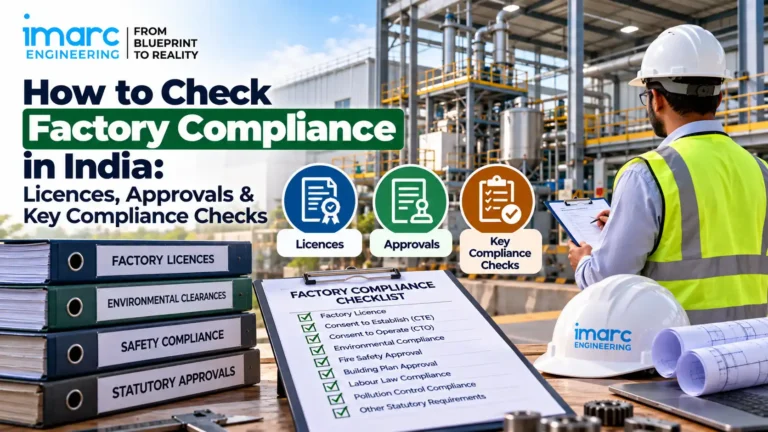
Licences and Regulatory Requirements
Starting a beer manufacturing unit in India requires several approvals across central and state regulatory authorities:
- Business registration (Proprietorship, LLP, or Private Limited Company)
- Factory Licence under the Factories Act
- Environmental Clearance from the State Pollution Control Board
- GST Registration
- Fire Safety NOC
- Excise licence for manufacture and storage of alcoholic beverages (state-specific)
- Effluent Treatment Plant (ETP) operational clearance
- Occupational Health and Safety compliance
- Food Safety and Standards Authority of India (FSSAI) licence for food-grade production
Key Challenges to Consider
High Capital Requirements. A beer manufacturing plant involves significant upfront investment across land, civil construction, brewing equipment, packaging lines, and utility infrastructure, requiring robust project financing and phased deployment planning.
Raw Material Price Volatility. Barley — which accounts for approximately 50–60% of total operating expenses — is subject to seasonal price fluctuations, crop yield variability, and global commodity market dynamics. Hops pricing is also influenced by global supply conditions.
Regulatory Compliance. The alcoholic beverages sector in India is governed by state-level excise policies that vary significantly across states, requiring careful jurisdictional assessment during site selection. Environmental and food safety compliance adds further regulatory complexity.
Technology and Innovation Pressure. The rising consumer interest in craft beers, low-alcohol variants, flavoured beers, and organic options requires ongoing investment in recipe development, flavour science, and small-batch production capability — creating pressure on traditional large-scale brewing operations.
Competition. Established global players including AB InBev, Heineken N.V., Carlsberg Breweries A/S, and Molson Coors Beverage Company hold strong brand recognition and distribution advantages in the Indian market, requiring new entrants to differentiate through niche positioning, craft credentials, or regional flavour preferences.
Skilled Manpower. Brewing operations require qualified brewmasters, fermentation scientists, quality control analysts, and maintenance engineers — a talent pool that remains limited in India outside major urban centres and established brewing clusters.
Frequently Asked Questions
1. How much does it cost to set up a beer manufacturing plant in India?
Total capital investment depends on plant capacity, technology selection, degree of automation, and geographic location. Costs cover land, civil construction, machinery (mash tuns, fermenters, bottling lines), utilities, ETP, and pre-operative expenses. A detailed feasibility report provides project-specific estimates.
2. Is beer manufacturing profitable in India in 2026?
Yes, the business demonstrates healthy profitability potential with gross margins of 40–50% and net margins of 15–25% at stable operating capacity. India’s urbanisation trend, rising income levels, and growing hospitality sector support sustained demand.
3. What machinery is required for a beer manufacturing plant in India?
Essential equipment includes mash tuns, lauter tuns, brew kettles, fermenters, conditioning tanks, filtration systems, pasteurizers, bottling and canning lines, cooling systems, storage tanks, and utilities systems.
4. What licences and approvals are required to start a beer manufacturing plant in India?
Key requirements include business registration, Factory Licence, Environmental Clearance, GST registration, state excise licence, Fire Safety NOC, ETP clearance, FSSAI licence, and Occupational Health and Safety compliance.
5. What raw materials are needed for beer manufacturing?
Primary raw materials are malted barley, hops, yeast, water, and packaging materials including bottles and cans. Barley is the dominant input, accounting for the largest share of raw material cost.
6. What are the environmental compliance requirements for a beer manufacturing plant in India?
Plants must secure Environmental Clearance from the State Pollution Control Board, operate a functional Effluent Treatment Plant for liquid waste management, and comply with emission standards under applicable environmental legislation.
7. What is the best location to set up a beer manufacturing plant in India?
Ideal locations combine proximity to barley-growing agricultural regions, access to reliable water supply, strong cold-chain logistics connectivity, and proximity to high-consumption urban centres. States with progressive excise policies and industrial estate infrastructure are preferred.
8. What is the break-even period for this type of plant in India?
Break-even in a beer manufacturing business typically takes 2–5 years depending on production scale, brand positioning, market reach, and operational efficiency. Craft breweries may require a slightly longer timeline.
9. What government incentives are available for manufacturers in India?
Incentives may include capital subsidies, tax exemptions, reduced utility tariffs, export benefits, and interest subsidies under national and state-level industrial promotion policies, including schemes aligned with the Make in India initiative.
Key Takeaways for Investors
A beer manufacturing plant in India represents a strategically sound investment opportunity, anchored by deep and recurring demand from the hospitality, retail, events, and tourism sectors. The investment demonstrates strong financial viability across a range of plant capacities, with gross profit margins of 40–50% and net margins of 15–25% providing a compelling return profile relative to capital deployed. The global beer market, valued at USD 698.65 billion in 2025 and projected to expand to USD 820.34 billion by 2034 at a CAGR of 1.8%, signals sustained long-term demand growth — with India positioned as one of the highest-potential emerging markets given its demographic profile, urbanisation trajectory, and expanding hospitality infrastructure. As premiumisation, craft innovation, and flavoured beer segments continue to grow — as evidenced by recent domestic launches from UBL’s Kingfisher Flavours and Simba Beer’s collaborative ventures — the demand outlook for domestically produced beer across all price tiers remains firmly positive.
About the Author