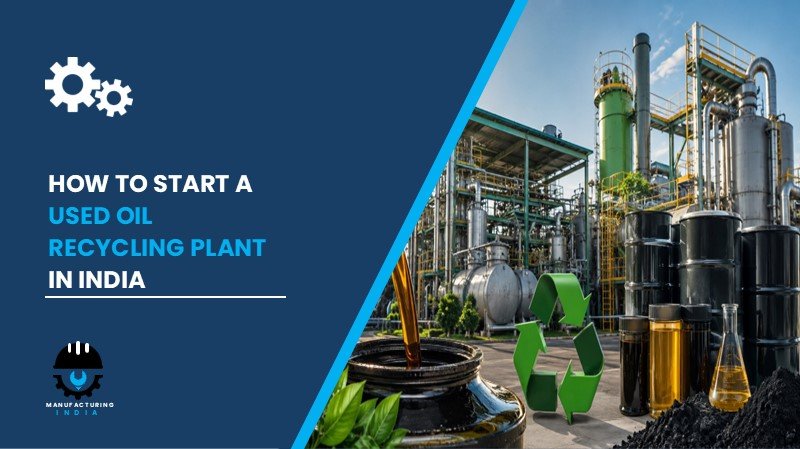
Setting up a used oil recycling plant in India presents a compelling investment case, driven by strong demand from the automotive industry, manufacturing and industrial processing, marine industry, power generation, construction and heavy equipment, metal working, and transportation and logistics sectors. Used oil recycling involves collecting, cleaning, and reprocessing used lubricating oil to remove impurities and restore its original properties, producing base oil used in new lubricants, industrial fuels, and occasionally marine fuels. Because this recycled output meets stringent performance standards, it serves as a sustainable alternative to virgin crude-based oils, supporting environmental protection and resource conservation.
India’s expanding automotive, manufacturing, and industrial processing base, combined with rising environmental awareness and stricter regulatory frameworks around hazardous waste management, is strengthening demand for recycled base oil. As industries seek to reduce their environmental footprint, recycled used oil is gaining acceptance as a reliable, eco-friendly alternative to virgin petroleum-based products, making this a strategically sound investment for India’s industrial economy.
This investment benefits from growing feedstock availability, cost-competitive base oil production, and steady demand from automotive, industrial processing, and transportation sectors. Supportive policy measures such as take-back programs and recycling incentives are reinforcing the industry’s infrastructure and logistics, offering a credible path toward long-term viability.
What is Used Oil Recycling?
Used oil recycling involves collecting, cleaning, and reprocessing used lubricating oil to remove impurities and restore its original properties. The recycled oil, often referred to as re-refined base oil, is utilized in the production of new lubricants, industrial fuels, and occasionally marine fuels. A used oil recycling plant employs advanced mechanical, chemical, and thermal processes — including vacuum distillation, hydrotreating, and filtration — to remove contaminants such as water, heavy metals, degraded additives, and particulates from waste oil. Some facilities also use solvent extraction and produce fuel oils and asphalt extenders as secondary products.
The used oil recycling process is centered on collection, cleaning, and reprocessing using vacuum distillation, hydrotreating, and filtration as its primary technologies. End-use industries served include the automotive industry, manufacturing and industrial processing, marine industry, power generation, construction and heavy equipment, metal working, and transportation and logistics.
Cost of Setting Up a Used Oil Recycling Plant in India
Cost depends on capacity, technology, location, automation, and regulatory compliance.
1. Capital Expenditure (CapEx)
Total capital investment for the plant depends on capacity, technology, and location, covering land acquisition, site preparation, and necessary infrastructure. Land and site development — including registration, boundary development, and related charges — forms a substantial part of the investment, and investors can evaluate industrial estates or designated zones offering robust infrastructure, transportation, and utilities, while ensuring compliance with local zoning and environmental regulations.
Machinery costs account for the largest portion of capital expenditure, with scale of production and automation level determining the total cost.
Key machinery required includes:
- Crushers
- Mills
- Screens
- Scrubbers
- Dryers
- Kilns
- Air classifiers
- Silos
- Conveyor belts
Other capital costs cover infrastructure and utility setup, ensuring a solid foundation for safe and efficient plant operations.
Request a Sample Report for In-Depth Market Insights: https://www.imarcgroup.com/used-oil-recycling-plant-project-report/requestsample
2. Operational Expenditure (OpEx)
Raw material cost is a major part of operating costs, with used cooking oil, used engine oil, additives, and filtration media as the primary inputs. Long-term contracts with reliable suppliers help mitigate price volatility and ensure a consistent supply.
Utility costs (electricity, water, steam) must also be factored into the financial plan, along with transportation, packaging, salaries and wages, depreciation, and maintenance.
By the fifth year, total operational cost is expected to rise substantially due to inflation, market fluctuations, rising raw material costs, supply chain disruptions, and shifts in the global economy.
3. Plant Capacity
Plant capacity can be customized based on investor requirements and target markets, with the scale of production directly influencing machinery costs and automation levels. Profitability generally improves with higher capacity utilisation and consistent access to quality feedstock.
4. Profit Margins and Financial Projections
Financial projections cover ROI, profitability, and long-term sustainability, based on capital investment, operating costs, capacity utilization, pricing trends, and demand outlook. Detailed income projections, expenditure breakdowns, margins, payback period, and net present value (NPV) figures form part of the full financial analysis in the complete report.
Why Set Up a Used Oil Recycling Plant in India?
Rising Industrial Demand for Cost-Effective Lubricants. Manufacturing, mining, construction, and transportation operations require large volumes of lubricants for machinery maintenance, and re-refined lubricants offer comparable performance at a lower cost.
Advancements in Re-Refining Technologies. Modern technologies such as vacuum distillation, hydro-treating, and solvent extraction now restore used oil to near-virgin quality, meeting stringent performance specifications.
Policy and Regulatory Tailwinds. Governments and environmental agencies worldwide are intensifying efforts to manage hazardous waste responsibly, with take-back programs and recycling incentives reinforcing industry infrastructure.
Price Stability Amid Crude Oil Volatility. Fluctuations in crude oil prices directly affect the cost of virgin base oils, making recycled products a more financially stable option for predictable maintenance budgets.
Active Industry Investment. In March 2025, Atlas Oil launched its Sustainable Oil Buy-Back Program with the Rose Foundation, while in August 2024, Puraglobe commissioned EDL Anlagenbau to engineer its fourth HyLube used oil re-refining plant, producing Group III/III+ base oils.
Growing Regional Recycling Infrastructure. In November 2024, Vietnam launched its first automated used cooking oil collection system, piloted by Eco Oil Vietnam using Flow Metric and AI technology, reflecting momentum behind organized oil-collection infrastructure.
Recycling Process – Step by Step
The used oil recycling process uses mechanical, chemical, and thermal treatment as its primary method, centered on vacuum distillation, hydrotreating, and filtration.
- Collection: Spent or used engine oil is collected from automotive service centers, industrial plants, and oil change facilities.
- Screening and cleaning: Screens and scrubbers remove coarse contaminants and particulates from the collected oil.
- Drying: Dryers and kilns remove water and moisture content from the used oil.
- Vacuum distillation: The oil is processed under vacuum distillation to separate base oil fractions from heavier residues.
- Hydrotreating: Hydrotreating removes degraded additives and heavy metals to restore near-virgin quality.
- Filtration: Filtration units perform final polishing to meet base oil specifications.
- Classification and storage: Air classifiers and silos separate and store processed materials before dispatch.
- Packaging and dispatch: Conveyor belts move finished base oil to packaging for delivery to end-use industries such as automotive and manufacturing.
Key Applications
- Base Oil Production: Recycled base oil is the primary output, used across automotive lubricants, hydraulic oils, and industrial greases.
- Automotive Industry: Recycled base oil supports the formulation of automotive lubricants for vehicles and fleets.
- Manufacturing and Industrial Processing: Industrial greases and specialty fluids derived from recycled oil support machinery maintenance.
- Marine and Power Generation: Recycled oil is occasionally used in marine fuels and supports power generation applications.
- Secondary Products: Some facilities also produce fuel oils and other byproducts from used oil processing.
Leading Manufacturers
Leading manufacturers in the global used oil recycling industry include several multinational companies with extensive production capacities and diverse application portfolios; specific company names and market shares are detailed in the full project report.
Timeline to Start the Plant
- Feasibility study and project report preparation
- Land acquisition and site development
- Regulatory approvals and environmental clearances
- Factory licence and fire safety compliance
- Machinery procurement and installation
- Raw material supplier agreements and supply chain setup
- Trial production and quality testing
- Commercial production launch
Licences and Regulatory Requirements
Starting a used oil recycling unit in India requires several approvals:
- Business registration (Proprietorship, LLP, or Pvt Ltd)
- Factory Licence under the Factories Act
- Environmental Clearance from State Pollution Control Board
- GST Registration
- Fire Safety NOC
- Hazardous waste handling compliance for used oil collection and processing
- Effluent Treatment Plant (ETP) operational clearance
- Occupational Health and Safety compliance
Key Challenges to Consider
High Capital Requirements. Machinery costs, including crushers, mills, scrubbers, dryers, and kilns, account for the largest share of capital expenditure.
Feedstock Quality and Supply Variability. Assessing the quality of collected oil is important to avoid excessive contamination that could affect recycling efficiency, making long-term supplier agreements essential.
Regulatory Compliance. Safety protocols, monitoring systems, and effluent treatment requirements must be implemented throughout the process to minimize environmental impact.
Technology Investment Pressure. Continued advancement in vacuum distillation, hydro-treating, and solvent extraction is needed to meet stringent performance specifications and remain competitive.
Competition from Established Global Players. The global industry includes several multinational companies with extensive production capacities, setting a high bar for new entrants.
Skilled Manpower. Operating vacuum distillation, hydrotreating, and filtration systems requires trained, well-supervised personnel.
Frequently Asked Questions
1. How much does it cost to set up this facility in India?
Cost depends on capacity, technology, location, automation, and regulatory compliance, covering land, civil works, machinery, and other capital costs.
2. Is used oil recycling profitable in India in 2026?
Profitability depends on capacity utilisation, feedstock quality, and pricing trends; detailed margin figures are available in the full financial analysis.
3. What machinery is required for this facility in India?
Crushers, mills, screens, scrubbers, dryers, kilns, air classifiers, silos, and conveyor belts.
4. What licences and approvals are required to start the unit in India?
Business registration, a Factory Licence, Environmental Clearance, GST Registration, Fire Safety NOC, hazardous waste compliance, ETP clearance, and occupational health and safety compliance.
5. What raw materials are needed for used oil recycling?
Used cooking oil, used engine oil, additives, and filtration media, with spent engine oil as the primary raw material.
6. What are the environmental compliance requirements for this facility in India?
Environmental Clearance from the State Pollution Control Board, an operational ETP, and safety/monitoring systems.
7. What is the best location to set up this facility in India?
Easy access to used cooking oil and used engine oil feedstock, proximity to target markets, and robust transportation and utility infrastructure.
8. What is the break-even period for this type of plant in India?
It depends on capacity utilisation, pricing trends, and cost structure, detailed through payback period and NPV analysis in the full financial projections.
9. What government incentives are available for manufacturers in India?
Supportive policy measures such as take-back programs and incentives for oil collection and recycling are reinforcing industry infrastructure and logistics.
Key Takeaways for Investors
This opportunity taps into steady, diversified demand from the automotive industry, manufacturing and industrial processing, marine industry, power generation, construction and heavy equipment, metal working, and transportation and logistics sectors. The industry outlook remains favorable, supported by rising environmental awareness, stringent regulatory frameworks, and supportive policy measures such as take-back programs and recycling incentives. With recycled base oils now widely accepted in high-performance lubricant production and technological advancements continuing to improve recovery quality and yield, demand fundamentals for domestically produced base oil appear well-positioned for long-term investor interest.
About the Author