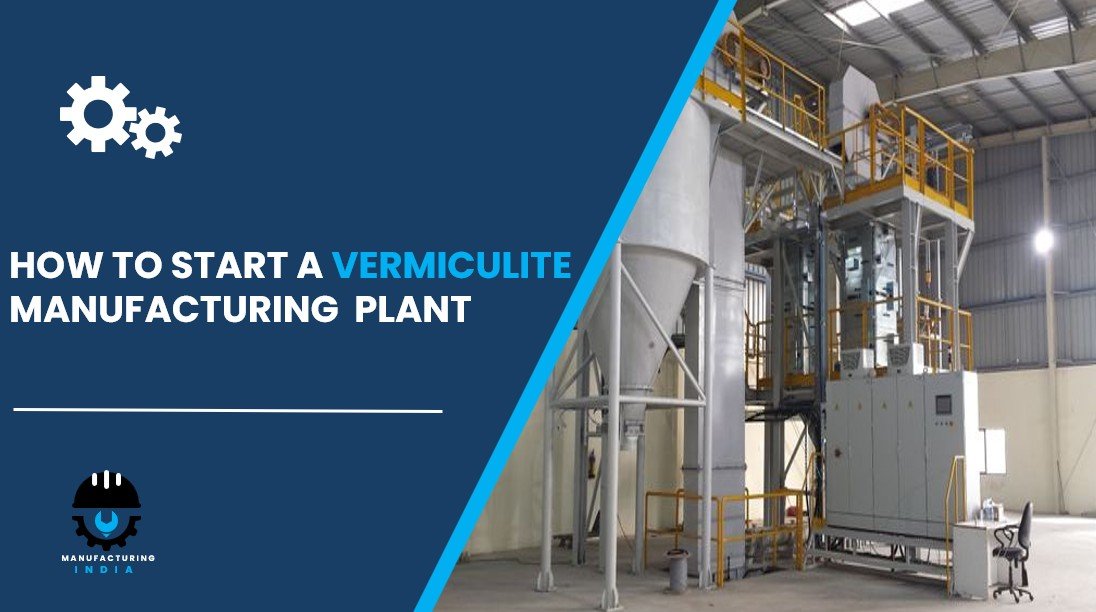
Setting up a vermiculite manufacturing plant is driven by the rising awareness of sustainable farming practices and the need for efficient water management. The global vermiculite market size was valued at USD 200.00 Million in 2025. According to IMARC Group estimates, the market is expected to reach USD 318.34 Million by 2034, exhibiting a CAGR of 5.3% from 2026 to 2034. This feasibility report covers a comprehensive market overview to micro-level information such as unit operations involved, raw material requirements, utility requirements, infrastructure requirements, machinery and technology requirements, manpower requirements, packaging requirements, and transportation requirements, along with a detailed setup cost covering project economics, capital investments (CapEx), operating expenses (OpEx), income and expenditure projections, and financial analysis.
What is Vermiculite?
Vermiculite is a naturally occurring hydrated magnesium-aluminum-iron silicate mineral, structurally like mica, that undergoes significant expansion when heated. During this exfoliation process, raw flakes expand 8 to 30 times their original volume, forming lightweight, accordion-like particles. It is sterile, odourless, pH-neutral, and highly absorbent, making it an ideal horticultural amendment for retaining water and essential nutrients in soil. Beyond agriculture, its excellent fire resistance and thermal insulation properties make it suitable for construction materials, including fireproof plaster, lightweight concrete, and roof insulation. It is also used as a packing material for transporting hazardous liquids. For entrepreneurs planning to enter this sector, understanding the vermiculite manufacturing plant setup cost in India is essential for evaluating capital investment, machinery requirements, raw material procurement, operational expenses, and overall project feasibility. These versatile properties make vermiculite a valuable material across agricultural, industrial, construction, and eco-friendly applications.
Key Investment Highlights
- Process Used: Exfoliation, screening, grading, and blending.
- End-use Industries: Construction, horticulture & agriculture, automotive, fire protection, industrial insulation, packaging.
- Applications: Used for loose-fill insulation, lightweight concrete aggregates, fireproof coatings, brake linings, seed germination media, and hazardous material absorption.
Vermiculite Plant Capacity
The proposed manufacturing facility is designed with an annual production capacity ranging between 10,000–30,000 tons, enabling economies of scale while maintaining operational flexibility.
Vermiculite Plant Profit Margins
The project demonstrates healthy profitability potential under normal operating conditions. Gross profit margins typically range between 30–40%, supported by stable demand and value-added applications.
- Gross Profit: 30–40%
- Net Profit: 15–22%
Vermiculite Plant Cost Analysis
The operating cost structure of a vermiculite manufacturing plant is primarily driven by raw material consumption, particularly vermiculite ore, which accounts for approximately 40–50% of total operating expenses (OpEx).
- Raw Materials: 40–50% of OpEx
- Utilities: 30–40% of OpEx
Financial Projection
The financial projections for the proposed project have been developed based on realistic assumptions related to capital investment, operating costs, production capacity utilization, pricing trends, and demand outlook. These projections provide a comprehensive view of the project’s financial viability, ROI, profitability, and long-term sustainability.
Major Applications
- Construction (lightweight insulating concrete, fire-resistant boards, and plaster additives)
- Agriculture & Horticulture (soil conditioning, seed germination, and moisture retention in potting mixes)
- Packaging (protective, shock-absorbing material for transporting fragile goods)
- Industrial (thermal insulation, refractory linings, and filtration media)
Request Sample: https://www.imarcgroup.com/vermiculite-manufacturing-plant-project-report/requestsample
Why Vermiculite Manufacturing?
- Critical Industrial & Construction Material: Vermiculite is widely used for insulation, fireproofing, lightweight concrete, horticulture and packaging—making it a vital input across construction, agriculture, industrial processing and safety applications.
- Moderate but Defensible Entry Barriers: While not as capital-intensive as heavy minerals, the need for controlled exfoliation processes, quality grading, thermal treatment expertise and consistent particle sizing creates operational complexity—favoring technically capable and quality-focused manufacturers.
- Megatrend Alignment: Growth in sustainable construction, urbanization, protected agriculture (greenhouses, hydroponics), and fire-resistant materials is driving steady demand for vermiculite-based products, with increasing emphasis on energy efficiency and eco-friendly inputs.
- Policy & Infrastructure Push: Government focus on affordable housing, infrastructure expansion, agricultural productivity and energy-efficient buildings (e.g., insulation mandates and green building initiatives) indirectly boosts demand for vermiculite products.
- Localization and Supply Chain Advantage: With logistics costs and bulk handling considerations, regional production becomes advantageous—allowing manufacturers to serve nearby construction firms, nurseries and industrial users with faster delivery, cost efficiency and reliable supply.
Vermiculite Industry Outlook 2026
The vermiculite market is poised for steady growth in the coming years, driven by increasing demand across diverse sectors such as construction, agriculture, and horticulture. Vermiculite is widely used in insulation products, soil conditioning, and as a lightweight aggregate in concrete, which is fueling its growth in the construction industry. The residential construction sector, which expanded at 6.8% during FY2024-25, is projected to reach USD 350 Billion by 2030, as per industrial reports. Additionally, its application in agricultural soil amendment is gaining traction due to its ability to retain moisture and improve soil aeration. The increasing demand for eco-friendly and energy-efficient building materials also plays a crucial role in expanding the industry’s scope. Moreover, the outlook for the vermiculite industry remains positive with strong growth prospects in the short to medium term.
Leading Vermiculite Manufacturers
Leading manufacturers in the global vermiculite industry include several multinational companies with extensive production capacities and diverse application portfolios. Key players include:
- Palabora Mining Company
- Samrec Vermiculite (Imerys)
- Virginia Vermiculite LLC
- Termolita SAPI de CV
- Imerys Performance Additives
All of the above serve end-use sectors such as construction, horticulture & agriculture, automotive, fire protection, industrial insulation, and packaging.
How to Setup a Vermiculite Manufacturing Plant?
Setting up a vermiculite manufacturing plant requires evaluating several key factors, including technological requirements and quality assurance. Some of the critical considerations include:
Detailed Process Flow
The manufacturing process is a multi-step operation that involves several unit operations, material handling, and quality checks. Below are the main stages involved in the vermiculite manufacturing process flow:
- Unit Operations Involved
- Mass Balance and Raw Material Requirements
- Quality Assurance Criteria
- Technical Tests
- Site Selection: The location must offer easy access to key raw materials such as vermiculite ore and expansion furnace fuel. Proximity to target markets will help minimize distribution costs. The site must have robust infrastructure, including reliable transportation, utilities, and waste management systems. Compliance with local zoning laws and environmental regulations must also be ensured.
- Plant Layout Optimization: The layout should be optimized to enhance workflow efficiency, safety, and minimize material handling. Separate areas for raw material storage, production, quality control, and finished goods storage must be designated. Space for future expansion should be incorporated to accommodate business growth.
- Equipment Selection: High-quality, corrosion-resistant machinery tailored for vermiculite production must be selected. Essential equipment includes ore crushers, screening units, rotary kilns or vertical exfoliation furnaces, classification systems, dust collectors, drying chambers, and bagging machines. All machinery must comply with industry standards for safety, efficiency, and reliability.
- Raw Material Sourcing: Reliable suppliers must be secured for raw materials like vermiculite ore and expansion furnace fuel to ensure consistent production quality. Minimizing transportation costs by selecting nearby suppliers is essential. Sustainability and supply chain risks must be assessed, and long-term contracts should be negotiated to stabilize pricing and ensure a steady supply.
- Safety and Environmental Compliance: Safety protocols must be implemented throughout the manufacturing process of vermiculite. Advanced monitoring systems should be installed to detect leaks or deviations in the process. Effluent treatment systems are necessary to minimize environmental impact and ensure compliance with emission standards.
- Quality Assurance Systems: A comprehensive quality management system should be implemented across all stages of operations to ensure consistent product and service standards. Appropriate testing, monitoring, and validation processes must be established to evaluate performance, safety, reliability, and compliance with applicable regulatory and industry requirements. Standard operating procedures (SOPs), documentation protocols, and traceability mechanisms should be maintained to support transparency, risk management, and continuous improvement. Regular audits, inspections, and corrective action frameworks should also be integrated to enhance overall operational excellence.
Speak to an Analyst: https://www.imarcgroup.com/request?type=report&id=14974&flag=C
Project Economics
Establishing and operating a vermiculite manufacturing plant involves various cost components, including:
- Capital Investment: The total capital investment depends on plant capacity, technology, and location. This investment covers land acquisition, site preparation, and necessary infrastructure.
- Equipment Costs: Equipment costs, such as those for ore crushers, screening units, rotary kilns or vertical exfoliation furnaces, classification systems, dust collectors, drying chambers, and bagging machines, represent a significant portion of capital expenditure. The scale of production and automation level will determine the total cost of machinery.
- Raw Material Expenses: Raw materials, including vermiculite ore and expansion furnace fuel, are a major part of operating costs. Long-term contracts with reliable suppliers will help mitigate price volatility and ensure a consistent supply of materials.
- Infrastructure and Utilities: Costs associated with land acquisition, construction, and utilities (electricity, water, steam) must be considered in the financial plan.
- Operational Costs: Ongoing expenses for labor, maintenance, quality control, and environmental compliance must be accounted for. Optimizing processes and providing staff training can help control these operational costs.
- Financial Planning: A detailed financial analysis, including income projections, expenditures, and break-even points, must be conducted. This analysis aids in securing funding and formulating a clear financial strategy.
Capital Expenditure (CapEx) and Operational Expenditure (OpEx) Analysis
Capital Investment (CapEx): Machinery costs account for the largest portion of the total capital expenditure. The cost of land and site development, including charges for land registration, boundary development, and other related expenses, forms a substantial part of the overall investment. This allocation ensures a solid foundation for safe and efficient plant operations.
Operating Expenditure (OpEx): In the first year of operations, the operating cost for the vermiculite manufacturing plant is projected to be significant, covering raw materials, utilities, depreciation, taxes, packing, transportation, and repairs and maintenance. By the fifth year, the total operational cost is expected to increase substantially due to factors such as inflation, market fluctuations, and potential rises in the cost of key materials. Additional factors, including supply chain disruptions, rising consumer demand, and shifts in the global economy, are expected to contribute to this increase.
Latest Industry Developments
- March 2026: Critical Metals Corp. entered into an agreement to acquire a majority shareholding in 60° North Greenland ApS, a Greenlandic construction, exploration, logistics and project development company. The acquisition will strengthen Critical Metals Corp.’s strategic position in southern Greenland, where the company already holds a controlling interest in the Tanbreez rare earth project.
Frequently Asked Questions:
1. How much capital is required to start a vermiculite manufacturing plant?
The capital required to establish a vermiculite manufacturing plant depends on production capacity, plant location, processing technology, automation level, and the intended product grades. Major investment components include land acquisition, site development, factory construction, processing machinery, installation, utilities, storage facilities, quality-control equipment, and pre-operative expenses. Working capital must also be allocated for raw materials, labor, maintenance, packaging, and transportation.
2. How do I start a vermiculite manufacturing business?
Starting a vermiculite manufacturing business involves conducting a feasibility study, identifying target customers, arranging financing, selecting a suitable industrial site, obtaining the necessary approvals, and procuring appropriate processing equipment. Entrepreneurs should establish reliable supply agreements with vermiculite mines or mineral suppliers and develop distribution channels serving horticulture, construction, insulation, and industrial applications.
3. What raw materials are required for vermiculite manufacturing?
The primary raw material required is natural vermiculite ore or concentrate. Depending on the intended product, additional inputs may include packaging bags, labels, pallets, and other handling materials. Expanded vermiculite production also requires thermal energy for the exfoliation process.
4. What machinery and equipment are required to start a vermiculite manufacturing plant?
A vermiculite manufacturing plant requires equipment for mineral handling, size reduction, screening, grading, and packaging. Essential machinery may include feed hoppers, conveyors, crushers, vibrating screens, grading systems, dust-collection units, storage silos, weighing systems, and automatic bagging machines.
5. What are the biggest challenges in starting a vermiculite manufacturing business?
Major challenges include securing a consistent supply of suitable vermiculite ore, managing variations in mineral quality, controlling dust emissions, and achieving uniform particle sizes and expansion characteristics. Manufacturers producing expanded vermiculite must also manage energy consumption and maintain consistent thermal-processing performance.
6. Who are the top vermiculite manufacturers and suppliers in the world?
Prominent companies operating in the vermiculite industry include Palabora Mining Company, Imerys, Dicalite Management Group, The Schundler Company, and EP Minerals. Their activities span vermiculite mining, processing, expanded mineral products, and related industrial or horticultural materials, although their product portfolios and geographic coverage differ.
Buy Report: https://www.imarcgroup.com/checkout?id=14974&method=2175
Contact Us
IMARC Group
134 N 4th St. Brooklyn, NY 11249, USA
Email: sales@imarcgroup.com
Tel No: (D) +91 120 433 0800
United States: (+1-201-971-6302)
About the Author