
Setting up a renewable battery separator materials manufacturing plant in India presents a compelling investment case as electric vehicles, consumer electronics, energy storage, renewable energy, automotive and industrial energy systems all depend on rechargeable batteries. Battery separators are essential components in lithium-ion and other rechargeable batteries, isolating the electrodes while permitting ionic transport. Eco-friendly, bio-derived membranes that replace petroleum-based polyolefins such as polyethylene and polypropylene are therefore central to a cleaner battery supply chain.
India sits within Asia-Pacific, the largest regional market with over 48.0% of global share, and regional growth is supported by battery capacity in China, Japan, South Korea and India. A government target, cited by IEA Bioenergy, of reducing India’s carbon footprint by 30–35% by 2030 strengthens the case for clean-energy supply chains, while government investment in clean energy and domestic battery production supports local producers. Manufacturers increasingly favour local, dependable suppliers, which makes domestic production strategically sound. Together, these factors position India as a logical base for serving battery makers with bio-derived membranes.
Government investment in clean energy and domestic battery production, steady demand from electric vehicles, energy storage and portable electronics, and gross margins of 22–32% build the investment case. With a flexible capacity of 5,000–20,000 MT a year and raw materials at 50–62% of operating expenses, break-even viability improves as utilisation rises.
What is Renewable Battery Separator Materials?
Renewable battery separator materials are eco-friendly, bio-derived membranes that isolate a battery’s electrodes while permitting ionic transport. They replace petroleum-based polyolefins such as polyethylene and polypropylene, using cellulose, nanocellulose or chitosan as base materials. Product types include bio-based polymers, cellulose-based separators, ceramic-coated grades and recyclable designs. Production follows a sequence of fiber dispersion and film formation, coating, plasticizer incorporation, drying, calendaring, slitting and quality testing. End-use industries served are electric vehicles, consumer electronics, energy storage, renewable energy, automotive and industrial energy systems.
Cost of Setting Up a Renewable Battery Separator Materials Manufacturing Plant in India
The cost of a renewable battery separator materials manufacturing plant depends on capacity, technology, location, automation and regulatory compliance.
1. Capital Expenditure (CapEx)
Machinery costs account for the largest portion of capital expenditure. Land and site development covers land registration and boundary development, and SEZ or industrial estate locations can be compared for infrastructure access. Civil works include the production shed, laboratory, storage and administrative block, with separate areas for raw material storage, production and finished goods, and space reserved for future expansion. Other capital costs cover effluent treatment, pre-operative expenses, commissioning and import duties where applicable.
Key machinery required includes:
- Fiber dispersion units
- Polymer blending systems
- Coating machines
- Film-forming and casting units
- Drying ovens
- Calendaring machines
- Slitting and winding systems
- Surface-treatment units
- Quality-testing equipment
- Packaging machines
Request a Sample Report for In-Depth Market Insights: https://www.imarcgroup.com/renewable-battery-separator-materials-manufacturing-plant-project-report/requestsample
2. Operational Expenditure (OpEx)
Raw materials account for 50–62% of OpEx and include cellulose nanofibers or bio-based polyolefin, ceramic coating and biobased plasticizer. Long-term supplier contracts help stabilise pricing and secure steady supply. Utilities such as electricity, water and steam take 16–22% of OpEx. Other operating costs include transportation, packaging, salaries and wages, repairs and maintenance, depreciation and taxes. By the fifth year, total operating cost is expected to rise substantially because of inflation, market fluctuations and higher material costs.
3. Plant Capacity
The proposed facility is designed for an annual capacity of 5,000–20,000 MT. Capacity can be customised to investor requirements, and profitability improves with higher capacity utilisation, since fixed costs are spread over larger output. Investors can start at the lower end of the range and expand later, provided the layout reserves space for additional lines.
4. Profit Margins and Financial Projections
Gross profit margins typically range between 22–32%, while net profit margins range between 8–16%. Financial projections should be assessed through ROI, NPV and payback period, built on realistic assumptions for capital investment, operating costs, capacity utilisation, pricing and demand.
Why Set Up a Renewable Battery Separator Materials Plant in India?
Growing Battery Demand. Demand is tied to the growth of electric vehicles, energy storage and portable electronics, all of which need separators for lithium-ion and other rechargeable batteries. Applications span smartphones, laptops, tablets, wearables, power tools and grid-scale storage.
Shift Toward Bio-derived Membranes. Eco-friendly, bio-derived membranes offer a renewable alternative to petroleum-based polyolefins. This gives producers a differentiated product in a market where cellulose, nanocellulose and chitosan are the base materials.
Policy and Regulatory Tailwinds. Government investment in clean energy and domestic battery production supports the segment. A government target of cutting India’s carbon footprint by 30–35% by 2030 reinforces the long-term direction toward clean energy.
Cost-Competitive Manufacturing. Entry barriers are moderate but justifiable, favouring producers with strong material-processing capability. Gross margins of 22–32% and a 5,000–20,000 MT capacity range allow investors to scale output to demand.
Active Industry Investment. Asia-Pacific accounts for over 48.0% of global share, supported by battery capacity in China, Japan, South Korea and India. This regional momentum keeps attention on separator supply chains.
Local Supply Chain Preference. Battery manufacturers increasingly favour local, dependable suppliers. A domestic producer can shorten lead times and reduce transportation costs when located near raw material suppliers and target markets.
Manufacturing Process – Step by Step
The renewable battery separator materials manufacturing process uses fiber dispersion and film formation as the primary production method.
- Fiber Dispersion and Film Formation: Cellulose nanofibers or bio-based polyolefin are dispersed and blended, then cast into film using fiber dispersion units, polymer blending systems and film-forming and casting units.
- Coating: Coating machines apply the ceramic coating to the formed film.
- Plasticizer Incorporation: Biobased plasticizer is incorporated to give the membrane its required properties.
- Drying: Drying ovens remove moisture from the coated membrane.
- Calendaring: Calendaring machines bring the membrane to the required finish and thickness.
- Slitting: Slitting and winding systems cut and wind the membrane into rolls.
- Surface Treatment and Quality Testing: Surface-treatment units and quality-testing equipment verify performance against quality assurance criteria and technical tests.
- Packaging and Dispatch: Packaging machines prepare finished rolls for dispatch to electric vehicle, consumer electronics, energy storage, renewable energy, automotive and industrial energy system users.
Key Applications
Renewable separators serve battery makers across several fast-growing industries, from electric mobility to grid-scale storage, and the same membranes can be supplied to multiple end uses from one production line:
- Electric Vehicles: Separators for lithium-ion batteries used in EVs.
- Energy Storage Systems: Separators for stationary storage and other rechargeable batteries.
- Consumer Electronics: Batteries for smartphones, laptops, tablets and wearables.
- Renewable Energy: Solar storage, wind storage and grid-scale storage.
- Power Tools and Portable Electronics: Rechargeable batteries for tools and portable devices.
Leading Manufacturers
Several multinational companies supply the global separator market, and competition rewards producers with strong material-processing capability. New entrants should therefore plan on quality, consistency and reliable local supply as their main points of differentiation.
Timeline to Start the Plant
- Feasibility study and project report preparation
- Land acquisition and site development
- Regulatory approvals and environmental clearances
- Factory licence and fire safety compliance
- Machinery procurement and installation
- Raw material supplier agreements and supply chain setup
- Trial production and quality testing
- Commercial production launch
Licences and Regulatory Requirements
Starting a renewable battery separator materials manufacturing unit in India requires several approvals:
- Business registration (Proprietorship, LLP, or Pvt Ltd)
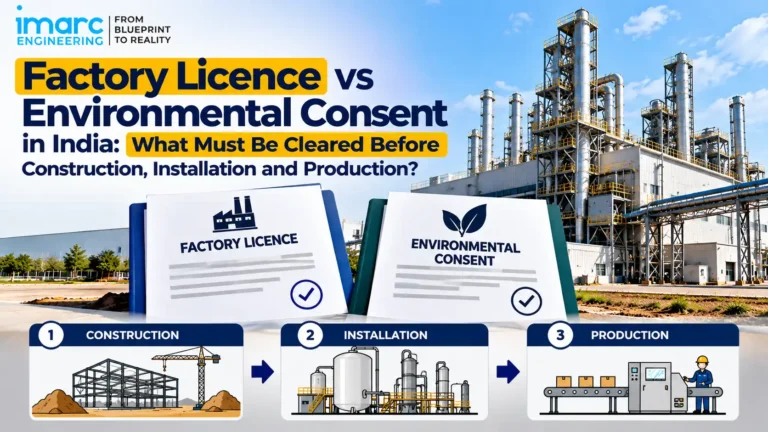
- Factory Licence under the Factories Act
- Environmental Clearance from State Pollution Control Board
- GST Registration
- Fire Safety NOC
- Effluent Treatment Plant (ETP) operational clearance
- Occupational Health and Safety compliance
Key Challenges to Consider
- High Capital Requirements: A renewable battery separator materials plant needs heavy machinery investment, from coating machines to calendaring and slitting lines.
- Raw Material Price Volatility: Cellulose nanofibers or bio-based polyolefin, ceramic coating and biobased plasticizer make up 50–62% of OpEx, so price swings affect margins; long-term contracts help.
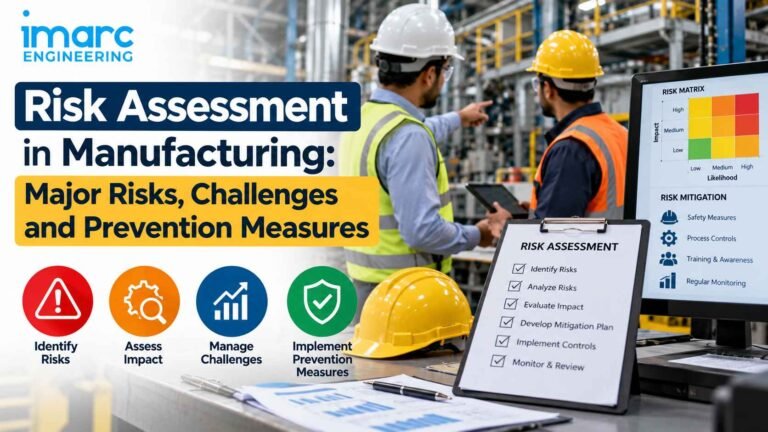
- Regulatory Compliance: Zoning, environmental compliance and effluent treatment must be met throughout operations.
- Technology or Innovation Pressure: Producers need strong material-processing capability, and moderate entry barriers reward technical depth.
- Competition: Several multinational companies already serve the global market.
- Skilled Manpower: Dispersion, coating, calendaring and quality testing need trained operators and process engineers.
Frequently Asked Questions
1. How much does it cost to set up a renewable battery separator materials manufacturing plant in India?
The total depends on capacity, technology and location, with machinery as the largest CapEx component.
2. Is renewable battery separator materials manufacturing profitable in India in 2026?
Gross margins range between 22–32% and net margins between 8–16%, depending on capacity utilisation and input costs.
3. What machinery is required for a renewable battery separator materials plant in India?
Core equipment includes fiber dispersion units, coating machines, film-forming and casting units, drying ovens, calendaring machines and slitting and winding systems.
4. What licences and approvals are required to start a renewable battery separator materials plant in India?
Business registration, factory licence, environmental clearance, GST registration, fire safety NOC and ETP clearance are needed.
5. What raw materials are needed for renewable battery separator materials manufacturing?
Cellulose nanofibers or bio-based polyolefin, ceramic coating and biobased plasticizer, together 50–62% of OpEx.
6. What are the environmental compliance requirements for a renewable battery separator materials plant in India?
Effluent treatment, zoning and environmental compliance apply, alongside State Pollution Control Board clearance.
7. What is the best location to set up a renewable battery separator materials plant in India?
Choose a site near raw material suppliers and target markets, with reliable transport, utilities and waste management.
8. What is the break-even period for this type of plant in India?
It depends on capacity utilisation, capital investment and operating costs; payback period should be modelled in the financial analysis.
9. What government incentives are available for manufacturers in India?
Government investment in clean energy and domestic battery production supports the sector; verify scheme eligibility and current terms with the relevant authorities before committing capital.
Key Takeaways for Investors
A renewable battery separator materials manufacturing plant in India taps demand from electric vehicles, consumer electronics, energy storage, renewable energy, automotive and industrial energy systems. Financial viability holds across the 5,000–20,000 MT capacity range, with 22–32% gross and 8–16% net margins. Asia-Pacific holds over 48.0% of global share, and India’s target of cutting its carbon footprint by 30–35% by 2030 supports the direction of travel. As clean energy and battery adoption expand, demand for bio-derived separators should stay resilient.
About the Author