Introduction
Yellow phosphorus is an essential industrial chemical used in producing phosphoric acid, fertilizers, flame retardants, specialty chemicals, metal treatment products, and pharmaceuticals. Due to its high reactivity and commercial importance, the demand for yellow phosphorus remains strong across multiple sectors. For entrepreneurs and investors looking to enter the chemical manufacturing space, establishing a yellow phosphorus production plant can be a profitable opportunity—provided the setup is planned carefully with safety and cost-efficiency in mind.
This guide explains the cost factors, key stages of the production process, and the step-by-step approach to setting up a yellow phosphorus plant.
Understanding Yellow Phosphorus Production
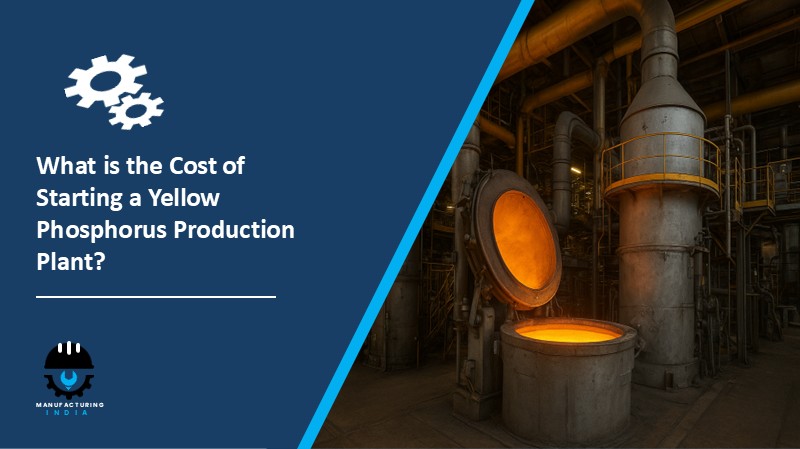
Yellow phosphorus is produced through the thermal reduction of phosphate rock in an electric furnace under controlled conditions. The process involves high temperatures, reducing agents, and gas handling systems. Since yellow phosphorus is highly reactive and flammable, strict safety and environmental controls are required throughout production, storage, and transport.
Manufacturers typically supply yellow phosphorus to downstream processors who convert it into phosphoric acid, phosphorus pentoxide, and various specialty derivatives.
The cost of setting up a yellow phosphorus production plant depends on several major components, including land, equipment, raw materials, utilities, and safety systems. Since the process involves high temperatures, gas emissions, and hazardous materials, investment in advanced engineering controls and regulatory compliance is essential.
Grab Your Sample Report—Start Planning Smarter: https://www.imarcgroup.com/yellow-phosphorus-manufacturing-plant-project-report/requestsample
Key Cost Components Include:
1. Land and Site Development
A secure industrial site is necessary with adequate space for furnaces, material handling, gas cleaning units, storage tanks, and worker safety zones.
2. Machinery and Equipment
Major machinery includes:
- Electric arc furnaces
- Phosphate rock feeding systems
- Coke/reducing agent feeders
- Condensation chambers
- Gas scrubbing and filtration systems
- Cooling and storage units
- Packaging and container loading systems
This is typically the largest part of project investment.
3. Raw Materials
Operating costs depend on the availability and quality of:
- Phosphate rock
- Coke or other reducing agents
- Silica
- Power supply
- Water for cooling and scrubbing
Raw materials significantly influence long-term operational expenses.
4. Utilities and Energy Costs
Yellow phosphorus production is energy-intensive. Key utilities include:
- High-voltage electric power
- Cooling water
- Gas treatment systems
- Air supply systems
5. Labor and Skill Requirements
Skilled technicians, chemical engineers, furnace operators, and safety personnel are required.
6. Pollution Control and Safety Systems
Investments include:
- Gas scrubbers and filters
- Wastewater treatment facilities
- Fire suppression systems
- Flameproof storage tanks
- Hazard management systems
7. Quality Control and Laboratory Setup
Chemical testing equipment is essential for maintaining purity and safety standards.
8. Working Capital
Covers raw material purchases, labor, utilities, and routine maintenance.
The total cost depends on plant capacity, technology level, and regulatory compliance needs.
Step-by-Step Process to Start a Yellow Phosphorus Production Plant
Below is a clear and practical step-by-step process to guide your plant establishment.
Step 1: Conduct a Feasibility Study
Evaluate:
- Market demand for yellow phosphorus and derivatives
- Availability of phosphate rock
- Production capacity and target industries
- Capital investment and expected returns
- Environmental and safety regulations
This study shapes your budgeting, plant design, and operating strategy.
Step 2: Choose a Suitable Location
Yellow phosphorus production requires strict safety buffers and controlled industrial zones. The ideal site should offer:
- Access to raw materials
- Reliable high-voltage electricity
- Good transport connectivity
- Adequate water supply
- Safe distance from residential areas
- Compliance with hazardous chemical rules
Step 3: Design the Plant Layout
The layout should minimize risks and support efficient workflow.
Key areas include:
- Raw material storage
- Furnace and reduction area
- Gas handling and condensation zone
- Cooling and storage tanks
- Waste treatment facility
- Fire safety corridors
- Quality control lab
- Worker training and safety rooms
Step 4: Procure Machinery and Equipment
Yellow phosphorus plants require high-temperature and chemical-resistant equipment:
- Electric arc furnace system
- Phosphate and coke feeding mechanisms
- Condenser units
- Gas scrubbers and emission control systems
- Cooling equipment
- Storage tanks with flameproof design
- Automated handling systems
Choosing reliable, safety-certified machinery ensures long-term operational stability.
Step 5: Raw Material Procurement
Secure dependable suppliers for:
- Phosphate rock
- Coke or carbon-based reducing agents
- Silica additives
- Water and electricity supply
Raw material consistency directly impacts product quality and furnace efficiency.
Step 6: Understand the Yellow Phosphorus Production Process
Below is a simplified overview of the manufacturing process:
1. Raw Material Mixing
Phosphate rock, coke, and silica are mixed in controlled proportions.
2. Furnace Charging
The mixture is fed into an electric arc furnace operating at extremely high temperatures.
3. Thermal Reduction
The chemical reaction produces phosphorus vapor, carbon monoxide, and slag.
4. Condensation
Phosphorus vapor is cooled and condensed into yellow phosphorus.
5. Scrubbing and Purification
Gas emissions pass through scrubbers for cleaning and neutralization.
6. Storage and Handling
Yellow phosphorus is stored under water (to prevent ignition) in flameproof tanks.
7. Packaging and Transport
Handled with extreme care due to flammability, transported in sealed containers.
Step 7: Hire Skilled Labor and Safety Staff
You will need:
- Furnace operators
- Chemical engineers
- Safety officers
- Quality analysts
- Maintenance technicians
- Production supervisors
Training is essential for safe operations.
Step 8: Regulatory Compliance
Yellow phosphorus is hazardous, so compliance is critical. You must ensure:
- Environmental clearances
- Hazardous material permits
- Worker safety certifications
- Fire safety approvals
- Chemical storage and transport compliance
A strong compliance setup prevents legal issues and operational risks.
Setting up a yellow phosphorus production plant is a high-potential business opportunity, especially for manufacturers supplying agriculture, chemicals, and specialty industries. While the project requires significant investment, skilled manpower, and strict safety measures, it can deliver strong long-term profitability with careful planning and efficient operations.
Understanding the step-by-step process and cost components will help entrepreneurs make informed decisions and establish a safe, competitive, and sustainable production plant.
About the Author