Setting up a copra processing plant in India presents a compelling investment case as demand for coconut oil and its derivatives continues to grow strongly across food manufacturing, personal care, cosmetics, pharmaceuticals, and the emerging biofuel sector. India is one of the world’s largest coconut-producing nations, and the copra processing industry sits at the heart of a vast and expanding value chain that supports food security, rural livelihoods, and FMCG supply chains. The Asia-Pacific region accounts for more than 60% of the overall copra market, and India’s established coconut farming base, rising consumer preference for natural and organic coconut-derived products, and supportive agro-processing policies create a highly favorable environment for establishing a commercially viable copra processing operation.
“Copra serves as the primary raw material for coconut oil — a staple used across edible oils, food processing, cosmetics, personal care, soaps, and oleochemicals — positioning copra processing as a foundational activity supporting food security, rural livelihoods, and FMCG value chains, with the Asia-Pacific region accounting for more than 60% of the global market share.”
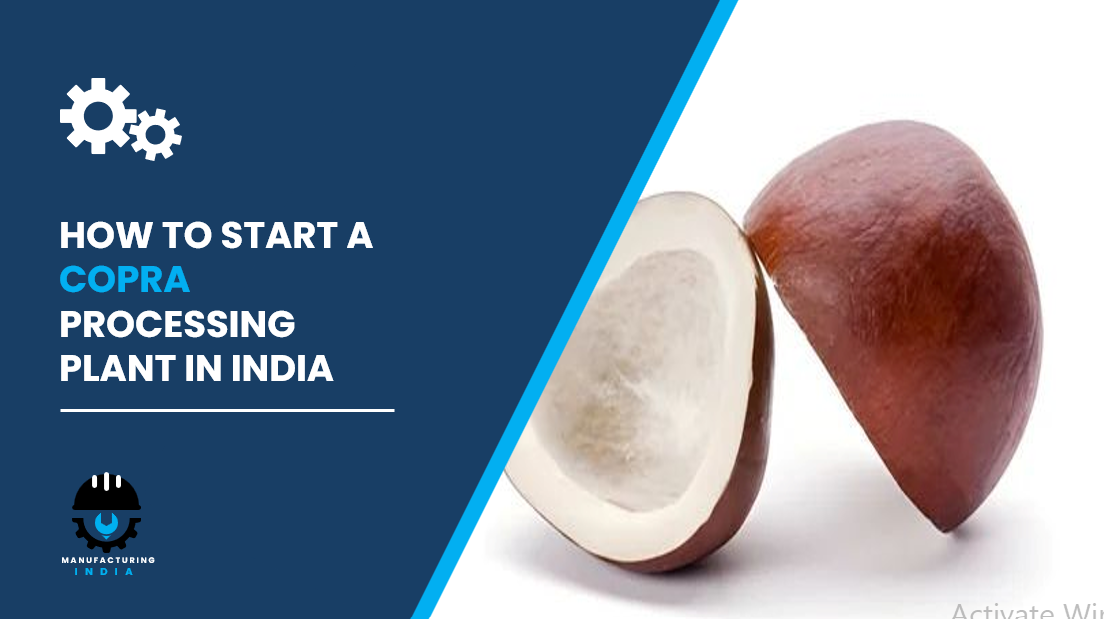
What is Copra?
Copra is the dried, white meat or kernel of the coconut (Cocos nucifera), primarily used to extract coconut oil — a vital ingredient in cooking, soaps, and cosmetics. Derived from the Malayalam word koppara, it is produced by drying coconut halves in the sun or using kilns to remove moisture. High-quality, sun-dried or hot-air-dried copra is essential for edible oil production, while lower-quality, smoke-dried or molded copra is used for industrial oils or livestock feed. Copra is a major economic commodity, particularly in the Pacific and tropical regions, and contains high levels of lauric acid and fat, making it a highly valued raw material across food, cosmetics, and industrial applications.
The emerging shifts towards sustainable practices are also creating new opportunities for copra-based biofuels, providing a promising alternative to traditional energy sources. The increasing consumer preference for natural and organic ingredients further fuels demand for coconut oil, benefiting the copra processing industry. In regions like Southeast Asia and the Pacific Islands, where coconut farming is a significant economic activity, investments in improving harvesting techniques and processing facilities are boosting efficiency and yield.
Cost of Setting Up a Copra Processing Plant in India
The copra processing plant cost in India depends on several parameters including production capacity, technology used, plant location, level of automation, and regulatory compliance. Here is a structured breakdown of all major cost components:
1. Capital Expenditure (CapEx)
The total capital investment in a copra processing plant typically covers the following:
Land and Site Development This includes land acquisition, boundary development, land registration charges, and basic site preparation. The location must offer easy access to key raw materials such as coconuts and drying fuel, with proximity to coconut-growing regions such as Kerala, Karnataka, Tamil Nadu, Andhra Pradesh, and Odisha being strategically advantageous. Cost varies depending on whether the land is in an agro-industrial zone, Special Economic Zone (SEZ), or a privately acquired plot.
Civil Works and Construction Building costs cover the main processing shed, raw coconut reception and storage yard, copra drying area, oil expelling and extraction hall, refining and finishing zone, copra meal storage, quality control laboratory, administrative block, and worker amenities. Construction specifications depend on plant scale and local compliance norms.
Machinery and Equipment This is the single largest component of CapEx. Essential machinery required for a copra processing plant includes:
- Copra Crushers
- Oil Expellers
- Solvent Extraction Units
- Refining Systems
- Bleaching Vessels
- Deodorization Units
- Copra Dryers (hot air or kiln drying systems)
- Automated Packaging Machines
- Conveyors and Material Handling Equipment
Other Capital Costs These include pre-operative expenses, commissioning charges, import duties (if machinery is sourced internationally), utilities installation, fire safety systems, and Effluent Treatment Plant (ETP) setup.
2. Operational Expenditure (OpEx)
Once the plant is commissioned, the ongoing cost structure is dominated by a few key components:
Raw Material Cost (Coconuts): 70–80% of Total OpEx Coconuts are the primary raw material and account for the overwhelming majority of operating expenses. Additional inputs include drying fuel (firewood, husk, or gas), processing chemicals for refining and bleaching, and packaging materials.
Utility Cost: 10–15% of Total OpEx Utilities include electricity (for oil expellers, refining systems, and packaging equipment), steam (for deodorization), water for processing and cleaning, and fuel for drying operations.
Other Operating Costs The remaining budget covers transportation, packaging, salaries and wages, maintenance, depreciation, taxes, and miscellaneous overhead.
Request a Sample Report for In-Depth Market Insights: https://www.imarcgroup.com/copra-processing-plant-project-report/requestsample
3. Plant Capacity
The proposed processing facility is designed with an annual production capacity ranging between 10,000 to 30,000 MT, enabling economies of scale while maintaining operational flexibility to serve multiple end-use segments including edible oil, food manufacturing, personal care, cosmetics, animal feed, and biofuel production.
Smaller operations focused on premium virgin coconut oil or certified organic copra processing can operate profitably at lower volumes due to higher product realizations, while larger commodity-scale plants serving edible oil refiners and FMCG manufacturers benefit from economies of scale and consistent procurement of raw coconuts through long-term farmer or FPO supply agreements.
4. Profit Margins and Financial Projections
- Gross Profit Margin: 30–40%
- Net Profit Margin: 15–22%
- Break-Even Period: Depends on production scale, capacity utilization, raw coconut procurement cost management, product mix (crude vs. refined oil), and efficiency of by-product (copra meal) monetization.
Financial projections must account for capital investment, operating costs, capacity utilization rates, pricing trends, and demand outlook. A thorough analysis should also include sensitivity analysis, Net Present Value (NPV), Internal Rate of Return (IRR), and Payback Period.
Why Set Up a Copra Processing Plant in India?
India presents a uniquely favorable environment for establishing a copra processing plant:
Essential Agro-Commodity Backbone
Copra serves as the primary raw material for coconut oil, a staple used across edible oils, food processing, cosmetics, personal care, soaps, and oleochemicals — positioning copra processing as a foundational activity supporting food security, rural livelihoods, and FMCG value chains. India’s massive domestic demand for coconut oil across all these categories provides a large and stable base market for copra processors.
Megatrend Alignment
Rising demand for natural, plant-based, and clean-label products is accelerating global consumption of coconut oil and its derivatives. Growth in health-conscious diets, premium personal care products, and export-oriented coconut-based ingredients supports steady long-term demand for high-quality copra processed to consistent standards.
Moderate but Defensible Entry Barriers
Efficient copra processing requires controlled drying systems, moisture management, quality grading, aflatoxin compliance, storage infrastructure, and reliable procurement networks — creating operational barriers that favor organized, quality-focused processors with consistent supply capabilities and strong relationships with coconut farming communities and FPOs.
Policy and Rural Development Support
Government initiatives promoting agro-processing, value addition, farmer producer organizations (FPOs), export incentives, and food processing infrastructure such as cold chains and cluster-based development programs indirectly strengthen the copra processing ecosystem. India’s National Mission on Edible Oils and schemes under the Ministry of Food Processing Industries provide additional support for organized coconut oil processors.
Localization and Supply Chain Reliability
Edible oil refiners, FMCG manufacturers, and export buyers increasingly prefer dependable regional processors to ensure traceability, manage price volatility in raw coconuts, reduce spoilage losses, and maintain consistent quality — creating strong opportunities for organized players with integrated sourcing and efficient processing operations close to India’s major coconut-producing states.
Manufacturing Process Overview
The copra processing process involves the following key unit operations:
- Cleaning — incoming coconuts or raw copra are received, inspected, and cleaned to remove husk fragments, dirt, stones, and foreign matter that could damage processing machinery or contaminate the oil
- Crushing — cleaned copra is fed into copra crushers that break the dried coconut kernel into smaller pieces, increasing the surface area available for efficient oil expelling and solvent extraction
- Drying — moisture content of copra is reduced to target levels using hot-air dryers or kilns to ensure optimal oil yield during expelling and to prevent aflatoxin development in stored copra
- Expelling — dried, crushed copra is fed into mechanical oil expellers (screw presses) that apply high pressure to squeeze out crude coconut oil, yielding expelled oil and an oil-bearing press cake for further solvent extraction
- Solvent Extraction — the press cake from expelling is treated with food-grade solvent (typically hexane) in solvent extraction units to recover residual oil, significantly improving total oil yield from the copra
- Refining — crude coconut oil extracted by expelling and solvent extraction is refined through degumming, neutralization (alkali refining), and washing steps to remove free fatty acids, phospholipids, and impurities
- Bleaching — refined oil passes through bleaching vessels where activated bleaching earth removes color pigments, oxidation products, and trace metals, producing a clear, light-colored coconut oil
- Deodorization — bleached oil is deodorized in steam distillation units under high vacuum to remove volatile odor and flavor compounds, producing refined, bleached, and deodorized (RBD) coconut oil ready for food and cosmetic applications
- Quality Testing and Packaging — finished coconut oil is tested for FFA content, moisture, color, smell, and compliance with FSSAI and export standards before being packed in tins, drums, pouches, or bulk containers for dispatch; copra meal by-product is collected, analyzed, and packaged for animal feed markets
Key Applications of Copra
Copra and its processed outputs serve a wide variety of end-use industries:
- Coconut Oil Production: Extraction of crude and refined coconut oil from dried copra for use as a cooking and frying medium — the largest single application driving copra processing demand globally and across India
- Food Industry: Copra-derived oil is used in cooking oils, margarine, bakery fats, confectionery coatings, and instant noodle frying, with RBD coconut oil increasingly preferred for its stability, long shelf life, and neutral flavor profile
- Animal Feed: Copra meal, the protein-rich by-product remaining after oil extraction, serves as a nutritious livestock feed ingredient with high fiber content, used in dairy, poultry, and aquaculture feed formulations
- Cosmetics and Personal Care: Coconut oil derived from copra is a core ingredient in the production of soaps, shampoos, hair oils, skincare creams, and body lotions, with demand accelerating as consumers shift toward natural and plant-based personal care formulations
- Biofuel Production: Emerging shifts toward sustainable energy are creating opportunities for copra-based biodiesel production, providing a promising alternative to traditional fossil fuel-based energy sources and opening a new demand channel for copra processors
- Pharmaceutical Industry: Coconut oil derivatives including medium-chain triglycerides (MCTs) and lauric acid are used in pharmaceutical formulations, nutraceuticals, and health supplements, with the Indian pharmaceutical market projected to grow 7–9% in FY26
Global Market Outlook
The global copra market, primarily driven by coconut production, continues to show strong growth potential due to rising demand for coconut-based products. The Asia-Pacific region accounts for more than 60% of the overall market share, with India, the Philippines, Indonesia, and Sri Lanka being the dominant producing nations. The increasing consumer preference for natural and organic ingredients further fuels the demand for coconut oil, benefiting the copra processing industry. The Indian pharmaceutical market alone is projected to grow 7–9% in FY26 (IBEF), with robust domestic demand for coconut oil derivatives supporting expansion in pharmaceutical and nutraceutical applications. In December 2025, Vanuatu Basket Ltd invested more than VT600,000,000 to enhance copra production infrastructure, including refurbishing dryers, expanding mechanization, and scaling processing capacity — reflecting growing global investor confidence in the sector.
Leading global players in this industry include:
- Samar Coco Products Manufacturing Corporation
- CIIF Oil Mills Group
- Ruchi Soya Industries Limited
- Tantuco Enterprises, Inc.
- Cargill, Incorporated
Timeline to Start a Copra Processing Plant
Setting up a copra processing plant from ideation to commissioning typically requires 12 to 18 months. This covers:
- Feasibility study and detailed project report preparation
- Land acquisition and site development
- Regulatory approvals and environmental clearances
- Factory license and fire safety compliance
- Machinery procurement and plant installation
- Trial production runs, quality testing, and FSSAI certification
- Commercial production launch and market ramp-up
Licenses and Regulatory Requirements
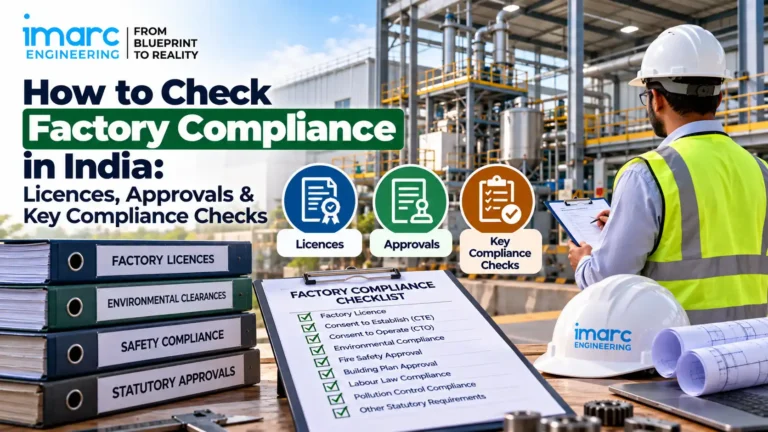
Starting a copra processing unit in India requires several approvals, including:
- Business registration (Proprietorship, LLP, or Private Limited Company)
- Factory License under the Factories Act, 1948
- FSSAI License (Food Safety and Standards Authority of India) for edible oil processing and food manufacturing
- Environmental Clearance from the State Pollution Control Board (SPCB)
- Consent to Establish and Consent to Operate under Air and Water Acts
- GST Registration
- Fire Safety NOC from local fire authority
- BIS Certification for applicable edible oil and coconut oil product standards
- MSME/Udyam Registration for government incentives and schemes
- Agmark Certification for graded coconut oil (if targeting premium graded markets)
- Import Export Code (IEC) for businesses targeting export markets
Key Challenges to Consider
Before investing, entrepreneurs should be aware of the common challenges in this business:
- High Raw Material Price Volatility: Coconut prices fluctuate significantly due to seasonal production cycles, monsoon variability, and competing demand from other coconut product segments. Since raw materials account for 70–80% of OpEx, effective procurement strategy, long-term supplier agreements with FPOs, and forward pricing mechanisms are essential to protect margins.
- Aflatoxin and Quality Compliance: Improperly dried or stored copra is highly susceptible to aflatoxin contamination, which can render entire batches unsuitable for edible oil production and result in significant financial losses and regulatory penalties. Controlled drying systems, moisture monitoring, and proper storage infrastructure are critical operational investments.
- Raw Material Supply Seasonality: Coconut harvesting follows a seasonal pattern, creating supply variability that requires careful procurement planning, adequate storage capacity, and working capital management to ensure year-round plant operations at target utilization rates.
- Regulatory Compliance for Food Products: Processing of edible coconut oil requires rigorous compliance with FSSAI standards, aflatoxin testing protocols, and food safety management systems. Maintaining consistent product quality and documentation for regulatory traceability requires ongoing investment in quality systems and trained personnel.
- Skilled Manpower: Operating oil expellers, solvent extraction units, refining systems, and quality testing instruments requires trained process technicians and quality control staff. Recruiting and retaining qualified food processing personnel in coconut-producing states can be challenging outside established processing clusters.
Frequently Asked Questions
The following questions are answered in the report:
- How has the copra market performed so far and how will it perform in the coming years?
- What is the market segmentation of the global copra market?
- What is the regional breakup of the global copra market?
- What are the price trends of various feedstocks in the copra industry?
- What is the structure of the copra industry and who are the key players?
- What are the various unit operations involved in a copra processing plant?
- What is the total size of land required for setting up a copra processing plant?
- What is the layout of a copra processing plant?
- What are the machinery requirements for setting up a copra processing plant?
- What are the raw material requirements for setting up a copra processing plant?
- What are the packaging requirements for setting up a copra processing plant?
- What are the transportation requirements for setting up a copra processing plant?
- What are the utility requirements for setting up a copra processing plant?
- What are the human resource requirements for setting up a copra processing plant?
- What are the capital costs for setting up a copra processing plant?
- What are the operating costs for setting up a copra processing plant?
- What should be the pricing mechanism of the final product?
- What will be the income and expenditures for a copra processing plant?
- What is the time required to break even?
- What are the profit projections for setting up a copra processing plant?
- What are the key success and risk factors in the copra industry?
- What are the key regulatory procedures and requirements for setting up a copra processing plant?
- What are the key certifications required for setting up a copra processing plant?
Key Takeaways for Investors
The copra processing industry in India represents a strong, well-established investment opportunity backed by large and growing domestic demand for coconut oil across food, personal care, cosmetics, and pharmaceutical applications, with additional upside from emerging biofuel and export channels. With gross profit margins of 30–40% and net profit margins of 15–22%, a well-planned copra processing plant in India offers attractive financial returns for investors who establish efficient, quality-focused operations close to India’s coconut-producing heartland. The Asia-Pacific region’s dominant 60%+ share of the global copra market, combined with rising consumer preference for natural and organic coconut-derived products, supports steady long-term demand growth. Investors who build strong procurement networks with coconut farmers and FPOs, invest in controlled drying and aflatoxin management systems, and achieve FSSAI and export certification compliance are well-positioned to capture growing market share as the copra processing sector continues its expansion.
About the Author