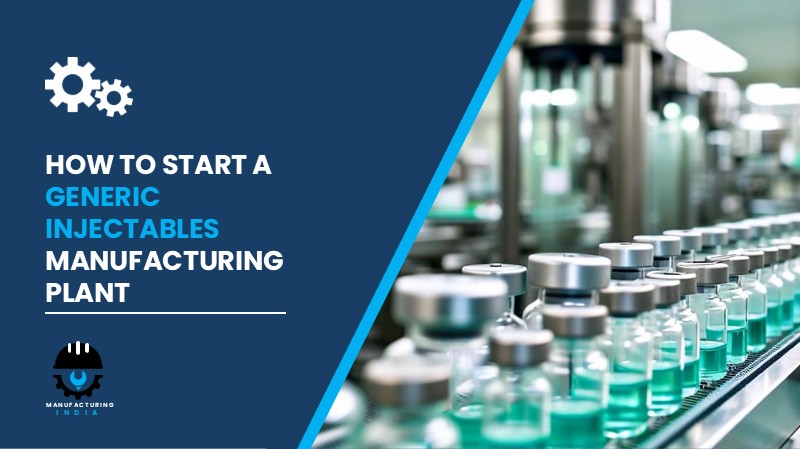
Setting up a generic injectables manufacturing plant in India presents a compelling investment case driven by the country’s rapidly expanding healthcare sector. The demand for affordable injectable drugs is accelerating across hospitals and healthcare facilities, clinics and outpatient services, pharmacies, and pharmaceutical manufacturing companies — all of which are scaling rapidly as India addresses chronic disease management, oncology, critical care, and infection control at scale. Generic injectables are non-branded versions of injectable drugs equivalent in dosage, strength, route of administration, quality, and therapeutic effect to branded counterparts, making them indispensable to India’s cost-sensitive healthcare system.
India’s strategic advantages for this investment are compelling. The country offers cost-competitive land and labour, a strong pharmaceutical manufacturing base, and robust policy support through the Make in India initiative. States such as Gujarat, Maharashtra, and Uttar Pradesh provide established pharmaceutical clusters with access to raw material supply chains, skilled scientific manpower, and export-ready infrastructure. As patent expirations on global biologics and injectables continue to open the market to generic alternatives, India stands positioned to capture significant domestic and export demand in this high-growth segment.
Establishing a generic injectables manufacturing plant in India combines strong policy tailwinds, cost-competitive operations, and rising domestic demand across chronic disease management, oncology, and critical care. With gross profit margins ranging between 55–65% and net margins of 25–30%, the investment demonstrates healthy financial viability at scale. India’s pharmaceutical manufacturing credentials and growing healthcare infrastructure make this a strategically sound and financially attractive venture.
What are Generic Injectables?
Generic injectables are non-branded versions of injectable drugs that are equivalent in terms of dosage, strength, route of administration, quality, and therapeutic effect to their branded counterparts. These products are manufactured after the patent expiration of the original drug and are marketed at a lower price point, making them accessible to a significantly wider patient population.
Generic injectables are commonly used for treating chronic conditions such as diabetes, cardiovascular diseases, and autoimmune disorders. They are available in various formulations — including vials, ampoules, and pre-filled syringes and are widely used in hospitals, clinics, and emergency settings. Their affordability, coupled with advancements in drug formulation technologies, has spurred increasing adoption across both developed and emerging markets.
The production method involves a multi-step manufacturing process covering raw material selection, formulation development, manufacturing, filling of injectables in vials, ampoules, or pre-filled syringes, packaging and labelling, sterilization, testing for quality control, and distribution. End-use industries served include hospitals and healthcare facilities, clinics and outpatient services, pharmacies, and pharmaceutical manufacturing companies.
Cost of Setting Up a Generic Injectables Manufacturing Plant in India
The cost of establishing a generic injectables manufacturing plant in India depends on capacity, technology, location, level of automation, and regulatory compliance. A comprehensive financial plan must account for both capital expenditure at the outset and ongoing operational costs across a multi-year horizon.
1. Capital Expenditure (CapEx)
Capital investment is the most significant upfront commitment for this type of plant, covering several broad categories.
Land and Site Development costs include land registration charges, boundary development, site preparation, and related civil expenses. Investors may consider industrial estates or Special Economic Zones (SEZs) in pharmaceutical-friendly states, which can offer infrastructure advantages, tax concessions, and streamlined approvals.
Civil Works and Construction costs encompass the production shed, cleanroom construction, quality control laboratory, raw material and finished goods storage, and administrative block. Given the aseptic requirements of injectable manufacturing, cleanroom civil infrastructure is a material cost driver and must comply with Schedule M requirements under India’s Drugs and Cosmetics Act.
Machinery and Equipment represents the largest individual component of CapEx. Key machinery required includes:
- Aseptic filling machines
- Sterilization equipment
- Lyophilizers (freeze dryers)
- Injection molding machines
- Packaging machines
- Quality control instruments
Other Capital Costs include the Effluent Treatment Plant (ETP), pre-operative and commissioning expenses, import duties on specialized equipment, and working capital provisions for the ramp-up phase.
Request a Sample Report for In-Depth Market Insights: https://www.imarcgroup.com/generic-injectables-manufacturing-plant-project-report/requestsample
2. Operational Expenditure (OpEx)
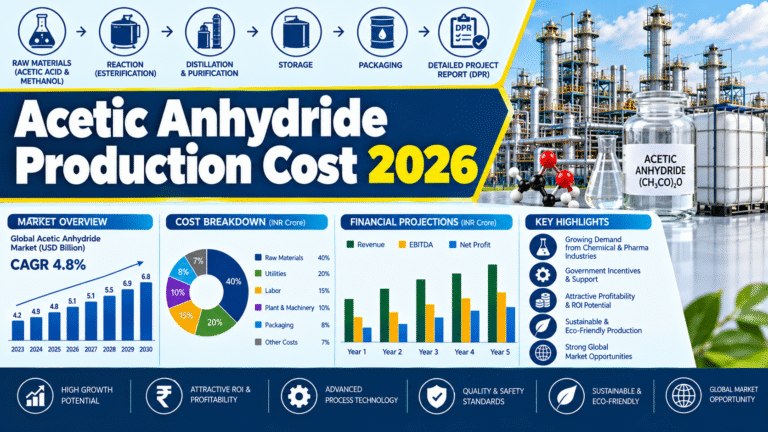
Raw Material Cost is the dominant component of operating expenditure, accounting for approximately 40–50% of total OpEx. Core raw materials include Active Pharmaceutical Ingredients (APIs), Water for Injection (WFI), glass vials, rubber stoppers, and aluminum seals. Long-term contracts with reliable suppliers should be negotiated to stabilise pricing and ensure a consistent supply chain, reducing exposure to price volatility.
Utility Cost covering electricity, water, and steam represents 15–20% of total operating expenditure. Aseptic manufacturing and sterilization processes are energy-intensive, and uninterrupted utility supply is critical to maintaining product quality and GMP compliance.
Other Operating Costs include transportation, primary and secondary packaging, salaries and wages, maintenance and repairs, depreciation, and applicable taxes. By the fifth year of operations, total operational costs are projected to increase substantially due to inflation, market fluctuations, potential rises in key material costs, and supply chain dynamics.
3. Plant Capacity
The proposed manufacturing facility is designed with an annual production capacity ranging between 50 and 100 million vials or ampoules, enabling economies of scale while maintaining operational flexibility. Capacity can be customized per investor requirements and product mix. Profitability improves materially with higher capacity utilisation, as fixed costs are spread across a greater volume of output, improving unit economics across both gross and net margins.
4. Profit Margins and Financial Projections
The generic injectables manufacturing plant demonstrates healthy profitability under normal operating conditions. Gross profit margins typically range between 55–65%, supported by stable demand and the value-added nature of pharmaceutical manufacturing. Net profit margins average 25–30%, reflecting the premium pricing of quality-compliant generic injectables over commodity products.
Financial projections cover net present value (NPV), internal rate of return (IRR), payback period, income and expenditure projections across a five-year horizon, liquidity analysis, and sensitivity analysis. These metrics together provide a comprehensive view of the project’s financial viability and long-term sustainability.
Why Set Up a Generic Injectables Plant in India?
Cost-Effectiveness Driving Healthcare Demand: With healthcare costs rising globally, generic injectables provide affordable alternatives to branded injectable drugs, driving demand from both healthcare providers and patients. India’s large patient base and expanding hospital infrastructure create a substantial and growing domestic market for this investment.
High Prevalence of Chronic Conditions: The widespread need for chronic disease management fuels the growth of the generic injectables market, particularly for affordable healthcare solutions such as generic injectables that offer effective treatment options for ageing populations and adults managing multiple health conditions. Globally, 3 out of 4 American adults suffer from at least one chronic condition, with over 90% of adults aged 65 and older affected by at least one — a pattern mirrored in India’s rapidly ageing urban population.
Regulatory Approval and Patent Expiry Opportunity: Once patents expire on branded injectable drugs, generic manufacturers can enter the market, leading to a reduction in drug prices and increased accessibility for patients. Patent expirations of key biologics and injectables have created significant room for generic alternatives, making this an opportune moment to commission a new production facility.
Cost-Competitive Manufacturing: India offers a decisive cost advantage in land, labour, and supply chain operations relative to Western pharmaceutical manufacturing geographies. Access to domestic API suppliers, packaging manufacturers, and engineering service providers reduces both input costs and logistical complexity.
Active Industry Investment with Proven Recent Launches: In October 2025, Lupin launched its Liraglutide Injection prefilled pen in the United States, a bioequivalent of Victoza Injection originally developed by Novo Nordisk Inc. In August 2025, Teva Pharmaceuticals received FDA approval for its generic version of Saxenda (liraglutide injection) and officially launched it in the U.S. — marking the first-ever generic GLP-1 product specifically indicated for weight loss in that market. These developments confirm the active commercialisation momentum in the generic injectables space.
Technological Advancements in Biopharmaceutical Manufacturing: Recent innovations have made the production of high-quality generic injectables more viable, increasing their availability and reliability. Global healthcare infrastructure expansion, particularly in emerging economies, is further accelerating demand for essential medicines at lower costs.
Manufacturing Process – Step by Step
The generic injectables manufacturing process uses a multi-step aseptic production method as the primary production approach, encompassing raw material preparation through to distribution to end-use industries.
- Raw Material Selection: APIs, Water for Injection (WFI), glass vials, rubber stoppers, and aluminum seals are sourced and quality-checked before entering the production flow.
- Formulation Development: Drug formulations are developed and validated for dosage, strength, and therapeutic equivalence to the reference branded product.
- Manufacturing: The active pharmaceutical ingredient is blended with excipients under strictly controlled cleanroom conditions to prepare the injectable solution or suspension.
- Filling Operations: The formulated product is filled into the appropriate container — vials, ampoules, or pre-filled syringes — using aseptic filling machines.
- Sterilization: Filled containers are subjected to sterilization processes using sterilization equipment, with lyophilizers (freeze dryers) employed for freeze-dried formulations.
- Packaging and Labelling: Finished units are packaged using packaging machines, labelled with batch, dosage, and regulatory information, and prepared for dispatch.
- Quality Control Testing: Quality control instruments are used to test finished product batches for concentration, purity, sterility, stability, and regulatory compliance before release.
- Distribution: Approved batches are dispatched to hospitals and healthcare facilities, clinics and outpatient services, pharmacies, and pharmaceutical manufacturing companies.
Key Applications
Generic injectables serve a broad spectrum of end-use industries and therapeutic categories. The primary applications include:
- Chronic Disease Management: Generic injectables, particularly insulin and biologics, play a key role in managing diabetes, autoimmune diseases, and cardiovascular conditions.
- Oncology: Generic chemotherapy injectables are widely used in cancer treatment, offering a cost-effective alternative to expensive branded options while maintaining the same therapeutic effect.
- Anesthesia and Pain Management: Generic injectable anesthetics and painkillers are essential in surgical procedures, making medical treatments more affordable in hospitals.
- Critical and Emergency Care: Generic injectables are frequently used in critical care settings including emergency rooms and ICUs for conditions such as shock, sepsis, and respiratory distress.
- Antibiotics and Infection Control: Generic antibiotics in injectable form are essential in treating infections in hospitalized patients, improving patient outcomes while reducing healthcare costs.
Leading Manufacturers
The global generic injectables industry is served by several multinational companies with extensive production capacities and diverse application portfolios. Key players in this market include:
- AstraZeneca
- Baxter International, Inc.
- Biocon
- Fresenius SE & Co. KGaA
- GlaxoSmithKline plc
- Hikma Pharmaceuticals plc
- Johnson & Johnson Services, Inc.
- Lupin Ltd.
- Merck KGaA
Timeline to Start the Plant
- Feasibility study and project report preparation
- Land acquisition and site development
- Regulatory approvals and environmental clearances
- Factory licence and fire safety compliance
- Machinery procurement and installation
- Raw material supplier agreements and supply chain setup
- Trial production and quality testing
- Commercial production launch
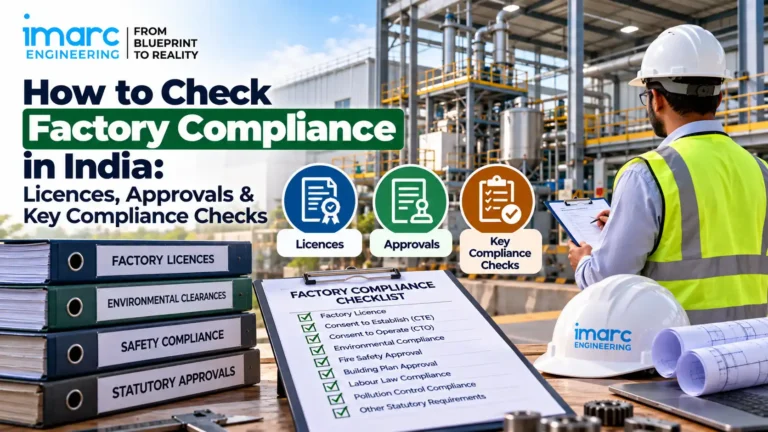
Licences and Regulatory Requirements
Starting a generic injectables manufacturing unit in India requires several approvals:
- Business registration (Proprietorship, LLP, or Pvt Ltd)
- Factory Licence under the Factories Act
- Environmental Clearance from State Pollution Control Board
- GST Registration
- Fire Safety NOC
- Drug Manufacturing Licence under the Drugs and Cosmetics Act (Schedule M GMP compliance mandatory)
- Effluent Treatment Plant (ETP) operational clearance
- Occupational Health and Safety compliance
Key Challenges to Consider
High Capital Requirements: Establishing a compliant generic injectables facility — with cleanroom infrastructure, aseptic filling machines, sterilization equipment, and lyophilizers — entails substantial upfront capital, requiring careful financial structuring and phased investment planning.
Raw Material Price Volatility: The primary raw materials — APIs, Water for Injection (WFI), glass vials, rubber stoppers, and aluminum seals — are subject to global supply and pricing fluctuations. Long-term supplier contracts and inventory buffers are essential to manage this risk.
Regulatory Compliance: Generic injectable manufacturing is one of the most heavily regulated pharmaceutical segments globally. Achieving and maintaining Schedule M GMP compliance, quality system certifications, and state drug authority approvals requires continuous investment in systems, documentation, and personnel.
Technology and Innovation Pressure: Technological advancements in biopharmaceutical manufacturing continue to evolve, requiring manufacturers to invest in updated equipment and processes to remain competitive and meet regulatory expectations for product quality and safety.
Competition from Established Players: The market includes formidable global players such as AstraZeneca, Baxter International, Biocon, Fresenius SE & Co. KGaA, Hikma Pharmaceuticals, and Lupin Ltd., which compete on price, product breadth, and regulatory approvals.
Skilled Manpower: Qualified pharmaceutical scientists, sterile manufacturing technicians, and GMP-trained quality assurance professionals are in high demand and require sustained investment in recruitment, training, and retention.
Frequently Asked Questions
How much does it cost to set up a generic injectables manufacturing plant in India?
The total setup cost depends on plant capacity, technology, automation level, location, and regulatory scope. Capital expenditure covers land and site development, civil works, machinery (aseptic filling machines, sterilization equipment, lyophilizers, etc.), and other pre-operative costs. A detailed CapEx and OpEx breakdown is available in the IMARC Group project report.
Is generic injectables manufacturing profitable in India in 2026?
Yes. The sector demonstrates strong profitability with gross margins of 55–65% and net margins of 25–30%, supported by stable demand across hospitals, clinics, and pharmaceutical companies.
What machinery is required for a generic injectables plant in India?
Key equipment includes aseptic filling machines, sterilization equipment, lyophilizers, injection molding machines, packaging machines, and quality control instruments.
What licences and approvals are required to start a generic injectables plant in India?
Required approvals include business registration, Factory Licence, Drug Manufacturing Licence under the Drugs and Cosmetics Act (Schedule M), Environmental Clearance, GST Registration, Fire Safety NOC, ETP clearance, and occupational health compliance.
What raw materials are needed for generic injectables manufacturing?
Core raw materials include Active Pharmaceutical Ingredients (APIs), Water for Injection (WFI), glass vials, rubber stoppers, and aluminum seals.
What are the environmental compliance requirements for a generic injectables plant in India?
Plants must obtain Environmental Clearance from the State Pollution Control Board, operate an approved Effluent Treatment Plant (ETP), and implement monitoring systems to ensure compliance with emission and effluent standards.
What is the best location to set up a generic injectables plant in India?
Ideal locations offer access to pharmaceutical raw material suppliers, skilled scientific manpower, reliable utilities, and strong transportation networks. Established pharmaceutical clusters in Gujarat, Maharashtra, and Uttar Pradesh are well-suited for this investment.
What government incentives are available for manufacturers in India?
India’s Make in India initiative, Production Linked Incentive (PLI) schemes for pharmaceuticals, SEZ tax benefits, and state-level industrial policies provide a range of financial and regulatory incentives for manufacturing investors.
Key Takeaways for Investors
The generic injectables manufacturing plant opportunity in India is underpinned by robust demand from hospitals and healthcare facilities, clinics, pharmacies, and pharmaceutical manufacturing companies, all of which are scaling capacity to serve growing chronic disease, oncology, and critical care needs. Financial viability is demonstrated across plant capacities, with gross profit margins of 55–65% and net profit margins of 25–30% achievable under normal operating conditions. The global generic injectables market was valued at USD 54.51 billion in 2025 and is projected to reach USD 99.21 billion by 2034, growing at a CAGR of 6.9% from 2026 to 2034. This sustained demand trajectory, driven by patent expirations, biopharmaceutical innovation, and expanding global healthcare infrastructure, confirms the long-term investment sustainability of a well-positioned generic injectables facility in India.
About the Author