Setting up a fruit beer manufacturing plant in India presents a compelling investment opportunity driven by the rapid growth of the global craft beverage industry, rising consumer demand for innovative and refreshing flavoured beverages, and the expanding organised retail, e-commerce, and hospitality channels. As one of the most dynamic categories within the broader beer market, fruit beer blends traditional brewing excellence with natural fruit essences to create a product that appeals to both seasoned beer enthusiasts and new-to-category consumers seeking lighter, more flavourful alternatives.
The global fruit beer market is propelled by an array of consumer and industry-level drivers. Growing health consciousness is pushing consumers toward beverages perceived as more natural and refreshing. The premiumisation trend is encouraging brewers to experiment with exotic fruits, regional botanicals, and novel flavour combinations. Rising experiential drinking occasions festival culture, social gatherings, and food pairings are broadening fruit beer’s consumption occasions. The craft and artisanal beverage movement further fuels demand for locally sourced, small-batch fruit beer variants that deliver unique and memorable taste profiles.
Fruit beer production sits at the intersection of brewing innovation, premiumisation, and multi-channel distribution growth. With gross profit margins typically ranging between 35–45% and a well-defined break-even trajectory, a dedicated fruit beer manufacturing plant represents both a financially robust and strategically well-timed investment for entrepreneurs, craft breweries, and institutional investors targeting the evolving global beverages market.
What is Fruit Beer?
Fruit beer is a category of beer brewed with the deliberate addition of fruit, fruit juices, fruit concentrates, or natural fruit flavourings as a primary flavouring ingredient alongside or in place of traditional adjuncts. The result is a beverage that combines the characteristic bitterness and body of beer with the refreshing sweetness, tartness, or aroma of the chosen fruit, producing a distinct and approachable taste profile that differs fundamentally from conventional lager or ale styles.
Fruit beers span a wide stylistic range, from light, effervescent wheat beers infused with citrus or berries, to rich, complex sour ales brewed with stone fruits such as cherry, plum, or apricot. Common fruit additions include raspberry, strawberry, blueberry, mango, passion fruit, peach, lemon, orange, and watermelon, with regional variants increasingly incorporating exotic tropical and seasonal fruits to differentiate product portfolios and capture premium price points.
The production process broadly involves the standard brewing sequence mashing, lautering, boiling, fermenting, conditioning, and packaging with fruit additions introduced at specific stages to preserve aroma, colour, and flavour integrity. End-use segments served by fruit beer producers include retail and supermarket chains, craft beer bars and restaurants, the HoReCa sector, e-commerce and quick-commerce platforms, event and festival supply, and growing export markets across Asia, the Middle East, Africa, and the Indian diaspora corridor.
Cost of Setting Up a Fruit Beer Manufacturing Plant
The total cost of establishing a fruit beer manufacturing plant depends on several variables including plant capacity, level of automation, product format mix (bottled, canned, draught), geographic location, raw material sourcing strategy, and regulatory and excise compliance requirements. A thorough feasibility assessment covering all CapEx and OpEx components is essential before committing capital.
1. Capital Expenditure (CapEx)
Capital investment for a fruit beer manufacturing plant covers several broad cost heads. Land and site development forms a substantial part of the overall investment, encompassing land registration charges, boundary development, drainage, and related site preparation expenses. Investors may consider locating the facility within a designated food and beverage processing zone or industrial estate to benefit from land cost efficiencies, plug-and-play infrastructure, and state-level incentives. Civil works and construction costs cover the food-grade brewing and fermentation hall, cold storage for fruit raw materials and finished product, quality control and microbiology laboratory, effluent treatment infrastructure, and the administrative block.
Machinery and equipment costs represent the largest single portion of total capital expenditure for a fruit beer plant. Key machinery required includes:
- Mash tun and lauter tun systems
- Hot liquor tanks and kettles (brew kettles with whirlpool)
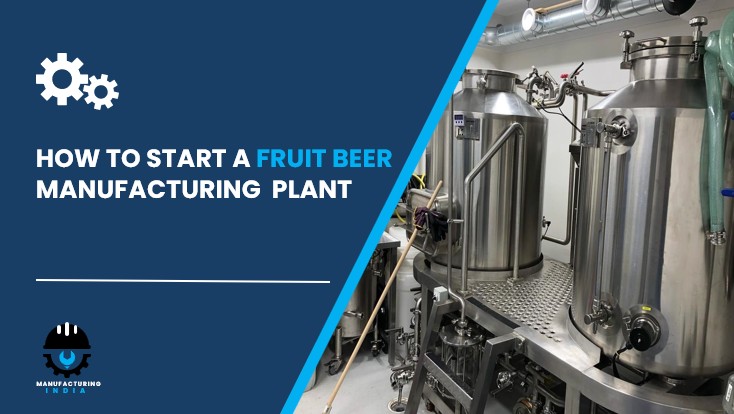
- Fermentation tanks (cylindroconical, jacketed and insulated)
- Bright beer tanks and conditioning vessels
- Fruit addition systems (dosing, pasteurisation, maceration)
- Heat exchangers and plate chillers
- Centrifuges and filtration systems (diatomaceous earth or membrane)
- CIP (Clean-in-Place) systems and sanitation equipment
- Bottling, canning, and kegging lines
- Labelling, coding, and carton packaging systems
- CO2 recovery and carbonation systems
- Laboratory equipment (spectrophotometers, DO meters, pH meters, alcohol analysers)
Other capital costs include the effluent treatment plant (ETP) and wastewater management systems, pre-operative expenses, trial brews and recipe development costs, cold-chain infrastructure for raw fruit and packaged product, and applicable import duties on specialised brewing equipment not manufactured domestically.
Request a Sample Report for In-Depth Market Insights: https://www.imarcgroup.com/fruit-beer-manufacturing-plant-project-report/requestsample
2. Operational Expenditure (OpEx)
The operating cost structure of a fruit beer manufacturing plant is heavily weighted towards raw materials. Raw material cost accounts for 55–65% of total OpEx, with primary inputs including malted barley, wheat malt, hops, brewing yeast, water, fruit (fresh, frozen, or concentrated), fruit purees or natural extracts, sugar, and adjuncts such as oats, corn, or rice for specific beer styles. Entering long-term procurement contracts with reliable domestic malt suppliers and fruit growers is essential to mitigate price volatility and ensure supply continuity, particularly for seasonal fruits.
Utility cost, covering electricity (for refrigeration, brewing, and packaging), water, steam, and CO2, accounts for 12–18% of OpEx given the energy-intensive nature of brewing and fermentation temperature control. Additional operating costs include packaging materials (bottles, cans, kegs, labels, crowns, shrink wrap), transportation and cold-chain logistics, salaries and wages, quality assurance, maintenance, depreciation, excise duties and compliance costs, and applicable taxes. Operational expenditure is projected to increase substantially by year five of operations, driven by fruit input inflation, utility cost escalation, and potential rises in malt and packaging material prices.
3. Plant Capacity
The proposed fruit beer manufacturing facility is designed with an annual production capacity ranging between 500,000 and 5,000,000 litres, enabling meaningful economies of scale while preserving operational flexibility across bottled, canned, and draught formats. Plant capacity can be customised based on the investor’s specific capital availability, target market scale, and chosen product mix across styles such as fruit wheat beers, fruit sours, fruit IPAs, and fruit lagers. Profitability improves considerably at higher capacity utilisation levels, making early distribution tie-ups with modern trade, e-commerce, craft beer bars, and export channels strategically important.
4. Profit Margins and Financial Projections
A fruit beer manufacturing plant demonstrates healthy profitability potential under normal operating conditions. Gross profit margins typically range between 35–45%, supported by the premium pricing power of craft and flavoured beer categories, growing consumer willingness to pay for unique and natural flavour profiles, and the high repeat-purchase rates associated with novelty and seasonal variants. Net profit margins range between 18–25%. Financial projections incorporate NPV analysis, IRR calculations, payback period modelling, and sensitivity analysis across production capacity, fruit pricing, malt and hop costs, and excise duty scenarios. These projections are developed based on realistic assumptions related to capital investment, operating costs, capacity utilisation, and demand outlook, providing investors with a comprehensive view of long-term financial viability.
Why Set Up a Fruit Beer Manufacturing Plant?
Rising Demand for Innovative and Flavoured Beverages:
Growing consumer interest in novel taste experiences, lighter alcohol options, and natural ingredient positioning is driving strong demand for fruit-forward beer categories. Millennials and Gen Z consumers are gravitating toward craft and flavoured beer as a premium alternative to mainstream lager.
Health and Wellness Alignment:
Fruit beer’s positioning as a lighter, refreshing, and naturally flavoured beverage resonates with health-conscious consumers seeking lower-calorie alternatives. Variants infused with antioxidant-rich fruits such as blueberries, pomegranate, and acai are particularly well positioned in the wellness segment.
Premiumisation and Craft Beer Growth:
The global craft beer industry continues to attract significant investment and consumer attention. Fruit beer, as a highly differentiated product within the craft category, commands premium price points and strong brand loyalty. Consumers are willing to pay more for artisanal, locally brewed, and creatively flavoured variants.
Strong Retail and E-Commerce Distribution:
Expansion of modern trade, specialty craft beer retailers, and online beverage delivery platforms is significantly enhancing product accessibility and consumer reach. The growth of subscription beer boxes and curated craft beverage e-commerce platforms creates new high-frequency purchase occasions for seasonal and limited-edition fruit beer formats.
Product Innovation Opportunities:
Manufacturers can introduce diverse variants including low-alcohol fruit sours, non-alcoholic fruit beer, hop-forward fruit IPAs, barrel-aged fruit stouts, and exotic tropical fruit wheat ales to address evolving consumer preferences and premium price points. Seasonal and limited-edition releases drive consumer excitement and repeat purchase behaviour.
Export Opportunities:
Fruit beer producers with cost-competitive manufacturing and internationally recognised quality certifications (HACCP, ISO 22000, GMP) are well positioned to serve export markets across Asia-Pacific, the Middle East, Africa, and the global craft beer enthusiast community. Private-label contract brewing for international brands offers an additional revenue stream.
Active Industry Investment:
The global fruit beer sector continues to attract significant product development and channel expansion investment. Leading breweries and beverage conglomerates are actively acquiring craft fruit beer brands and expanding dedicated fruit beer production lines to capitalise on shifting consumer preferences and the growing premiumisation of the beer market worldwide.
Manufacturing Process Step by Step
The fruit beer manufacturing process encompasses raw material preparation, mashing and lautering, boiling and hopping, fermentation, fruit addition, conditioning, filtration, carbonation, and packaging as the core stages of production. Each stage involves specific unit operations, quality assurance checkpoints, and food safety protocols aligned to GMP and HACCP standards.
- Preparation of Raw Materials: Malted barley, wheat malt, hops, yeast, and fruit inputs (fresh, frozen, concentrated, or pureed) are sourced, inspected, and approved against specification. Water chemistry is adjusted to match target beer style profiles. Fruit inputs are assessed for Brix, pH, microbial load, and colour before entering the production sequence.
- Mashing and Lautering: Crushed malt is combined with hot liquor in the mash tun under controlled time and temperature conditions to convert starches into fermentable sugars, producing a sweet wort. The wort is then separated from spent grain in the lauter tun through a controlled lautering and sparging process.
- Boiling and Hopping: The clarified wort is transferred to the brew kettle and boiled for 60–90 minutes. Hops are added at defined intervals to deliver bitterness, flavour, and aroma. The hot wort is then transferred to a whirlpool vessel to separate hop matter and coagulated proteins before being cooled through a heat exchanger.
- Yeast Pitching and Primary Fermentation: Cooled wort is transferred to sealed, jacketed fermentation tanks and inoculated with the selected brewing yeast strain. Primary fermentation proceeds under controlled temperature for 5–14 days, converting fermentable sugars into alcohol, CO2, and flavour compounds.
- Fruit Addition: Fruit in the form of fresh fruit, frozen whole fruit, aseptic puree, or pasteurised fruit concentrate is added to the fermenting or post-fermentation beer at a controlled dosing rate. The fruit addition stage is managed to preserve natural colour, aroma, and flavour while maintaining microbiological safety and product consistency.
- Secondary Fermentation and Conditioning: The fruit-enhanced beer undergoes secondary fermentation and cold conditioning in bright beer tanks at near-freezing temperatures to develop flavour complexity, clarify the product, and achieve the target carbonation level.
- Filtration and Stabilisation: Conditioned beer is filtered through diatomaceous earth or membrane filtration systems to remove yeast, haze-forming proteins, and residual fruit solids. Centrifugation may be employed for high-volume production lines. Sterile filtration or flash pasteurisation ensures microbiological stability for packaged product.
- Quality Testing: Analytical instruments including spectrophotometers, DO meters, pH meters, alcohol analysers, and sensory evaluation panels are used throughout production and at finished-goods stage to monitor alcohol content, bitterness (IBU), colour (EBC/SRM), carbonation (CO2 volumes), dissolved oxygen, microbial quality, and compliance with food safety and excise standards.
- Packaging: Finished fruit beer is packaged under controlled conditions into bottles, cans, or kegs using automated filling, seaming, and capping lines. Labels, date codes, and batch traceability information are applied before products are cartoned and palletised for dispatch.
- Distribution: Packaged product is dispatched under cold-chain conditions to end-use channels including craft beer retail, modern trade, e-commerce and quick-commerce platforms, HoReCa clients, event supply partners, and export customers.
Key Applications
Fruit beer produced at a manufacturing facility serves a broad range of end-use channels, each with specific format, flavour, and regulatory requirements.
- Craft Beer Retail and Specialty Stores: Bottled and canned fruit beer commands strong shelf presence in specialty beer retailers, off-licences, and craft beverage shops, driven by premium packaging, seasonal variety, and strong brand storytelling that resonates with engaged craft beer consumers.
- Foodservice and HoReCa Sector: Restaurants, craft beer bars, hotel bars, cafes, and event venues benefit from diverse fruit beer tap lines and bottled selections that enhance menu differentiation, attract adventurous consumers, and support premium dining and tasting experiences.
- Retail and Supermarket Chains: Canned and bottled fruit beer formats are increasingly prominent in the craft and premium beer aisles of major supermarket chains and modern trade outlets, driven by consumer demand for flavour variety and natural ingredient positioning.
- E-Commerce and Quick-Commerce: Mixed packs and curated fruit beer selections are high-velocity SKUs on craft beer subscription platforms, online grocery apps, and speciality beverage delivery services, supporting repeat purchase and trial-driven consumer behaviour.
- Events, Festivals, and Seasonal Supply: Fruit beer’s seasonal and limited-edition release model makes it a natural fit for beer festivals, food and drink events, sports and entertainment venues, and seasonal gifting occasions, supporting volume spikes and premium pricing.
- Export Markets: Internationally certified fruit beer producers can access growing export demand from craft beer enthusiast communities across Asia-Pacific, the Middle East, the USA, Europe, and the global Indian and South Asian diaspora corridor.
Leading Manufacturers
The global fruit beer industry is served by several multinational and large regional craft breweries with extensive production capacities and diverse brand portfolios across bottled, canned, and draught formats. Key players active across retail, foodservice, e-commerce, and export channels include:
- Anheuser-Busch InBev SA/NV (Bud Light Lime, Stella Artois Cidre)
- Molson Coors Beverage Company
- Heineken N.V.
- The Boston Beer Company (Twisted Tea, Angry Orchard)
- New Belgium Brewing Company
- Dogfish Head Craft Brewery
- Lindeman’s Brewery (Belgium)
- Brasserie Cantillon (Belgium)
- Brouwerij Van Honsebrouck (Kasteel Fruit)
- Kingfisher (United Breweries Group, India)
Timeline to Start the Plant
Investors planning a fruit beer manufacturing plant should anticipate the following phased development timeline, typically ranging from 12 to 24 months:
- Feasibility study and detailed project report preparation
- Land acquisition, site assessment, and environmental impact review
- Regulatory approvals, excise licensing, food safety, and environmental clearances
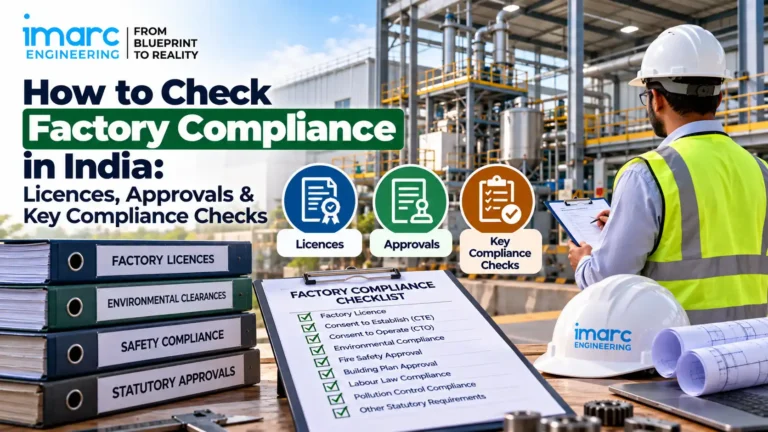
- Factory licence, fire safety compliance, and building permits
- Brewing equipment procurement and installation (fermenters, brew kettles, packaging lines)
- Raw material and packaging supplier agreements and supply chain setup
- Recipe development, trial brews, product stabilisation, and shelf-life testing
- Distribution and retail tie-ups, brand launch, and commercial production ramp-up
Licences and Regulatory Requirements
Starting a fruit beer manufacturing unit requires several approvals, which vary by country and jurisdiction:
- Business registration (Proprietorship, LLP, or Private Limited Company)
- Excise licence and brewery permit (mandatory for alcohol production)
- Food safety authority licence (FSSAI Central Licence in India; FDA in the USA; EFSA in Europe)
- Factory Licence under applicable factories legislation
- Environmental Clearance and Consent to Operate from the relevant Pollution Control Board
- GST / VAT Registration
- Fire Safety NOC
- Effluent Treatment Plant (ETP) operational clearance
- HACCP, ISO 22000, and GMP certification (recommended for exports)
- BIS or equivalent national standards certification for packaging and labelling
- Excise duty registration and compliance with liquor control regulations
- Import/export code (for international trade)
Key Challenges to Consider
High Capital Requirements:
Brewing infrastructure including fermentation tanks, jacketed conditioning vessels, filtration systems, and automated packaging lines represents a significant capital commitment. Fruit addition systems, cold storage, and CIP infrastructure add further investment requirements for new entrants.
Raw Material Price Volatility:
Key inputs malted barley, hops, and fresh or frozen fruit are subject to agricultural commodity and seasonal price cycles. Fruit availability and pricing fluctuate significantly with harvest outcomes, weather events, and global supply-demand dynamics. Long-term supplier contracts and strategic inventory management can partially mitigate this risk.
Regulatory and Excise Compliance:
Alcohol production and sale are among the most heavily regulated commercial activities in virtually every jurisdiction. Excise licensing, alcohol content regulations, labelling requirements, advertising restrictions, and distribution control laws add complexity and cost to the establishment and ongoing operation of a fruit beer manufacturing facility. Non-compliance carries severe financial and reputational risk.
Seasonal Fruit Supply and Quality Consistency:
Maintaining consistent flavour profiles across batches is technically challenging when relying on seasonal fresh fruit. Transitions between fresh fruit, frozen fruit, concentrate, and aseptic puree to ensure year-round production continuity require robust quality management systems and recipe standardisation protocols.
Competition:
The craft and flavoured beer market is served by a growing number of well-capitalised breweries, global beverage conglomerates, and agile regional craft producers. New entrants must establish clear differentiation on flavour innovation, fruit sourcing provenance, sustainability credentials, and distribution strategy to compete effectively.
Skilled Manpower:
Operating commercial brewing lines, fermentation systems, and high-speed packaging equipment at consistent quality requires technically trained personnel in brewing science, food technology, mechanical maintenance, and quality assurance. Attracting and retaining qualified brewers and production technicians adds an ongoing cost and HR management dimension.
Frequently Asked Questions
1. How much does it cost to set up a fruit beer manufacturing plant?
Total setup cost depends on plant capacity, level of automation, product format mix (bottled, canned, draught), geographic location, and chosen brewing technology. Capital investment covers land, civil works, brewing and fermentation equipment, fruit handling and dosing systems, packaging lines, and pre-operative costs. A detailed project report provides capacity-specific cost estimates.
2. Is fruit beer manufacturing profitable?
Yes. Gross profit margins typically range between 35–45% and net margins between 18–25%, supported by the premium pricing power of craft and flavoured beer, strong consumer demand across retail, e-commerce, and foodservice channels, and high repeat-purchase rates driven by seasonal and limited-edition innovation.
3. What machinery is required for a fruit beer manufacturing plant?
Essential machinery includes mash tuns, lauter tuns, brew kettles with whirlpool, jacketed fermentation tanks, bright beer tanks, heat exchangers, centrifuges, filtration systems, fruit dosing and pasteurisation systems, CO2 recovery and carbonation equipment, and automated bottling, canning, and kegging lines.
4. What licences and approvals are required to start a fruit beer plant?
Required approvals include business registration, an excise/brewery licence, a food safety authority licence, a Factory Licence, Environmental Clearance, GST/VAT registration, a Fire Safety NOC, ETP operational clearance, and recommended certifications including HACCP, ISO 22000, and GMP for packaging and labelling compliance.
5. What raw materials are needed for fruit beer production?
Core raw materials are malted barley, wheat malt, hops, brewing yeast, water, and fruit (fresh, frozen, concentrated, or aseptic puree). Adjuncts such as oats, corn, rice, and sugar may be used for specific styles. Malt and fruit together account for most raw material costs and are the primary drivers of production economics.
6. What are the food safety and environmental compliance requirements?
Operators must hold a valid food safety authority licence, obtain Environmental Clearance and Consent to Operate from the relevant authority, install and maintain an operational Effluent Treatment Plant, and ensure compliance with excise, packaging, labelling, and alcohol content regulations. HACCP and ISO 22000 certification are strongly recommended.
7. What is the best location to set up a fruit beer plant?
Ideal locations offer proximity to high-quality malt and fruit supply chains, access to reliable utilities (electricity, water, refrigeration), robust transportation infrastructure for distribution, compliance with local alcohol production zoning, and access to brewing industry talent clusters. Food and beverage processing zones or established industrial estates often provide cost and infrastructure advantages.
8. How long does it take to start a fruit beer production plant?
The timeline typically ranges from 12 to 24 months, depending on site development, equipment procurement, excise and environmental clearances, recipe development, quality system implementation, and distribution and retail setup.
9. What government incentives are available for beverage manufacturers?
In India, the Make in India initiative, PLI Scheme for Food Processing, PMKSY (Pradhan Mantri Kisan Sampada Yojana) scheme, state-level food processing and beverage manufacturing incentives, and MSME support schemes provide meaningful support to new investors in the brewing sector. Other jurisdictions offer equivalent investment and export promotion frameworks.
10. What is the break-even period for a fruit beer plant?
Break-even typically ranges from 4 to 7 years, depending on scale, automation level, raw material pricing, excise duty structure, brand-building investment, and distribution reach. Efficient production, seasonal SKU innovation, strong channel partnerships, and export opportunities can help accelerate returns.
Key Takeaways for Investors
The fruit beer manufacturing plant opportunity is underpinned by sustained demand growth across retail, e-commerce, foodservice, events, and export channels all aligned with the global premiumisation of the beer market, the craft beverage revolution, and rising consumer preference for flavourful, natural, and refreshing alternatives to mainstream lager. With strong gross profit margins of 35–45%, policy tailwinds in key manufacturing geographies, a rich landscape of fruit innovation opportunities, and the structural shift toward low-alcohol and health-positioned beverages creating new product sub-segments, fruit beer production offers both near-term profitability and long-term demand sustainability for well-positioned manufacturers.
About the Author