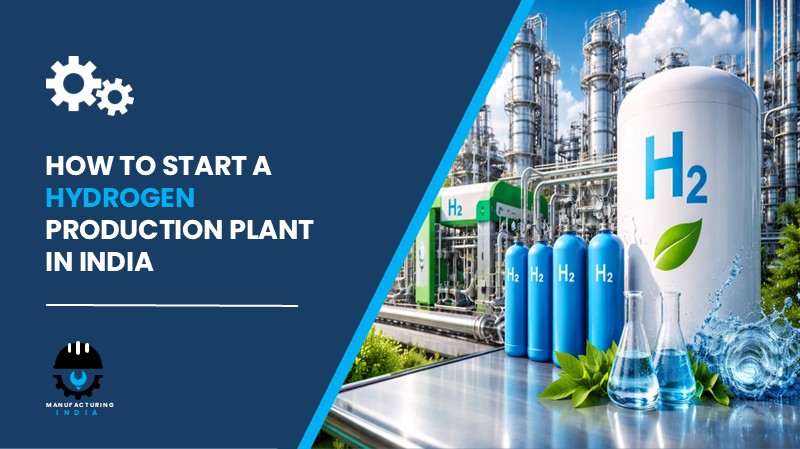
Setting up a hydrogen production plant in India presents a compelling investment case driven by the country’s accelerating energy transition, robust industrial decarbonization targets, and the rapidly expanding role of hydrogen in refining, ammonia synthesis, and fuel cell systems. As industries across the spectrum from steel production to transportation pivot away from carbon-intensive fuels, the demand for both green and conventional hydrogen is rising sharply. India’s commitment to net-zero emissions has elevated hydrogen to a strategic industrial priority, making this a pivotal moment for investors seeking long-term, policy-backed production opportunities.
India offers distinct structural advantages for establishing a hydrogen production facility. The country’s rapidly growing non-fossil power infrastructure which crossed 262.74 GW in November 2025, representing 51.5% of total installed electricity capacity provides a credible feedstock base for green hydrogen production through electrolysis. The National Hydrogen Mission, Production-Linked Incentive (PLI) schemes, and the broader Make in India initiative collectively lower entry risks and accelerate returns. States such as Gujarat, Rajasthan, and Maharashtra, with their well-developed industrial corridors, renewable energy access, and port connectivity, are strategically well-positioned for large-scale hydrogen production.
India’s hydrogen production sector is at an inflection point: backed by policy momentum, cost-competitive renewables, and surging industrial demand from refining, chemicals, and clean mobility, a hydrogen production plant offers gross margins of 30–40% and net margins of 12–18%, with break-even achievable within a realistic investment horizon. For investors aligned with the global energy transition, no opportunity in India’s industrial landscape offers stronger long-term demand sustainability.
What is Hydrogen?
Hydrogen is the lightest and most abundant chemical element in the universe, represented by the symbol H. It exists naturally as a colourless, odourless, and highly flammable gas. Importantly, hydrogen functions as a clean energy carrier rather than a primary energy source when used as a fuel, it emits only water vapor, making it a key solution for decarbonization across industrial and mobility sectors.
Hydrogen can be produced from water, natural gas, or biomass, and is compatible with renewable energy systems, giving it extraordinary versatility. Its high energy content per unit mass positions it as a cornerstone of the global energy transition. The primary production processes include electrolysis (alkaline, PEM, and solid oxide variants), steam methane reforming (SMR), auto-thermal reforming (ATR), and pyrolysis. End-use industries served include electrolyzer production, hydrogen production plants, fuel cell systems, industrial gas handling, and renewable energy infrastructure.
Cost of Setting Up a Hydrogen Production Plant in India
The total cost of establishing a hydrogen production plant in India depends on a range of factors including plant capacity, choice of production technology, geographic location, level of automation, and regulatory compliance obligations. Investors must account for both capital and operational expenditure across the full project lifecycle.
1. Capital Expenditure (CapEx)
Land and Site Development costs include land registration, boundary development, and site preparation. Locating the facility within a Special Economic Zone (SEZ) or a designated industrial estate particularly in renewable energy-rich corridors — can reduce land premiums and offer fiscal incentives. Civil works and construction costs cover the production shed, quality control laboratory, raw material and finished goods storage, and administrative blocks.
Machinery and Equipment represent the largest single component of capital expenditure. Key machinery required includes:
- Electrolyzers or reformers
- Gas purification systems (PSA units or membrane filters)
- Compressors
- High-pressure storage vessels
- Cryogenic cooling units
- Heat exchangers
- Storage tanks
- Cooling towers
- Control panels and safety systems
- Dedicated dispensing or pipeline transfer systems
- Water treatment plants
- Electrical sub-stations
- Fire suppression systems
Other capital costs encompass effluent treatment plant (ETP) setup, pre-operative expenses, commissioning charges, and applicable import duties on specialized equipment not locally manufactured.
Request a Sample Report for In-Depth Market Insights: https://www.imarcgroup.com/hydrogen-production-plant-project-report/requestsample
2. Operational Expenditure (OpEx)
Raw Material Cost is the dominant driver of operating expenses. Depending on the production process chosen, raw materials include water (for electrolysis), natural gas or methane (for SMR), catalysts, electrical power, and, where applicable, carbon capture agents. These collectively account for 70–80% of total OpEx. Establishing long-term supplier contracts is strongly recommended to stabilize input pricing and ensure supply chain continuity.
Utility Cost – covering electricity, water, and steam accounts for 10–15% of total operating expenses. For green hydrogen production via electrolysis, electricity constitutes the dominant utility input, making proximity to renewable energy infrastructure a key site-selection criterion.
Other operating costs include transportation, packaging, salaries and wages, maintenance, depreciation, and taxes. By the fifth year of operations, total operational costs are expected to increase substantially due to inflation, market fluctuations, and potential rises in the cost of key materials, as well as supply chain disruptions and shifts in the global economy.
3. Plant Capacity
The proposed hydrogen production facility is designed with an annual production capacity ranging between 10,000 and 50,000 MT, enabling economies of scale while maintaining operational flexibility. Capacity can be customized based on investor requirements and target market size. As with most capital-intensive facilities, profitability improves significantly with higher capacity utilization — making efficient demand planning and offtake agreements critical to financial performance.
4. Profit Margins and Financial Projections
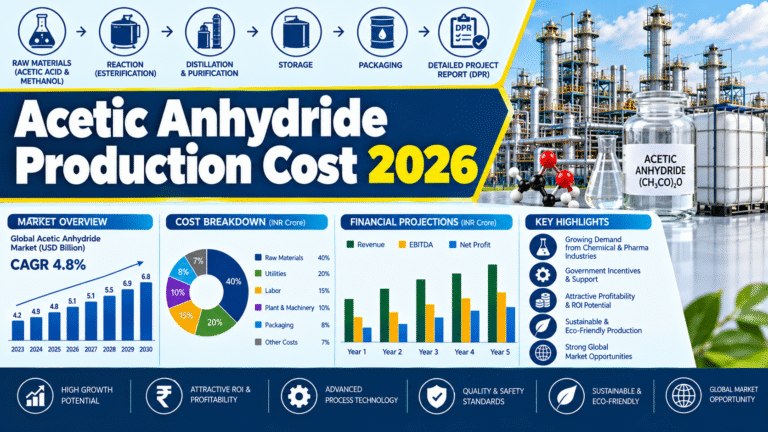
The hydrogen production plant setup demonstrates healthy profitability potential under normal operating conditions. Gross profit margins typically range between 30–40%, supported by stable industrial demand and value-added applications. Net profit margins range from 12–18%. The financial projections for the facility encompassing NPV, IRR, payback period, gross margin analysis, and net margin trends are developed based on realistic assumptions related to capital investment, operating costs, production capacity utilization, pricing trends, and demand outlook. Break-even for this type of plant typically ranges from 5 to 10 years, depending on plant capacity, market demand, and costs associated with safety, storage, and quality assurance.
Why Set Up a Hydrogen Plant in India?
Crucial Energy Infrastructure Demand. Hydrogen production systems electrolyzers, storage units, and fuel cell integrations serve as key enablers for clean energy, industrial processes, and transportation. This positions a hydrogen production unit as essential infrastructure for India’s decarbonization and energy transition goals, generating steady, policy-driven demand.
Megatrend Alignment and Green Hydrogen Growth. The global push for renewable energy, green mobility, industrial decarbonization, and grid modernization is driving rising demand for hydrogen solutions. Green hydrogen production and fuel cell adoption are experiencing double-digit growth globally, and India’s expanding non-fossil power base at 262.74 GW as of November 2025 provides the renewable energy feedstock necessary to scale electrolysis-based production competitively.
Policy and Regulatory Tailwinds. The National Hydrogen Mission, PLI schemes, government funding programs, pilot projects, and public–private partnerships are accelerating hydrogen infrastructure development in India. These instruments provide direct and indirect support for domestic hydrogen production capacity expansion, reducing investment risk for early movers.
Cost-Competitive Production. India’s combination of competitive land costs, an abundant skilled workforce, improving logistics infrastructure, and falling renewable energy tariffs makes it one of the most cost-effective locations globally for establishing a hydrogen production facility. Local sourcing of water and access to natural gas pipelines further lowers input costs.
Active Industry Investment. In June 2025, Adani New Industries launched India’s first off-grid 5 MW green hydrogen pilot plant, powered by solar energy and integrated with battery storage signalling strong private sector confidence in domestic hydrogen production. At the global level, in August 2024, Linde signed a long-term agreement to supply clean hydrogen for Dow’s Path2Zero Project, committing more than USD 2 billion to build an integrated clean hydrogen facility in Alberta, Canada underscoring the scale of investment flowing into this sector.
Local Supply Chain Preference. Energy companies, EPC contractors, and industrial integrators prefer local, reliable hydrogen suppliers to shorten project timelines and manage energy costs. This creates durable demand for regional producers with streamlined operations and stable sourcing, insulating them from global supply chain volatility.
Production Process – Step by Step
The hydrogen production process employs electrolysis (alkaline, PEM, solid oxide), steam methane reforming (SMR), auto-thermal reforming (ATR), and pyrolysis as primary production methods. The overall process is a multi-step operation involving several unit operations, material handling stages, and quality checks:
- Raw Material Preparation: Purification of water, natural gas, or other feedstock to remove contaminants prior to processing.
- Process Selection and Setup: Configuration of electrolyzers or reformers depending on the selected production route (green, blue, or grey hydrogen).
- Hydrogen Generation: Initiation of the primary production process electrolysis or reforming to produce raw hydrogen gas.
- Gas Purification and Drying: Removal of impurities using PSA (pressure swing adsorption) units or membrane filters to achieve the required purity grade.
- Compression: Processed gas is compressed using high-pressure compressors to facilitate storage and transport.
- Storage: Compressed hydrogen is stored in high-pressure storage vessels or cryogenic tanks depending on the intended application.
- Quality Control and Safety Testing: Analytical instruments monitor product concentration, purity, and stability at each critical stage.
- Packaging and Dispatch: Finished hydrogen is packaged for pipeline transfer, cylinders, or tube trailers and dispatched to end-use industries including refineries, fuel cell manufacturers, and industrial gas distributors.
Key Applications
Hydrogen produced at this facility serves a broad range of high-value industrial sectors:
- Electrolysis Systems: Supplies inputs for proton exchange membrane, alkaline, and solid oxide electrolyzer systems.
- Hydrogen Storage and Distribution: Supports high-pressure tanks, pipeline networks, and fueling stations.
- Fuel Cell Integration: Provides hydrogen for stack components, power modules, and ancillary fuel cell systems.
- Industrial Processes: Used in refineries for hydrocracking and desulphurisation, ammonia synthesis, and metal processing operations.
Leading Manufacturers
The global hydrogen industry is served by several multinational companies with extensive production capacities and diverse application portfolios. Key players in this market include:
- Air Liquide
- Linde plc
- Air Products and Chemicals
- Shell
- Siemens Energy
Timeline to Start the Plant
Establishing a hydrogen production unit typically requires 18 to 24 months from project initiation to commercial launch. The key phases are:
- Feasibility study and project report preparation
- Land acquisition and site development
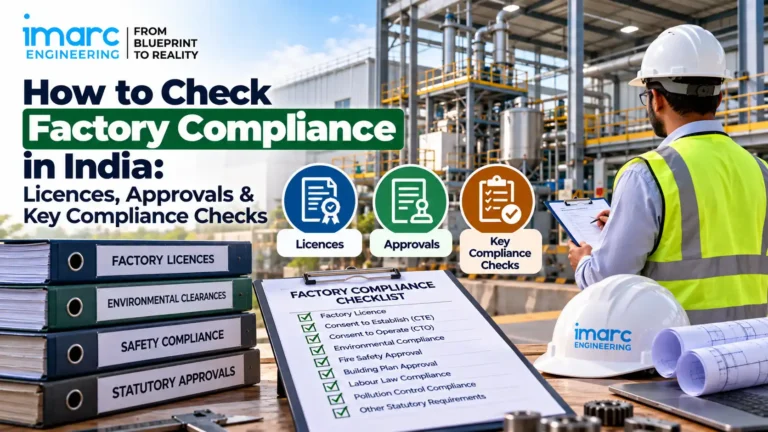
- Regulatory approvals and environmental clearances
- Factory licence and fire safety compliance
- Machinery procurement and installation
- Raw material supplier agreements and supply chain setup
- Trial production and quality testing
- Commercial production launch
Licences and Regulatory Requirements
Starting a hydrogen production unit in India requires several approvals:
- Business registration (Proprietorship, LLP, or Pvt Ltd)
- Factory Licence under the Factories Act
- Environmental Clearance from State Pollution Control Board
- GST Registration
- Fire Safety NOC
- Hazardous/Chemical compliance (mandatory given hydrogen’s classification as a highly flammable and reactive compound)
- Effluent Treatment Plant (ETP) operational clearance
- Occupational Health and Safety compliance
Key Challenges to Consider
High Capital Requirements. Establishing a hydrogen production facility demands significant upfront investment covering land, civil works, electrolyzers or reformers, compression and purification systems, and specialized safety infrastructure creating a high barrier to entry for undercapitalized entrants.
Raw Material Price Volatility. Input costs particularly for water, electricity, and natural gas or methane — are subject to market fluctuations. Since raw materials account for 70–80% of total OpEx, even moderate price movements can significantly compress margins if not managed through long-term contracts.
Regulatory Compliance. Hydrogen’s classification as a highly flammable and reactive compound means that environmental clearances, fire safety certifications, hazardous material handling permits, and ETP approvals involve rigorous scrutiny, extending project timelines and adding compliance costs.
Technology and Innovation Pressure. The rapid evolution of electrolyzer technologies particularly PEM and solid oxide systems means production facilities must incorporate technology-upgrade pathways from day one to remain cost-competitive as the market matures.
Competition. Global players such as Air Liquide, Linde plc, Air Products and Chemicals, Shell, and Siemens Energy maintain deep technological capabilities and established supply relationships, creating significant competitive pressure for new entrants without differentiated sourcing or cost advantages.
Skilled Manpower. Operating electrolyzers, reformers, PSA purification systems, and high-pressure storage infrastructure requires specialized technical and safety expertise a resource that remains relatively scarce in India’s industrial talent pool outside major production clusters.
Frequently Asked Questions
1. How much does it cost to set up a hydrogen production plant in India? The total cost varies with capacity (10,000–50,000 MT annually), technology choice, and location. Key cost components include land, civil construction, electrolyzers or reformers, purification systems, compressors, and working capital. Request the sample report for detailed CapEx figures.
2. Is hydrogen production profitable in India in 2026? Yes. The production facility demonstrates gross profit margins of 30–40% and net margins of 12–18% under normal operating conditions, supported by stable demand from refining, chemicals, and fuel cell sectors.
3. What machinery is required for a hydrogen plant in India? Key machinery includes electrolyzers or reformers, gas purification systems, compressors, high-pressure storage vessels, cryogenic cooling units, heat exchangers, cooling towers, control panels, safety systems, water treatment plants, and fire suppression systems.
4. What licences and approvals are required to start a hydrogen plant in India? Requirements include business registration, Factory Licence, Environmental Clearance from the State Pollution Control Board, GST Registration, Fire Safety NOC, hazardous chemical compliance, ETP clearance, and Occupational Health and Safety compliance.
5. What raw materials are needed for hydrogen production? Raw materials include water (for electrolysis), natural gas or methane (for SMR), catalysts, electrical power, and carbon capture agents where applicable. These account for 70–80% of total operating costs.
6. What are the environmental compliance requirements for a hydrogen plant in India? Environmental clearance from the State Pollution Control Board, effluent treatment plant operation, hazardous material compliance, leak detection monitoring, and emission standards adherence are all mandatory for a hydrogen production unit in India.
7. What is the best location to set up a hydrogen plant in India? Ideal locations combine access to renewable energy (for green hydrogen), reliable natural gas pipelines (for SMR), industrial infrastructure, and proximity to end-use markets. Renewable energy-rich states such as Rajasthan and Gujarat, or industrial hubs in Maharashtra, offer strong locational advantages.
8. What is the break-even period for this type of plant in India? Break-even for a hydrogen production plant typically ranges from 5 to 10 years, depending on plant capacity, market demand, and costs associated with safety, storage, and quality assurance.
9. What government incentives are available for manufacturers in India? Investors may benefit from the National Hydrogen Mission, PLI schemes, capital subsidies, tax exemptions, reduced utility tariffs, export incentives, and interest subsidies under various national and state-level industrial policies.
Key Takeaways for Investors
A hydrogen production plant in India represents a high-conviction investment opportunity anchored in durable demand from refining, ammonia synthesis, fuel cell systems, and clean energy infrastructure. The facility demonstrates strong financial viability across the 10,000–50,000 MT annual capacity range, with gross margins of 30–40% and net margins of 12–18% at normal operating conditions. The global hydrogen market was valued at USD 201.44 billion in 2025 and is projected to reach USD 308.50 billion by 2034 at a CAGR of 4.85%, with India’s non-fossil power capacity already exceeding 262 GW and continuing to grow providing the renewable energy foundation for sustainable, large-scale hydrogen production. For investors positioned ahead of the curve, long-term demand sustainability in this sector is not speculative: it is embedded in energy policy, industrial transition commitments, and irreversible decarbonization economics.
About the Author