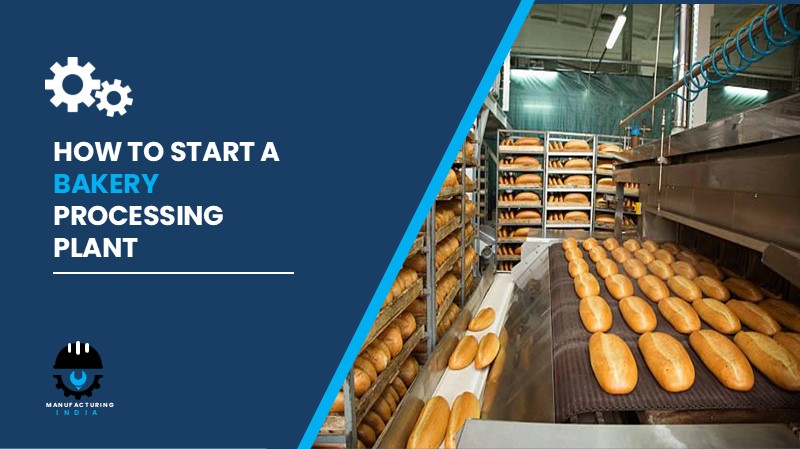
Setting up a bakery processing plant in India presents a compelling investment case anchored in the country’s rapidly expanding middle class, the surging adoption of café culture and quick-service restaurant chains, the growing preference for ready-to-eat and packaged baked goods among busy dual-income urban households, and the broad-based expansion of organised retail and e-commerce food channels that are redefining product accessibility across Tier 1, Tier 2, and Tier 3 markets. Bakery products bread, cakes, pastries, cookies, muffins, biscuits, and pies produced through the precise blending of flour, sugar, eggs, fats, and leavening agents baked at controlled temperatures have undergone a fundamental shift in India from artisanal home and local bakery production toward industrially processed, consistently quality, and widely distributed packaged formats. The Indian bakery market was valued at USD 15.05 billion in 2025 and is projected to reach USD 32.05 billion by 2034 at a CAGR of 8.76% one of the strongest growth trajectories among all food processing categories in India driven by urbanisation, rising disposable incomes, and consumer preference for fresh baked goods and packaged bakery products.
India’s structural advantages make it an exceptionally well-positioned location for establishing a bakery processing facility. The country’s abundant domestic supply of wheat flour the primary raw material from established flour mills in Punjab, Haryana, Uttar Pradesh, and Madhya Pradesh provides manufacturers with cost-competitive access to the key input. The rapidly expanding distribution infrastructure through modern trade, online grocery platforms, and foodservice supply chains enables domestically manufactured bakery products to reach consumers efficiently across the country’s vast geographic market. Government support through the Ministry of Food Processing Industries (MoFPI), PLI scheme incentives for food processing, and Pradhan Mantri Kisan Sampada Yojana agro-processing grants collectively provide investors with meaningful financial and policy support for establishing commercial-scale bakery production capacity in India.
A bakery processing plant in India is positioned within a domestic market growing at 8.76% CAGR from USD 15.05 billion in 2025 toward USD 32.05 billion by 2034, driven by rising disposable incomes, expanding café culture, ready-to-eat convenience demand, and organised retail channel growth. With gross profit margins of 35–45% and net margins of 18–25% at 10,000–30,000 MT annual production capacity, and global industry innovation validated by Middleby’s December 2025 65,000-square-foot bakery innovation hub opening near Venice and GEA’s June 2025 high-speed extruder launch, this investment delivers strong food processing returns.
What is a Bakery?
A bakery is a specialised food processing business where different kinds of baked products are made and sold. These products may include bread, cakes, pastries, cookies, muffins, and pies. The procedure in a bakery involves the mixing of ingredients such as flour, sugar, eggs, and fats, which are then baked at certain temperatures to achieve the required texture and taste. Some bakeries also make artisanal or specialty baked goods such as gluten-free, vegan, or organic baked products, depending on the customer’s requirements.
Modern bakery processing plants produce both visually appealing and nutritionally specified products across retail, foodservice, and institutional channels, operating with standardised processes that ensure identical results in taste, texture, and visual appearance throughout all production runs. The primary production method involves ingredient weighing, dough mixing, fermentation, baking, cooling, quality inspection, packaging, and labelling a multi-step manufacturing process integrating raw material handling, precision formulation, controlled thermal processing, and quality verification at each stage. End-use industries served include retail bakery outlets, foodservice and HoReCa sector, ready-to-eat and convenience food industry, and household and retail baking segment.
Cost of Setting Up a Bakery Processing Plant in India
The total investment required to establish a bakery processing plant in India depends on plant capacity, product range, geographic location, level of automation, and compliance with FSSAI food safety and environmental regulatory requirements. Investors must account comprehensively for both one-time capital expenditure and recurring operational costs when preparing a feasibility study or detailed project report (DPR).
1. Capital Expenditure (CapEx)
Land and Site Development constitutes a foundational investment. Costs for land registration, boundary development, internal road layout, drainage infrastructure, and site levelling vary based on whether the facility is within a government-notified food processing cluster, a Mega Food Park under MoFPI, or on privately acquired land. Food processing zones in Maharashtra, Gujarat, Punjab, and Karnataka offer infrastructure-ready sites with competitive land costs, proximity to flour and dairy ingredient supply chains, and access to organised retail and foodservice distribution networks.
Civil Works and Construction encompasses the main ingredient storage and preparation hall, dough mixing and fermentation area, baking oven production zone, cooling conveyor area, quality control laboratory, packaging and despatch hall, finished goods warehouse, and administrative block. Food-grade construction requirements — including pest-proof design, hygienic floor and wall surfaces, temperature-controlled areas for dough fermentation and finished product storage, and adequate ventilation for baking oven heat management add to civil construction costs relative to standard industrial facilities.
Machinery and Equipment represent the single largest component of capital expenditure. Key machinery required for a bakery processing plant includes:
- Mixers
- Dough dividers
- Ovens
- Cooling conveyors
- Packaging machines
- Quality control systems
Other Capital Costs include the effluent treatment plant (ETP) for managing baking process wastewater and organic waste streams, pre-operative expenses covering regulatory filings and feasibility study preparation, plant commissioning charges, utility connection fees, and import duties applicable to specialised industrial baking ovens or high-speed packaging equipment sourced internationally.
Request a Sample Report for In-Depth Market Insights: https://www.imarcgroup.com/bakery-processing-plant-project-report/requestsample
2. Operational Expenditure (OpEx)
Raw Material Cost is the dominant driver of operating expenditure, accounting for approximately 65–75% of total OpEx. The primary inputs are flour, sugar, yeast, fat or oil, eggs, and milk powder. Flour the dominant raw material by volume and cost is priced against domestic wheat commodity markets subject to government procurement policy, monsoon-driven harvest variability, and global wheat supply dynamics. Sugar, edible oils, dairy ingredients, and eggs add further commodity price exposure to the operating cost model. Investors are advised to establish long-term supply contracts with flour mills, edible oil producers, and dairy ingredient suppliers to stabilise input pricing and ensure production continuity across seasonal demand peaks. Locating facilities near established flour mill clusters in Punjab, Haryana, and Uttar Pradesh reduces both inbound logistics costs and procurement lead times.
Utility Costs – covering electricity and LPG or natural gas for baking ovens, mixers, cooling conveyors, and packaging equipment account for approximately 10–15% of total OpEx. Baking ovens are the most energy-intensive equipment in the bakery production line, requiring sustained high-temperature operation across continuous production runs. Investors in regions with competitive industrial electricity and gas tariffs and reliable utility supply are materially better positioned to manage this cost component. Energy-efficient tunnel ovens with heat recovery systems can materially reduce utility consumption per tonne of output relative to conventional oven configurations.
Other Operating Costs include outbound transportation to organised retail chains, foodservice distributors, HoReCa suppliers, and e-commerce distribution centres; packaging materials for retail cartons, flow-packs, and institutional bulk formats; employee salaries and wages for production operators, bakers, quality technicians, and distribution coordinators; equipment maintenance; quality assurance testing for FSSAI compliance; depreciation on civil and machinery assets; and applicable taxes including GST. By the fifth year of operations, total operational costs are expected to increase substantially due to inflation, market fluctuations, potential rises in flour and ingredient prices, supply chain disruptions, rising consumer demand, and shifts in the global economy.
3. Plant Capacity
The proposed bakery processing facility is designed with an annual production capacity ranging between 10,000 and 30,000 MT, enabling significant economies of scale while maintaining operational flexibility across different product categories bread, cakes, cookies, pastries, and packaged biscuits and packaging formats for retail, foodservice, and institutional supply. This capacity range is well-aligned with the requirements of organised retail chains, foodservice distributors, QSR supply chains, e-commerce grocery platforms, and institutional catering operators across India’s growing domestic consumer and food industry market. Capacity can be customised based on investor requirements, raw material procurement network scale, and target market product mix. Profitability improves consistently with higher capacity utilisation, and bakery processing plants support phased expansion through additional mixer capacity, oven lines, and packaging systems with contained incremental CapEx.
4. Profit Margins and Financial Projections
The bakery processing plant demonstrates strong profitability potential under normal operating conditions. Gross profit margins typically range between 35–45%, supported by stable year-round demand and the value-added, brand-differentiated nature of processed and packaged bakery products relative to commodity flour and ingredient inputs. Net profit margins range between 18–25%, reflecting the moderate raw material intensity and utility cost of the mixing, baking, and packaging production model. A comprehensive financial analysis should include income projections, expenditure forecasts, gross and net margin tracking across Years 1 through 5, net present value (NPV), internal rate of return (IRR), payback period, and a full profit and loss account. Sensitivity analysis covering flour commodity price movements and retail selling price variability is recommended for investment-grade financial planning.
Why Set Up a Bakery Processing Plant in India?
Rising Demand for Fresh and Convenient Food Driving Structural Growth. Consumers prefer ready-to-eat bakery products that save time without compromising on quality and this preference is accelerating across India’s rapidly urbanising population. Rising per capita disposable incomes as evidenced by China’s per capita income reaching 43,377 yuan and growing 5% year-on-year, reflecting the broader Asian income growth trend that India is simultaneously experiencing are driving stronger demand in the bakery sector globally and in India specifically. Dual-income families and busy urban individuals require convenient food options that deliver taste, nutrition, and time efficiency simultaneously a combination that packaged bakery products deliver uniquely well.
Expanding Café Culture, QSR Networks, and Foodservice Channels. The growing footprint of cafés, quick-service restaurants, and organised retail establishments is generating large and recurring procurement of processed bakery ingredients and finished products. Foodservice operators require bakery products that deliver consistent product quality, fast preparation times, and low staffing requirements specifications that industrially processed bakery products from reliable, certified manufacturers fulfil far more effectively than artisanal alternatives.
Product Innovation in Specialty, Health, and Fortified Bakery Segments. The market is expanding because innovations in baked goods include whole-grain, low-sugar, and fortified options, together with gluten-free products each opening premium-priced market segments beyond commodity bread and biscuit production. The development of specialty breads and cakes and health-oriented products enables businesses to meet current consumer trends, with product customisation opportunities that allow manufacturers to differentiate on both nutrition profile and flavour supporting margin improvement alongside volume growth.
Global Industry Innovation Validating Technology Investment. In December 2025, Middleby Corporation opened the Middleby Centro di Innovazione (MCI), a 65,000-square-foot innovation hub near Venice, Italy, focusing on bakery, protein, and snack processing featuring advanced equipment, expert demonstrations, product R&D, and operator training. In June 2025, GEA unveiled the GEA Bake Extruder in Germany targeting medium to large-scale biscuit manufacturers, supporting wire-cut, co-extruded, filled, continuous extruded, and like-deposited formats at up to 350 strokes per minute with modular dies and customisable filler blocks for cookies, bars, and biscuits. These landmark technology investments by the world’s leading bakery equipment manufacturers confirm the sustained commercial confidence and innovation momentum in the global bakery processing sector.
Organised Retail and E-Commerce Channels Expanding Distribution Reach. Organised retail and e-commerce platforms enable better accessibility and distribution of packaged bakery products directly expanding the commercial reach of domestic manufacturers to consumers in Tier 2 and Tier 3 cities where traditional distribution previously limited branded product access. The combination of growing online grocery purchasing and the expansion of supermarket and hypermarket chains is creating the distribution infrastructure required to convert manufacturing capacity into consumer revenue at scale.
Scalable Production Economics with Moderate Capital Requirements. Contemporary bakery processing demands moderate capital investment relative to the gross margins achievable making it one of the most capital-efficient food processing investment categories available to Indian investors. The combination of 35–45% gross margins, scalable production lines, and an 8.76% domestic market CAGR creates a commercially attractive investment profile that compares favourably with higher-capital-intensity food processing investments across India’s food manufacturing landscape.
Processing Process – Step by Step
The bakery processing plant uses ingredient weighing, dough mixing, fermentation, baking, cooling, quality inspection, packaging, and labelling as the primary production method. Below are the main stages involved in the bakery processing process flow:
- Raw Material Receipt and Inspection: Flour, sugar, yeast, fat or oil, eggs, milk powder, and other baking ingredients are received, inspected against specification for moisture content, purity, and freshness, and cleared for production scheduling following quality verification.
- Ingredient Weighing and Batching: All ingredients are weighed in the precise proportions specified by the product formulation with automated weighing systems ensuring batch-to-batch consistency in ingredient ratios that directly determine the flavour, texture, and nutritional profile of each finished product variant.
- Dough Mixing: Mixers combine the weighed ingredients into a homogeneous dough or batter at defined mixing speeds and durations with the mixing stage directly determining gluten development in bread doughs, aeration in cake batters, and cohesion in cookie doughs. Different product types require fundamentally different mixing protocols and mixer configurations.
- Fermentation and Proofing: For yeast-leavened products including bread and certain pastry doughs, fermentation chambers provide controlled temperature and humidity conditions that allow yeast to produce CO₂ developing the gas cells, flavour compounds, and dough extensibility required for optimum bread volume and eating quality.
- Dough Dividing and Shaping: Dough dividers portion the mixed and fermented dough into uniform piece weights for bread loaves, rolls, or individual product units with weight consistency directly determining product quality uniformity and packaging compliance. Shaping operations mould portioned dough into the target product geometry before baking.
- Baking: Ovens including tunnel ovens for continuous production of bread and biscuits, deck ovens for artisan and premium products, and rotary rack ovens for mixed product lines apply controlled heat profiles that gelatinise starches, denature proteins, develop Maillard browning on the crust, and drive off moisture to achieve the target texture, colour, and shelf-life characteristics for each product.
- Cooling: Cooling conveyors bring freshly baked products from baking temperature to ambient or refrigerated temperature conditions required for packaging preventing condensation, crumb structure collapse, and packaging-related moisture damage that would compromise product quality and shelf life.
- Quality Inspection: Quality control systems verify finished bakery products for dimensional consistency, weight compliance, colour uniformity, moisture content, and FSSAI nutritional and safety standard compliance — with each production batch released only upon meeting the defined acceptance criteria for the designated product.
- Packaging and Labelling: Packaging machines fill and seal finished bakery products into retail flow-packs, cartons, or institutional bulk formats, with labelling applying product name, net weight, ingredient list, nutritional information, FSSAI licence number, best-before date, and batch code for full supply chain traceability and regulatory compliance.
- Dispatch to End-Use Channels: Finished bakery products are dispatched to retail bakery outlets, organised retail chains, e-commerce distribution centres, foodservice distributors, HoReCa supply operators, and ready-to-eat convenience food platform partners.
Key Applications
Bakery products processed at this type of facility serve four primary end-use sectors with specific product format, quality, and distribution requirements for each:
- Retail Bakery Outlets: Bakery outlets use standardised baking inputs to maintain uniform product quality and taste across commercial baking operations serving both walk-in retail consumers and organised delivery channel buyers.
- Foodservice and HoReCa Sector: Bakery products in restaurants and hotels need to meet requirements for fast preparation times, low staffing needs, and consistent product quality with industrial bakery supply providing the consistency and volume reliability that artisanal sourcing cannot deliver at scale.
- Ready-to-Eat and Convenience Food Industry: Pre-baked and partially baked products are distributed through retail channels for direct consumption delivering the convenience, portability, and extended shelf life that urban consumers increasingly expect from packaged food products.
- Household and Retail Baking Segment: Processed bakery ingredients and home-baking mixes enable consumers to make professional-quality baked items at home without requiring advanced baking skills a rapidly growing retail segment driven by the home cooking trend and premium grocery channel expansion.
Leading Bakery Processors
The global bakery equipment and processing industry is served by several large-scale manufacturers with extensive production capacities and diversified product and technology portfolios. Key players include:
- Ali Group
- Baker Perkins
- Bühler
- Middleby Corporation
- Markel
- John Bean Technologies Corporation
Timeline to Start the Plant
Investors planning to establish a bakery processing plant in India should anticipate the following project development phases:
- Feasibility study and project report preparation
- Land acquisition and site development
- Regulatory approvals and environmental clearances
- Factory licence and fire safety compliance
- Machinery procurement and installation
- Raw material supplier agreements and supply chain setup
- Trial production and quality testing
- Commercial production launch
Licences and Regulatory Requirements
Starting a bakery processing unit in India requires several approvals:
- Business registration (Proprietorship, LLP, or Private Limited Company)
- Factory Licence under the Factories Act
- FSSAI (Food Safety and Standards Authority of India) Central or State Licence for bakery product manufacturing and packaging Central licence required for manufacturers with annual turnover above ₹20 crore or operating across multiple states
- Environmental Clearance from the State Pollution Control Board
- GST Registration
- Fire Safety NOC
- Effluent Treatment Plant (ETP) operational clearance for baking process wastewater and organic waste management
- Occupational Health and Safety compliance covering baking oven operations, mixer machinery safety, and food-grade hygiene management
- Bureau of Indian Standards (BIS) certification for applicable bakery product standards where required under mandatory specifications
- APEDA export registration where bakery products are targeted for international market supply
Key Challenges to Consider
Flour and Ingredient Price Volatility. Flour accounting for 65–75% of total OpEx is subject to seasonal and weather-driven commodity price fluctuations linked to domestic wheat harvest outcomes, government procurement policies, and global wheat market dynamics. Managing flour procurement through long-term supply contracts, strategic inventory management, and multi-supplier qualification is essential for protecting gross margins against input cost variability.
Short Shelf Life and Cold Chain Management for Fresh Products. Fresh and cream-filled bakery products have inherently short shelf lives requiring reliable ambient or refrigerated distribution chains to reach retail and foodservice buyers with adequate residual shelf life for consumer purchase. Building and managing effective distribution logistics including temperature-controlled delivery vehicles and retail shelf placement coordination adds operational complexity and cost beyond the production plant investment.
FSSAI Regulatory Compliance and Labelling Standards. Bakery products sold through organised retail and food service channels in India are subject to FSSAI standards governing food safety, allergen declarations, nutritional labelling, and permitted additive usage. Maintaining compliance across all product SKUs particularly for fortified, gluten-free, and specialty bakery variants with specific ingredient claim requirements demands dedicated regulatory affairs capability and ongoing documentation management.
Technology Upgrade and Product Innovation Pressure. The global bakery industry is advancing rapidly as confirmed by Middleby’s December 2025 65,000-square-foot innovation hub opening and GEA’s June 2025 high-speed extruder launch delivering 350 strokes per minute. Indian manufacturers must invest in product development capability and periodic equipment upgrades to maintain competitiveness against both domestic and imported premium bakery products entering India’s organised retail channels.
Competition from Established Domestic and Multinational Brands. India’s organised bakery market is served by established brands including Britannia, Parle, ITC, and Anmol, alongside multinational players with strong brand recognition and extensive distribution networks. New entrants must differentiate through regional flavour relevance, health-oriented product positioning, foodservice-specific formats, or private-label manufacturing for retail chain customers to build sustainable market share.
Skilled Workforce for Food-Grade Baking Operations. Operating commercial mixing equipment, tunnel ovens, cooling conveyors, and automated packaging systems while maintaining FSSAI food safety and hygiene standards requires trained bakery production technologists, quality assurance personnel, and maintenance engineers. Sourcing and retaining qualified staff for bakery processing facilities particularly for premium or specialty product lines requiring artisan-level baking expertise combined with industrial process discipline presents an ongoing operational challenge.
Frequently Asked Questions
1. How much does it cost to set up a bakery processing plant in India?
The total cost depends on plant capacity (10,000–30,000 MT per annum), product range complexity, location, and automation level. CapEx covers land, food-grade civil construction, and machinery including mixers, dough dividers, ovens, cooling conveyors, packaging machines, and quality control systems, along with pre-operative and regulatory costs.
2. Is bakery processing profitable in India in 2026?
Yes. With gross margins of 35–45% and net margins of 18–25%, supported by the Indian bakery market growing at 8.76% CAGR from USD 15.05 billion in 2025 toward USD 32.05 billion by 2034, expanding café culture, rising disposable incomes, and growing organised retail distribution, the investment presents a strong and multi-channel profitability case.
3. What machinery is required for a bakery processing plant in India?
Key equipment includes mixers, dough dividers, ovens (tunnel, deck, or rotary rack depending on product range), cooling conveyors, packaging machines, and quality control systems. Supporting equipment includes ingredient weighing and batching systems, fermentation chambers, shaping and moulding machines, and analytical testing instruments for quality compliance.
4. What licences and approvals are required to start a bakery processing plant in India?
Required approvals include business registration, FSSAI Central or State Licence for bakery manufacturing, Factory Licence, Environmental Clearance, GST Registration, Fire Safety NOC, ETP operational clearance, Occupational Health and Safety compliance, and APEDA export registration where international markets are targeted.
5. What raw materials are needed for bakery processing?
The primary raw materials are flour, sugar, yeast, fat or oil, eggs, and milk powder. Additional inputs include leavening agents, emulsifiers, flavourings, preservatives, colouring agents for specialty products, and packaging materials for retail and institutional formats.
6. What are the environmental compliance requirements for a bakery processing plant in India?
Environmental Clearance from the State Pollution Control Board is required, along with an ETP for managing baking process wastewater and organic waste streams, compliance with water discharge standards, and adherence to solid waste management rules for bakery by-product and packaging waste disposal.
7. What is the best location to set up a bakery processing plant in India?
States with strong wheat flour supply chains, established food processing infrastructure, and large urban consumer and foodservice markets such as Punjab, Haryana, Maharashtra, Gujarat, and Uttar Pradesh offer the best combination of raw material access, processing infrastructure support, logistics connectivity, and consumer market proximity for bakery processing investment.
8. What is the break-even period for this type of plant in India?
The break-even period depends on plant capacity utilisation, product mix between commodity and premium specialty bakery grades, flour procurement cost management, and retail and foodservice distribution channel development speed. A full NPV and IRR analysis incorporating sensitivity testing for flour price movements and retail selling price variability is recommended for investment-grade financial planning.
9. What government incentives are available for bakery processors in India?
PLI scheme for food processing, Pradhan Mantri Kisan Sampada Yojana agro-processing infrastructure grants, MoFPI capital subsidy schemes, Mega Food Park infrastructure access, APEDA export development support, and state-level food processing industrial incentive schemes in Punjab, Maharashtra, and Gujarat all provide meaningful financial and infrastructure support for qualifying bakery processing investments.
Key Takeaways for Investors
A bakery processing plant in India represents one of the most commercially accessible and financially rewarding food processing investment opportunities available positioned within a domestic Indian bakery market valued at USD 15.05 billion in 2025 and growing at 8.76% CAGR toward USD 32.05 billion by 2034, one of the strongest food sector growth trajectories in the Indian economy. Financial viability is strongly demonstrated across a production capacity range of 10,000 to 30,000 MT per annum, with gross margins of 35–45% and net margins of 18–25% achievable among the highest profitability levels available in Indian food processing investment driven by value-added product development and brand differentiation against commodity flour inputs. Active global industry investment confirms the sector’s growth momentum Middleby Corporation’s December 2025 opening of a 65,000-square-foot innovation hub near Venice focused on bakery, protein, and snack processing, and GEA’s June 2025 launch of its high-speed biscuit extruder delivering 350 strokes per minute signal the sustained technology investment that is advancing bakery processing productivity and product quality globally. With rising per capita incomes, expanding café and QSR culture, growing e-commerce grocery accessibility, and the parallel expansion of health-oriented and specialty bakery product segments all reinforcing demand simultaneously, the long-term demand sustainability and investment returns for bakery processing plant investors in India are comprehensively and multiply well-supported throughout the decade ahead.
About the Author