A frozen fish manufacturing plant setup in India presents a compelling investment case for entrepreneurs targeting the food service, retail, hospitality, catering, and household segments. Frozen fish already accounts for 24.0% of the share in the overall India fish market, underscoring how central this category has become to the country’s protein supply chain. Rising investments in aquaculture, sustainable fishing practices, and traceability systems are pushing demand for processing capacity that can serve restaurants, fast-food chains, grocery stores, and the growing ready-to-eat convenience food segment.
India’s expanding cold-chain infrastructure, urbanisation, and the Make in India initiative make the country a strategic base for this kind of production. Coastal states with strong fisheries access and export infrastructure are natural hubs for such a facility, since proximity to raw material sources and ports reduces logistics costs while supporting both domestic distribution and export opportunities.
This investment combines strong underlying demand with cost-competitive production, supported by a market where frozen fish already commands a meaningful share of overall fish consumption. Healthy gross margins of 14-22% and steady demand from food service, retail, and catering channels make the case attractive, though returns depend on plant capacity, raw material sourcing, and utilisation levels.
What is Frozen Fish?
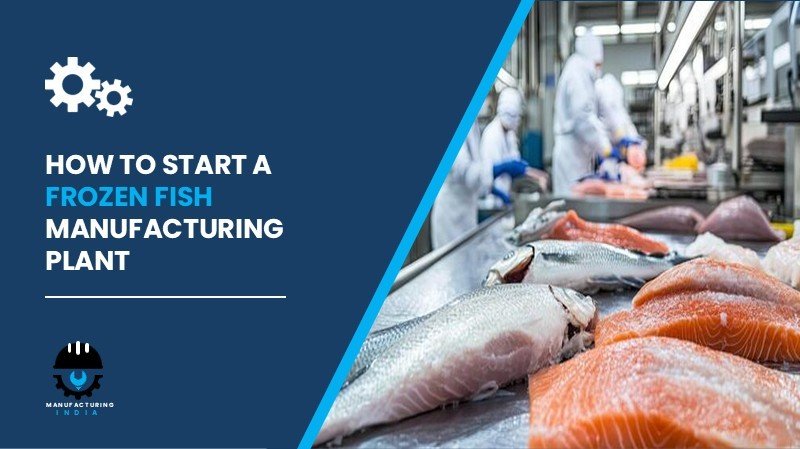
Frozen fish is fresh seafood that is rapidly chilled and brought below freezing temperatures, usually right after being caught. This quick-freezing method stops bacterial growth, prevents spoiling, and locks in essential nutrients like omega-3 fatty acids without needing chemical preservatives. A frozen fish manufacturing plant is built around this principle, using rapid freezing to preserve quality across the supply chain.
Production at a typical facility includes fish cleaning, cutting/filleting, washing, STPP treatment, brining, individually quick freezing (IQF), glazing, and cold storage. Applications span across restaurants, fast-food chains, and household kitchens, where frozen fish is used as the main course or in soups, salads, and appetizers. Output from the facility serves end-use industries including food service, retail, hospitality, catering, and households.
Cost of Setting Up a Frozen Fish Manufacturing Plant in India
Total cost depends on capacity, technology, location, automation level, and regulatory compliance requirements.
1. Capital Expenditure (CapEx)
Capital investment for a frozen fish manufacturing plant covers land acquisition, site preparation, and necessary infrastructure. Land and site development, including registration and boundary charges, forms a substantial part of the investment; coastal industrial estates or SEZs offer established utility and export infrastructure. Civil works cover processing sheds, quality-testing labs, cold storage blocks, and administrative buildings.
Machinery costs account for the largest portion of total capital expenditure for the plant. Key machinery required includes:
- Fish receiving and grading systems
- Washing and cleaning machines
- Filleting and cutting equipment
- Brining or STPP treatment tanks
- Dewatering units
- IQF freezers
- Glazing systems
- Weighing and packaging machines
- Metal detectors
- Cold storage facilities
Other capital costs for the plant include pre-operative expenses, commissioning costs, and effluent treatment plant (ETP) installation to manage wastewater from washing and processing operations.
Request a Sample Report for In-Depth Market Insights: https://www.imarcgroup.com/frozen-fish-manufacturing-plant-project-report/requestsample
2. Operational Expenditure (OpEx)
Raw material cost is the largest component of operating expenses for a frozen fish manufacturing plant, with fresh/chilled fish, sodium tripolyphosphate (STPP), salt/brine, and IQF glazing water together accounting for approximately 65-75% of total OpEx. Long-term supplier contracts with fisheries and cold-chain logistics partners help mitigate price volatility and secure consistent raw material supply.
Utility cost, covering electricity, water, and steam, makes up around 10-14% of operating expenses, reflecting the energy-intensive nature of rapid freezing and cold storage. Other operating costs include transportation, packaging, salaries and wages, depreciation, taxes, and repairs and maintenance.
By the fifth year of operations, total operational cost for the plant is expected to rise substantially due to inflation, market fluctuations, and rising raw material costs, alongside supply chain disruptions and shifts in the global economy.
3. Plant Capacity
The proposed facility is typically designed with an annual production capacity ranging between 10,000-30,000 MT/year, enabling economies of scale while maintaining operational flexibility. Capacity can be customised based on investor requirements, market demand, and available capital, and profitability improves with higher capacity utilisation as fixed costs spread across greater production volumes.
4. Profit Margins and Financial Projections
Financial projections are developed based on capital investment, operating costs, production capacity utilisation, pricing trends, and demand outlook, covering net present value (NPV), internal rate of return (IRR), and payback period. Gross profit margins typically range between 14-22%, while net profit margins range between 5-10%, supported by stable demand and value-added applications, giving a comprehensive view of the project’s financial viability, ROI, profitability, and long-term sustainability.
Why Set Up a Frozen Fish Plant in India?
Growing Frozen Fish Market Share: Frozen fish already accounts for 24.0% of the share in the overall India fish market, reflecting strong and rising consumer acceptance of frozen seafood over fresh alternatives in urban centres.
Sustainable and Traceable Sourcing: Growing investments in aquaculture, sustainable fishing practices, and traceability systems are strengthening the raw material base available to this type of plant, improving supply consistency.
Policy and Infrastructure Support: India’s Make in India initiative and expanding cold-chain and port infrastructure support both export-oriented and domestic-facing processing capacity.
Cost-Competitive Manufacturing: Access to coastal raw material supply, competitive land and labour costs, and established fisheries supply chains make such a facility cost-competitive relative to other production hubs.
Active Industry Investment: The sector continues to see global product innovation; in February 2026, High Liner Foods’ Sea Cuisine brand partnered with Guinness to launch Sea Cuisine Guinness Battered Fish Strips and Shrimp products, signalling continued investment in frozen seafood.
Diversified Demand Base: Local sourcing preference from restaurants, retail chains, catering companies, and households ensures multiple demand channels for the unit’s output, reducing dependence on any single buyer segment.
Frozen Fish Manufacturing Process – Step by Step
The frozen fish manufacturing process uses IQF (Individually Quick Frozen) freezing as the primary production method, combined with several supporting unit operations.
- Receiving and Grading: Fresh or chilled fish is received and graded using fish receiving and grading systems.
- Cleaning and Washing: Fish is washed and cleaned using dedicated washing and cleaning machines.
- Cutting and Filleting: Filleting and cutting equipment processes the fish into required cuts or fillets.
- STPP Treatment and Brining: The product undergoes brining or STPP treatment in dedicated tanks to improve texture and moisture retention.
- Dewatering: Dewatering units remove excess moisture ahead of freezing.
- IQF Freezing: IQF freezers rapidly freeze individual pieces, preserving nutrient content and texture.
- Glazing: Glazing systems apply a protective ice layer using IQF glazing water to prevent freezer burn.
- Weighing and Packaging: Weighing and packaging machines portion and pack the product, followed by metal detector checks.
- Cold Storage and Dispatch: Finished products move into cold storage facilities before dispatch to food service, retail, hospitality, catering, and household end users.
Key Applications
Output from a frozen fish manufacturing plant serves a wide range of end-use industries, from commercial food service to household kitchens.
- Food Service Industry: Widely utilised in restaurants and fast-food chains due to convenient storage and quick preparation time.
- Retail Sector: Supermarkets and grocery stores stock a variety of frozen fish to meet consumer demand for diverse and nutritional seafood options.
- Household Kitchens: Home cooks benefit from the long shelf life and nutritional advantages of frozen fish, making it a dinner staple.
- Catering Services: Event catering services rely on frozen fish for large-scale meal preparations, providing quality and consistency in dishes.
- Ready-to-Eat Foods: Pre-cooked frozen fish contributes extensively to the ready-to-eat food segment, offering ease and quick meal solutions.
Leading Manufacturers
Competitors operating a frozen fish manufacturing plant at global scale include several multinational companies with extensive manufacturing capacities and diverse application portfolios. Key players include:
- Nomad Foods Limited
- M&J Seafood Holdings Limited
- Austevoll Seafood ASA
- Marfrig Group
Timeline to Start the Plant
Bringing a frozen fish manufacturing plant to commercial operation in India typically follows eight sequential phases, from initial planning through to full-scale commercial launch:
- Feasibility study and project report preparation
- Land acquisition and site development
- Regulatory approvals and environmental clearances
- Factory licence and fire safety compliance
- Machinery procurement and installation
- Raw material supplier agreements and supply chain setup
- Trial production and quality testing
- Commercial production launch
Licences and Regulatory Requirements
Starting a frozen fish manufacturing unit in India requires several approvals:
- Business registration (Proprietorship, LLP, or Pvt Ltd)
- Factory Licence under the Factories Act
- Environmental Clearance from State Pollution Control Board
- GST Registration
- Fire Safety NOC
- Effluent Treatment Plant (ETP) operational clearance
- Occupational Health and Safety compliance
Key Challenges to Consider
High Capital Requirements: Machinery, cold storage infrastructure, and site development represent significant upfront investment for the facility.
Raw Material Price Volatility: Prices of fresh/chilled fish, sodium tripolyphosphate, and salt/brine fluctuate with seasonal catch volumes, directly affecting OpEx, which is dominated by raw material costs.
Regulatory Compliance: Environmental clearances, effluent treatment requirements, and food safety standards demand ongoing compliance investment.
Competition: Established global players such as Nomad Foods Limited, M&J Seafood Holdings Limited, Austevoll Seafood ASA, and Marfrig Group set a high bar for quality, scale, and distribution reach.
Skilled Manpower: Operating IQF freezers, STPP treatment systems, and quality assurance processes for frozen fish requires trained technical staff, which can be a constraint in some locations.
Cold Chain Dependency: Consistent electricity and cold storage reliability are essential, since any disruption directly affects product quality and shelf life. Backup power arrangements and preventive maintenance schedules help reduce this operational risk over time.
Frequently Asked Questions
1. How much does it cost to set up a frozen fish manufacturing plant in India?
Cost depends on plant capacity, technology, automation level, and location, covering land, civil works, machinery, and other capital costs.
2. Is frozen fish manufacturing profitable in India in 2026?
Yes, the plant demonstrates healthy profitability potential, with gross margins of 14-22% and net margins of 5-10%, supported by stable demand across food service, retail, and catering channels.
3. What machinery is required for a frozen fish plant in India?
Key machinery includes fish receiving and grading systems, washing and cleaning machines, filleting and cutting equipment, brining or STPP treatment tanks, dewatering units, IQF freezers, glazing systems, weighing and packaging machines, metal detectors, and cold storage facilities.
4. What licences and approvals are required to start a frozen fish plant in India?
Requirements include business registration, Factory Licence, Environmental Clearance, GST Registration, Fire Safety NOC, ETP operational clearance, and Occupational Health and Safety compliance.
5. What raw materials are needed for frozen fish manufacturing?
Core raw materials include fresh/chilled fish, sodium tripolyphosphate (STPP), salt/brine, and IQF glazing water.
6. What are the environmental compliance requirements for a frozen fish plant in India?
Plants require Environmental Clearance from the State Pollution Control Board and an operational Effluent Treatment Plant (ETP) to manage wastewater from washing and processing.
7. What is the best location to set up a frozen fish plant in India?
Sites should offer easy access to fresh/chilled fish, sodium tripolyphosphate, salt/brine, and IQF glazing water, with proximity to target markets and robust transportation and utility infrastructure.
8. What is the break-even period for this type of plant in India?
Break-even for the plant depends on capacity utilisation, raw material cost management, and pricing strategy, with profitability improving as capacity utilisation rises.
9. What government incentives are available for manufacturers in India?
Incentives available to manufacturers can include capital subsidies, tax exemptions, reduced utility tariffs, export benefits, and interest subsidies under various national or regional industrial policies.
Key Takeaways for Investors
This investment taps into strong demand from food service, retail, hospitality, catering, and household segments, backed by a domestic market where frozen fish already holds a 24.0% share of overall fish consumption. Financial viability is supported by gross margins of 14-22% and net margins of 5-10% across the 10,000-30,000 MT/year capacity range typically evaluated for such projects, with returns improving as capacity utilisation increases. Growing investment in aquaculture, sustainable fishing, and traceability systems, along with continued product innovation seen in the frozen seafood category, points to sustained long-term demand for this investment.
About the Author