Setting up a polycarbonate manufacturing plant in India presents a compelling investment case driven by accelerating demand from the automotive, construction, electronics, and packaging sectors. Polycarbonate (PC) is a high-performance thermoplastic polymer increasingly favoured for its exceptional strength, transparency, and heat resistance — properties that make it indispensable across modern industrial manufacturing. As India’s infrastructure pipeline expands, its vehicle production scales up, and its electronics manufacturing ecosystem deepens, domestic consumption of PC is positioned for sustained, long-term growth. Investors who establish production capacity now stand to benefit from first-mover advantages in a market still heavily reliant on imports.
India’s structural advantages further reinforce the case for a polycarbonate manufacturing plant in India. The country offers cost-competitive land, abundant labour, and a rapidly maturing chemical supply chain, while the Make in India initiative actively encourages domestic manufacturing of advanced engineering materials. States such as Gujarat and Maharashtra provide established petrochemical corridors with ready access to industrial estates, SEZ zones, transportation infrastructure, and regulatory support. With the global polycarbonate market valued at USD 11.80 billion in 2025 and projected to reach USD 18.00 billion by 2034 at a CAGR of 4.6%, India’s positioning within this growth curve makes it a strategically sound location for new production investment.
India’s combination of policy support, cost-competitive manufacturing conditions, and surging demand from automotive, construction, and electronics sectors creates a compelling case for polycarbonate production. With gross profit margins of 25–35% and net margins of 12–18%, a well-structured plant in India can achieve strong financial returns and break-even viability well within the medium term.
What is Polycarbonate (PC)?
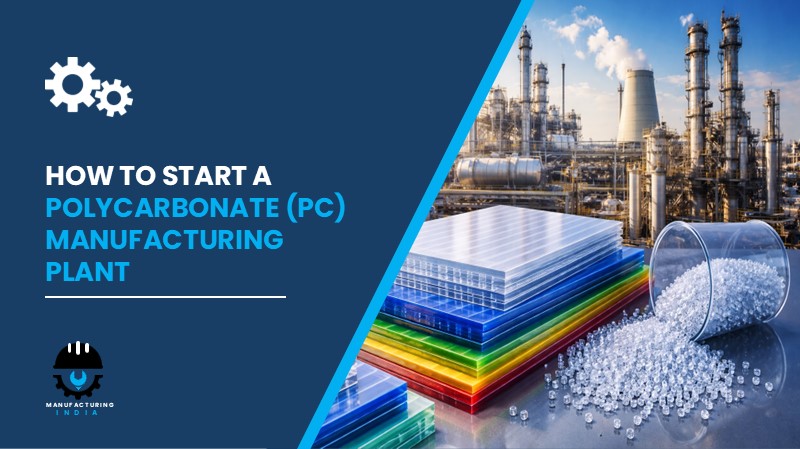
Polycarbonate (PC) is a high-performance thermoplastic polymer known for its exceptional strength, transparency, and heat resistance. It is widely used in engineering, construction, automotive, electronics, optical lenses, and packaging applications due to its durability, impact resistance, and lightweight properties. PC can be easily moulded into sheets, films, or complex components, making it highly versatile for both industrial and consumer applications.
The polymer offers excellent dimensional stability, electrical insulation properties, and chemical resistance, ensuring long-term performance even in demanding operating environments. Its compatibility with co-polymers and additives allows manufacturers to produce customised formulations for specialised applications such as transparent roofing sheets, automotive glazing, electrical housings, and reusable packaging solutions. Polycarbonate’s recyclability and ability to maintain mechanical integrity even under stress make it a preferred material in modern industrial manufacturing.
Product variants include standard-grade, flame-retardant, optical-grade, and UV-resistant grades, catering to diverse industry requirements. The primary production method is phosgene-based or non-phosgene interfacial polymerization. End-use industries served include automotive, construction, electronics and electrical, optical and medical devices, packaging, and consumer goods.
Cost of Setting Up a Polycarbonate Manufacturing Plant in India
The total cost of establishing a polycarbonate manufacturing plant in India depends on several interdependent variables: plant capacity, technology selection, geographic location, degree of automation, and the extent of regulatory compliance infrastructure required. A detailed financial plan covering both capital and operational expenditure is essential before committing to investment.
1. Capital Expenditure (CapEx)
The capital investment for a polycarbonate plant covers several major cost heads. Land and site development — including land registration charges, boundary development, and site preparation — forms a substantial portion of the initial outlay. Investors may reduce land costs by locating within a Special Economic Zone (SEZ) or a state-designated industrial estate, which also offers utility connectivity and logistical advantages. Civil works encompass the construction of the main production shed, quality control laboratory, raw material and finished goods storage, and administrative facilities.
Machinery and equipment represent the single largest component of CapEx in a polycarbonate manufacturing plant setup. Key machinery required includes:
- Reactors (for polymerization)
- Extruders
- Pelletizers
- Dryers
- Filtration systems
- Quality inspection equipment
Other capital costs include effluent treatment plant (ETP) installation, pre-operative expenses such as feasibility studies and engineering design fees, commissioning charges, and import duties where applicable for specialised equipment.
Request a Sample Report for In-Depth Market Insights: https://www.imarcgroup.com/polycarbonate-manufacturing-plant-project-report/requestsample
2. Operational Expenditure (OpEx)
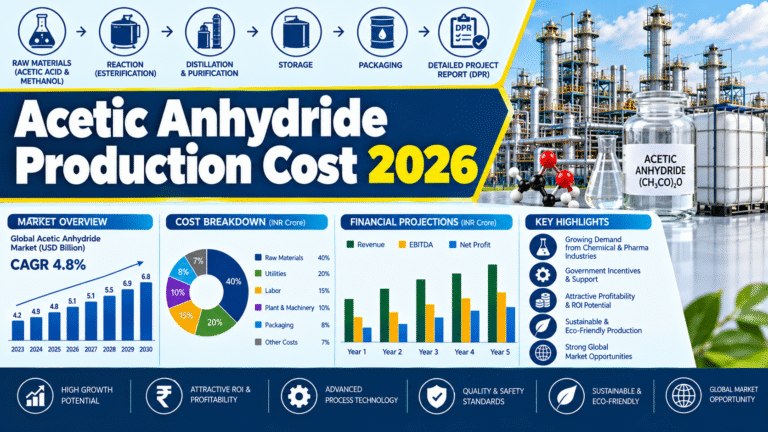
Raw material cost is the dominant driver of operational expenditure, accounting for 70–80% of total OpEx. The core raw materials required are bisphenol A (BPA), diphenyl carbonate (DPC), and catalyst. Given the weight of raw materials in the cost structure, securing long-term supplier contracts is critical to managing price volatility and ensuring production continuity. Investors should evaluate supplier proximity carefully during site selection, as BPA logistics costs can materially affect margins.
Utility costs — covering electricity, water, and steam — represent 10–15% of OpEx, reflecting the energy-intensive nature of the polymerization and extrusion processes. Remaining operational costs include transportation, packaging, salaries and wages, depreciation, taxes, and general repairs and maintenance. By the fifth year of operations, total operational cost is projected to increase substantially due to inflation, market fluctuations, potential rises in key material costs, supply chain disruptions, and shifts in global demand dynamics.
3. Plant Capacity
The proposed manufacturing facility referenced in the IMARC Group project report is designed with an annual production capacity ranging between 150,000 and 200,000 tons, enabling economies of scale while maintaining operational flexibility. Capacity can be customised based on individual investor requirements, and smaller or phased-capacity plants remain viable depending on target market segments. Profitability improves meaningfully with higher capacity utilisation, as fixed costs are spread over a larger production base, directly enhancing net margins.
4. Profit Margins and Financial Projections
The polycarbonate manufacturing plant demonstrates healthy profitability potential under normal operating conditions. Gross profit margins typically range between 25–35%, supported by stable demand and value-added applications. Net profit margins are projected in the range of 12–18%. Detailed financial projections covering NPV (net present value), IRR (internal rate of return), payback period, income projections, and expenditure forecasts are developed based on realistic assumptions related to capital investment, operating costs, production capacity utilisation, pricing trends, and demand outlook.
Why Set Up a Polycarbonate Plant in India?
Rising Industrial Demand Across Core Sectors. Automotive, construction, electronics, and packaging sectors in India are increasingly adopting polycarbonate due to its superior strength, transparency, and lightweight properties. These sectors collectively represent the primary end-use base for PC, and their continued expansion within India makes domestic production strategically essential.
Material Versatility Driving Multi-Sector Adoption. Polycarbonate can be processed into sheets, films, pellets, or moulded components, catering to multiple industrial and consumer applications simultaneously. This processing flexibility allows a single polycarbonate plant to supply diverse downstream industries, reducing customer concentration risk.
Growing Optical and Medical Applications. The demand for optical lenses, medical devices, and protective equipment is driving the need for high-quality, optical-grade polycarbonate. As India’s healthcare infrastructure and medical device manufacturing ecosystem expands, this segment represents a high-value growth avenue for domestic PC producers.
Policy and Regulatory Tailwinds. The Make in India initiative and associated government schemes provide strong policy impetus for domestic production of advanced engineering materials. Setting up a polycarbonate manufacturing unit within an SEZ or under eligible manufacturing schemes can unlock significant fiscal incentives, including capital subsidies, power tariff concessions, and export benefits.
Active Industry Investment Signalling Market Confidence. In March 2025, Haldia Petrochemicals Ltd planned a USD 1 billion investment to establish a polycarbonate plant in Bengal, leveraging spare land at its Haldia facility and its upcoming phenol and acetone plant expected by mid-2026, with partnerships being explored with global producers Covestro and SABIC. In February 2025, Deepak Advanced Materials Limited — a wholly owned subsidiary of Deepak Nitrite Limited — opened its first manufacturing facility at Manjusar, Savli GIDC, focusing on polycarbonate and engineering polymer compounds, producing high-quality polycarbonate granules with customisable grades and a wide array of colours.
Local Supply Chain Preference. Construction companies, automotive OEMs, electronics manufacturers, and packaging firms sourcing PC locally avoid import lead times and currency exposure, making a domestically established polycarbonate facility a structurally advantaged supplier in the Indian market.
Manufacturing Process – Step by Step
The polycarbonate manufacturing process uses phosgene-based or non-phosgene interfacial polymerization as the primary production method. The process is a multi-step operation involving several unit operations, material handling stages, and quality checks.
- Monomer Preparation: Bisphenol A (BPA), diphenyl carbonate (DPC), and catalyst are procured, tested, and prepared for reaction.
- Polymerization: The monomers undergo controlled polymerization in reactors under precise temperature and pressure conditions to form the polycarbonate polymer chain.
- Extrusion: The polymer melt is passed through extruders to form continuous strands of consistent diameter and composition.
- Pelletization: Extruded strands are cut into uniform pellets using pelletizers, creating the standard commercial form of polycarbonate.
- Drying: Pellets are dried in dryers to remove residual moisture, which could compromise product quality and downstream processing.
- Filtration: Filtration systems remove any contaminants or off-spec particles from the product stream.
- Quality Inspection and Testing: Comprehensive quality assurance protocols — including technical tests for impact strength, optical clarity, heat resistance, and dimensional stability — are applied at this stage.
- Packaging and Dispatch: Finished polycarbonate pellets are packaged and dispatched to end-use industries including automotive, construction, electronics, optical and medical device manufacturers, and packaging solution producers.
Key Applications
Polycarbonate serves a broad range of industries, with each application leveraging specific performance properties of the material.
- Automotive Industry: Used for headlamp lenses, interior panels, and glazing applications where durability and impact resistance are critical.
- Construction Sector: Transparent roofing, skylights, and window glazing utilise PC sheets for their lightweight and high strength.
- Electronics and Electrical Devices: Employed in housings, connectors, switches, and optical components requiring precision and flame-retardant properties.
- Packaging Solutions: Reusable bottles, food packaging, and safety containers leverage PC for its clarity, strength, and chemical resistance.
- Optical and Medical Devices: High-quality optical-grade PC is used for lenses, medical device components, and protective equipment.
- Consumer Goods: Lightweight and durable PC is increasingly adopted across consumer product categories benefiting from its formulation flexibility.
Leading Manufacturers
The global polycarbonate market is served by several multinational companies with extensive production capacities and diverse application portfolios. Key players in the industry include:
- Covestro
- SABIC
- Lotte Chem
- Teijin Industries
- Mitsubishi Engineering Plastics Corp.
- Trinseo
- Idemitsu Kosan Co. Ltd.
Timeline to Start the Plant
- Feasibility study and project report preparation
- Land acquisition and site development
- Regulatory approvals and environmental clearances
- Factory licence and fire safety compliance
- Machinery procurement and installation
- Raw material supplier agreements and supply chain setup
- Trial production and quality testing
- Commercial production launch
Licences and Regulatory Requirements
Starting a polycarbonate manufacturing unit in India requires several approvals:
- Business registration (Proprietorship, LLP, or Pvt Ltd)
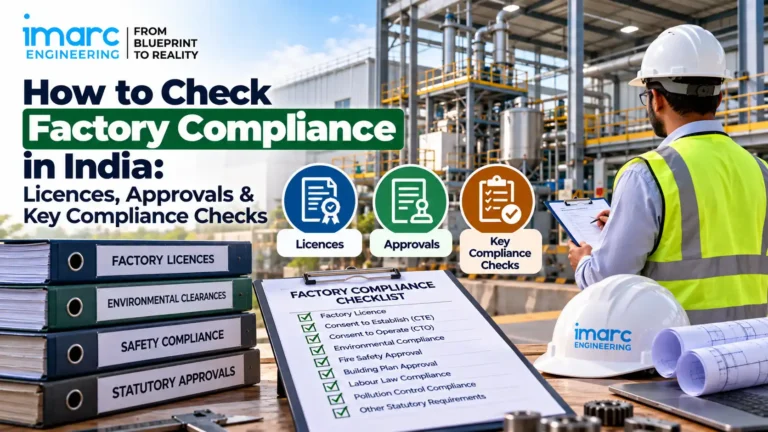
- Factory Licence under the Factories Act
- Environmental Clearance from State Pollution Control Board
- GST Registration
- Fire Safety NOC
- Hazardous/Chemical compliance (relevant given use of BPA and catalysts in the production process)
- Effluent Treatment Plant (ETP) operational clearance
- Occupational Health and Safety compliance
Key Challenges to Consider
High Capital Requirements. Establishing a polycarbonate manufacturing plant demands significant upfront investment in land, civil works, and specialised equipment including reactors, extruders, pelletizers, and quality inspection systems. Securing structured project financing early in the planning phase is essential.
Raw Material Price Volatility. Bisphenol A (BPA), diphenyl carbonate (DPC), and catalyst — which together account for 70–80% of total OpEx — are subject to global commodity price fluctuations. Long-term supplier contracts and supplier diversification strategies are critical risk mitigation tools.
Regulatory Compliance. Polycarbonate production involves chemical processes and hazardous materials, requiring robust environmental clearance, ETP operations, and ongoing occupational health and safety compliance. Regulatory timelines can extend project launch schedules if not planned for early.
Technology and Innovation Pressure. The development of specialty grades — including UV-resistant, flame-retardant, and optical-quality polycarbonate — requires continuous investment in process technology and quality assurance systems to remain competitive in premium application segments.
Competition from Global Players. Established international producers such as Covestro, SABIC, Teijin Industries, Lotte Chem, Mitsubishi Engineering Plastics Corp., Trinseo, and Idemitsu Kosan Co. Ltd. hold significant global production scale advantages. Domestic producers must differentiate on service, lead times, and grade customisation.
Skilled Manpower. Operating reactors, extruders, and quality inspection equipment at a polycarbonate facility requires trained chemical engineers, process technicians, and quality control specialists — a talent profile that requires deliberate recruitment and retention strategies.
Frequently Asked Questions
1. How much does it cost to set up a polycarbonate manufacturing plant in India?
The total cost depends on plant capacity, technology, location, automation level, and regulatory compliance requirements. The IMARC Group project report provides a detailed CapEx breakdown covering land, civil works, machinery, and other capital costs for a facility with an annual capacity of 150,000–200,000 tons.
2. Is polycarbonate manufacturing profitable in India in 2026?
Yes. The polycarbonate manufacturing plant demonstrates gross profit margins of 25–35% and net profit margins of 12–18% under normal operating conditions, supported by stable demand across automotive, construction, electronics, and packaging sectors.
3. What machinery is required for a polycarbonate plant in India?
Key machinery includes reactors, extruders, pelletizers, dryers, filtration systems, and quality inspection equipment.
4. What licences and approvals are required to start a polycarbonate plant in India?
Required approvals include business registration, Factory Licence, Environmental Clearance, GST Registration, Fire Safety NOC, chemical/hazardous materials compliance, ETP operational clearance, and Occupational Health and Safety compliance.
5. What raw materials are needed for polycarbonate manufacturing?
The primary raw materials are bisphenol A (BPA), diphenyl carbonate (DPC), and catalyst, with BPA alone accounting for approximately 70–80% of total operating expenses.
6. What are the environmental compliance requirements for a polycarbonate plant in India?
An effluent treatment plant (ETP) is mandatory. Environmental clearance from the State Pollution Control Board is required, along with advanced monitoring systems to detect leaks or process deviations and compliance with applicable emission standards.
7. What is the best location to set up a polycarbonate plant in India?
Sites with proximity to BPA, DPC, and catalyst suppliers, access to reliable transportation and utilities, and availability within petrochemical industrial estates or SEZs in states such as Gujarat or Maharashtra are strategically advantageous. Bengal is also emerging as a hub following the Haldia Petrochemicals USD 1 billion investment announcement in March 2025.
8. What is the break-even period for this type of plant in India?
The payback period is covered in detail within the IMARC Group financial analysis, which includes NPV, IRR, and profitability projections. Break-even timelines vary by plant capacity, utilisation rate, and prevailing raw material prices.
9. What government incentives are available for manufacturers in India?
Manufacturers may access capital subsidies, power tariff concessions, and export incentives under the Make in India initiative, SEZ frameworks, and state-level industrial promotion schemes. Eligibility depends on plant location, investment size, and employment generation.
Key Takeaways for Investors
A polycarbonate manufacturing plant in India represents a high-conviction investment opportunity, underpinned by sustained demand from automotive glazing, construction roofing, electronics housings, packaging, and optical and medical device sectors. The facility demonstrates strong financial viability across plant capacities, with gross margins of 25–35% and net margins of 12–18% offering clear paths to profitability at scale. The global polycarbonate market, valued at USD 11.80 billion in 2025, is projected to reach USD 18.00 billion by 2034, growing at a CAGR of 4.6%, confirming durable long-term demand. With major Indian industry players — including Haldia Petrochemicals and Deepak Advanced Materials — actively commissioning polycarbonate production capacity in 2025, the structural case for domestic investment in this material is well established and accelerating.
About the Author