Setting up a camelina oil manufacturing plant in India presents a compelling investment case, driven by surging demand across food and beverages, cosmetics, nutraceuticals, biofuels, and industrial lubricants. Camelina oil, derived from the seeds of the Camelina sativa plant, is distinguished by its high omega-3 and omega-6 fatty acid content, antioxidant properties, and cardiovascular health benefits qualities that are reshaping India’s edible oil landscape and wellness product industry. As consumers and manufacturers alike pivot toward plant-based, health-forward alternatives, camelina oil has emerged as a strategically important ingredient across multiple high-growth sectors.
India’s structural advantages further strengthen the investment thesis for this facility. The country’s rapidly expanding food processing and personal care industries, supported by the Government of India’s Make in India initiative and targeted incentives for sustainable agriculture, create a hospitable environment for new specialty oil production. Industrial states such as Gujarat, Maharashtra, and Rajasthan each offering strong agri-supply chains, reliable logistics infrastructure, and established chemical processing clusters are particularly suited for a camelina oil processing unit. With a cost-competitive workforce, accessible raw material networks, and growing domestic appetite for functional oils, India is strategically sound for this production.
The global camelina oil market was valued at USD 886.29 million in 2025 and is projected to reach USD 1,472.13 million by 2034 at a CAGR of 5.8%. For investors targeting India’s expanding food, cosmetics, and biofuel sectors, this unit offers gross margins of 40-55% and net margins of 20-30%, with policy support through sustainable agriculture and renewable energy programmes providing additional tailwinds for long-term viability.
What is Camelina Oil?
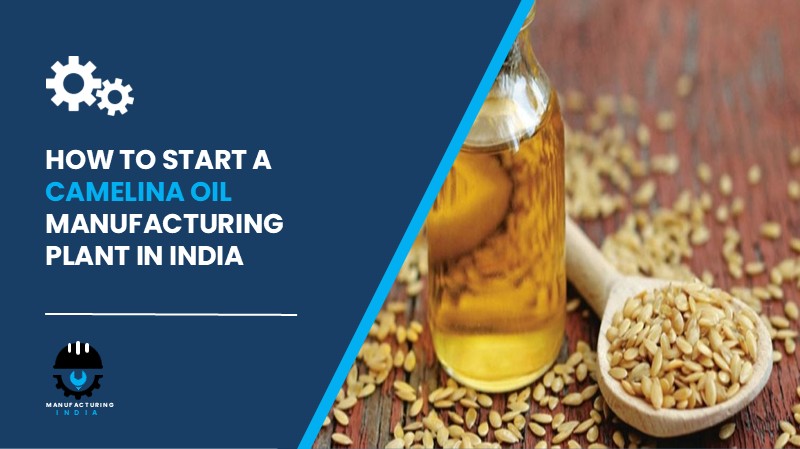
Camelina oil is a plant-based oil derived from the seeds of the Camelina sativa plant, also known as false flax. The oil is rich in essential fatty acids, particularly omega-3 and omega-6, and is recognised for its health benefits including improving cardiovascular health and reducing inflammation. It also contains antioxidants that help protect the body from oxidative stress. Due to its high smoke point and inherent stability, the oil performs reliably both in cooking applications and in personal care formulations for skin and hair. Increasingly, it is also attracting attention as a sustainable biofuel source, owing to its low environmental impact and its ability to thrive in diverse growing conditions, including marginal agricultural lands.
The primary production method is cold pressing, followed by refining and packaging a process that preserves the oil’s nutritional profile while ensuring commercial-grade purity and shelf stability. The end-use industries served by a camelina oil processing unit include food and beverages, cosmetics, biofuels, nutraceuticals, and industrial lubricants.
Cost of Setting Up a Camelina Oil Manufacturing Plant in India
The total cost of establishing a camelina oil manufacturing plant in India depends on several interdependent variables: plant capacity, technology selection, geographic location, level of automation, and the extent of regulatory compliance infrastructure required.
1. Capital Expenditure (CapEx)
The single largest component of capital expenditure is machinery, which accounts for most of the initial outlay. Land and site development covering land registration fees, boundary development, and infrastructure preparation also constitute a substantial share of total CapEx. Investors may reduce land costs by positioning the unit within a Special Economic Zone (SEZ) or a designated industrial estate, which often come with pre-approved utilities and relaxed regulatory timelines.
Civil construction costs cover the main production shed, quality control laboratory, raw material storage warehouses, finished goods storage, and the administrative block. These must be designed with sufficient headroom for future capacity expansion.
Key machinery required includes:
- Seed cleaners
- Flaking mills
- Pre-press expellers
- Solvent extractors
- Filtration units
- Degumming systems
- Bleaching columns
- Deodorizers
- Nitrogen-sparged bottling lines
Other capital costs include the Effluent Treatment Plant (ETP), pre-operative and trial-run expenses, commissioning costs, and applicable import duties on specialised processing equipment.
Access the Detailed Feasibility Analysis: https://www.imarcgroup.com/camelina-oil-processing-plant-project-report/requestsample
2. Operational Expenditure (OpEx)
Raw material cost is the dominant operating expenditure, accounting for approximately 60-70% of total OpEx. The primary input is camelina seeds, and investors should negotiate long-term supply contracts with regional agri-producers to mitigate price volatility and ensure a consistent inflow. Utility costs covering electricity, water, and steam represent approximately 15% of OpEx. Additional operating costs include transportation, packaging, salaries and wages, routine maintenance, depreciation, and applicable taxes. By the fifth year of operations, total OpEx is projected to increase substantially due to inflation, market fluctuations, and potential rises in the cost of key materials such as camelina seeds, driven in part by supply chain pressures and rising consumer demand for plant-based oils.
3. Plant Capacity
The proposed processing facility is designed with an annual throughput capacity of approximately 2,000 MT of seeds, a scale that enables meaningful economies of scale while retaining operational flexibility. Capacity parameters can be customised to match investor requirements smaller pilot-scale units or larger continuous-processing configurations are both viable depending on the target market. Profitability improves measurably with higher capacity utilisation, as fixed costs are amortised across a greater production volume.
4. Profit Margins and Financial Projections
The facility demonstrates strong profitability potential under normal operating conditions. Gross profit margins are expected to range between 40-55%, and net profit margins between 20-30%, supported by stable demand and the premium positioning of value-added oil applications. A comprehensive financial model covering NPV, IRR, payback period, gross margin, net margin, and sensitivity analysis is detailed in the project report. Financial projections are built on realistic assumptions relating to capital investment, operating costs, production capacity utilisation, pricing trends, and demand outlook.
Why Set Up a Camelina Oil Plant in India?
Health-Driven Food Demand. Camelina oil’s omega-3 content, antioxidant profile, and cardiovascular benefits are making it an increasingly preferred ingredient in India’s functional food and nutraceutical sectors. As Indian consumers pivot toward health-conscious eating habits, specialty plant-based oils command premium pricing and growing retail shelf presence.
Renewable Energy and Biofuel Opportunity. With rising demand for renewable energy sources globally and in India, camelina oil is emerging as a promising feedstock for biodiesel and aviation fuel production. Its low environmental impact and suitability for cultivation on marginal lands give it a clear edge over conventional biofuel crops.
Surging Demand in Cosmetics and Personal Care. Indian cosmetics manufacturers are rapidly reformulating skin and hair care products with botanical oil ingredients. Camelina oil’s moisturising properties and stability make it a highly sought-after ingredient in skin oils, hair products, and moisturisers a sector growing steadily across India’s tier-1 and tier-2 cities.
Policy and Regulatory Tailwinds. Government incentives for sustainable agriculture and biofuel production in India are expected to further drive market demand. The focus on promoting renewable energy and sustainable farming practices offers a favourable regulatory environment for investors establishing a camelina oil processing unit.
Active Global Industry Investment. In March 2025, Louis Dreyfus Company and Global Clean Energy Holdings Inc. renewed their collaboration for an additional 10 years to promote the cultivation of Camelina sativa in South America as an intermediate crop, following a successful two-year pilot programme. In February 2024, Saipol launched the oilseed intercrop market in France by offering an attractive price for intercropped camelina seeds to support the growing use of oilseed intercrops for sustainable aviation fuels. These developments signal strong global capital commitment to the camelina value chain.
Local Supply Chain Preference. India’s food processing, personal care, and industrial lubricants sectors increasingly prefer locally sourced specialty oils to reduce import dependency, lower input costs, and shorten procurement lead times all of which benefit a domestically located camelina oil manufacturing plant.
Manufacturing Process – Step by Step
The camelina oil manufacturing process uses cold pressing, refining, and packaging as the primary production method. This multi-step operation involves several unit operations, material handling stages, and quality checkpoints.
- Seed Cleaning: Raw camelina seeds are passed through seed cleaners to remove dust, debris, and foreign material, ensuring feedstock purity before processing.
- Flaking: Cleaned seeds are fed into flaking mills, which compress the seeds into thin flakes to rupture cell walls and increase surface area, improving oil yield in subsequent stages.
- Pre-Press Expelling: Flaked seeds are subjected to pre-press expellers that mechanically extract the bulk of the available oil using pressure, producing crude oil and an oil-bearing cake.
- Solvent Extraction: The residual oil cake is processed through solvent extractors to recover the remaining oil, maximising yield from each batch of raw material.
- Filtration: Extracted crude oil passes through filtration units to remove solid particles, waxes, and impurities, producing a cleaner intermediate product.
- Degumming: Crude oil is treated in degumming systems to remove phospholipids and gum-forming compounds, which improves refining efficiency and oil clarity.
- Bleaching: The degummed oil passes through bleaching columns where adsorbents remove pigments, residual metals, and oxidation products.
- Deodorisation: Treated oil is subjected to deodorizers using steam distillation to remove volatile off-flavours and odours, producing refined, consumer-ready oil.
- Bottling and Dispatch: Refined oil is filled under a nitrogen-sparged bottling line to minimise oxidation, then packaged and dispatched to end-use industries including food and beverages, cosmetics, biofuels, nutraceuticals, and industrial lubricants.
Key Applications
The camelina oil processing unit serves a diverse range of industries, each requiring consistent quality, specific fatty acid profiles, and food-grade or industrial-grade purity standards.
- Food Industry: Used in cooking oil, salad dressings, and nutritional supplements.
- Biofuel Production: Applied as a feedstock for biodiesel, aviation fuel, and renewable energy production.
- Cosmetics and Personal Care: Incorporated into skin oils, hair products, and moisturisers.
- Industrial Use: Deployed in lubricants, biopolymers, and chemical intermediates.
Leading Manufacturers
The global camelina oil market is served by a range of specialised processors and agri-industrial companies that maintain significant production capacity across multiple application segments. Key players in the global camelina oil industry include:
- Cameron Seeds LLC
- Colorado Mills
- Camelina Company
- Ebro Foods S.A.
- Montana Camelina
Timeline to Start the Plant
- Feasibility study and project report preparation
- Land acquisition and site development
- Regulatory approvals and environmental clearances
- Factory licence and fire safety compliance
- Machinery procurement and installation
- Raw material supplier agreements and supply chain setup
- Trial production and quality testing
- Commercial production launch
Licences and Regulatory Requirements
Starting a camelina oil manufacturing unit in India requires several approvals:
- Business registration (Proprietorship, LLP, or Pvt Ltd)
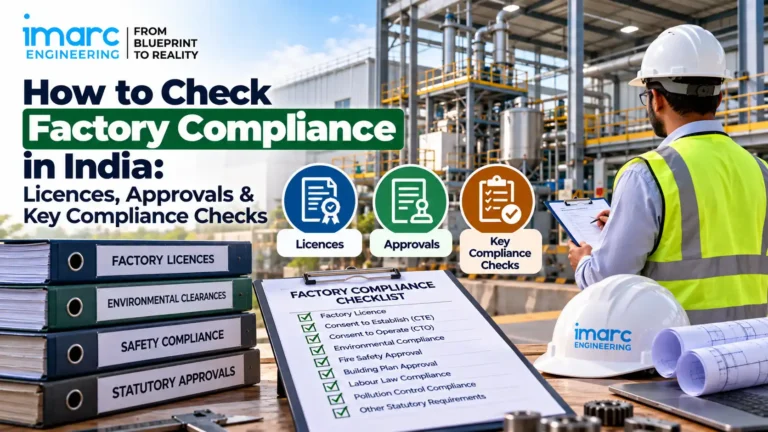
- Factory Licence under the Factories Act
- Environmental Clearance from State Pollution Control Board
- GST Registration
- Fire Safety NOC
- Hazardous/Chemical compliance (applicable for solvent extraction operations)
- Effluent Treatment Plant (ETP) operational clearance
- Occupational Health and Safety compliance
Key Challenges to Consider
High Capital Requirements. Establishing a camelina oil processing unit involves significant upfront investment in specialised machinery including solvent extractors, bleaching columns, and deodorizers alongside land, civil works, and ETP infrastructure.
Raw Material Price Volatility. Camelina seeds, which account for 60-70% of total operating expenditure, are subject to price fluctuations driven by agricultural yield variability, seasonal supply changes, and global demand for sustainable oil crops. Long-term supply contracts are essential to manage this exposure.
Regulatory Compliance. Operators must navigate environmental clearances, solvent extraction safety norms, ETP regulations, and food-grade quality certifications each requiring dedicated compliance infrastructure and ongoing monitoring.
Technology and Innovation Pressure. The camelina oil sector is experiencing rapid advancement in extraction efficiency and sustainable processing techniques, requiring plant operators to remain current on machinery upgrades and process optimisation to stay competitive.
Competition from Established Players. Companies such as Ebro Foods S.A., Colorado Mills, and Montana Camelina operate at scale globally, and new entrants must differentiate through cost efficiency, product quality, or niche application targeting to compete effectively.
Skilled Manpower. Operating solvent extraction and refining equipment requires trained chemical engineers and process technicians a talent segment that may require targeted recruitment or investment in on-site training programmes.
Frequently Asked Questions
1. How much does it cost to set up a camelina oil manufacturing plant in India? The total project cost depends on plant capacity, location, technology level, and automation. Capital expenditure encompasses land and site development, civil construction, and machinery costs including seed cleaners, pre-press expellers, solvent extractors, and bottling lines.
2. Is camelina oil manufacturing profitable in India in 2026? Yes. The camelina oil processing plant demonstrates gross profit margins of 40-55% and net profit margins of 20-30% under normal operating conditions, supported by growing domestic and export demand across food, cosmetics, and biofuel sectors.
3. What machinery is required for a camelina oil plant in India? Essential equipment includes seed cleaners, flaking mills, pre-press expellers, solvent extractors, filtration units, degumming systems, bleaching columns, deodorizers, and nitrogen-sparged bottling lines.
4. What licences and approvals are required to start a camelina oil plant in India? Key requirements include business registration, a Factory Licence, Environmental Clearance, GST Registration, Fire Safety NOC, hazardous/chemical compliance (for solvent use), ETP clearance, and Occupational Health and Safety compliance.
5. What raw materials are needed for camelina oil manufacturing? The primary raw material is camelina seeds (Camelina sativa), which account for 60–70% of total operating costs.
6. What are the environmental compliance requirements for a camelina oil plant in India? Operators must obtain Environmental Clearance from the State Pollution Control Board, install and operate an Effluent Treatment Plant, and comply with solvent emission standards and waste management regulations.
7. What is the best location to set up a camelina oil plant in India? Ideal sites offer proximity to camelina seed supply chains, reliable transport infrastructure, utility availability, and compliance with local zoning regulations. Industrial estates in Gujarat, Maharashtra, and Rajasthan are well-suited for this type of plant.
8. What is the break-even period for this type of plant in India? The break-even period is determined through a detailed financial analysis covering NPV, IRR, payback period, and sensitivity analysis all covered in the project feasibility report.
9. What government incentives are available for manufacturers in India? Investors can access incentives under the Make in India initiative, sustainable agriculture promotion schemes, renewable energy and biofuel support programmes, and state-level industrial policy benefits including capital subsidies and tax holidays in notified zones.
Key Takeaways for Investors
A camelina oil manufacturing plant in India represents a well-rounded investment opportunity at the intersection of India’s growing food processing, personal care, nutraceutical, and renewable energy sectors all of which are active demand drivers for the product. The facility demonstrates strong financial viability across plant capacities, with gross margins of 40-55% and net margins of 20-30%, making it attractive at both pilot and commercial scale. The global camelina oil market, valued at USD 886.29 million in 2025, is on a growth trajectory toward USD 1,472.13 million by 2034 at a CAGR of 5.8%, underpinned by the mainstream adoption of plant-based products and sustainable biofuels. With continued global investment in camelina cultivation and processing infrastructure as evidenced by the 2025 Louis Dreyfus–Global Clean Energy Holdings renewal and the 2024 Saipol intercrop initiative demand sustainability for this facility is well-supported for the foreseeable future.
About the Author