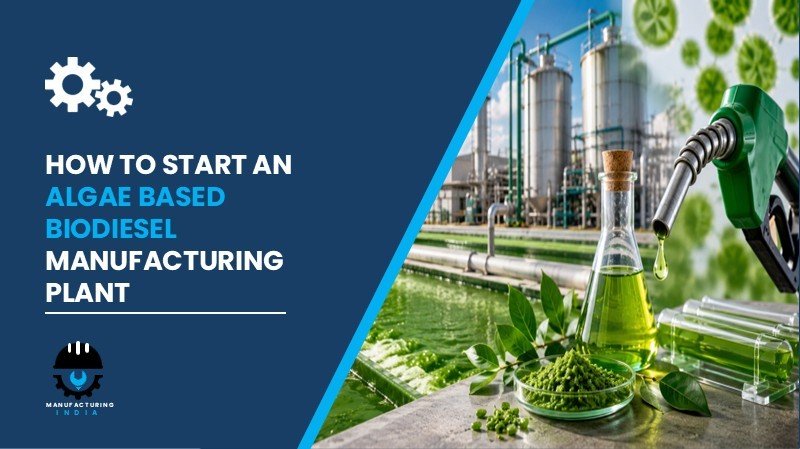
An algae based biodiesel manufacturing plant setup in India presents a compelling investment case for entrepreneurs eyeing the clean fuels space. Demand is driven by road transportation, freight, mining, construction, agriculture, marine transportation, and industrial diesel applications, all needing fuels with a lower carbon footprint. This product is critical to India’s energy transition, offering a non-food feedstock route to diesel replacement that reduces pressure on conventional oilseed crops.
India’s push toward urbanisation, expanding freight and construction activity, and the Make in India initiative make the country a strategically sound base for this type of facility, with growing fleets of trucks, buses, and construction and agricultural equipment creating sustained downstream demand.
This venture offers a cost-competitive entry into renewable fuels, backed by strong demand from transportation, mining, construction, and agriculture. With gross margins of 14-22% and scalable capacity, it presents a financially viable, break-even-ready opportunity for India’s clean-fuel transition.
What is Algae Based Biodiesel?
This product is a renewable diesel fuel produced from oils or lipids obtained from microalgae or other suitable algae biomass. Algae are cultivated in open ponds or closed photobioreactors using sunlight, water, nutrients, and carbon dioxide. After harvesting, the biomass is concentrated and processed to recover its lipid fraction, which is then converted into biodiesel through transesterification. The resulting fuel contains fatty-acid alkyl esters and can be blended with conventional diesel per applicable specifications.
Its core strength lies in a non-food feedstock character, since algae can produce oil without depending solely on food crops, and cultivation can potentially pair with carbon dioxide and select industrial or wastewater streams. The process centres on cultivation, harvesting, dewatering, lipid extraction, transesterification, purification, drying, and quality testing, serving transportation, mining, construction, agriculture, marine, and industrial diesel applications.
Cost of Setting Up an Algae Based Biodiesel Manufacturing Plant in India
Overall cost depends on capacity, technology, location, automation level, and regulatory compliance.
1. Capital Expenditure (CapEx)
Land and site development form a foundational cost component, with options ranging from dedicated industrial estates to SEZ locations offering infrastructure and compliance advantages. Civil works cover the production shed, quality-control laboratory, storage areas, and the administrative block.
Machinery represents the largest share of capital expenditure for an algae based biodiesel manufacturing plant. Key machinery required includes:
- Algae cultivation ponds or photobioreactors
- Nutrient dosing systems
- CO₂ delivery systems
- Pumps and harvesting units
- Centrifuges and filtration systems
- Dewatering equipment and biomass dryers
- Cell-disruption equipment
- Solvent or mechanical oil-extraction units
- Oil separation tanks and reactors
- Methanol storage tanks and catalyst dosing systems
- Transesterification reactors and settling tanks
- Methanol recovery units and washing systems
- Vacuum dryers and biodiesel polishing filters
- Storage tanks, transfer pumps, and filling equipment
- Quality-control equipment: viscosity meters, density meters, moisture analyzers, acid-value testing equipment, flash-point testing equipment, gas chromatographs, and biodiesel quality-testing systems
Other capital costs include effluent treatment infrastructure, pre-operative expenses, and commissioning costs for the unit.
Request a Sample Report for In-Depth Market Insights: https://www.imarcgroup.com/algae-based-biodiesel-manufacturing-plant-project-report/requestsample
2. Operational Expenditure (OpEx)
Raw material cost is the single largest driver of operating expenditure for an algae based biodiesel manufacturing plant, accounting for approximately 45-58% of total OpEx. Key raw materials include microalgae biomass (Chlorella, Nannochloropsis, or Aurantiochytrium), hexane or supercritical CO₂, methanol, sodium hydroxide or potassium hydroxide, water, and cultivation nutrients. Long-term supplier contracts help stabilize pricing and ensure a consistent feedstock supply.
Utility costs, covering electricity, water, and steam, account for approximately 28-38% of OpEx and form the second-largest expense category. Other operating costs include transportation, packaging, salaries, maintenance, depreciation, and taxes. By the fifth year, total operational cost is expected to rise substantially due to inflation, market fluctuations, and rising raw material costs.
3. Plant Capacity
The proposed algae based biodiesel manufacturing plant is designed around an annual capacity ranging between 10,000 and 30,000 KL, capturing economies of scale while retaining flexibility. Capacity can be customized to investor needs, and profitability generally improves with higher utilisation.
4. Profit Margins and Financial Projections
Financial projections are built around capital investment, operating costs, capacity utilisation, pricing trends, and demand outlook, and include NPV, IRR, and payback period analysis. Gross profit margins typically range between 14-22%, while net profit margins range between 3-8%, reflecting healthy potential supported by stable demand.
Why Set Up an Algae Based Biodiesel Plant in India?
Non-Food Feedstock Advantage: Algae can provide an alternative biomass resource that does not depend exclusively on conventional food-oil crops, opening a scalable feedstock pathway.
Rising Transportation and Industrial Demand: Freight, logistics, construction, mining, and other heavy-duty sectors continue to require liquid fuels, supporting long-term offtake for the facility.
Cost-Competitive Manufacturing: Access to land, labour, and an established chemicals and process-engineering supply chain gives India a cost advantage for setting up and operating the unit.
Active Industry Investment: In July 2025, BRK Technology announced a breakthrough in algae-based biofuel development, converting algae into a drop-in diesel replacement capable of cutting lifecycle carbon emissions by up to 80%, developed for construction, mining, freight, and logistics use with pilot trials across multiple vehicle types ahead of larger-scale field deployment.
Growing Global Renewable Fuel Market: The U.S. Energy Information Administration forecasts U.S. biodiesel production will rise 41% in 2026 versus 2025, while renewable diesel production is projected to grow 24%, signalling an expanding market for advanced feedstocks such as algae.
Regional Demand Leadership: Asia-Pacific holds the largest share of the global market, at about 37.5% of the total, positioning India within the region best placed to capture rising demand.
Algae Based Biodiesel Manufacturing Process – Step by Step
This algae based biodiesel manufacturing process uses cultivation, extraction, and transesterification as the primary production stages.
- Cultivation: Algae are grown in open ponds or photobioreactors using sunlight, water, nutrients, and carbon dioxide via nutrient dosing and CO₂ delivery systems.
- Harvesting: Biomass is collected using dedicated harvesting units and pumps.
- Dewatering and Concentration: Centrifuges, filtration systems, dewatering equipment, and biomass dryers concentrate the biomass.
- Cell Disruption: Cell-disruption equipment breaks down algae cell walls to release lipids.
- Lipid Extraction: Solvent or mechanical oil-extraction units and oil separation tanks recover the lipid fraction.
- Oil Purification: Extracted oil is purified within reactors for conversion.
- Transesterification: Purified oil reacts with methanol and a catalyst in transesterification reactors, supported by methanol storage tanks and catalyst dosing systems.
- Separation and Washing: Settling tanks, centrifuges, methanol recovery units, and washing systems separate the fuel from by-products.
- Purification and Drying: Vacuum dryers and polishing filters refine the fuel to specification.
- Quality Testing: Viscosity meters, density meters, moisture analyzers, acid-value and flash-point testing equipment, and gas chromatographs verify quality.
- Storage and Dispatch: Finished fuel is stored and moved via transfer pumps and filling equipment for dispatch to end users.
Key Applications
This fuel serves a wide range of diesel-powered industries across transportation and heavy-duty sectors.
- Road Transportation: Renewable or blended fuel for compatible diesel-powered vehicles.
- Logistics and Freight: Helps commercial vehicle and truck fleets run on lower-carbon fuel.
- Mining: Applicable to diesel-powered mining machinery and heavy equipment.
- Construction: Suited to machinery, generators, loaders, and excavators meeting fuel specifications.
- Agricultural Machinery: Usable in tractors, harvesters, pumps, and other diesel equipment.
- Marine Transportation: Considered for selected marine engines subject to requirements.
- Industrial Equipment: Applicable in compatible diesel generators and stationary equipment.
Leading Manufacturers
Leading producers in this global industry operate with extensive capacities and diverse application portfolios, including:
- Algenol Biotech
- Culture BioSystems
- Genifuel Corporation
Timeline to Start the Plant
- Feasibility study and project report preparation
- Land acquisition and site development
- Regulatory approvals and environmental clearances
- Factory licence and fire safety compliance
- Machinery procurement and installation
- Raw material supplier agreements and supply chain setup
- Trial production and quality testing
- Commercial production launch
Licences and Regulatory Requirements
Starting this manufacturing unit in India requires several approvals:
- Business registration (Proprietorship, LLP, or Pvt Ltd)
- Factory Licence under the Factories Act
- Environmental Clearance from State Pollution Control Board
- GST Registration
- Fire Safety NOC
- Hazardous/Chemical compliance for methanol, hexane, and caustic handling
- Effluent Treatment Plant (ETP) operational clearance
- Occupational Health and Safety compliance
Key Challenges to Consider
High Capital Requirements: Machinery for cultivation, extraction, and transesterification accounts for the largest share of capital expenditure for an algae based biodiesel manufacturing plant, a significant barrier to entry.
Raw Material Price Volatility: Costs of methanol, hexane or supercritical CO₂, sodium hydroxide or potassium hydroxide, and cultivation nutrients can fluctuate, affecting operating expenditure.
Regulatory Compliance: Environmental clearances, effluent treatment obligations, and chemical-handling compliance require sustained attention.
Technology Pressure: Ongoing improvements in cultivation, harvesting, and lipid recovery technologies mean operators must invest continually to remain competitive.
Competition: Companies such as Algenol Biotech, Culture BioSystems, and Genifuel Corporation, along with entrants such as BRK Technology, are developing competing algae-to-fuel technologies.
Skilled Manpower: Operating advanced cultivation and conversion equipment requires trained technical staff.
Frequently Asked Questions
1. How much does it cost to set up an algae based biodiesel manufacturing plant in India?
Cost depends on capacity, technology, land and site development, civil works, and machinery, with machinery forming the largest share of capital expenditure.
2. Is algae based biodiesel manufacturing profitable in India in 2026?
Healthy profitability potential exists, with gross margins of 14-22% and net margins of 3-8% under normal operating conditions.
3. What machinery is required for an algae based biodiesel plant in India?
Key machinery includes cultivation ponds or photobioreactors, harvesting and dewatering equipment, extraction units, transesterification reactors, and quality-testing instruments.
4. What licences and approvals are required to start an algae based biodiesel plant in India?
Requirements include business registration, a Factory Licence, Environmental Clearance, GST Registration, Fire Safety NOC, chemical compliance, and ETP clearance.
5. What raw materials are needed for algae based biodiesel manufacturing?
Core raw materials are microalgae biomass, hexane or supercritical CO₂, methanol, sodium hydroxide or potassium hydroxide, water, and cultivation nutrients.
6. What are the environmental compliance requirements for an algae based biodiesel plant in India?
Plants require State Pollution Control Board clearance, an operational Effluent Treatment Plant, and adherence to hazardous chemical and emission standards.
7. What is the best location to set up an algae based biodiesel plant in India?
Locations should offer easy raw material access, proximity to target markets, robust infrastructure, and compliance with zoning and environmental rules.
8. What is the break-even period for this type of plant in India?
Break-even period is determined through payback period analysis within the plant’s financial projections, factoring capacity utilisation and margins.
9. What government incentives are available for manufacturers in India?
The source report does not specify India-specific incentive figures; investors should evaluate applicable central and state schemes separately.
Key Takeaways for Investors
An algae based biodiesel manufacturing plant taps into sustained demand from road transportation, freight, mining, construction, agriculture, marine, and industrial diesel applications. It shows financial viability across a designed capacity range of 10,000-30,000 KL annually, with gross margins of 14-22% and net margins of 3-8% supporting a sound investment case. With Asia-Pacific already holding about 37.5% of the global market and U.S. biodiesel production forecast to grow 41% in 2026, the broader renewable diesel opportunity continues to expand, positioning this production capacity for sustained, long-term demand.
About the Author