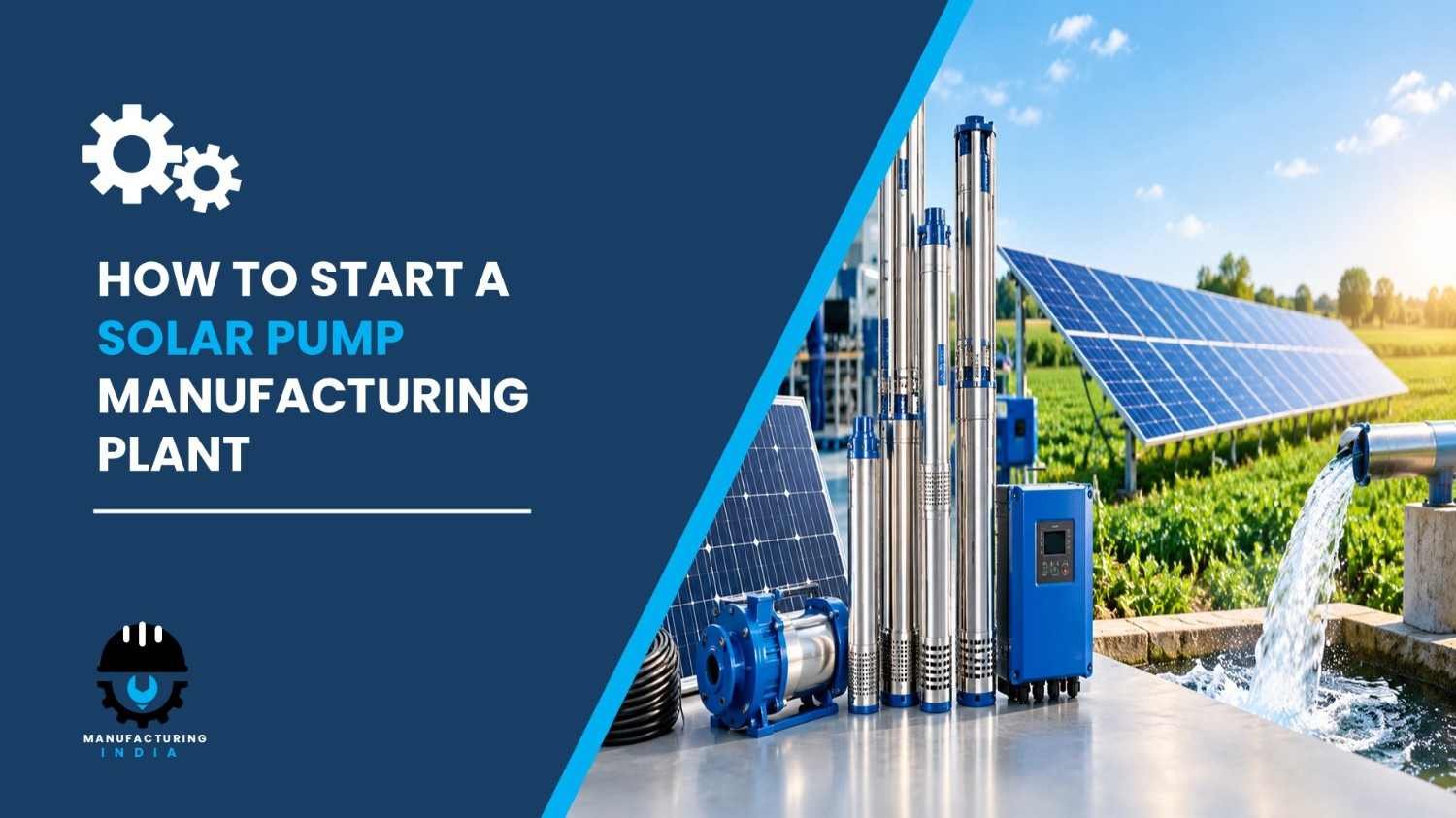
A solar pump manufacturing plant setup in India presents a compelling investment case. Demand is driven by the rising adoption of renewable energy solutions, increasing irrigation and agricultural mechanization, government subsidies on solar-powered irrigation systems, and growing environmental awareness. Solar pumps run on electricity generated by photovoltaic (PV) panels, so they supply water for irrigation, livestock, municipal distribution and groundwater control without depending on conventional grid power. That makes them critical to farm productivity and rural water access.
India offers a sound base for this production. Subsidy-backed irrigation programmes such as PM-KUSUM, the Make in India initiative and a steady push towards sustainable energy keep adoption moving among farmers, government organizations and rural communities.
Global solar pump market size was USD 3.00 Billion in 2025 and is expected to reach USD 5.51 Billion by 2034 at a CAGR of 7.0%. Government subsidies, a modular and scalable production model, and demand from agriculture, rural water supply, industry and households support the case. Gross margins of 30-40% and net margins of 15-22% make break-even viability a realistic planning goal at 10,000-50,000 units a year.
What is a Solar Pump?
A solar pump is a water pump that runs on electricity generated by solar energy systems through photovoltaic panels. It works as an irrigation and livestock drinking system and also supports municipal water distribution and groundwater control. Three equipment types are covered: surface, submersible and hybrid systems that operate on solar power and electrical energy.
Solar pumps are energy-efficient, need minimal maintenance, operate for extended periods and lower carbon emissions. They come in different flow rate and capacity options, and their modular design lets users connect them with automated irrigation systems and modern water management solutions. The production process runs through raw material sourcing, motor and pump assembly, photovoltaic panel integration, quality inspection, testing, packaging and dispatch. The pumps serve the agriculture and irrigation sector, rural water supply, industrial water management and residential water pumping.
Cost of Setting Up a Solar Pump Manufacturing Plant in India
The cost depends on capacity, technology, location, level of automation and regulatory compliance. IMARC Group’s report structures it as capital expenditure and operating expenditure, with both explained below.
1. Capital Expenditure (CapEx)
At a solar pump manufacturing plant, machinery costs account for the largest portion of the total capital expenditure. Land and site development forms a substantial part of the overall investment, including land registration, boundary development and related charges. The site should offer easy access to solar panels, motors, controllers, pumps and mounting structures, proximity to target markets, robust transport and utility infrastructure, and compliance with local zoning and environmental rules.
Civil works should provide separate areas for raw material storage, production, quality control and finished goods storage, with space left for future expansion. Other capital costs include effluent treatment systems and safety and monitoring systems.
Key machinery required includes:
- Motor testing benches
- Pump assembly jigs
- Solar panel mounting stations
- Electrical testing systems
- Packaging machines
Request a Sample Report for In-Depth Market Insights: https://www.imarcgroup.com/solar-pump-manufacturing-plant-project-report/requestsample
2. Operational Expenditure (OpEx)
Raw material cost is the dominant item, at 65-75% of OpEx. The inputs are solar panels, motors, controllers, pumps and mounting structures, and solar panels account for most of that spend. Long-term contracts with reliable, nearby suppliers help stabilise pricing and reduce transportation costs. Utility cost covers electricity, water and steam and makes up 5-10% of OpEx.
Other operating costs include transportation, packaging, salaries and wages, depreciation, taxes, repairs and maintenance, and quality control. By the fifth year, total operating cost is expected to increase substantially because of inflation, market fluctuations, possible rises in key material costs, supply chain disruptions, rising consumer demand and shifts in the global economy.
3. Plant Capacity
The proposed facility is designed for an annual production capacity of 10,000-50,000 units, which allows economies of scale while keeping operations flexible. Capacity can be customised to the investor’s requirements. As with any manufacturing unit, profitability improves as capacity utilisation rises.
4. Profit Margins and Financial Projections
Under normal operating conditions the project shows healthy profitability. Gross profit margins typically range between 30-40% and net profit margins between 15-22%. The financial analysis in the report covers income and expenditure projections, ROI, net present value, internal rate of return, payback period, liquidity, profitability, uncertainty and sensitivity analysis. Projections rest on assumptions about capital investment, operating costs, capacity utilisation, pricing trends and the demand outlook.
Why Set Up a Solar Pump Plant in India?
Rising Demand for Renewable Energy Solutions: Governments and private farmers increasingly adopt solar energy to reduce electricity costs and carbon emissions. The global industry is growing on the need for sustainable water management and rising electricity costs.
Expanding Agricultural Mechanization: Wider adoption of automated irrigation systems is driving demand for solar-powered pumps. Agriculture remains the largest consuming sector, particularly in the Asia-Pacific and African regions.
Policy and Regulatory Tailwinds: A state Department of New & Renewable Energy is providing solar pumps of 3 HP to 10 HP with a total 75% subsidy, made up of 30% Central Financial Assistance under PM-KUSUM and 45% from the State. This supports rural irrigation and sustainable energy adoption.
Scalable and Cost-Efficient Production: Modular manufacturing allows flexible scaling with moderate capital expenditure while keeping inventory under control.
Active Industry Investment: In January 2026, Oswal Pumps secured a Letter of Award worth INR 119.92 crore from Karnataka Renewable Energy Development to supply and install 3,263 off-grid DC solar pumping systems under PM-KUSUM Component-B. In March 2024, the Panaji state government decided to provide standalone solar pumps of 1HP to 10HP to farmers where grid connectivity was unfeasible or too costly.
Local Supply Chain Preference: Solar panels, motors, controllers, pumps and mounting structures are best sourced from nearby suppliers, which cuts transport cost and secures consistent quality.
Solar Pump Manufacturing Process: Step by Step
The solar pump manufacturing process is a multi-step operation of unit operations, material handling and quality checks. The main stages are:
- Raw material sourcing: Solar panels, motors, controllers, pumps and mounting structures are procured and stored.
- Motor and pump assembly: Pump assembly jigs support assembly of motors and pumps.
- Photovoltaic panel integration: Solar panel mounting stations integrate the PV panels with the pump unit.
- Quality inspection: Quality assurance criteria are applied at every stage.
- Testing: Motor testing benches and electrical testing systems carry out the technical tests.
- Packaging: Packaging machines prepare finished units for shipment.
- Dispatch: Finished pumps go to the agriculture, rural water supply, industrial and residential segments.
Key Applications
Solar pumps serve the following industries:
- Agriculture and Irrigation Sector: Efficient water distribution for crop cultivation and drip irrigation systems.
- Rural Water Supply: Reliable clean water in off-grid villages and remote areas.
- Industrial Water Management: Water for factories, cooling systems and process water requirements.
- Residential Water Pumping: Domestic water supply and rooftop storage in urban and rural homes.
Leading Manufacturers
The global solar pump industry includes companies with extensive production capacities and diverse application portfolios. Key players include:
- Alpex Solar Ltd
- AQUA Groups
- Bright Solar Limited
- C.R.I. Pumps Private Limited
- Crompton Greaves Consumer Electricals Limited
Timeline to Start the Plant
- Feasibility study and project report preparation
- Land acquisition and site development
- Regulatory approvals and environmental clearances
- Factory licence and fire safety compliance
- Machinery procurement and installation
- Raw material supplier agreements and supply chain setup
- Trial production and quality testing
- Commercial production launch
Licences and Regulatory Requirements
Starting a solar pump manufacturing unit in India requires several approvals:
- Business registration (Proprietorship, LLP, or Pvt Ltd)
- Factory Licence under the Factories Act
- Environmental Clearance from State Pollution Control Board
- GST Registration
- Fire Safety NOC
- Effluent Treatment Plant (ETP) operational clearance
- Occupational Health and Safety compliance
Key Challenges to Consider
- High Capital Requirements: Machinery takes the largest share of CapEx, and land and site development adds further cost.
- Raw Material Price Volatility: Solar panels, motors, controllers, pumps and mounting structures make up 65-75% of OpEx, so price swings hit margins directly. Long-term supplier contracts help.
- Regulatory Compliance: The unit must meet local zoning laws, environmental regulations and emission standards, with effluent treatment in place.
- Technology Pressure: Pumps need to integrate with automated irrigation systems and modern water management solutions, so design and testing must keep pace.
- Competition: Established players such as Alpex Solar Ltd, Bright Solar Limited, C.R.I. Pumps Private Limited and Crompton Greaves Consumer Electricals Limited already serve these segments.
- Skilled Manpower: Assembly, electrical testing and quality assurance need trained staff, and staff training helps control operating costs.
Frequently Asked Questions
How much does it cost to set up a solar pump manufacturing plant in India?
The cost depends on capacity (10,000-50,000 units a year), technology, location and automation. Machinery is the largest CapEx item. Exact figures are in the sample report.
Is solar pump manufacturing profitable in India in 2026?
Gross margins typically run 30-40% and net margins 15-22%, supported by stable demand and subsidy-backed adoption.
What machinery is required for a solar pump plant in India?
Motor testing benches, pump assembly jigs, solar panel mounting stations, electrical testing systems and packaging machines.
What licences and approvals are required to start a solar pump plant in India?
Business registration, factory licence, environmental clearance, GST registration, fire safety NOC, ETP clearance and occupational health and safety compliance.
What raw materials are needed for solar pump manufacturing?
Solar panels, motors, controllers, pumps and mounting structures.
What are the environmental compliance requirements for a solar pump plant in India?
Compliance with local zoning laws and environmental regulations, effluent treatment systems and monitoring systems that detect leaks or deviations.
What is the best location to set up a solar pump plant in India?
One with easy access to raw materials, proximity to target markets, robust transport and utilities, and room for expansion.
What is the break-even period for this type of plant in India?
The report covers break-even and payback analysis at your chosen capacity; the figure depends on utilisation and cost assumptions.
What government incentives are available for manufacturers in India?
PM-KUSUM supports solar pump deployment, with a 75% subsidy on 3 HP to 10 HP pumps (30% central, 45% state), which lifts demand for manufacturers.
Key Takeaways for Investors
The solar pump sector offers a solid opportunity, with demand from agriculture and irrigation, rural water supply, industrial water management and residential pumping. Financial viability holds across 10,000-50,000 units a year, with 30-40% gross and 15-22% net margins. The global market is projected to grow from USD 3.00 Billion in 2025 to USD 5.51 Billion by 2034 at a 7.0% CAGR. With subsidies, rising irrigation mechanization and a push for carbon-neutral farming, demand looks set to stay durable.
About the Author