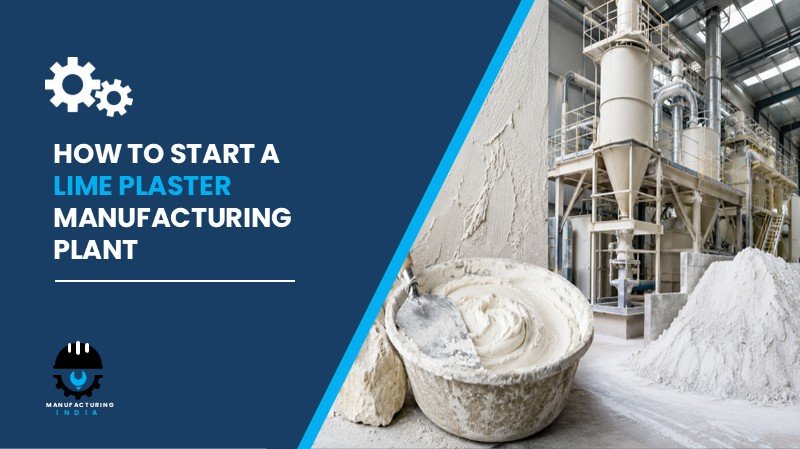
A lime plaster manufacturing plant setup in India presents a compelling investment case for entrepreneurs targeting the construction and building-restoration sectors. Demand is driven by growing preference for sustainable construction materials, restoration of heritage buildings, renovation of traditional structures, and rising interest in low-carbon, breathable wall finishes. It is used across residential, commercial, and heritage applications for its durability, moisture-regulating properties, and compatibility with masonry.
India’s expanding construction and real-estate landscape gives a domestically produced, moisture-regulating wall-finishing material a natural growth path. Such a lime plaster manufacturing plant benefits from proximity to raw material sources, growing residential and commercial construction activity, and steady demand from heritage conservation and renovation projects. Combined with healthy reported margins, India offers a strategically sound base for this production.
This investment combines cost-competitive production with strong demand from sustainable construction, heritage restoration, and renovation markets. Reported gross margins of 24-34% and net margins of 8-15%, supported by a flexible 10,000-40,000 MT annual capacity range, point toward a financially viable, scalable opportunity.
What is Lime Plaster?
Lime plaster is a traditional and sustainable wall-finishing material produced primarily by combining lime, sand, and water, with formulations sometimes incorporating natural fibers, pozzolanic materials, pigments, or other performance-enhancing additives. It is commonly prepared using hydrated lime or lime putty as the binder, while graded aggregates provide structure and reduce shrinkage. Unlike cement-based plaster, it remains relatively permeable to water vapor, allowing walls to breathe and helping regulate moisture within building envelopes.
The lime plaster manufacturing process involves raw-material preparation, lime and aggregate proportioning, mixing, additive incorporation, screening, quality testing, filling, and packaging. This facility primarily serves the construction, residential buildings, commercial infrastructure, heritage restoration, renovation, architecture, and sustainable building industries.
Cost of Setting Up a Lime Plaster Manufacturing Plant in India
Cost depends on capacity, technology, location, automation level, and regulatory compliance requirements.
1. Capital Expenditure (CapEx)
Capital investment covers land acquisition, site preparation, and infrastructure, with investors able to evaluate industrial estates or dedicated manufacturing zones. Civil works cover construction of the production shed, quality-control laboratory, storage areas, and the administrative block.
Machinery represents the largest share of capital expenditure for a lime plaster manufacturing plant. Key machinery required includes:
- Lime storage silos
- Aggregate storage bins
- Sand dryers
- Vibrating screens
- Aggregate sieving machines
- Weighing and batching systems
- Lime dosing equipment
- Ribbon blenders or paddle mixers
- High-intensity mixers
- Additive dosing systems
- Dust-collection systems
- Bucket elevators or screw conveyors
- Material handling equipment
- Automatic filling machines
- Bag-sealing machines
- Labeling machines
- Palletizing equipment
- Laboratory testing equipment
Other capital costs include effluent treatment systems, pre-operative expenses, and commissioning costs. Detailed land, civil works, machinery, and other capital cost figures (in US$) are gated behind a sample request.
Request a Sample Report for In-Depth Market Insights: https://www.imarcgroup.com/lime-plaster-manufacturing-plant-project-report/requestsample
2. Operational Expenditure (OpEx)
Raw material cost is the largest OpEx component, at approximately 40-52% of the total. Core inputs include calcium hydroxide Ca(OH)₂, natural sand/marble sand, natural pozzolan/volcanic ash, and animal hair or polypropylene fiber. Long-term supplier contracts with reliable, nearby vendors help mitigate price volatility.
Utility cost, covering electricity, water, and steam, makes up approximately 8-12% of OpEx. Other operating costs include transportation, packaging, salaries, maintenance, depreciation, and taxes, with exact percentage splits gated behind a sample request. By year five, total operational cost is expected to rise due to inflation and raw material cost increases.
3. Plant Capacity
The proposed facility is designed with an annual production capacity ranging between 10,000 and 40,000 MT, enabling economies of scale while maintaining operational flexibility. Capacity can be customized per investor requirements, and profitability generally improves with higher capacity utilisation.
4. Profit Margins and Financial Projections
A lime plaster manufacturing plant demonstrates healthy profitability potential under normal operating conditions. Gross margins typically range between 24-34%, supported by stable demand and value-added applications, while net margins range between 8-15%. Detailed NPV, IRR, payback period, and year-wise income and expenditure projections are available through the full project report, gated behind a sample request.
Why Set Up a Lime Plaster Plant in India?
Sustainable Construction Momentum: Growing emphasis on environmentally responsible building materials is creating opportunities for lime-based products, supporting rising demand among eco-conscious developers and architects.
Heritage Conservation Demand: Restoration of historic structures requires compatible traditional materials, supporting sustained demand from India’s stock of heritage buildings and traditional masonry.
Breathability Advantage: The product allows moisture vapor movement, making it suitable for traditional masonry and moisture-sensitive structures, differentiating it from cement-based alternatives.
Renovation Activity: Increasing building renovation and refurbishment activities create recurring demand for wall-finishing materials over time.
Natural Material Preference: Growing interest in mineral- and naturally derived construction materials supports adoption across residential and commercial segments.
Active Research and Development: In July 2026, a study published in the Journal of Building Engineering found that a 2-3 mm lime plaster layer provided effective protection for compacted earth exposed to temperatures below 500°C, and examined how spray-cooling conditions affect post-fire cracking and residual strength. Findings like these support continued development of this material for sustainable, resilient construction.
Manufacturing Process – Step by Step
The lime plaster manufacturing process uses raw-material preparation, proportioning, mixing, and quality testing as its primary stages.
- Raw-Material Preparation: Calcium hydroxide Ca(OH)₂, natural sand/marble sand, natural pozzolan/volcanic ash, and animal hair or polypropylene fiber are received and inspected.
- Proportioning: Lime storage silos and aggregate storage bins feed measured quantities using weighing and batching systems and lime dosing equipment.
- Mixing: Ribbon blenders or paddle mixers and high-intensity mixers combine the proportioned inputs into a homogeneous blend.
- Additive Incorporation: Additive dosing systems introduce fibers, pozzolanic materials, pigments, or other additives as required.
- Screening: Vibrating screens and aggregate sieving machines ensure consistent particle size, with dust-collection systems managing airborne particulates.
- Material Handling: Bucket elevators or screw conveyors and material handling equipment move the finished mix toward packaging.
- Quality Testing: Laboratory testing equipment verifies the blend against quality assurance criteria and technical test parameters.
- Filling and Packaging: Automatic filling machines, bag-sealing machines, and labeling machines pack the product, with palletizing equipment preparing it for dispatch.
Key Applications
- Residential Construction: Interior and exterior wall finishing in houses and apartments.
- Heritage Restoration: Restoring historic buildings where compatibility with traditional masonry matters.
- Commercial Buildings: A durable, aesthetically appealing wall-finishing material.
- Sustainable Construction: Used in projects seeking natural and breathable materials.
- Interior Finishing: Smooth, textured, and decorative finishes for walls and ceilings.
- Masonry Protection: Manages moisture movement and protects masonry substrates.
- Architectural Restoration: Used where traditional materials and techniques must be retained.
Leading Manufacturers
Leading producers in this global industry operate with extensive manufacturing capacities and diverse application portfolios. Key players include:
- Saint-Gobain
- Carmeuse Group
- Graymont Limited
Timeline to Start the Plant
- Feasibility study and project report preparation
- Land acquisition and site development
- Regulatory approvals and environmental clearances
- Factory licence and fire safety compliance
- Machinery procurement and installation
- Raw material supplier agreements and supply chain setup
- Trial production and quality testing
- Commercial production launch
Licences and Regulatory Requirements
Starting this manufacturing unit in India requires several approvals:
- Business registration (Proprietorship, LLP, or Pvt Ltd)
- Factory Licence under the Factories Act
- Environmental Clearance from State Pollution Control Board
- GST Registration
- Fire Safety NOC
- Effluent Treatment Plant (ETP) operational clearance
- Occupational Health and Safety compliance
Key Challenges to Consider
High Capital Requirements: Machinery costs account for the largest portion of total capital expenditure for a lime plaster manufacturing plant, requiring careful financial planning.
Raw Material Price Volatility: Calcium hydroxide Ca(OH)₂, natural sand/marble sand, natural pozzolan/volcanic ash, and animal hair or polypropylene fiber prices can fluctuate, affecting margins without long-term contracts.
Regulatory Compliance: Meeting environmental, safety, and quality-assurance requirements demands ongoing attention.
Site Selection Constraints: The location must offer access to raw materials, proximity to markets, robust infrastructure, and compliance with zoning regulations.
Competition from Established Players: Global players such as Saint-Gobain, Carmeuse Group, and Graymont Limited operate with extensive capacities, creating pressure for new entrants.
Skilled Manpower: Operating specialized machinery such as high-intensity mixers, batching systems, and laboratory testing equipment requires trained personnel.
Frequently Asked Questions
1. How much does it cost to set up a lime plaster manufacturing plant in India?
Cost depends on capacity, technology, automation level, and location; the full CapEx breakdown covering land, civil works, machinery, and other capital costs is available in the detailed project report.
2. Is lime plaster manufacturing profitable in India in 2026?
This business reports healthy profitability potential, with gross margins of 24-34% and net margins of 8-15% under normal operating conditions.
3. What machinery is required for a lime plaster plant in India?
A lime plaster manufacturing plant requires lime storage silos, aggregate storage bins, sand dryers, vibrating screens, batching systems, mixers, dust-collection systems, filling and packaging equipment, and laboratory testing equipment.
4. What licences and approvals are required to start a lime plaster plant in India?
Requirements include business registration, a Factory Licence, Environmental Clearance from the State Pollution Control Board, GST Registration, Fire Safety NOC, ETP operational clearance, and Occupational Health and Safety compliance.
5. What raw materials are needed for lime plaster manufacturing?
Core raw materials are calcium hydroxide Ca(OH)₂, natural sand/marble sand, natural pozzolan/volcanic ash, and animal hair or polypropylene fiber.
6. What are the environmental compliance requirements for a lime plaster plant in India?
Plants must secure Environmental Clearance, operate an Effluent Treatment Plant, and maintain systems to detect leaks or process deviations.
7. What is the best location to set up a lime plaster plant in India?
The site should offer access to raw materials, proximity to target markets, reliable infrastructure, and compliance with zoning and environmental regulations.
8. What is the break-even period for this type of plant in India?
The full project report provides payback period, NPV, and IRR figures based on capital investment, operating costs, and capacity utilisation.
9. What government incentives are available for manufacturers in India?
The source report does not specify India-specific incentive schemes; investors should consult the full feasibility study and relevant authorities for applicable programs.
Key Takeaways for Investors
This business taps into steady demand from sustainable construction, heritage restoration, renovation, and commercial building sectors, supported by breathability and compatibility with traditional masonry. Reported gross margins of 24-34% and net margins of 8-15%, alongside a flexible 10,000-40,000 MT capacity range, indicate financial viability across plant sizes. The global lime plaster market, valued at USD 1.65 Billion in 2025 and projected to reach USD 2.54 Billion by 2034 at a CAGR of 4.9%, points to sustained long-term demand growth, supporting a durable investment case for entrepreneurs entering the Indian market.
About the Author