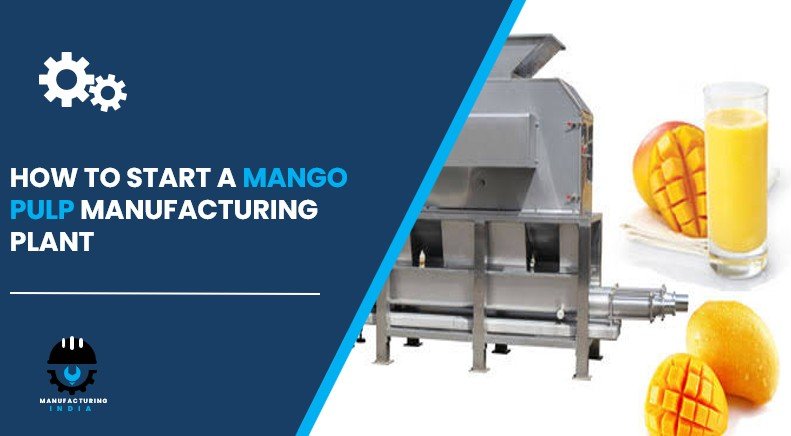
Setting up a mango pulp manufacturing plant in India represents a highly attractive investment proposition underpinned by robust and structurally growing demand from the beverage industry, the dairy and frozen dessert sector, the bakery and confectionery industry, and the export market for tropical fruit derivatives. As urbanisation accelerates, consumption of packaged fruit beverages and ready-to-eat foods rises, and international demand for aseptic mango pulp grows, mango pulp available in aseptic, canned, and frozen formats occupies an increasingly important position across food processing, foodservice, and export-oriented retail channels. This growth trajectory, combined with abundant raw material availability across India’s major mango-growing regions and strong export potential, creates a highly favourable manufacturing environment for new entrants with efficient processing and quality systems.
What is Mango Pulp?
Mango pulp is a partially processed fruit product made from ripe mangoes by removing the skin and stone, followed by pulping and heating. It retains a natural colour, flavour, aroma, and nutritional profile like fresh mangoes, including carbohydrates, dietary fibre, vitamins A and C, and vital antioxidants. Mango pulp is produced in different formats aseptic, canned, and frozen depending on the intended storage shelf life, and is characterised by high viscosity, homogeneity, and a stable pH, making it an ideal raw ingredient for further food and beverage processing.
Beyond household use, mango pulp is used extensively as an ingredient in fruit beverages, yogurt blends, dessert preparations, ice cream mixes, bakery fillings, and sauce bases, owing to its consistent quality, year-round availability in processed form, and compatibility with a wide range of food and beverage applications.
The global mango pulp and juice market was valued at approximately USD 2.04 Billion in 2025 and is expected to reach USD 3.36 Billion by 2034, exhibiting a CAGR of 5.7% from 2026 to 2034, supported by rising demand for processed fruit products, expanding beverage and dairy industries, and growing exports of tropical fruit derivatives.
Cost of Setting Up a Mango Pulp Manufacturing Plant
The total capital investment required to establish a mango pulp manufacturing plant is shaped by several key parameters: annual production capacity (typically ranging from 10,000 to 30,000 MT per annum), the level of automation across pulping, pasteurisation, and aseptic filling operations, facility specification, raw material sourcing strategy, and applicable food safety and quality compliance requirements. Below is a structured breakdown of the major cost components.
1. Capital Expenditure (CapEx)
Total capital investment in a mango pulp manufacturing plant covers the following major heads:
Land and Site Development
This encompasses land acquisition or lease, land registration charges, site preparation, boundary development, and utilities connectivity. Site selection should prioritise proximity to major mango-growing regions to ensure a steady, low-transport-cost supply of fresh, ripe fruit, which deteriorates rapidly after harvest. Access to reliable power, steam, and refrigeration infrastructure for pulping, pasteurisation, and aseptic storage, strong road and cold-chain logistics for inbound fruit and outbound finished pulp, availability of process water of suitable quality, and a trained workforce for plant operations and quality control are critical site selection criteria. Compliance with industrial zoning regulations, food safety manufacturing standards, and effluent and emission compliance frameworks must be assessed from project initiation.
Civil Works and Construction
Building costs cover the main processing facility including the fruit reception and ripening area, washing and sorting section, destoning and pulping house, pasteurisation and homogenisation section, aseptic filling and packaging infrastructure, cold storage and finished goods warehousing, quality control laboratory, administrative block, and utility infrastructure including boiler house, refrigeration plant, power backup, and effluent treatment plant. Construction must comply with applicable factory act requirements, food safety manufacturing standards, and FSSAI infrastructure guidelines.
Machinery and Equipment
Machinery represents a significant CapEx component. Key equipment required for a mango pulp manufacturing plant includes:
- Fruit Reception and Washing Systems: Intake hoppers, ripening chambers, and washing and sorting equipment to remove dirt, foreign matter, and unripe or damaged fruit prior to processing
- Destoning and Peeling Equipment: Mechanical destoners and peelers to separate the stone and skin from ripe mango fruit ahead of pulping
- Pulping Machines: Pulper-finisher systems to extract smooth, homogenous pulp while removing fibre, seed fragments, and skin residues
- Pasteurisers: Continuous or batch pasteurisation systems to inactivate enzymes and microorganisms while preserving colour, flavour, and nutritional quality
- Homogenisers: Equipment to achieve uniform pulp consistency and stable viscosity suited to further food and beverage processing
- Aseptic Filling Systems: Aseptic packaging lines for filling pulp into bag-in-box, drums, or aseptic bags to enable ambient storage and extended shelf life without preservatives
- Canning and Retort Systems (for canned formats): Can filling, seaming, and retort sterilisation equipment for canned mango pulp production
- Refrigeration and Cold Storage Units: Blast freezers and cold storage rooms for frozen pulp formats and finished goods storage
- Quality Control Laboratory Equipment: Equipment for testing Brix, acidity, colour, microbial load, and other analytical parameters to verify compliance with food safety and quality standards
- Boiler and Steam Generation: Steam boilers to supply process steam for pasteurisation and aseptic processing operations
- Material Handling and Warehousing: Conveyors, crates, and finished goods warehousing with FIFO stock management
Other Capital Costs
These include pre-operative expenses, commissioning charges, staff training and competency development, initial raw material and consumable inventory for production commissioning, and regulatory compliance setup including FSSAI licensing, export certification, and ISO 22000 / HACCP food safety management system establishment costs.
Request a Sample Report for In-Depth Market Insights: https://www.imarcgroup.com/mango-pulp-manufacturing-plant-project-report/requestsample
2. Operational Expenditure (OpEx)
Raw materials principally fresh, ripe mangoes procured from growers and mandis, along with packaging materials for aseptic bags, cans, or drums, constitute the dominant operating cost, typically representing 70–80% of total OpEx. Utility costs, driven primarily by steam generation, electricity consumption of pulping and aseptic processing equipment, and refrigeration for cold storage, account for 10–15% of OpEx. Labour, maintenance, quality control, packaging, transportation, depreciation, taxes, and overhead costs constitute the remainder of the operating cost base.
3. Plant Capacity
The proposed mango pulp manufacturing facility is designed with an annual production capacity ranging between 10,000–30,000 MT, enabling economies of scale while maintaining operational flexibility. This capacity range supports a diversified product portfolio of aseptic, canned, and frozen mango pulp, serving the beverage industry, food processing customers, dairy and dessert manufacturers, and export channels.
4. Profit Margins and Financial Projections
The project demonstrates healthy profitability potential under normal operating conditions. Financial projections encompass capital investment, operating costs, capacity utilisation ramp-up schedule, product mix between aseptic, canned, and frozen pulp, and forward demand outlook underpinned by rising consumption of packaged beverages and processed foods. A comprehensive feasibility analysis includes sensitivity analysis, Net Present Value (NPV), Internal Rate of Return (IRR), and Payback Period calculations. Gross profit margins for mango pulp manufacturing typically range from 25–35%, supported by stable demand and value-added applications. Net profit margins of 10–15% are achievable with disciplined cost management, optimal capacity utilisation, and efficient raw material procurement.
Why Set Up a Mango Pulp Manufacturing Plant?
Essential Food Processing Ingredient
Mango pulp is a key ingredient for a wide range of foods and beverages, including juices, nectars, dairy products, bakery fillings, desserts, and sauces, making it a near-indispensable input for FMCG companies operating across food and beverage categories.
Moderate but Defensible Entry Barriers
While less capital-intensive than heavy manufacturing, mango pulp production requires reliable fruit sourcing, food-grade processing facilities, strict hygiene standards, quality consistency, aseptic packaging technology, and compliance with domestic and international food safety certifications, creating entry barriers that favour organised, quality-focused manufacturers.
Megatrend Alignment
Rising urbanisation, increasing consumption of packaged beverages, growth in ready-to-eat foods, and expanding global demand for tropical fruit products are driving steady growth in mango pulp consumption. Health-conscious consumers and natural ingredient trends further reinforce long-term demand for mango pulp as a natural, minimally processed fruit ingredient.
Policy and Agro-Processing Push
Government programs related to food processing, cold chain infrastructure development, agri-value addition, and export marketing assistance, alongside initiatives such as Make in India, PMFME, and food processing incentives, support a favourable operating environment for mango pulp manufacturers.
Localisation and Supply Chain Reliability
Food and beverage firms increasingly prefer reliable, locally based pulp suppliers to ensure dependable quality and reduce supply chain costs, creating favourable conditions for efficient, locally based processors with strong storage and cold-chain capabilities.
Urbanisation and Rising Disposable Incomes
Approximately 45% of the world’s 8.2 billion people resided in urban areas in 2025, according to the United Nations World Urbanization Prospects 2025 report by UN DESA. Rising urban lifestyles, increasing reliance on packaged and convenient foods, and growing disposable incomes among urban consumers are supporting higher consumption of fruit-based beverages and processed foods, providing a structural demand tailwind for mango pulp processors.
Manufacturing Process Overview
The mango pulp manufacturing operation transforms raw, ripe mangoes into aseptic, canned, or frozen pulp through a sequence of pulp extraction, pasteurisation, and aseptic filling operations. The key process stages are:
- Raw Material Reception and Ripening: Fresh mangoes received from growers and mandis are inspected and, where necessary, held in controlled ripening chambers to achieve the required maturity and sugar content prior to processing.
- Washing and Sorting: Ripe mangoes are washed to remove dirt and residues, and sorted to eliminate damaged, diseased, or underripe fruit before further processing.
- Destoning and Peeling: Mechanical destoners and peelers separate the stone and skin from the fruit, isolating the edible pulp fraction.
- Pulp Extraction: Pulper-finisher machines extract smooth, homogenous pulp while removing fibre, seed fragments, and residual skin particles.
- Pasteurisation: Extracted pulp undergoes thermal pasteurisation to inactivate enzymes and microorganisms, preserving colour, flavour, and nutritional quality while extending shelf life.
- Homogenisation: Pasteurised pulp is homogenised to achieve uniform viscosity and consistency suited to downstream food and beverage applications.
- Aseptic Filling or Canning: Homogenised pulp is filled into aseptic bags, bag-in-box packaging, or drums under sterile conditions for ambient storage, or filled into cans and retort-sterilised for canned formats.
- Freezing (for frozen formats): Pulp intended for frozen distribution is rapidly chilled and blast frozen to preserve quality during extended cold storage.
- Quality Control: Pulp is tested for Brix, acidity, colour, microbial load, and other parameters to verify compliance with FSSAI and applicable international food safety and quality standards before release for dispatch.
- Storage and Dispatch: Aseptic and canned pulp is stored under ambient conditions while frozen pulp is held in cold storage, with finished goods dispatched to food processing customers, beverage manufacturers, and export markets.
Key Applications of Mango Pulp
The mango pulp market serves several major end-use segments across beverage, food processing, hospitality, and export sectors:
- Beverage Industry: Mango pulp is used extensively in juices, smoothies, nectars, and ready-to-drink mango beverages, forming a core raw material input for the fruit beverage sector.
- Food Processing: Mango pulp serves as an ingredient for desserts, ice creams, yogurts, jams, and confectionery products, valued for its consistent flavour and colour profile.
- Culinary and Hospitality: Mango pulp is used in sauces, curries, bakery fillings, and restaurant preparations, offering foodservice operators a consistent, ready-to-use ingredient year-round.
- Export and Retail: Packaged mango pulp is supplied to international markets, retail brands, and bulk buyers, leveraging India’s position as a major mango-producing nation to serve global demand for tropical fruit derivatives.
Global Mango Pulp Market Outlook
The global mango pulp and juice market was valued at approximately USD 2.04 Billion in 2025. According to IMARC Group estimates, the market is expected to reach USD 3.36 Billion by 2034, exhibiting a CAGR of 5.7% from 2026 to 2034. The mango pulp market is primarily driven by the growing consumption of fruit-based beverages and processed foods globally. India’s food manufacturing market is expected to grow from approximately USD 307 billion in 2023 to USD 700 billion by 2030, according to IBEF estimates, reflecting the scale of downstream demand for processed fruit ingredients such as mango pulp.
The mango pulp market benefits from multiple structural demand drivers:
- Urbanisation and changing dietary habits increasing demand for ready-to-use fruit ingredients with consistent quality
- Expanding dairy and frozen dessert industries supporting mango pulp usage due to its flavour compatibility and nutritional profile
- Increasing international trade of aseptic pulp enabling year-round availability and reducing reliance on fresh fruit logistics
- Government initiatives supporting food processing infrastructure and export-oriented agro-industries
- Rising consumer preference for natural, minimally processed fruit ingredients across packaged food and beverage categories
- Growing global demand for tropical fruit derivatives, supporting sustained export opportunities for aseptic and canned mango pulp
Major players in the global mango pulp processing industry include ITC Limited, Jain Farm Fresh Foods Ltd., ABC Fruits, Capricorn Food Products, and Superior Foods, serving end-use sectors including food and beverage, dairy alternatives, confectionery, bakery, and culinary applications.
Latest Industry Developments
- December 2025: Nilezilla Limited launched a new mango fruit processing factory in Yumbe aimed at local pulp production to reduce dependence on imported mango pulp currently sourced from India, Kenya, and Pakistan, with a capacity to process approximately 100 tons per day and generate local employment.
- May 2025: PRAN Group, a major agro-processing company, launched its seasonal mango collection and pulping operations at industrial parks across the Rajshahi and Natore regions, targeting collection and processing of approximately 60,000 tonnes of mangoes for the season.
Licenses and Regulatory Requirements
Establishing a mango pulp manufacturing unit requires a range of approvals and certifications, which may vary by country and jurisdiction, including:
- Business registration and company incorporation under applicable company law
- Factory License under applicable state Factories Act provisions for manufacturing operations
- FSSAI (Food Safety and Standards Authority of India) License for manufacturing and sale of processed fruit products
- AGMARK certification, where applicable, for grading and quality assurance of fruit products
- Pollution Control Board Clearances Consent to Establish (CTE) and Consent to Operate (CTO) for manufacturing operations involving effluent generation
- ISO 22000 / HACCP Food Safety Management System Certification for food safety infrastructure compliance
- ISO 9001:2015 Quality Management System Certification for quality management infrastructure compliance
- Weights and Measures (Legal Metrology) registration for packaged commodity labelling and net quantity declaration
- Export-Import Code (IEC) for international market access
- Trademark and Brand Registration for proprietary branded product launch
- Occupational Health and Safety management compliance (ISO 45001 / Factories Act provisions) for manufacturing worker safety
Key Challenges to Consider
Raw Material Seasonality and Supply Consistency
Fresh mangoes, which account for 70–80% of total operating costs, are a highly seasonal crop, with availability concentrated in a narrow harvest window each year. Managing raw material procurement, storage, and processing scheduling to maximise capacity utilisation across the season, while securing sufficient fruit volumes at stable prices, is a critical operational priority.
Fruit Quality Variability
Mango quality, ripeness, and sugar content can vary significantly by variety, growing region, and season, affecting pulp yield, colour, and flavour consistency. Robust incoming quality inspection and sorting processes are essential to maintain consistent finished product specifications across production batches.
Cold Chain and Logistics Infrastructure
Frozen pulp formats and fresh fruit inputs require reliable cold chain infrastructure from procurement through processing and distribution. Gaps in cold storage or refrigerated transport capacity can lead to quality deterioration and yield losses, making investment in cold chain infrastructure a key operational consideration.
Quality Certification and Food Safety Compliance Maintenance
Maintaining FSSAI licensing and food safety management system certifications requires ongoing investment in quality laboratory infrastructure, process monitoring, and surveillance audit preparedness. Producing pulp that consistently meets Brix, acidity, colour, and microbial safety specifications across all production batches requires disciplined process control, as any food safety compliance lapse can disrupt market access and damage brand reputation, particularly in export markets.
Price Volatility and Competition from Substitute Fruit Ingredients
Mango pulp prices are influenced by seasonal fruit availability, weather-related crop variability, and competition from substitute fruit pulps and concentrates. Processors must manage cost structures and diversify product formats and customer segments to maintain margins through fruit price cycles.
Frequently Asked Questions (FAQs)
1. How much does it cost to set up a mango pulp manufacturing plant?
The total investment depends on plant capacity (10,000–30,000 MT per annum), the processing formats adopted (aseptic, canned, or frozen), automation level, facility specification, location, and target market certifications. Costs cover land, civil construction (fruit reception and ripening area, pulping section, pasteurisation and aseptic filling infrastructure, cold storage, quality laboratory, utilities), machinery (pulpers, pasteurisers, homogenisers, aseptic filling systems, refrigeration units, packaging lines), quality certifications, working capital, and regulatory compliance. A comprehensive feasibility study from IMARC Group provides detailed, capacity-specific cost estimates covering all CapEx and OpEx components.
2. Is mango pulp manufacturing a profitable business in 2026?
Yes. Sustained demand from the beverage industry, dairy and dessert manufacturers, bakery and confectionery producers, and export markets combined with gross margins of 25–35% and net profit margins of 10–15% make mango pulp manufacturing financially attractive. Year-round availability of processed pulp through aseptic packaging offers meaningful commercial advantages over reliance on fresh fruit logistics alone.
3. What machinery and equipment are required for a mango pulp manufacturing plant?
Key equipment includes fruit washers, destoners and peelers, pulping machines, pasteurisers, homogenisers, aseptic filling systems, canning and retort systems for canned formats, refrigeration and cold storage units, quality control laboratory equipment, steam boilers, and packaging lines for aseptic bags, drums, and cans.
4. What licenses and approvals are required?
Required approvals include company registration, Factory License, FSSAI License for manufacturing and sale of processed fruit products, Pollution Control Board clearances, ISO 22000/HACCP food safety management system certification, and Export-Import Code (IEC) for international market access. FSSAI licensing is a mandatory legal prerequisite for manufacturing and selling food products in India.
5. How long does it take to commission a mango pulp manufacturing plant?
Typically, 8–16 months from project initiation to commercial production launch, depending on project scale, facility construction timeline, equipment procurement lead times for pulping and aseptic processing systems, regulatory approvals, and FSSAI licensing and food safety certification timelines, which should be initiated early in the project to avoid delays to commercial launch.
6. What are the key raw materials for mango pulp manufacturing?
The primary raw material is fresh, ripe mangoes sourced from growers and mandis, which must be processed promptly to preserve quality and yield. Other key inputs include packaging materials such as aseptic bags, bag-in-box packaging, drums, and cans for finished pulp.
7. What is the break-even period for a mango pulp manufacturing plant?
The break-even period generally depends on capacity utilisation ramp-up trajectory during the seasonal harvest window, the product mix between aseptic, canned, and frozen pulp, raw material supply consistency, and offtake arrangements with beverage, dairy, and export customers. Securing long-term supply agreements with growers and stable offtake arrangements significantly improves revenue predictability and supports faster break-even achievement.
8. What are the main forms of mango pulp and their applications?
The three principal forms are aseptic pulp (packed under sterile conditions for ambient storage and extended shelf life, widely used by beverage and food processing customers), canned pulp (retort-sterilised for shelf-stable retail and institutional use), and frozen pulp (blast frozen and cold-stored, often preferred for premium retail and foodservice applications requiring closer-to-fresh characteristics).
9. What government incentives are available for mango pulp processors?
Processors may benefit from food processing sector incentive schemes such as PMFME, cold chain infrastructure development support, state-level industrial investment incentives and capital subsidies for agro-processing units, and export promotion benefits for processed fruit product exports under India’s agro-export initiatives.
10. How does mango pulp processing compare to other fruit processing in terms of setup?
Compared to other fruit pulp and juice processing, mango pulp manufacturing benefits from strong seasonal raw material availability across India’s major mango-growing regions, but requires investment in ripening infrastructure and rapid processing capacity to manage the concentrated harvest window. The pulping, pasteurisation, and aseptic filling technology employed is broadly similar to other fruit pulp processing, allowing processors with experience in fruit processing to adapt existing technical capabilities to mango pulp with targeted investment in destoning and aseptic packaging infrastructure.
Key Takeaways for Investors
The mango pulp manufacturing industry represents a structurally resilient and financially attractive investment opportunity positioned at the intersection of rising global demand for processed fruit products, expanding beverage and dairy industries, and the continued growth of tropical fruit exports. Stable demand from beverage, food processing, foodservice, and export channels provides resilience against single-segment demand volatility, while the ability to produce aseptic, canned, and frozen formats offers meaningful flexibility to serve diverse customer requirements and extend market reach beyond the fresh fruit season. India’s position as one of the world’s leading mango-producing nations provides geographically concentrated, cost-competitive access to feedstock, while growing international trade in aseptic pulp improves the economics of export-oriented processing operations. The moderate capital intensity and scalable nature of the value chain allow investors to phase capital deployment according to risk appetite and target market positioning, while continued investment by established food processing players and new entrants reflects strong confidence in the long-term growth and profitability of the category.
About the Author