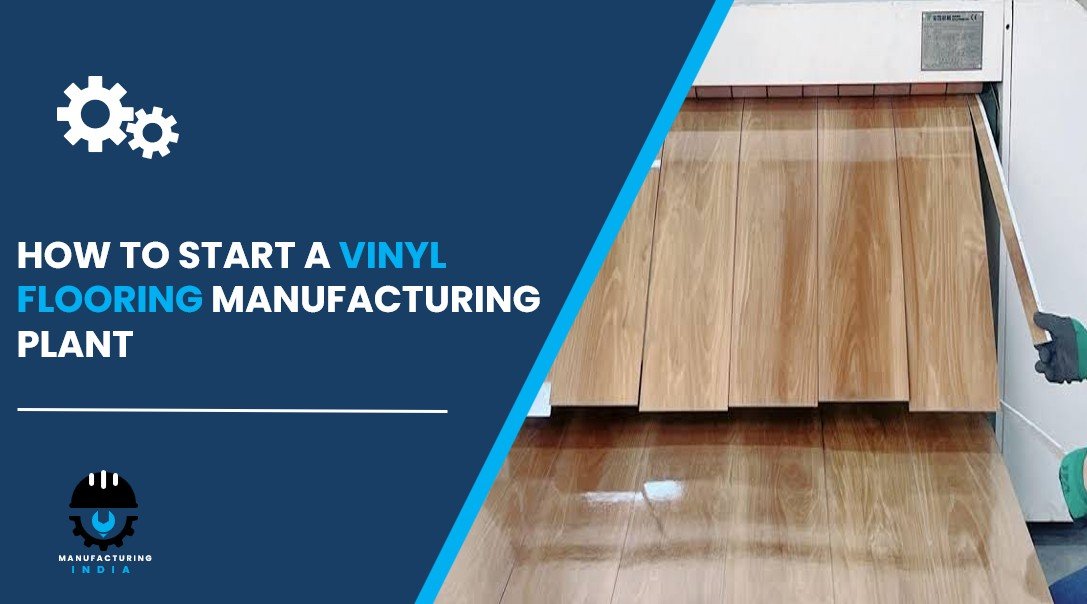
Setting up a vinyl flooring manufacturing plant is driven by the increasing demand for affordable, durable, and easy-to-maintain flooring solutions across residential, commercial, and industrial sectors. The global vinyl flooring market size was valued at USD 60.99 Billion in 2025. According to IMARC Group estimates, the market is expected to reach USD 140.66 Billion by 2034, exhibiting a CAGR of 9.73% from 2026 to 2034. This feasibility report covers a comprehensive market overview to micro-level information such as unit operations involved, raw material requirements, utility requirements, infrastructure requirements, machinery and technology requirements, manpower requirements, packaging requirements, and transportation requirements, along with a detailed setup cost covering project economics, capital investments (CapEx), operating expenses (OpEx), income and expenditure projections, and financial analysis.
Request Sample: https://www.imarcgroup.com/vinyl-flooring-manufacturing-plant-project-report/requestsample
Minimum Cost Required to Set Up a Vinyl Flooring Manufacturing Plant:
Industry cost benchmarking for vinyl flooring manufacturing points to a minimum entry investment of roughly USD 3-5 million for a smaller-scale facility near the lower end of the benchmarked capacity band (around 1 million sq. m/year), reflecting the cost of high-speed mixers, calendering or extrusion lines, embossing rollers, curing ovens, multi-layer laminators, cutting and trimming systems, automated packing stations, and supporting infrastructure. Capital requirements can scale to around USD 7-12 million for mid-sized plants (approximately 2-3 million sq. m/year), and exceed USD 15-20 million for larger facilities at the upper end of the capacity range (4-5 million sq. m/year), where additional production lines, advanced printing and lamination systems, greater automation, expanded utilities, quality-control laboratories, and environmental-management infrastructure increase total investment. IMARC’s 2026 report specifies a proposed production capacity of 1-5 million sq. m/year and identifies extrusion, calendaring, printing, and lamination as key manufacturing processes.
What is Vinyl Flooring?
Vinyl flooring is a synthetic flooring material made from polyvinyl chloride (PVC), which is widely used in both residential and commercial spaces. It is known for its durability, versatility, water resistance, and cost-effectiveness. Vinyl flooring is available in various forms, including sheets, tiles, and planks, and can mimic the appearance of wood, stone, and other high-end materials. It is widely used in homes, offices, healthcare facilities, and retail spaces due to its ease of installation, maintenance, and long-lasting nature.
Key Investment Highlights
- Process Used: Extrusion, calendaring, printing, lamination.
- End-use Industries: Residential, commercial, healthcare, retail, hospitality.
- Applications: Used for flooring in homes, offices, hospitals, schools, retail spaces, and public infrastructure projects.
Vinyl Flooring Plant Capacity
The proposed manufacturing facility is designed with an annual production capacity ranging between 1–5 Million sq.m., enabling economies of scale while maintaining operational flexibility.
Vinyl Flooring Plant Profit Margins
The project demonstrates healthy profitability potential under normal operating conditions. Gross profit margins typically range between 30–40%, supported by stable demand and value-added applications.
- Gross Profit: 30–40%
- Net Profit: 12–20%
Vinyl Flooring Plant Cost Analysis
The operating cost structure of a vinyl flooring plant setup cost in india is primarily driven by raw material consumption, particularly PVC resin, which accounts for approximately 60–70% of total operating expenses (OpEx).
- Raw Materials: 60–70% of OpEx
- Utilities: 10–15% of OpEx
Financial Projection
The financial projections for the proposed project have been developed based on realistic assumptions related to capital investment, operating costs, production capacity utilization, pricing trends, and demand outlook. These projections provide a comprehensive view of the project’s financial viability, ROI, profitability, and long-term sustainability.
Major Applications
- Residential interiors: Durable, easy-to-maintain flooring for living spaces, kitchens, and bedrooms.
- Commercial spaces: High-traffic flooring for offices, retail stores, hospitals, and schools.
- Industrial facilities: Wear-resistant, chemical-tolerant flooring for factories and warehouses.
- Hospitality and leisure: Aesthetic, slip-resistant flooring for hotels, resorts, and recreational areas.
Regional Insights:
Vinyl flooring manufacturing plant costs vary across regions, influenced by the availability and pricing of PVC resin, plasticisers, fillers and print films, energy costs, manufacturing infrastructure, automation levels, labour, logistics, and environmental requirements. IMARC’s 2026 analysis covers extrusion, calendaring, printing and lamination processes, with a proposed plant capacity of 1–5 million sq. m. annually.
● Asia Pacific (China, India, Japan, South Korea, Australia, Indonesia, Thailand, Malaysia, Vietnam, Philippines, Singapore) Strong construction and renovation activity, extensive PVC and plastics-processing industries, established flooring manufacturing clusters, and growing residential and commercial development support vinyl flooring plant investment. China and India benefit from large domestic construction markets and established raw-material supply chains, while Japan and South Korea offer advanced production and automation technologies. Proximity to PVC resin suppliers, utilities, ports, and major construction markets can significantly influence plant economics.
● North America (U.S., Canada, Mexico) Well-developed residential construction, commercial real estate, healthcare, hospitality and renovation markets support demand for durable and water-resistant vinyl flooring. Established plastics and flooring manufacturing infrastructure facilitates large-scale production, while labour, energy, construction, automation, logistics, and environmental-compliance costs can affect overall investment requirements.
● Europe (Germany, U.K., France, Italy, Spain, Netherlands, Belgium, Poland, Sweden, Norway, Denmark, Switzerland) Mature construction and renovation markets, established flooring manufacturers, advanced production technologies, and demand from commercial, healthcare and hospitality applications support vinyl flooring production. Plant economics are influenced by energy prices, skilled labour, sustainability requirements, product standards, waste-management systems, and environmental compliance.
● Latin America (Brazil, Argentina, Mexico, Colombia, Chile, Peru, Paraguay, Uruguay, Ecuador) Expanding residential construction, commercial development and renovation activity are supporting demand for affordable and easy-to-maintain flooring solutions. Plant economics are shaped by PVC and additive availability, imported machinery requirements, energy costs, transportation infrastructure, local manufacturing capabilities, and proximity to major construction markets.
● Middle East & Africa (Saudi Arabia, UAE, Qatar, Kuwait, Oman, Israel, Egypt, South Africa, Nigeria, Morocco, Algeria, Kenya, Ethiopia, Tanzania, Ghana) Increasing construction, urbanisation, commercial development, hospitality projects, and infrastructure investment are creating opportunities for vinyl flooring manufacturing. Selected markets benefit from expanding industrial and construction infrastructure, while access to PVC resin and additives, specialised machinery, skilled labour, logistics, utilities, and waste-management systems remains important for controlling plant costs.
Why Vinyl Flooring Manufacturing?
- High Demand for Durable and Affordable Flooring: Vinyl flooring is increasingly preferred for its ability to withstand heavy foot traffic, moisture, and wear and tear, making it a go-to choice in both residential and commercial settings.
- Versatile Product Offering: Vinyl flooring offers a wide range of designs, patterns, and finishes that mimic premium materials such as hardwood, stone, and tile, making it a versatile choice for customers with varying tastes and budgets.
- Technological Advancements in Production: Continuous advancements in vinyl flooring manufacturing processes, such as digital printing and improved wear layers, are enhancing product quality and expanding the market potential.
- Growing Construction and Renovation Activities: The construction boom, particularly in emerging economies, along with ongoing renovation and refurbishment projects in developed countries, is driving the demand for vinyl flooring as a cost-effective, long-lasting, and aesthetically appealing solution.
Vinyl Flooring Industry Outlook 2026
The market for vinyl flooring is growing at a substantial rate due to the rising demand for economical, durable, and easy-to-maintain flooring options. The construction sector, both in residential and commercial buildings, as well as renovation, remains the key driving factor for the market. The residential construction sector, which expanded at 6.8% during FY2024-25, is projected to reach USD 350 Billion by 2030, as per industrial reports. Additionally, the fact that vinyl flooring can be made to resemble high-quality materials like wood and stone, while still being within budget, has ensured its continued popularity among consumers.
Leading Vinyl Flooring Manufacturers
Leading manufacturers in the global vinyl flooring industry include several multinational companies with extensive production capacities and diverse application portfolios. Key players include:
- Shaw Industries
- Tarkett
- Mohawk Industries
- Gerflor
- Armstrong Flooring
All of the above serve end-use sectors such as residential, commercial, healthcare, retail, and hospitality.
Speak to an Analyst: https://www.imarcgroup.com/request?type=report&id=7336&flag=C
How to Setup a Vinyl Flooring Manufacturing Plant?
Setting up a vinyl flooring manufacturing plant requires evaluating several key factors, including technological requirements and quality assurance. Some of the critical considerations include:
Detailed Process Flow
The manufacturing process is a multi-step operation that involves several unit operations, material handling, and quality checks. Below are the main stages involved in the vinyl flooring manufacturing process flow:
- Unit Operations Involved
- Mass Balance and Raw Material Requirements
- Quality Assurance Criteria
- Technical Tests
- Site Selection: The location must offer easy access to key raw materials such as PVC resin, plasticizers, fillers, and print film. Proximity to target markets will help minimize distribution costs. The site must have robust infrastructure, including reliable transportation, utilities, and waste management systems. Compliance with local zoning laws and environmental regulations must also be ensured.
- Plant Layout Optimization: The layout should be optimized to enhance workflow efficiency, safety, and minimize material handling. Separate areas for raw material storage, production, quality control, and finished goods storage must be designated. Space for future expansion should be incorporated to accommodate business growth.
- Equipment Selection: High-quality, corrosion-resistant machinery tailored for vinyl flooring production must be selected. Essential equipment includes high-speed mixers, calenders or extrusion lines, precision embossing rollers, curing ovens, multi-layer press laminators, precision cutting and trimming systems, and automated packing stations. All machinery must comply with industry standards for safety, efficiency, and reliability.
- Raw Material Sourcing: Reliable suppliers must be secured for raw materials like PVC resin, plasticizers, fillers, and print film to ensure consistent production quality. Minimizing transportation costs by selecting nearby suppliers is essential. Sustainability and supply chain risks must be assessed, and long-term contracts should be negotiated to stabilize pricing and ensure a steady supply.
- Safety and Environmental Compliance: Safety protocols must be implemented throughout the manufacturing process of vinyl flooring. Advanced monitoring systems should be installed to detect leaks or deviations in the process. Effluent treatment systems are necessary to minimize environmental impact and ensure compliance with emission standards.
- Quality Assurance Systems: A comprehensive quality control system should be established throughout production. Analytical instruments must be used to monitor product concentration, purity, and stability. Documentation for traceability and regulatory compliance must be maintained.
Project Economics
Establishing and operating a vinyl flooring manufacturing plant involves various cost components, including:
- Capital Investment: The total capital investment depends on plant capacity, technology, and location. This investment covers land acquisition, site preparation, and necessary infrastructure.
- Equipment Costs: Equipment costs, such as those for high-speed mixers, calenders or extrusion lines, precision embossing rollers, curing ovens, multi-layer press laminators, precision cutting and trimming systems, and automated packing stations, represent a significant portion of capital expenditure. The scale of production and automation level will determine the total cost of machinery.
- Raw Material Expenses: Raw materials, including PVC resin, plasticizers, fillers, and print film, are a major part of operating costs. Long-term contracts with reliable suppliers will help mitigate price volatility and ensure a consistent supply of materials.
- Infrastructure and Utilities: Costs associated with land acquisition, construction, and utilities (electricity, water, steam) must be considered in the financial plan.
- Operational Costs: Ongoing expenses for labor, maintenance, quality control, and environmental compliance must be accounted for. Optimizing processes and providing staff training can help control these operational costs.
- Financial Planning: A detailed financial analysis, including income projections, expenditures, and break-even points, must be conducted. This analysis aids in securing funding and formulating a clear financial strategy.
Capital Expenditure (CapEx) and Operational Expenditure (OpEx) Analysis
Capital Investment (CapEx): Machinery costs account for the largest portion of the total capital expenditure. The cost of land and site development, including charges for land registration, boundary development, and other related expenses, forms a substantial part of the overall investment. This allocation ensures a solid foundation for safe and efficient plant operations.
Operating Expenditure (OpEx): In the first year of operations, the operating cost for the vinyl flooring manufacturing plant is projected to be significant, covering raw materials, utilities, depreciation, taxes, packing, transportation, and repairs and maintenance. By the fifth year, the total operational cost is expected to increase substantially due to factors such as inflation, market fluctuations, and potential rises in the cost of key materials. Additional factors, including supply chain disruptions, rising consumer demand, and shifts in the global economy, are expected to contribute to this increase.
Buy the full Vinyl Flooring Manufacturing Plant Cost report: https://www.imarcgroup.com/checkout?id=7336&method=2175
Frequently Asked Questions:
1. How much capital is required to start a vinyl flooring manufacturing plant?
The capital investment generally includes land acquisition, site development, civil construction, production machinery, utilities, installation, quality control facilities, packaging systems, pre-operative expenses, and initial working capital. The total investment varies depending on production capacity, manufacturing technology, automation level, and plant location.
2. How do I start a vinyl flooring manufacturing business?
Starting a vinyl flooring manufacturing business requires conducting a market and feasibility study, selecting a suitable plant location, arranging financing, obtaining the necessary approvals, procuring and installing production equipment, hiring skilled personnel, establishing reliable raw material supplies, and developing sales and distribution networks. The facility should also incorporate appropriate quality, safety, environmental, and waste-management systems.
3. What raw materials are required for vinyl flooring manufacturing?
The major raw materials used in vinyl flooring manufacturing include PVC resin, plasticizers, fillers, and print films. Depending on the product design and manufacturing process, additional materials may be required for decorative layers, wear layers, backing layers, adhesives, and packaging. Reliable sourcing of these materials is important for maintaining consistent product quality.
4. What machinery and equipment are required to start a vinyl flooring manufacturing plant?
A vinyl flooring manufacturing plant typically requires high-speed mixers, calenders or extrusion lines, embossing rollers, curing ovens, multi-layer press laminators, precision cutting and trimming systems, and automated packaging stations. Additional equipment may include material handling systems, quality testing instruments, storage systems, and environmental-control equipment.
5. What are the biggest challenges in starting a vinyl flooring manufacturing business?
Key challenges may include high machinery and infrastructure costs, fluctuations in PVC resin and other raw material prices, maintaining consistent product quality, controlling energy consumption, managing production waste, meeting environmental requirements, and establishing efficient distribution networks. The plant must also maintain reliable access to raw materials and utilities while ensuring safe and efficient production operations.
6. Who are the top vinyl flooring manufacturers in the world?
Leading companies identified in the global vinyl flooring industry include Shaw Industries, Tarkett, Mohawk Industries, Gerflor, and Armstrong Flooring. These companies serve various end-use sectors, including residential, commercial, healthcare, retail, and hospitality applications.
About Us:
IMARC Group is a global management consulting firm that helps the world’s most ambitious changemakers to create a lasting impact. The company excels in understanding its client’s business priorities and delivering tailored solutions that drive meaningful outcomes. We provide a comprehensive suite of market entry and expansion services. Our offerings include thorough market assessment, feasibility studies, company incorporation assistance, factory setup support, regulatory approvals and licensing navigation, branding, marketing and sales strategies, competitive landscape, and benchmarking analyses, pricing and cost research, and procurement research.
Contact Us:
IMARC Group
134 N 4th St. Brooklyn, NY 11249, USA
Email: sales@imarcgroup.com
Tel No: (D) +91 120 433 0800
United States: (+1-201-971-6302)
About the Author