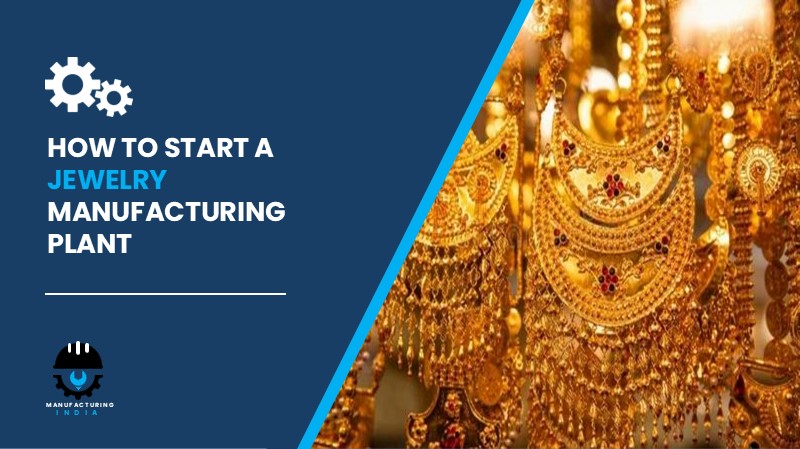
Setting up a jewelry manufacturing plant in India presents a compelling investment case grounded in the country’s unrivalled position as the world’s largest consumer and one of the largest producers of gold and gemstone jewelry, its deeply embedded cultural traditions around ornament gifting and ceremonial wearing, and the rapidly expanding organised retail, e-commerce, and export market channels that are broadening the commercial opportunity for domestic jewelry manufacturers at every scale. Jewelry ornamental products crafted from precious metals such as gold, silver, and platinum, often decorated with gemstones, diamonds, and other decorative elements holds a uniquely dual role in India as both a personal expression of fashion and status and a culturally significant store of value across wedding, festive, and religious occasions. According to the India Brand Equity Foundation (IBEF), the Indian gems and jewellery market reached a valuation of USD 85 billion in January 2025 and is projected to reach USD 130 billion by 2030 placing India at the epicentre of one of the world’s largest and fastest-growing luxury and lifestyle consumer markets.
India’s structural advantages make it an exceptionally well-positioned location for establishing a jewelry manufacturing facility. The country’s world-renowned tradition of skilled craftsmanship concentrated in established jewelry manufacturing hubs including Surat, Mumbai, Jaipur, Chennai, Hyderabad, and Kolkata provides manufacturers with access to a large pool of experienced goldsmiths, stone setters, and finishing artisans. The Gems and Jewellery Export Promotion Council (GJEPC) and the government’s Special Economic Zone infrastructure for gems and jewellery exports provide institutional support for both domestic and export-oriented production. The rising disposable incomes of India’s expanding middle class, the growing fashion awareness among younger urban consumers driving demand for lightweight and modern designed jewelry, and the integration of digital platforms and organised retail channels that are widening product accessibility collectively create a multi-layered commercial opportunity for new manufacturing entrants.
A jewelry manufacturing plant in India is positioned within a global market valued at USD 384.20 billion in 2025, growing at 4.8% CAGR toward USD 593.60 billion by 2034, supported by India’s USD 85 billion domestic gems and jewellery market targeted to reach USD 130 billion by 2030, and one of the world’s deepest craftsmanship traditions. With gross profit margins of 25–40% and net margins of 10–25% achievable at a production scale of 6,000 pieces per year and beyond, this investment delivers strong and brand-amplified financial returns in a category where India’s cultural demand is structurally unassailable.
What is Jewelry?
Jewelry refers to ornamental products crafted from precious metals such as gold, silver, platinum, and alloys, which manufacturers often decorate with gemstones, diamonds, and other decorative elements. The collection of jewelry items includes rings, necklaces, earrings, bracelets, bangles, and pendants, all created through casting, forming, stone setting, polishing, and finishing processes. Jewelry functions as both a decorative element and a cultural artifact, used to display status, cultural background, and individual identity across populations worldwide.
The production process used is designing, metal melting, casting, forming, stone setting, polishing, finishing, and hallmarking a multi-stage precision craftsmanship and manufacturing process that integrates design creativity, metallurgical process control, and quality verification at every stage. Key product types include rings, necklaces, earrings, bracelets, bangles, pendants, and customised jewelry. Jewelry can be made from 9KT, 14KT, 18KT, 22KT, and 24KT gold, sterling silver, platinum, and alloy combinations to meet different price points and application requirements. End-use industries served include luxury goods, retail jewelry, and lifestyle and fashion — covering applications across branded and unbranded gold and silver jewelry, premium and designer collections, and wedding, festive, and cultural jewelry products.
Cost of Setting Up a Jewelry Manufacturing Plant in India
The total investment required to establish a jewelry manufacturing plant in India depends on plant capacity, product range complexity, geographic location, level of automation versus skilled handcraft operations, and compliance with hallmarking and export certification requirements. Investors must account comprehensively for both one-time capital expenditure and recurring operational costs when preparing a feasibility study or detailed project report (DPR).
1. Capital Expenditure (CapEx)
Land and Site Development constitutes a foundational investment. Costs for land registration, boundary construction, internal layout, and site development vary based on whether the facility is established within a dedicated Gems and Jewellery SEZ, a government-notified manufacturing cluster, or on privately acquired commercial or industrial land in an established jewelry hub such as Surat, Jaipur, or Mumbai. Jewelry manufacturing SEZs in Surat and Seepz (Mumbai) provide infrastructure-ready facilities with established export logistics and security infrastructure specifically designed for precious metal and gemstone manufacturing operations.
Civil Works and Construction encompasses the main design and production hall with workstation layouts for casting, forming, and stone setting, a secure precious metal storage vault with electronic access control and surveillance systems, quality control laboratory, polishing and finishing area, hallmarking station, packaging and despatch area, and administrative block. Security infrastructure requirements including 24-hour CCTV coverage, access control systems, motion sensors, and secure storage for gold, silver, gemstones, and finished jewelry inventory add to civil construction costs relative to standard manufacturing facilities, but are non-negotiable given the high per-unit intrinsic value of materials throughout the production process.
Machinery and Equipment represent a significant component of capital expenditure. Key machinery required for a jewelry manufacturing plant includes:
- Casting machines
- Rolling mills
- CNC engraving systems
- Stone-setting tools
- Polishing units
- Hallmarking equipment
Other Capital Costs include pre-operative expenses covering regulatory filings and feasibility study preparation, hallmarking centre licensing, plant commissioning charges, utility connection fees, security system installation, and import duties applicable to specialised CNC engraving equipment or automated casting systems sourced internationally.
Request a Sample Report for In-Depth Market Insights: https://www.imarcgroup.com/jewelry-manufacturing-plant-project-report/requestsample
2. Operational Expenditure (OpEx)
Raw Material Cost is the overwhelmingly dominant driver of operating expenditure for a jewelry manufacturing plant, accounting for approximately 85–95% of total OpEx the highest raw material concentration ratio across all manufacturing categories reviewed in this investment series. The primary inputs are gold and silver or other precious metals, gemstones, and casting alloys. Gold pricing is determined by international commodity markets and is subject to significant daily and cyclical volatility driven by global macroeconomic conditions, currency movements, and investor sentiment. Silver prices follow their own commodity cycle, as demonstrated by Pandora’s February 2026 announcement of plans to introduce platinum-plated versions of its popular bracelet designs specifically in response to sharply rising silver prices. Given this extreme raw material cost dominance, procurement strategy, precious metal inventory management, and hedging mechanisms are the most critical operational priorities in this business and their management directly determines the gap between the stated gross margin range of 25–40% and actual realised margins.
Utility Costs — covering electricity for casting machines, rolling mills, CNC engraving systems, polishing units, and facility operations account for approximately 2–5% of total OpEx, reflecting the relatively low utility intensity of a craft-and-precision manufacturing operation compared to process-heavy industries. Polishing operations and casting furnaces represent the most energy-intensive process steps, and these remain manageable cost items relative to the dominant precious metal material cost.
Other Operating Costs include outbound transportation and secure courier services for finished jewelry to retail distributors, branded jewelry chains, export buyers, and e-commerce fulfilment centres; packaging materials including jewellery boxes, velvet pouches, and branded retail packaging; employee salaries and wages for goldsmiths, stone setters, polishing artisans, quality inspectors, and security personnel; equipment maintenance; quality assurance testing for hallmark compliance; depreciation on civil and machinery assets; and applicable taxes including GST on jewelry sales. By the fifth year of operations, total operational costs are expected to increase substantially due to inflation, market fluctuations, and potential rises in the cost of key raw materials — particularly gold, silver, and gemstones compounded by supply chain disruptions, rising consumer demand, and shifts in the global economy.
3. Plant Capacity
The proposed jewelry manufacturing facility is designed with an annual production capacity of approximately 6,000 pieces per year, enabling economies of scale while maintaining the operational flexibility required to produce diverse product types, custom orders, and seasonal collections for retail and export buyers. This capacity level supports the requirements of branded jewelry retailers, export order fulfilment, and online-to-offline retail supply chains. Capacity can be fully customised based on investor requirements, available skilled artisan workforce, and target market focus. Profitability improves with higher capacity utilisation and with improvement in product mix toward higher-value, design-differentiated, and branded jewelry that commands premium pricing over commodity gold weight-based valuation.
4. Profit Margins and Financial Projections
The jewelry manufacturing plant demonstrates strong profitability potential under normal operating conditions. Gross profit margins typically range between 25–40%, supported by stable demand and the significant value addition created through design, craftsmanship, stone setting, and brand premium over the intrinsic metal and gemstone content. Net profit margins range between 10–25%, reflecting the very high raw material cost intensity of the operating model. A comprehensive financial analysis should include income projections, expenditure forecasts, gross and net margin tracking across Years 1 through 5, net present value (NPV), internal rate of return (IRR), payback period, and a full profit and loss account. Sensitivity analysis covering gold and silver price movements is the single most important planning variable for investment-grade financial modelling in this category.
Why Set Up a Jewelry Manufacturing Plant in India?
India’s Massive and Structurally Growing Gems and Jewellery Market. Rising disposable incomes, evolving fashion trends, and growing consumer preference for luxury and branded accessories are driving demand in India’s gems and jewellery sector at a sustained pace. According to IBEF, the Indian gems and jewellery market reached USD 85 billion in January 2025 and is projected to reach USD 130 billion by 2030 making it one of the largest and fastest-growing luxury consumer markets globally and providing domestic manufacturers with a large and expanding home market to serve.
Cultural and Ceremonial Demand Ensuring Structural Consumption Continuity. The purchase of gift items for weddings essential to cultural practices in India and the Middle Eastern region continues to drive consistent consumer demand for gold and gemstone jewelry across festive, religious, and lifecycle occasion categories. This culturally embedded demand base is structurally insulated from economic trend cycles and provides jewelry manufacturers with a predictable, recurring baseline of domestic consumption that no competing product category can substitute.
Growing Consumer Preference for Lightweight, Modern, and Customised Designs. The fashion industry now requires lightweight, customised, and modern design products as customers show greater interest in these particular types of jewelry. The combination of rising disposable incomes and urbanisation together with increased fashion awareness is driving up demand for contemporary design styles that complement traditional ceremonial purchases expanding the addressable market beyond wedding and gifting occasions into everyday fashion wear, fine jewelry for professional dressing, and self-purchase categories.
Digital Platforms and Organised Retail Expanding Market Access. Digital platforms and organised retail stores are enabling consumers to access jewelry products while gaining better understanding of available options and enabling convenient comparison and purchase. The rapid growth of branded jewelry chains including Tanishq, Kalyan Jewellers, Malabar Gold, and Senco Gold — and the expansion of jewellery e-commerce platforms are creating structured, scalable distribution channels that allow manufacturers to reach a far broader consumer base than traditional unorganised retail networks alone.
Active Industry Investment Validating Market Growth. In September 2025, Senco Gold entered into a strategic collaboration with Sky Gold to launch a new range of 9KT gold jewelry aimed at younger consumers, with the collection focusing on affordable, fashion-forward designs using 9KT gold due to its lower gold content making it more accessible. This partnership is expected to strengthen both brands’ market presence while creating new trends in India’s organised jewelry industry demonstrating the active product innovation and partnership-driven growth strategies that signal the market’s expansion momentum. In February 2026, Pandora announced plans to introduce platinum-plated versions of its popular bracelet designs in response to sharply rising silver prices, illustrating the strategic product adaptation agility that successful jewelry manufacturers deploy to maintain revenue continuity under raw material price pressures.
Strong Export Opportunities Through Established International Trade Infrastructure. India’s worldwide demand for fine jewelry creates substantial export possibilities, particularly through established Gems and Jewellery SEZs with dedicated export logistics and through the GJEPC’s institutional market development support. Manufacturers focused on international markets can access buyers in the United States, the Middle East, Europe, and Asia-Pacific markets with demonstrated and sustained appetite for Indian-crafted gold, diamond, and gemstone jewelry.
Manufacturing Process – Step by Step
The jewelry manufacturing process uses designing, metal melting, casting, forming, stone setting, polishing, finishing, and hallmarking as the primary production method. Below are the main stages involved in the jewelry manufacturing process flow:
- Design and CAD Modelling: Jewelry designers create product designs using traditional sketching or computer-aided design (CAD) software, developing detailed 3D models that specify dimensions, metal weight, gemstone positions, and finishing specifications for each jewelry piece before production begins.
- Raw Material Receipt and Inspection: Gold, silver, or platinum alloy, gemstones, diamonds, and casting alloys are received, weighed, and quality-verified against specification before being allocated to the production schedule.
- Metal Melting and Alloy Preparation: Precious metal and alloy components are melted in casting furnaces at controlled temperatures to achieve the target alloy composition such as 22KT or 18KT gold alloys with flux additions to manage oxidation and achieve consistent alloy properties.
- Casting: Casting machines produce metal forms by pouring or injecting molten metal alloy into investment casting moulds prepared from wax models of the jewelry design. Lost-wax casting allows complex shapes and fine surface detail to be reproduced consistently across production batches.
- Forming and Rolling: Rolling mills process cast metal into wire, sheet, or tube forms required for specific jewelry components such as chain links, ring shanks, bangle wire, and earring findings. Cold working through rolling and drawing improves metal hardness and surface finish.
- Fabrication and Assembly: Jewellers assemble individual components including shanks, settings, clasps, and decorative elements by soldering, welding, or mechanical joining, producing the structural framework of the finished jewelry piece.
- CNC Engraving and Surface Decoration: CNC engraving systems apply decorative patterns, text engravings, surface textures, and fine detailing to the assembled jewelry piece, enabling consistent reproduction of intricate design elements across production batches.
- Stone Setting: Stone-setting tools and skilled artisans set gemstones, diamonds, and other decorative elements into the pre-drilled or formed settings of the jewelry piece, using prong, bezel, channel, pavé, or other setting techniques as specified by the design.
- Polishing and Finishing: Polishing units bring the assembled and set jewelry piece to its final surface quality through progressive polishing stages using polishing compounds, buffing wheels, and ultrasonic cleaning achieving the mirror finish, satin finish, or textured surface specified for each product variant.
- Quality Inspection and Testing: Quality assurance instruments verify metal alloy content, gemstone setting security, dimensional accuracy, surface finish quality, and overall aesthetic integrity against the design specification and buyer acceptance criteria for each production lot.
- Hallmarking: Hallmarking equipment applies the Bureau of Indian Standards (BIS) hallmark certification to gold jewelry indicating metal purity, hallmarking centre identifier, and year of hallmarking — as mandatory under India’s mandatory hallmarking regulations for gold jewelry above 14KT, 18KT, and 22KT.
- Packaging and Dispatch: Finished jewelry pieces are individually packaged in jewellery boxes, velvet pouches, or branded retail packaging with certificates of hallmarking, gemstone grading reports where applicable, and care instructions, before dispatch to branded retail chains, wholesale distributors, export buyers, and e-commerce fulfilment centres.
Key Applications
Jewelry produced at this type of facility serves three primary end-use categories across domestic and international markets:
- Retail Jewelry: Branded and unbranded gold, silver, and diamond jewelry sold through organised retail chains, jewellery stores, and e-commerce platforms for everyday fashion wear, self-purchase, and lifestyle accessory applications across consumer segments.
- Luxury and Lifestyle: Premium and designer jewelry collections targeting high-net-worth consumers and aspirational buyers seeking exclusive, craftsmanship-intensive pieces from established luxury brands or boutique jewellery houses.
- Gifting and Ceremonial Use: Wedding, festive, and cultural jewelry products including bridal sets, engagement rings, gold bangles, and ceremonial necklaces used across India’s vast wedding and religious occasion traditions — the largest and most culturally durable demand category for domestic jewelry manufacturing.
Leading Jewelry Manufacturers
The global jewelry industry is served by a range of multinational luxury brands, organised retail chains, and large-scale manufacturers. Key players include:
- Harry Winston, Inc.
- Chopard
- Pandora Jewelry, LLC.
- Chow Tai Fook Jewellery Company Limited
- Tiffany & Co.
- Rajesh Exports Ltd
- Cartier International SNC
- Signet Jewelers Limited
- Chanel
- LVMH Moët Hennessy
Timeline to Start the Plant
Investors planning to establish a jewelry manufacturing plant in India should anticipate the following project development phases:
- Feasibility study and project report preparation
- Land acquisition and site development
- Regulatory approvals and environmental clearances
- Factory licence and fire safety compliance
- Machinery procurement and installation
- Raw material supplier agreements and supply chain setup
- Trial production and quality testing
- Commercial production launch
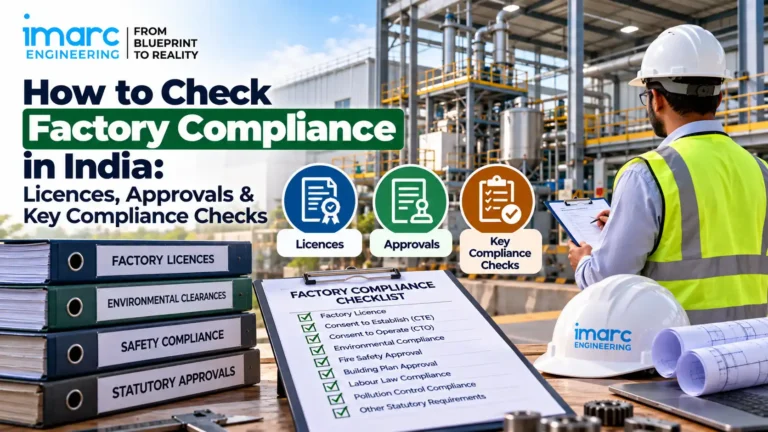
Licences and Regulatory Requirements
Starting a jewelry manufacturing unit in India requires several approvals:
- Business registration (Proprietorship, LLP, or Private Limited Company)
- Factory Licence under the Factories Act
- BIS Hallmarking Licence under the Hallmarking of Gold Jewellery and Gold Artefacts (Compulsory) Order, 2021 mandatory for all gold jewelry manufacturers selling 14KT, 18KT, and 22KT gold products in India
- GJEPC membership and export certification for manufacturers targeting international markets
- GST Registration including applicable GST on gold, silver, and gemstone purchases and jewelry sales
- Fire Safety NOC
- Import licence under the Foreign Trade Policy for import of gold, diamonds, and coloured gemstones under the relevant DGFT import channels
- Occupational Health and Safety compliance covering precious metal handling, casting furnace operations, and polishing chemical exposure management
- Custom Bonded Warehouse or SEZ unit licensing for export-oriented manufacturing units importing gold under the replenishment or advance authorisation scheme
Key Challenges to Consider
Extreme Precious Metal Price Volatility. Gold, silver, and precious metals account for 85–95% of total OpEx the most concentrated raw material dependency of any manufacturing category. Daily movements in international gold prices directly and materially impact working capital requirements, inventory valuation, gross margins, and pricing strategy. Implementing a robust gold hedging policy, managing inventory turns aggressively, and structuring buyer pricing on a gold-weight plus making-charges basis are essential risk management practices from day one.
Mandatory Hallmarking Compliance and BIS Certification. India’s mandatory hallmarking regime requires all gold jewelry manufacturers to obtain BIS hallmarking licences, maintain approved assaying and hallmarking centre relationships, and apply the BIS hallmark to every eligible gold jewelry piece sold domestically. Non-compliance carries legal penalties, forced withdrawal of non-hallmarked inventory, and reputational risk with organised retail buyers who require hallmark certification as a commercial supply condition.
High Working Capital Requirements for Precious Metal Inventory. The high intrinsic value of gold and gemstone raw materials means that even modest production volumes require significant working capital commitment to fund metal procurement and work-in-progress inventory. Managing the gold loan and metal lease financing instruments available from banks and bullion dealers is critical to controlling the financial cost of this working capital intensity without over-leveraging the business.
Skilled Artisan Workforce Dependency. Jewelry manufacturing depends critically on the skills of experienced goldsmiths, stone setters, and finishing artisans whose expertise in handcrafted operations cannot be fully automated. Recruiting, training, and retaining skilled jewellery artisans particularly for complex stone setting and handcrafted design operations represents a persistent operational challenge in a labour market where experienced craftspeople are in high demand across expanding organised sector employers.
Competition from Established Luxury and Organised Retail Brands. The Indian jewelry market is dominated by trusted brands including Tanishq, Malabar Gold, Kalyan Jewellers, and Senco Gold in organised retail, alongside globally established luxury brands such as Cartier, Tiffany, and Pandora in the premium segment. New entrants must differentiate through design innovation, niche specialisation such as the 9KT gold affordable fashion segment pioneered by the Senco-Sky Gold collaboration in September 2025 or export market focus to build sustainable market positioning.
Security and Loss Prevention Infrastructure Requirements. The high value per unit of precious metals, gemstones, and finished jewelry throughout the production and storage cycle creates acute security risk. Investment in CCTV systems, vault security, access control, and employee integrity protocols is mandatory and adds to CapEx and ongoing security management overhead that does not exist in lower-value manufacturing categories.
Frequently Asked Questions
1. How much does it cost to set up a jewelry manufacturing plant in India?
The total cost depends on plant capacity (starting from approximately 6,000 pieces per year), product range complexity, location, and security infrastructure requirements. CapEx covers land, secure facility civil construction, and machinery including casting machines, rolling mills, CNC engraving systems, stone-setting tools, polishing units, and hallmarking equipment, along with pre-operative and regulatory costs.
2. Is jewelry manufacturing profitable in India in 2026?
Yes. With gross profit margins of 25–40% and net margins of 10–25%, supported by India’s USD 85 billion gems and jewellery market projected to reach USD 130 billion by 2030, a global market growing at 4.8% CAGR toward USD 593.60 billion by 2034, and active product innovation including Senco Gold’s September 2025 9KT gold collection launch and Pandora’s February 2026 platinum-plated range announcement, the investment presents a strong profitability case.
3. What machinery is required for a jewelry manufacturing plant in India?
Key equipment includes casting machines, rolling mills, CNC engraving systems, stone-setting tools, polishing units, and hallmarking equipment.
4. What licences and approvals are required to start a jewelry manufacturing plant in India?
Required approvals include business registration, Factory Licence, BIS Hallmarking Licence under the mandatory hallmarking order, GJEPC membership for export operations, GST Registration, Fire Safety NOC, import licence for precious metal and gemstone imports, and Occupational Health and Safety compliance.
5. What raw materials are needed for jewelry manufacturing?
The primary raw materials are gold, silver, or other precious metals, gemstones and diamonds, and casting alloys. Additional process inputs include polishing compounds, soldering alloys, investment casting powder, and specialty chemicals for surface finishing and cleaning operations.
6. What are the environmental compliance requirements for a jewelry manufacturing plant in India?
Environmental requirements include compliance with chemical waste management rules for polishing compounds and acid-based cleaning agents, proper disposal of spent casting investment materials, and adherence to local zoning and land use regulations. Jewelry manufacturing is generally classified as a lower-environmental-impact industry relative to process-heavy chemical or metal manufacturing, but chemical handling and waste disposal compliance remains mandatory.
7. What is the best location to set up a jewelry manufacturing plant in India?
Established jewelry manufacturing hubs including Surat and Seepz (Mumbai) for diamond and gold export-oriented production, Jaipur for coloured gemstone and silver jewelry, Hyderabad for pearl and gemstone jewelry, and Chennai and Kolkata for traditional gold jewelry offer the best combination of skilled artisan workforce availability, raw material supply access, export infrastructure, and cluster-based supply chain support for jewelry manufacturing investment.
8. What is the break-even period for this type of plant in India?
The break-even period depends on plant scale, product mix between commodity and branded jewelry, gold procurement cost management, and distribution channel development speed. A full NPV and IRR analysis incorporating sensitivity testing for gold price movements and making-charge revenue variability is recommended for investment-grade financial planning.
9. What government incentives are available for jewelry manufacturers in India?
Gems and Jewellery SEZ infrastructure with export-oriented incentives, GJEPC export promotion and market development support, advance authorisation and replenishment licence schemes for duty-free gold import, PLI and Make in India incentives for organised sector jewelry manufacturers, state-level industrial incentive schemes in Gujarat and Maharashtra, and GST input credit mechanisms for gold purchases all provide meaningful financial and operational support for qualifying jewelry manufacturing investments.
Key Takeaways for Investors
A jewelry manufacturing plant in India represents one of the most culturally embedded and commercially resilient investment opportunities in the country’s consumer goods manufacturing landscape backed by a global market valued at USD 384.20 billion in 2025 growing at 4.8% CAGR toward USD 593.60 billion by 2034, India’s domestic gems and jewellery market projected from USD 85 billion in 2025 toward USD 130 billion by 2030, and structural demand durability rooted in India’s irreplaceable wedding, festive, and gifting cultural traditions. Financial viability is strong across the proposed production scale of 6,000 pieces per year and above, with gross margins of 25–40% and net margins of 10–25% achievable under disciplined precious metal procurement management and brand-differentiated product positioning. Active market developments including Senco Gold and Sky Gold’s September 2025 affordable 9KT gold collection targeting younger consumers, and Pandora’s February 2026 strategic product pivot in response to silver price movements confirm the continued dynamism and competitive evolution within the global jewelry manufacturing industry. For investors prepared to manage the precious metal price exposure, invest in skilled artisan workforce development, and build distribution relationships across India’s rapidly organising jewelry retail landscape, this investment delivers both strong financial returns and participation in one of the world’s most enduringly significant consumer product categories.
About the Author