The whey protein manufacturing industry forms the backbone of the global sports nutrition and functional foods sector, which serves various segments from fitness enthusiasts to clinical nutrition applications. Therefore, with constant growth in health consciousness and protein supplementation, establishing a whey protein manufacturing plant presents a promising business opportunity.
The whey protein manufacturing industry is a complex and capital-intensive industry with great potential for new entrants. However, this venture requires careful planning, significant investment, and compliance with food safety regulations. From raw materials to regulatory requirements, every phase of the business is to be conducted with utmost precision. Businesses can streamline this process by leveraging on-demand professional resources, which provide feasibility analysis, cost estimations, and requirements for technical necessities.
Step-by-Step Guide to Setup Whey Protein Manufacturing Facility
Step 1: Conducting Market Research and Feasibility Study
Analyzing the Market:
- Beyond traditional business segments (whey protein concentrate, isolate, hydrolysate), enterprises should consider emerging and upcoming trends. For example, demand for grass-fed and organic whey protein is soaring, and firms like Optimum Nutrition have even come up with dedicated clean-label product lines in their portfolio.
- Another aspect is sustainability, in which the demand for eco-friendly packaging and ethically sourced whey is rising. For example, several leading brands have announced initiatives for transitioning to biodegradable packaging and partnering with certified organic dairy farms.
- Analyze the strategies and advanced technologies offered by significant protein manufacturers in the market. For instance, cold-processed microfiltration is an advanced technology designed for preserving amino acid integrity and bioavailability. It uses cross-flow filtration systems to achieve superior protein purity without heat damage.
- Businesses need to monitor industry shifts, technological advancements, and strategic developments constantly to gain a competitive edge. Expert insights can help enterprises stay informed about market trends, competitor strategies, and innovation landscapes. Companies can make data-driven decisions to enhance their market positioning and drive sustainable growth by using tailored research.
- A robust study is essential, and businesses should also consider regional factors. For instance, a plant in Asia might focus on unflavored options due to market preferences, while a Western market plant might cater to diverse flavor profiles and ready-to-drink formats.
- Estimate the capital needed for land acquisition, infrastructure development, machinery, and working capital. Recent investments in the protein manufacturing sector highlight the significant financial commitments involved in this industry.
Step 2: Business Plan Development
Include a comprehensive financial model, considering initial investment and operating costs. Address sustainability initiatives, which can attract investors and customers. For instance, leading companies are working towards goals of reducing environmental impact through use of renewable energy and sustainable packaging. Many have targeted achieving carbon-neutral operations as part of their long-term environmental vision.
- Business Model: Businesses should plan whether to focus on manufacturing bulk whey protein powder, branded retail products, private labeling, or a combination of these approaches and build a business model accordingly.
- Funding Strategy: Outline potential funding sources, including equity investment, bank loans, or government grants for food processing industries.
- Production Capacity: Define your target production volume based on market analysis and available resources.
- Marketing and Sales Strategy: Develop plans for branding, distribution channels (retail, e-commerce, B2B), and customer acquisition through digital marketing and influencer partnerships.
- Risk Assessment: Identify potential risks, such as raw material price fluctuations, quality control challenges, or supply chain disruptions, and propose mitigation strategies.
Step 3: Navigating Legal Requirements and Obtaining Necessary Permits
Compliance with legal and regulatory frameworks is essential. Key steps include:
- Business Registration: Register your company in accordance with local laws and food business regulations.
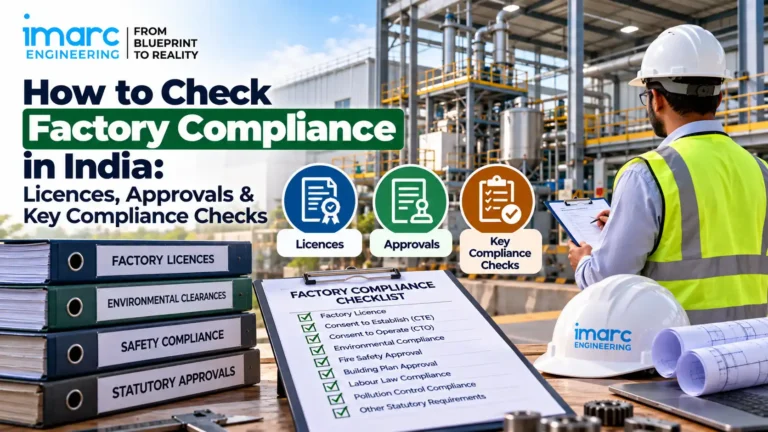
- Food Safety Approvals: Obtain necessary food safety clearances, as whey protein manufacturing involves strict hygiene standards and quality control that must meet regulatory requirements.
- Factory Licenses: Secure licenses required for operating a food processing manufacturing facility, including health department approvals.
- Quality Certifications: Aim for certifications such as ISO, HACCP, GMP, FSSAI, or FDA registration to ensure product quality and facilitate market acceptance. Sports nutrition certifications like NSF Certified for Sport or Informed-Choice add credibility for athletic consumers.
Step 4: Selecting an Optimal Location and Develop Infrastructure
Choosing the right location is critical for operational efficiency. Consider factors such as:
- Proximity to Raw Materials: Access to dairy farms, cheese manufacturing plants, or whey concentrate suppliers. Since whey is a byproduct of cheese production, proximity to cheese manufacturers reduces transportation costs.
- Logistics and Transportation: Ensure good connectivity to key markets and suppliers. Temperature-controlled transportation access is essential for maintaining product quality.
- Utilities Availability: Reliable access to electricity, high-quality water for processing, steam, and cold storage facilities.
- Land Size: Adequate space to accommodate current operations including production areas, cold storage, quality control laboratories, packaging sections, and future expansions.
Step 5: Procuring Advanced Machinery and Quality Raw Materials
Investing in state-of-the-art machinery ensures efficient production and high-quality output. Essential equipment includes:
- Filtration systems (ultrafiltration and microfiltration) for protein separation
- Spray dryers to convert liquid whey concentrate into powder form
- Pasteurization equipment for ensuring microbial safety
- Evaporators for concentrating whey before drying
- Blending and mixing equipment for adding flavors and ingredients
- Packaging machines for automatic filling, sealing, and labeling
- Quality control laboratory equipment for protein analysis and testing
- Storage tanks and silos for raw materials and finished products
Raw Material Requirements:
Source quality liquid whey or whey concentrate from reliable cheese manufacturers, along with flavoring agents, sweeteners, emulsifiers, stabilizers, and appropriate packaging materials that ensure product freshness and shelf life.
Step 6: Building a Skilled Workforce
Recruiting and training skilled personnel is vital. Key roles include:
- Food technologists and engineers for overseeing production processes, optimizing formulations, and maintaining equipment efficiency
- Quality control specialists to ensure products meet food safety standards and nutritional specifications
- R&D team for developing new flavors, formulations, and innovative products
- Sales and marketing professionals to drive market penetration, brand recognition, and digital presence
- Regulatory compliance officers to ensure adherence to food safety regulations and certification requirements
Companies with strong reputations in the supplement industry have established comprehensive training programs to develop skilled workers, contributing to their reputation for quality and consistency.
Step 7: Implementing the Production Process
The whey protein manufacturing process involves multiple stages, which include:
- Raw Material Reception: Liquid whey or whey concentrate is received and tested for quality parameters including protein content, pH, and microbial load.
- Filtration and Concentration: Using ultrafiltration or microfiltration to separate protein from lactose, fat, and minerals, producing either whey protein concentrate or isolate based on desired purity.
- Pasteurization: Heat treatment to eliminate harmful bacteria while preserving protein quality and nutritional value.
- Evaporation: Concentrating the liquid to reduce moisture content before the drying process.
- Spray Drying: Converting liquid concentrate into powder form using controlled temperature spray dryers.
- Blending: Adding flavors, sweeteners, vitamins, and other functional ingredients according to formulation specifications.
- Quality Inspection: Finished products undergo rigorous quality checks. This includes testing for protein content, amino acid profile, moisture levels, microbiological safety, heavy metals, and sensory evaluation.
- Packaging and Distribution: Approved products are packaged in moisture-proof containers with proper labeling including nutritional information, batch codes for traceability, and shipped to distributors or retailers.
Step 8: Establishing Marketing and Distribution Channels
A robust marketing and distribution strategy is essential for establishing a strong presence in the market. Consider the following approaches:
- Retail Distribution Network: Collaborate with health food stores, supplement retailers, pharmacy chains, and supermarkets to establish widespread product availability.
- E-commerce Channels: Utilize both your own website and online platforms to reach customers directly. Develop comprehensive digital marketing campaigns, leverage social media influencers, and create educational content to strengthen your brand’s online presence.
- Fitness Industry Partnerships: Form alliances with gyms, fitness centers, personal trainers, and nutritionists to promote your products and build credibility within the fitness community.
- B2B Opportunities: Supply bulk whey protein to other supplement brands, food manufacturers, or private label customers for consistent revenue streams.
- Export Opportunities: Study international markets with growing health and wellness trends and comply with their specific regulatory requirements for successful market entry.
Step 9: Ensuring Compliance with Safety and Environmental Standards
Whey protein manufacturing involves strict food safety protocols and environmental considerations, making regulatory compliance crucial. Key measures include:
- Worker Safety: Implement strict hygiene and safety protocols, provide personal protective equipment (PPE) including hairnets and gloves, and train employees on food safety practices and workplace hazards.
- Waste Management: Establish proper treatment systems for whey permeate (liquid waste from filtration), packaging waste, and other byproducts. Many companies are investing in sustainable waste utilization, converting permeate into animal feed or further processing.
- Water Treatment: Install effluent treatment plants to treat wastewater before discharge, as protein processing generates liquid waste requiring proper treatment.
- Energy Efficiency: Adopt energy-efficient spray dryers, heat recovery systems, and consider renewable energy sources to reduce operational costs and environmental footprint.
Governments and regulatory bodies worldwide are increasingly enforcing stringent food safety and environmental regulations. Leading supplement companies have pledged to reduce their environmental impact by adopting sustainable sourcing practices and energy-efficient manufacturing processes.
Step 10: Planning for Future Expansion and Innovation
Once the whey protein plant is fully operational, focus on scaling up production and expanding market reach. Key strategies include:
- Increasing Production Capacity: Expand facilities, add production lines, or upgrade to higher-capacity equipment to meet growing market demand.
- Launching New Products: Invest in research and development to create innovative products, such as ready-to-drink protein beverages, protein-enriched snacks, clear whey drinks, or specialized formulations for specific dietary needs.
- Diversification: Explore new markets, such as clinical nutrition applications, infant formula ingredients, functional food applications, or specialized sports recovery products.
- Mergers and Acquisitions: Consider acquiring smaller protein manufacturers, ingredient suppliers, or complementary brands to strengthen market position. Strategic acquisitions can help expand market share and technological capabilities, showcasing the importance of growth through strategic partnerships.
Exclusive Insights: Unlock Hidden Market Opportunities
- The rise of personalized nutrition is reshaping the protein industry, with manufacturers exploring customized formulations based on individual dietary needs and fitness goals.
- Sustainability is a major focus, with companies investing in grass-fed sourcing, eco-friendly packaging, regenerative agriculture partnerships, and transparent supply chain practices.
- Functional proteins with added benefits such as probiotics, collagen, digestive enzymes, or cognitive enhancers are becoming increasingly popular among health-conscious consumers.
- Clear whey protein drinks and innovative delivery formats are gaining traction as alternatives to traditional creamy protein shakes.
Conclusion
Starting a whey protein manufacturing plant is a capital-intensive business, but it is an extremely profitable venture. With strategic planning and expertise from market intelligence resources, one can develop a well-placed business plan amidst the complexities of the sports nutrition industry. With such a strategy, appropriate regulatory compliance, and a direction toward quality and innovation, your whey protein plant could lead in this growing industry. By following the above steps and learning from established industry leaders, you can position your business for long-term success.
Expert consulting services provide thorough planning, extensive knowledge, and strategic implementation for factory setup. With deep expertise in market research and consulting, professional advisors provide valuable insights into market dynamics, regulatory requirements, and investment opportunities across various sectors in the industry, including sports nutrition, clinical nutrition, functional foods, and wellness products.
Whether navigating local regulations, identifying cost-effective resources, securing quality raw material suppliers, or accessing skilled labor, a holistic approach with professional guidance facilitates a smooth and successful establishment of whey protein manufacturing ventures.
About the Author