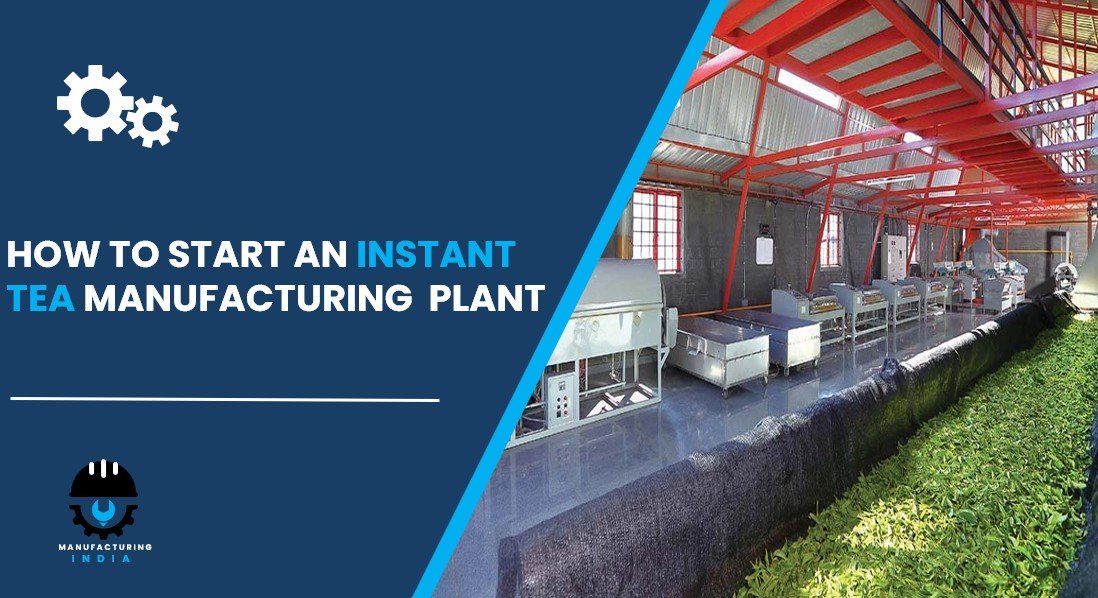
Setting up an instant tea manufacturing plant cost in india is driven by rising demand for convenient beverage options, increasing urbanization and fast-paced lifestyles, growth in ready-to-drink and powdered beverage segments, expanding café culture, and strong export demand for soluble tea extracts. The global instant tea market size was valued at USD 2.00 Billion in 2025. According to IMARC Group estimates, the market is expected to reach USD 3.77 Billion by 2034, exhibiting a CAGR of 7.3% from 2026 to 2034. This feasibility report covers a comprehensive market overview to micro-level information such as unit operations involved, raw material requirements, utility requirements, infrastructure requirements, machinery and technology requirements, manpower requirements, packaging requirements, and transportation requirements, along with a detailed setup cost covering project economics, capital investments (CapEx), operating expenses (OpEx), income and expenditure projections, and financial analysis.
Minimum Cost Required to Set Up an Instant Tea Manufacturing Plant:
Industry cost benchmarking for instant tea manufacturing indicates a minimum entry investment of approximately USD 2–4 million for a smaller-scale facility with a capacity of around 1,000 MT/year, covering essential equipment such as tea extraction vessels, filtration systems, vacuum evaporators, aroma recovery units, spray dryers or freeze dryers, blending systems, sieving units, and packaging machinery. Capital requirements can increase to around USD 5–8 million for mid-sized plants with capacities of approximately 2,000–3,000 MT/year, while larger, highly automated facilities can require USD 10–15 million or more at the upper end of the capacity range of 5,000 MT/year, particularly where advanced extraction and drying technology, automated packaging, quality-control systems, utilities, and environmental infrastructure are incorporated. IMARC’s 2026 report specifies a proposed production capacity of 1,000–5,000 MT annually and identifies tea extraction, concentration, aroma recovery, spray or freeze drying, blending, sieving, and packaging as key production stages.
Request Sample: https://www.imarcgroup.com/instant-tea-manufacturing-plant-project-report/requestsample
What is Instant Tea?
Instant tea is a powdered or granulated product which manufacturers create through the process of drying and concentrating brewed tea leaves. The manufacturing process includes extracting soluble solids from tea leaves which can be black, green or specialty varieties through hot water extraction followed by filtration, vacuum concentration and spray drying or freeze drying to produce a free-flowing powder. The product dissolves quickly in hot or cold water and retains characteristic flavor, aroma, and color of brewed tea. Instant tea serves as a common ingredient found in powdered beverage mixes, iced tea formulations, vending machine products, ready-to-drink beverages and food flavoring applications. The product maintains its commercial value because of its extended shelf life and simple handling which enables distribution to retail stores and international markets.
Key Investment Highlights
- Process Used: Tea leaf selection and cleaning, hot water extraction, filtration, concentration, aroma recovery, spray drying or freeze drying, blending, sieving, quality inspection, and packaging.
- End-use Industries: Beverage manufacturers, ready-to-drink tea producers, vending machine operators, food manufacturing companies, hospitality chains, and retail beverage brands.
- Applications: Used in powdered iced tea mixes, flavored beverage formulations, instant premixes, vending machine beverages, nutritional supplements, and confectionery flavoring.
Instant Tea Plant Capacity
The proposed manufacturing facility is designed with an annual production capacity ranging between 1,000–5,000 MT, enabling economies of scale while maintaining operational flexibility.
Instant Tea Plant Profit Margins
The project demonstrates healthy profitability potential under normal operating conditions. Gross profit margins typically range between 35–45%, supported by stable demand and value-added applications.
- Gross Profit: 35–45%
- Net Profit: 18–25%
Instant Tea Plant Cost Analysis
The operating cost structure of an instant tea manufacturing plant is primarily driven by raw material consumption, particularly tea leaves, which accounts for approximately 70–80% of total operating expenses (OpEx).
- Raw Materials: 70–80% of OpEx
- Utilities: 15–20% of OpEx
Financial Projection
The financial projections for the proposed project have been developed based on realistic assumptions related to capital investment, operating costs, production capacity utilization, pricing trends, and demand outlook. These projections provide a comprehensive view of the project’s financial viability, ROI, profitability, and long-term sustainability.
Major Applications
- Powdered Beverage Mixes: Added to instant iced tea and flavored drink blends for quick preparation and taste.
- Ready-to-Drink Beverages: Included in bottled and canned tea drinks for convenient, ready-to-consume beverages.
- Vending Solutions: Supplied to automated beverage machines for easy dispensing of tea drinks in various locations.
- Food Processing: Used as a flavoring agent in confectionery and bakery products to enhance taste.
Why Instant Tea Manufacturing?
- Rising Demand for Convenience: Consumers prefer quick-preparation beverage options for home and workplace use.
- Growth in Ready-to-Drink Segment: Expanding packaged beverage industry increases demand for soluble tea extracts.
- Strong Export Opportunities: Instant tea is widely traded in global markets due to ease of transport and storage.
- Long Shelf Life: Powdered format reduces spoilage risk compared to liquid concentrates.
- Value Addition to Tea Leaves: Processing enhances profitability compared to bulk tea sales.
Instant Tea Industry Outlook 2026
The instant tea market is expanding due to growing consumer preference for convenient beverage solutions. According to the UK Tea & Infusions Association, tea remains a universally loved beverage among Britons across all age groups. Globally, approximately 5 billion cups of tea are consumed each day, significantly surpassing the 2 billion cups of coffee consumed daily. Increasing demand for cold beverages in warm climates and rising café-style consumption at home are supporting market growth. Beverage manufacturers are incorporating soluble tea extracts into innovative ready-to-drink formulations and health-oriented drinks. Technological improvements in extraction efficiency, aroma recovery, and drying systems are enhancing product quality and flavor retention. Expansion of vending machine networks and e-commerce beverage distribution channels is further strengthening demand across developed and emerging regions.
Leading Instant Tea Manufacturers
Leading manufacturers in the global instant tea industry include several multinational companies with extensive production capacities and diverse application portfolios. Key players include:
- Nestlé SA
- Unilever plc (Lipton)
- Tata Consumer Products Limited (Tata Global Beverages)
- Ajinomoto General Foods Inc.
- The Coca-Cola Company
- ItoEn Ltd.
- Keurig Green Mountain Inc.
All of the above serve end-use sectors such as beverage manufacturers, ready-to-drink tea producers, vending machine operators, food manufacturing companies, hospitality chains, and retail beverage brands.
How to Setup an Instant Tea Manufacturing Plant?
Setting up an instant tea manufacturing plant requires evaluating several key factors, including technological requirements and quality assurance. Some of the critical considerations include:
Detailed Process Flow
The manufacturing process is a multi-step operation that involves several unit operations, material handling, and quality checks. Below are the main stages involved in the instant tea manufacturing process flow:
- Unit Operations Involved
- Mass Balance and Raw Material Requirements
- Quality Assurance Criteria
- Technical Tests
- Site Selection: The location must offer easy access to key raw materials such as tea leaves and extraction equipment. Proximity to target markets will help minimize distribution costs. The site must have robust infrastructure, including reliable transportation, utilities, and waste management systems. Compliance with local zoning laws and environmental regulations must also be ensured.
- Plant Layout Optimization: The layout should be optimized to enhance workflow efficiency, safety, and minimize material handling. Separate areas for raw material storage, production, quality control, and finished goods storage must be designated. Space for future expansion should be incorporated to accommodate business growth.
- Equipment Selection: High-quality, corrosion-resistant machinery tailored for instant tea manufacturing must be selected. Essential equipment includes extraction vessels, filtration systems, vacuum evaporators, aroma recovery units, spray dryers or freeze dryers, blending systems, and packaging machines. All machinery must comply with industry standards for safety, efficiency, and reliability.
- Raw Material Sourcing: Reliable suppliers must be secured for raw materials like tea leaves and extraction equipment to ensure consistent production quality. Minimizing transportation costs by selecting nearby suppliers is essential. Sustainability and supply chain risks must be assessed, and long-term contracts should be negotiated to stabilize pricing and ensure a steady supply.
- Safety and Environmental Compliance: Safety protocols must be implemented throughout the manufacturing process of instant tea. Advanced monitoring systems should be installed to detect leaks or deviations in the process. Effluent treatment systems are necessary to minimize environmental impact and ensure compliance with emission standards.
- Quality Assurance Systems: A comprehensive quality management system should be implemented across all stages of operations to ensure consistent product and service standards. Appropriate testing, monitoring, and validation processes must be established to evaluate performance, safety, reliability, and compliance with applicable regulatory and industry requirements. Standard operating procedures (SOPs), documentation protocols, and traceability mechanisms should be maintained to support transparency, risk management, and continuous improvement. Regular audits, inspections, and corrective action frameworks should also be integrated to enhance overall operational excellence.
Speak to an Analyst: https://www.imarcgroup.com/request?type=report&id=12658&flag=C
Project Economics
Establishing and operating an instant tea manufacturing plant involves various cost components, including:
- Capital Investment: The total capital investment depends on plant capacity, technology, and location. This investment covers land acquisition, site preparation, and necessary infrastructure.
- Equipment Costs: Equipment costs, such as those for extraction vessels, filtration systems, vacuum evaporators, aroma recovery units, spray dryers or freeze dryers, blending systems, and packaging machines, represent a significant portion of capital expenditure. The scale of production and automation level will determine the total cost of machinery.
- Raw Material Expenses: Raw materials, including core ingredients like tea leaves and extraction equipment, are a major part of operating costs. Long-term contracts with reliable suppliers will help mitigate price volatility and ensure a consistent supply of materials.
- Infrastructure and Utilities: Costs associated with land acquisition, construction, and utilities (electricity, water, steam) must be considered in the financial plan.
- Operational Costs: Ongoing expenses for labor, maintenance, quality control, and environmental compliance must be accounted for. Optimizing processes and providing staff training can help control these operational costs.
- Financial Planning: A detailed financial analysis, including income projections, expenditures, and break-even points, must be conducted. This analysis aids in securing funding and formulating a clear financial strategy.
Capital Expenditure (CapEx) and Operational Expenditure (OpEx) Analysis
Capital Investment (CapEx): Machinery costs account for the largest portion of the total capital expenditure. The cost of land and site development, including charges for land registration, boundary development, and other related expenses, forms a substantial part of the overall investment. This allocation ensures a solid foundation for safe and efficient plant operations.
Operating Expenditure (OpEx): In the first year of operations, the operating cost for the instant tea manufacturing plant is projected to be significant, covering raw materials, utilities, depreciation, taxes, packing, transportation, and repairs and maintenance. By the fifth year, the total operational cost is expected to increase substantially due to factors such as inflation, market fluctuations, and potential rises in the cost of key materials. Additional factors, including supply chain disruptions, rising consumer demand, and shifts in the global economy, are expected to contribute to this increase.
Latest Industry Developments
- August 2025: Twinings introduced Twinings Refreshers, which offers cold-water instant herbal tea products through two flavors, Strawberry Raspberry and Peach Mango. The product targets younger shoppers because it does not contain caffeine and artificial sweeteners and it includes actual dried fruit pieces. The product costs USD 6.29 and customers can purchase it from both major retail stores and online platforms.
- May 2025: Kaytea introduced its latest instant iced tea powder collection which includes Peach & Mango, Lemon, and Classic Milk Tea flavors. The vegan, dairy-free powders contain real tea and fruit extracts, offering customizable strength and sweetness. The product, which comes in 1kg pouches, is available at a price of GBP 12.49 to disrupt the UK tea industry.
Frequently Asked Questions
1. How much capital is required to start an instant tea manufacturing plant?
The capital investment generally includes land acquisition, site development, civil construction, production machinery, utilities, storage facilities, quality control equipment, installation, packaging systems, pre-operative expenses, and initial working capital. The total investment varies depending on production capacity, manufacturing technology, automation level, and plant location.
2. How do I start an instant tea manufacturing business?
Starting an instant tea manufacturing business requires conducting a market and feasibility study, selecting a suitable plant location, arranging financing, obtaining the necessary licenses and approvals, procuring and installing production equipment, recruiting skilled personnel, establishing reliable tea leaf supplies, and developing sales and distribution networks. Proper food safety, quality assurance, and environmental management systems should also be implemented.
3. What raw materials are required for instant tea manufacturing?
The primary raw material is tea leaves, which may include black tea, green tea, or specialty tea varieties depending on the desired product. Other requirements may include water, processing aids, flavoring or aroma components where applicable, and suitable packaging materials. Tea leaves represent approximately 70–80% of total operating expenses, making raw material sourcing a major cost consideration.
4. What machinery and equipment are required to start an instant tea manufacturing plant?
An instant tea manufacturing plant typically requires tea cleaning and preparation systems, extraction vessels, filtration systems, vacuum evaporators or concentration units, aroma recovery systems, spray dryers or freeze dryers, blending and sieving equipment, storage systems, quality testing instruments, and packaging machines. The specific equipment requirements depend on production capacity and the selected drying technology.
5. What are the biggest challenges in starting an instant tea manufacturing business?
Key challenges may include securing a consistent supply of quality tea leaves, managing raw material price fluctuations, maintaining consistent flavor, aroma, color, and solubility, controlling energy consumption during extraction and drying, meeting food safety and quality standards, managing production costs, and establishing reliable distribution networks. Utilities can account for approximately 15–20% of operating expenses, making energy efficiency an important consideration.
6. Who are the top instant tea manufacturers in the world?
Leading companies identified in the global instant tea industry include Nestlé S.A., Unilever plc (Lipton), Tata Consumer Products Limited, Ajinomoto General Foods Inc., The Coca-Cola Company, Ito En Ltd., and Keurig Green Mountain Inc. These companies serve applications across powdered beverage mixes, ready-to-drink beverages, vending solutions, food processing, hospitality, and retail beverage products.
Buy Report: https://www.imarcgroup.com/checkout?id=12658&method=2175
About Us:
IMARC Group is a global management consulting firm that helps the world’s most ambitious changemakers to create a lasting impact. The company excels in understanding its client’s business priorities and delivering tailored solutions that drive meaningful outcomes. We provide a comprehensive suite of market entry and expansion services. Our offerings include thorough market assessment, feasibility studies, company incorporation assistance, factory setup support, regulatory approvals and licensing navigation, branding, marketing and sales strategies, competitive landscape, and benchmarking analyses, pricing and cost research, and procurement research.
Contact Us:
IMARC Group
134 N 4th St. Brooklyn, NY 11249, USA
Email: sales@imarcgroup.com
Tel No: (D) +91 120 433 0800
United States: (+1-201-971-6302)
About the Author