Setting up a pavers block manufacturing plant in India presents a compelling investment case driven by the country’s accelerating pace of urban infrastructure expansion, road network development, and rising demand for durable, visually appealing construction materials. The construction industry, urban development sector, and landscaping projects are among the primary demand-driving industries for pavers blocks in India, where these precast concrete units have become indispensable for roads, walkways, driveways, parking lots, and decorative public spaces. As India continues to channelise capital into public infrastructure-evidenced by a 60% increase in the National Highway network, which reached 146,195 km in 2024 from 91,287 km in 2014 according to the Ministry of Road Transport and Highways (MoRTH)-the need for reliable, low-maintenance paving solutions has never been more pronounced.
India offers a strategically sound manufacturing environment for pavers block manufacturing, combining cost-competitive land and labour with a vast and proximate raw material supply chain-particularly cement, aggregates, sand, stone chips, pigments, and plasticizers. States such as Gujarat and Maharashtra, with their well-developed industrial estates and logistics infrastructure, provide an ideal foundation for greenfield plant investments. The Make in India initiative further encourages domestic manufacturing by simplifying regulatory processes and offering incentives for industrial capacity creation. These converging factors position a pavers block manufacturing plant in India as a high-potential, financially viable, and strategically timed investment.
India’s rapidly expanding highway network, smart city programmes, and residential construction boom make a pavers block manufacturing plant in India one of the most demand-resilient investments in the construction materials segment. With gross profit margins of 30-40% and a net margin of 12-18%, supported by cost-efficient manufacturing and stable end-use demand, this plant offers strong financial viability and break-even prospects across multiple capacity scales.
What is Pavers Block?
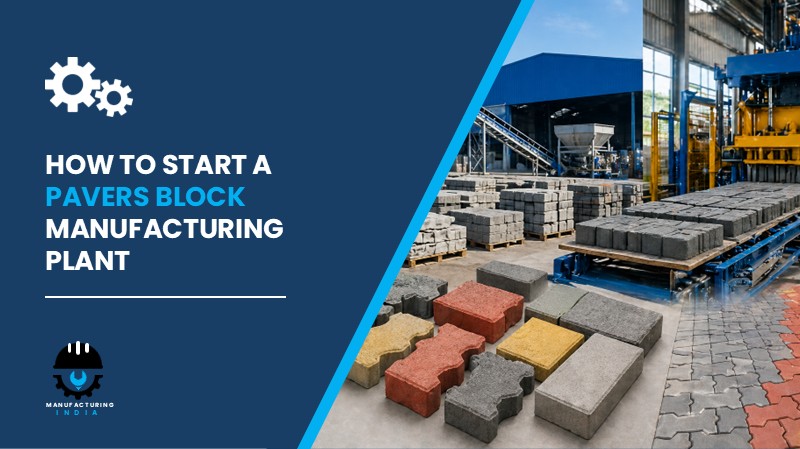
Pavers block are precast concrete units widely used for paving roads, walkways, driveways, patios, and other outdoor surfaces. They are manufactured from a blend of cement, sand, aggregates, and sometimes pigments to add colour and aesthetic appeal. Known for their durability and strength, pavers blocks provide a low-maintenance and long-lasting solution for surface paving, capable of withstanding heavy loads and adverse weather conditions. Their modular design allows for quick and easy installation, reducing construction time and labour costs.
Available in a variety of shapes, sizes, and colours, pavers blocks cater to both functional and decorative applications, enhancing the visual appeal of urban, residential, and commercial spaces while offering sustainable and cost-effective pavement solutions. The manufacturing process used in manufacturing these units involves mixing, moulding, curing, and packaging-a relatively straightforward yet precision-dependent workflow that ensures structural consistency and surface quality. End-use industries served by pavers blocks include construction, landscaping, urban development, and infrastructure, covering applications from high-traffic roads and parking lots to decorative gardens and public plazas.
Cost of Setting Up a Pavers Block Manufacturing Plant in India
The total cost of establishing a pavers block manufacturing plant in India depends on several variables, including plant capacity, technology level, degree of automation, geographical location, and regulatory compliance requirements. A thorough understanding of both capital expenditure (CapEx) and operational expenditure (OpEx) is essential before committing to this investment.
1. Capital Expenditure (CapEx)
Land and Site Development: represents a substantial portion of total capital investment. Charges for land registration, boundary development, and site clearance form the foundation of this cost head. Investors may consider locating the facility within Special Economic Zones (SEZs) or state-designated industrial estates to benefit from concessions on land costs and streamlined regulatory approvals.
Civil Works and Construction: costs cover the construction of the production shed, raw material storage areas, quality control laboratory, finished goods warehouse, and administrative block. The layout must accommodate separate zones for raw material receipt, production, curing, and dispatch to optimise workflow and minimise material-handling losses.
Machinery and Equipment: account for the largest share of total capital expenditure. Key machinery required includes:
- Concrete mixing machines
- Block moulding machines
- Curing chambers
- Quality inspection tools
Other Capital Cost: include effluent treatment plant (ETP) installation, pre-operative expenses, commissioning charges, and applicable import duties on specialised machinery components sourced internationally.
Request a Sample Report for In-Depth Market Insights: https://www.imarcgroup.com/pavers-block-manufacturing-plant-project-report/requestsample
2. Operational Expenditure (OpEx)
Raw Material Cost: is the dominant component of operational expenditure, accounting for approximately 60-70% of total OpEx. The primary raw materials required for pavers block manufacturing are cement, aggregates (sand, stone chips), pigments, and plasticizers. Cement, being the most cost-sensitive input, drives the majority of raw material spend. Investors are advised to negotiate long-term supply contracts with reputed regional suppliers to stabilise procurement costs and mitigate price volatility risk.
Utility Cost: covers electricity, water, and steam, collectively representing 10-15% of total OpEx. Efficient energy management at the production and curing stages is critical to controlling this cost element within budget.
Other Operating Cost: include transportation, packaging, salaries and wages, maintenance, depreciation, and applicable taxes. Each of these heads is projected to increase by the fifth year of operations due to factors such as inflation, market fluctuations, rising input material costs, supply chain dynamics, and shifts in the broader economy.
3. Plant Capacity
The proposed pavers block manufacturing facility is designed with an annual production capacity ranging between 150,000-250,000 sqm, enabling economies of scale while maintaining operational flexibility. Capacity can be customised based on individual investor requirements, market demand outlook, and available capital. As a general principle, profitability improves significantly with higher capacity utilisation, as fixed costs are spread more efficiently across larger output volumes.
4. Profit Margins and Financial Projections
The pavers block manufacturing plant project demonstrates healthy profitability under normal operating conditions. Gross profit margins typically range between 30-40%, supported by stable end-use demand and the value-added nature of finished pavers block products. Net profit margins are projected at 12-18% on average across the projection horizon. A detailed financial analysis covering NPV (Net Present Value), IRR (Internal Rate of Return), payback period, and sensitivity analysis is included in the full project report, providing investors with a comprehensive view of long-term financial viability, ROI, and break-even timelines under various operating scenarios.
Why Set Up a Pavers Block Plant in India?
Growing Demand for Durable Construction Materials: The increasing demand for high-quality, durable construction materials in both urban and rural development is a primary driver for the pavers block market. India’s infrastructure expansion-spanning highways, commercial complexes, airports, and industrial zones-creates sustained offtake demand for high-strength, low-maintenance paving products.
Aesthetic and Functional Solutions: Pavers blocks offer both functional and aesthetic value, making them a preferred choice in landscaping and civil construction projects. The rising preference for decorative and functional paving solutions in residential, commercial, and recreational developments-such as parks, gardens, driveways, and patios-adds a stable non-infrastructure demand layer.
Sustainability in Construction: The growing awareness and adoption of sustainable construction practices is accelerating the use of eco-friendly, permeable pavers blocks, which aid water management and reduce environmental impact. In February 2025, the Punjab and Haryana High Court directed the Chandigarh administration to install green paver blocks near the HC complex, underscoring regulatory endorsement of eco-friendly paving.
Cost-Effective Production: The pavers block manufacturing process is relatively cost-efficient, making it viable for mass production while maintaining affordable pricing. India’s cost-competitive manufacturing environment-backed by lower land costs, accessible labour, and proximity to raw material suppliers-further enhances the unit economics of this investment.
Active Industry Investment: In March 2025, the SAIL-Bhilai Steel Plant introduced its modernised Green Paver/Tiles Plant producing 2,000 pavers daily, focused on complete waste utilisation and resource conservation. This development signals growing institutional confidence in pavers block manufacturing as a commercially and environmentally relevant segment.
Local Supply Chain Preference: Construction, landscaping, and urban development companies across India are increasingly sourcing pavers blocks from domestic manufacturers to reduce procurement lead times, lower logistics costs, and comply with local sourcing preferences embedded in government infrastructure projects.
Pavers Block Manufacturing Process – Step by Step
The pavers block manufacturing process uses mixing, moulding, curing, and packaging as the primary production method. The following steps outline the unit operations involved:
- Raw Material Procurement: Cement, aggregates (sand, stone chips), pigments, and plasticizers are sourced from approved suppliers and stored in designated raw material areas.
- Concrete Mixing: Cement, aggregates, pigments, and plasticizers are combined in precise ratios using concrete mixing machines to produce a consistent, workable concrete mix.
- Block Moulding: The prepared concrete mix is fed into block moulding machines, where it is compacted and shaped into the desired pavers block dimensions and profiles.
- Quality Assurance and Technical Testing: Each batch undergoes quality assurance checks and technical tests to verify structural integrity, dimensional accuracy, and surface finish before proceeding to curing.
- Curing: Moulded blocks are transferred to curing chambers, where controlled temperature and humidity conditions are maintained to achieve the required compressive strength and durability characteristics.
- Inspection and Finishing: Cured blocks are inspected using quality inspection tools to confirm compliance with product specifications.
- Packaging and Dispatch: Approved finished blocks are packaged and dispatched to end-use industries including construction, landscaping, urban development, and infrastructure project sites.
Key Applications
Pavers blocks serve a broad spectrum of industries and end-use contexts, spanning functional infrastructure to decorative outdoor applications:
- Construction Industry: Used extensively for roads, sidewalks, and driveways due to their ability to withstand heavy traffic and harsh weather conditions.
- Landscaping and Outdoor Design: Used for creating decorative patterns in gardens, parks, and outdoor public spaces.
- Urban Infrastructure: Ideal for urban development projects such as pedestrian walkways, plazas, and recreational areas.
Leading Pavers Block Manufacturers
The global pavers block market is served by several multinational companies with extensive production capacities and diverse application portfolios. Key players in the industry include:
- Adelaide Brighton
- Beumer Group
- Boral Limited
- Cemex
- Forterra
- Gulf Ready Mix Concrete
- Hanson
These manufacturers serve end-use sectors including construction, landscaping, urban development, and infrastructure industries across global markets.
Timeline to Start the Plant
Establishing a pavers block manufacturing plant in India involves the following phases:
- Feasibility study and project report preparation
- Land acquisition and site development
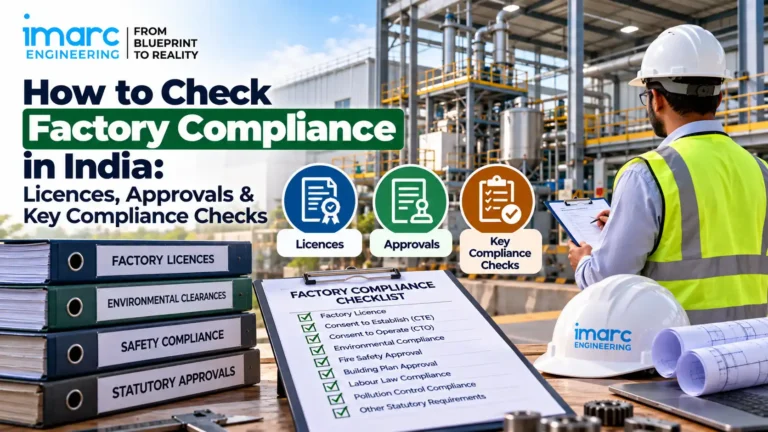
- Regulatory approvals and environmental clearances
- Factory licence and fire safety compliance
- Machinery procurement and installation
- Raw material supplier agreements and supply chain setup
- Trial manufacturing and quality testing
- Commercial manufacturing launch
Licences and Regulatory Requirements
Starting a pavers block manufacturing unit in India requires several approvals:
- Business registration (Proprietorship, LLP, or Pvt Ltd)
- Factory Licence under the Factories Act
- Environmental Clearance from State Pollution Control Board
- GST Registration
- Fire Safety NOC
- Effluent Treatment Plant (ETP) operational clearance
- Occupational Health and Safety compliance
Key Challenges to Consider
High Capital Requirements: The total capital investment for a pavers block plant-covering land, civil works, concrete mixing machines, block moulding machines, curing chambers, and quality inspection tools-is substantial, requiring careful financial planning and phased investment where necessary.
Raw Material Price Volatility: Cement, the most cost-sensitive input at 60-70% of total OpEx, is subject to price fluctuations linked to energy costs, supply dynamics, and market demand. Aggregates (sand and stone chips), pigments, and plasticizers are also exposed to procurement price variability, which investors must hedge through long-term supply contracts.
Regulatory Compliance: Obtaining environmental clearances, ETP operational approvals, factory licences, and fire safety NOCs requires time and resources. Regulatory timelines can extend project commissioning schedules if not planned in advance.
Competition: The market includes established global players such as Adelaide Brighton, Boral Limited, Cemex, Forterra, and Hanson, alongside growing regional competition. New entrants must differentiate on quality, delivery, and pricing to capture market share effectively.
Technology and Innovation Pressure: Growing regulatory and consumer preference for permeable, eco-friendly paver blocks-as evidenced by the Punjab and Haryana High Court directive in February 2025-requires manufacturers to invest in product innovation and sustainable manufacturing methods.
Skilled Manpower: Operating concrete mixing machines, block moulding machines, and curing chambers requires trained technical staff. Recruiting and retaining skilled plant operators and quality control personnel is an ongoing operational challenge.
Frequently Asked Questions
1. How much does it cost to set up a pavers block manufacturing plant in India?
The total setup cost depends on plant capacity (150,000-250,000 sqm annually), location, machinery selection, automation level, and regulatory compliance. The largest cost components are machinery, land and site development, and civil works. A detailed CapEx breakdown is available in IMARC Group’s project report.
2. Is pavers block manufacturing profitable in India in 2026?
Yes. The pavers block plant project demonstrates gross profit margins of 30-40% and net profit margins of 12-18% under normal operating conditions, supported by stable demand from construction, infrastructure, and landscaping sectors.
3. What machinery is required for a pavers block plant in India?
Key machinery includes concrete mixing machines, block moulding machines, curing chambers, and quality inspection tools.
4. What licences and approvals are required to start a pavers block plant in India?
Required approvals include business registration, Factory Licence under the Factories Act, Environmental Clearance from the State Pollution Control Board, GST Registration, Fire Safety NOC, ETP operational clearance, and Occupational Health and Safety compliance.
5. What raw materials are needed for pavers block manufacturing?
The primary raw materials are cement, aggregates (sand, stone chips), pigments, and plasticizers. Cement is the most cost-critical input, accounting for approximately 60-70% of total operational expenditure.
6. What are the environmental compliance requirements for a pavers block plant in India?
Operators must obtain Environmental Clearance from the State Pollution Control Board, maintain an operational Effluent Treatment Plant (ETP), and comply with emission standards and waste management regulations.
7. What is the best location to set up a pavers block plant in India?
Ideal locations offer proximity to cement and aggregate suppliers, access to reliable transportation and utilities, availability of industrial land, and compliance with local zoning laws. States with established industrial estates such as Gujarat and Maharashtra are strategically advantageous.
8. What is the break-even period for this type of plant in India?
The break-even timeline depends on capacity utilisation, pricing, and cost management. A detailed payback period analysis is provided in the full project report, covering NPV, IRR, and sensitivity analysis across multiple scenarios.
9. What government incentives are available for manufacturers in India?
India’s Make in India initiative, state-level industrial policies, and SEZ frameworks offer incentives including subsidised land, tax exemptions, capital subsidy schemes, and simplified regulatory approvals for manufacturing investments.
Key Takeaways for Investors
The pavers block manufacturing plant in India presents a well-rounded investment opportunity underpinned by growing demand from construction, urban infrastructure, and landscaping sectors-all of which are benefiting from India’s sustained infrastructure expenditure and urbanisation push. The manufacturing facility demonstrates strong financial viability across capacity scales, with gross margins of 30-40% and net margins of 12-18%, supported by a cost-efficient manufacturing process and stable end-use offtake. The global pavers block market, valued at USD 4.82 billion in 2025, is projected to reach USD 7.48 billion by 2034 at a CAGR of 5.0%, providing a robust long-term demand trajectory. With institutional momentum-evidenced by new plant launches and regulatory endorsements of eco-friendly paver solutions in early 2025-investor interest in this segment is supported by both market fundamentals and policy tailwinds.
About the Author