The biomass briquettes manufacturing industry forms the backbone of the global renewable energy and sustainable fuel sector, which serves various segments from industrial boilers to residential heating systems. Therefore, with constant growth in environmental consciousness and clean energy adoption, establishing a biomass briquettes manufacturing plant presents a promising business opportunity.
The biomass briquettes manufacturing industry is a complex and capital-intensive industry with great potential for new entrants. However, this venture requires careful planning, significant investment, and compliance with environmental regulations. From raw material sourcing to regulatory requirements, every phase of the business is to be conducted with utmost precision. Businesses can streamline this process by leveraging on-demand professional resources, which provide feasibility analysis, cost estimations, and requirements for technical necessities.
Step-by-Step Guide to Setup Biomass Briquettes Manufacturing Facility
Step 1: Conducting Market Research and Feasibility Study
Analyzing the Market:
Beyond traditional business segments such as industrial fuel and agricultural waste management, enterprises should consider emerging and upcoming trends. For example, demand for high-density briquettes with enhanced calorific value is soaring, and firms have come up with dedicated product lines featuring superior burning efficiency and minimal ash content.
Another aspect is sustainability, where the demand for eco-friendly production processes and zero-waste manufacturing is rising. Several leading brands have announced initiatives for transitioning to green energy in production facilities and partnering with certified waste management programs.
Analyze the strategies and advanced technologies offered by significant biomass fuel manufacturers in the market. For instance, advanced densification systems are designed for maximizing briquette density and durability. These use sophisticated pressure mechanisms to achieve superior binding and moisture resistance.
Businesses need to monitor industry shifts, technological advancements, and strategic developments constantly to gain a competitive edge. Expert insights can help enterprises stay informed about market trends, competitor strategies, and innovation landscapes. Companies can make data-driven decisions to enhance their market positioning and drive sustainable growth by using tailored research.
A robust study is essential, and businesses should also consider regional factors. For instance, a plant in agricultural regions might focus on crop residue-based briquettes due to raw material availability, while a forest area plant might cater to wood-based products and extended distribution networks.
Estimate the capital needed for land acquisition, infrastructure development, machinery, working capital, and research and development. Recent investments in the renewable energy manufacturing sector highlight the significant financial commitments involved in this industry.
Step 2: Business Plan Development
Include a comprehensive financial model, considering initial investment and operating costs. Address sustainability initiatives, which can attract investors and customers. For instance, leading companies are working towards goals of reducing environmental impact through use of renewable energy and sustainable manufacturing practices. Many have targeted achieving carbon-neutral operations as part of their long-term environmental vision.
Business Model: Businesses should plan whether to focus on manufacturing standard briquettes, specialized high-grade fuel products, private labeling, contract manufacturing, or a combination of these approaches and build a business model accordingly.
Funding Strategy: Outline potential funding sources, including equity investment, bank loans, government grants for renewable energy manufacturing, or strategic partnerships with energy companies.
Production Capacity: Define your target production volume based on market analysis and available resources, considering whether to start with small-scale operations or aim for large-scale production.
Marketing and Sales Strategy: Develop plans for branding, distribution channels including industrial clients, agricultural cooperatives, retail outlets, and direct-to-consumer sales, and customer acquisition through digital marketing and demonstration programs.
Risk Assessment: Identify potential risks, such as raw material price fluctuations, biomass supply chain disruptions, regulatory changes in environmental policies, or challenges in logistics infrastructure, and propose mitigation strategies.
Step 3: Navigating Legal Requirements and Obtaining Necessary Permits
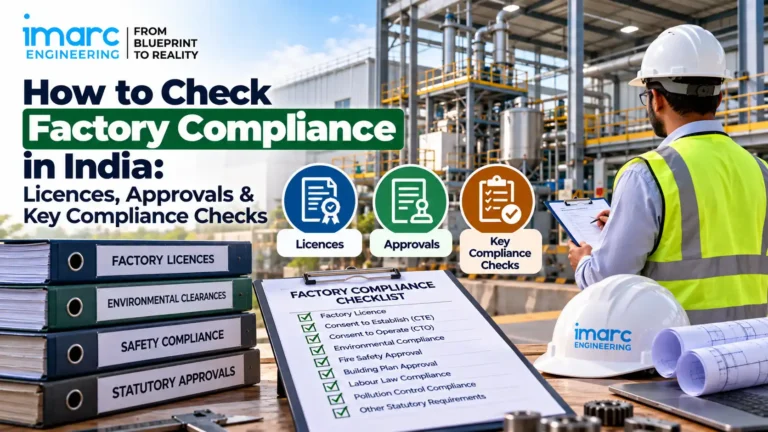
Compliance with legal and regulatory frameworks is essential. Key steps include:
Business Registration: Register your company in accordance with local laws and manufacturing regulations.
Environmental Approvals: Obtain necessary environmental clearances, as biomass briquettes manufacturing involves processing agricultural and forestry waste that must meet regulatory requirements for emissions and waste management.
Factory Licenses: Secure licenses required for operating a manufacturing facility, including pollution control board approvals and air quality compliance certificates.
Fire Safety Certifications: Aim for certifications related to combustible material handling, storage safety standards, and fire prevention system approvals to ensure facility safety and facilitate market acceptance.
Quality Certifications: Obtain certifications such as ISO standards for quality management, biomass fuel specifications, and testing facility approvals for product quality assurance.
Step 4: Selecting an Optimal Location and Develop Infrastructure
Choosing the right location is critical for operational efficiency. Consider factors such as:
Proximity to Raw Materials: Access to agricultural residue suppliers, forestry waste sources, sawmill operations, and biomass collection centers. Proximity to agricultural belts reduces transportation costs and ensures steady raw material supply.
Logistics and Transportation: Ensure good connectivity to key markets, suppliers, and distribution facilities. Access to highways, railways, and industrial zones is essential for distributing finished products and receiving bulk raw materials.
Utilities Availability: Reliable access to electricity for manufacturing operations, adequate water supply for cooling systems, compressed air facilities, and sufficient space for raw material storage and finished goods warehousing.
Land Size: Adequate space to accommodate current operations including production areas, raw material drying yards, quality control laboratories, storage warehouses, packaging sections, and future expansions for increased capacity.
Step 5: Procuring Advanced Machinery and Quality Raw Materials
Investing in state-of-the-art machinery ensures efficient production and high-quality output. Essential equipment includes:
Raw Material Processing Equipment: Chippers and crushers for size reduction, hammer mills for fine grinding, rotary dryers for moisture removal, screening machines for particle size classification
Briquetting Machines: Mechanical screw press briquetting machines, hydraulic briquetting presses, piston press systems, roller press briquetting equipment
Material Handling Systems: Conveyor belt systems for material movement, bucket elevators for vertical transport, storage silos and hoppers, feeders and dosing equipment
Auxiliary Equipment: Cooling systems for hot briquettes, packaging machines for finished products, dust collection and filtration systems, weighing and batching equipment
Quality Control Equipment: Calorific value testing apparatus, moisture content analyzers, density measurement instruments, ash content testing equipment, mechanical strength testers
Utilities Infrastructure: Electrical distribution systems, compressed air generation equipment, water treatment facilities, fire suppression systems
Raw Material Requirements:
Source quality biomass materials from reliable suppliers, including agricultural residues like rice husk, wheat straw, cotton stalks, sugarcane bagasse, forestry waste including sawdust and wood chips, industrial biomass waste, energy crops, appropriate binders if required, and packaging materials that ensure product protection during transportation and storage.
Step 6: Building a Skilled Workforce
Recruiting and training skilled personnel is vital. Key roles include:
Mechanical engineers and process engineers for overseeing production processes, optimizing briquetting parameters, equipment maintenance, and maintaining operational efficiency.
Quality control specialists to ensure products meet fuel standards and performance specifications.
R&D team for developing new biomass formulations, improving briquetting technology, and creating innovative products with enhanced characteristics.
Sales and marketing professionals to drive market penetration, industrial client acquisition, distributor network development, brand recognition, and digital presence.
Environmental compliance officers to ensure adherence to environmental regulations and certification requirements.
Production line workers and technicians trained in biomass handling, machine operation, quality inspection procedures, and safety protocols.
Companies with strong reputations in the biomass energy industry have established comprehensive training programs to develop skilled workers, contributing to their reputation for quality and reliability.
Step 7: Implementing the Production Process
The biomass briquettes manufacturing process involves multiple stages, which include:
Raw Material Reception and Storage: Receiving biomass materials from suppliers and conducting incoming quality control checks including moisture content verification, contamination inspection, and classification by biomass type.
Material Preparation: Size reduction through chipping or crushing operations, grinding to achieve desired particle size distribution, screening to remove oversized particles, and magnetic separation to remove metallic contaminants.
Drying Process: Reducing moisture content to optimal levels using rotary dryers, flash dryers, or natural sun drying methods, continuous monitoring of moisture levels, and ensuring uniform drying throughout the material batch.
Briquetting Operation: Feeding prepared biomass into briquetting machines, applying high pressure to densify material without or with minimal binders, extrusion through dies to form desired briquette shapes, temperature generation through compression creating natural binding.
Cooling and Stabilization: Hot briquettes are cooled gradually using cooling conveyors or cooling chambers, allowing thermal setting and hardening to occur, preventing thermal cracking and ensuring structural integrity.
Quality Inspection: Finished briquettes undergo rigorous quality checks including visual inspection for cracks or defects, dimensional accuracy verification, density and hardness testing, moisture content analysis, calorific value determination, ash content measurement, and durability assessment.
Packaging and Storage: Approved products are packaged in appropriate materials such as bags, bulk packaging, or containerized formats with proper labeling including product specifications, batch codes for traceability, handling instructions, and stored in dry warehouses before distribution to customers.
Step 8: Establishing Marketing and Distribution Channels
A robust marketing and distribution strategy is essential for establishing a strong presence in the market. Consider the following approaches:
Industrial Client Development: Collaborate with brick kilns, ceramic industries, thermal power plants, food processing units, and boiler operators to ensure steady bulk orders and long-term supply contracts.
Agricultural Cooperatives: Partner with farmer producer organizations, agricultural societies, and rural cooperatives to access both raw material sources and potential customer bases in agricultural communities.
Distribution Network: Establish relationships with fuel distributors, biomass traders, retail outlets, and agricultural supply stores to ensure widespread product availability.
B2B Opportunities: Supply briquettes to other brands through white-labeling arrangements, partner with energy service companies, collaborate with renewable energy project developers, or supply to hospitality and institutional users.
Export Opportunities: Study international markets with growing renewable energy adoption and comply with their specific quality standards, certification requirements, and shipping regulations for successful market entry.
Step 9: Ensuring Compliance with Safety and Environmental Standards
Biomass briquettes manufacturing involves handling combustible materials and environmental considerations, making regulatory compliance crucial. Key measures include:
Worker Safety: Implement strict safety protocols for combustible material handling, provide personal protective equipment including dust masks, gloves, and safety gear, and train employees on fire safety, machinery operation, and workplace hazards.
Fire Prevention and Control: Establish proper fire detection and suppression systems, maintain safe storage practices for raw materials and finished products, implement hot work permits for maintenance activities, and train staff on emergency response procedures.
Dust Management: Install dust collection systems throughout the facility, implement proper ventilation systems, maintain clean work environments to prevent dust accumulation, and monitor air quality to comply with occupational health regulations.
Emissions Control: Install air pollution control systems for dryers and material handling equipment, implement proper exhaust systems, and monitor environmental emissions to comply with local regulations.
Energy Efficiency: Adopt energy-efficient manufacturing equipment, implement waste heat recovery systems, consider utilizing own briquette products for process heating to reduce operational costs and demonstrate product reliability.
Governments and regulatory bodies worldwide are increasingly enforcing stringent environmental regulations. Leading biomass energy companies have pledged to reduce their environmental impact by adopting sustainable manufacturing practices and zero-waste production systems.
Step 10: Planning for Future Expansion and Innovation
Once the biomass briquettes plant is fully operational, focus on scaling up production and expanding market reach. Key strategies include:
Increasing Production Capacity: Expand facilities by adding production lines, upgrade to higher-capacity automated equipment, or establish additional manufacturing facilities in different regions to meet growing market demand.
Launching New Products: Invest in research and development to create innovative products, such as high-density torrefied briquettes, specialized industrial-grade fuel products, biomass pellets, biochar products, or charcoal briquettes for specific applications.
Diversification: Explore new markets such as residential heating products, barbecue charcoal, activated carbon production, animal bedding from processing byproducts, or entry into bioenergy co-generation.
Technology Integration: Develop advanced features like automated moisture control systems, real-time quality monitoring, predictive maintenance systems for equipment, improved binder formulations for enhanced durability, or torrefaction technology for premium fuel products.
Vertical Integration: Consider backward integration by establishing biomass collection networks, raw material preprocessing facilities, or forward integration through direct energy supply contracts to reduce dependency on intermediaries and improve margins.
Strategic Partnerships: Consider collaborations with agricultural organizations, energy companies for long-term supply agreements, technology providers for equipment upgrades, research institutions for product development, or renewable energy project developers to strengthen market presence.
Exclusive Insights: Unlock Hidden Market Opportunities
The rise of industrial decarbonization is reshaping the biomass fuel industry, with manufacturers exploring partnerships with cement plants, steel industries, and other heavy industries looking to replace fossil fuels with renewable alternatives.
Advanced carbonization technology is a major focus, with companies investing in torrefaction processes, improved binding techniques, moisture-resistant formulations, and enhanced calorific value products to compete with conventional fuels.
Automation and process control are becoming increasingly important, with manufacturers implementing automated feeding systems, continuous monitoring technologies, quality assurance automation, and integrated plant management systems.
Circular economy approaches including agricultural waste valorization, industrial symbiosis programs, byproduct utilization for soil amendments, and comprehensive sustainability certification are gaining traction among environmentally conscious manufacturers.
Customization and quality differentiation are emerging as market differentiators, with specialized products for specific industries, premium grades for export markets, and certified organic biomass fuels for niche applications.
About the Author