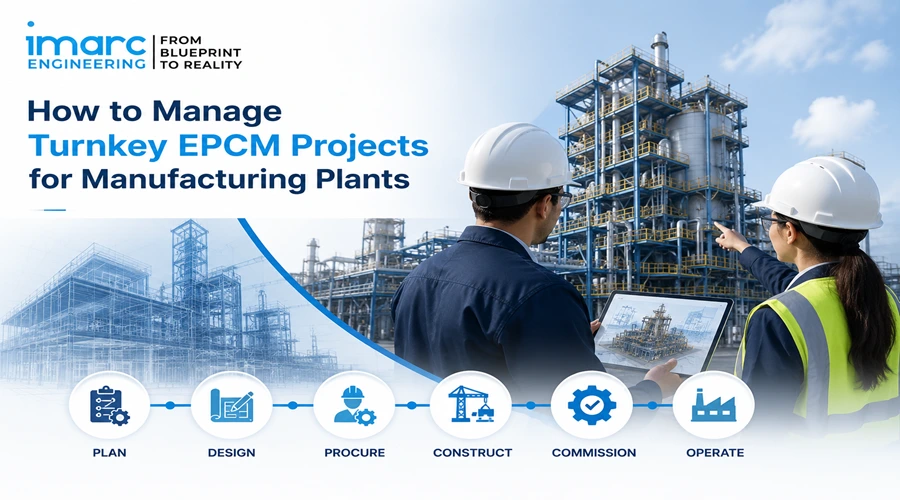
Turnkey EPCM Projects for Manufacturing Plants
India’s manufacturing sector is expanding rapidly across industries such as pharmaceuticals, chemicals, food processing, automotive, electronics, textiles, and renewable energy. With increasing investments in industrial infrastructure, businesses are seeking efficient ways to establish and scale production facilities while maintaining cost control, compliance, and operational efficiency. This is where turnkey EPCM projects in India play a vital role.
Engineering, Procurement, Construction, and Management (EPCM) is a comprehensive project delivery model that enables companies to execute manufacturing plant projects through a single coordinated framework. From feasibility studies and engineering design to procurement, construction supervision, commissioning, and operational readiness, EPCM solutions help streamline industrial project execution while reducing delays and risks.
This article explains how to successfully manage Turnkey EPCM projects for manufacturing plants in India, along with key strategies, challenges, and best practices for efficient project execution.
Understanding Turnkey EPCM Projects
A turnkey EPCM project refers to a complete industrial project delivery approach where an EPCM consultant manages the entire lifecycle of a manufacturing facility. The client receives a fully operational plant ready for production.
Unlike traditional project execution methods, turnkey manufacturing project management integrates multiple activities under one centralized structure, including:
- Feasibility studies and DPR preparation
- Plant engineering consultancy
- Process engineering and utility planning
- Procurement and vendor coordination
- Construction management
- Installation and commissioning
- Quality assurance and compliance management
- Operational readiness support
This approach is widely used for greenfield manufacturing plant projects and brownfield expansion projects across India.
Importance of EPCM Services for Manufacturing Plants
Manufacturing facilities involve complex engineering activities, multi-vendor coordination, regulatory approvals, and strict project timelines. Managing these components independently can create operational inefficiencies and cost overruns.
Professional EPCM services for manufacturing plants provide several advantages:
Improved Project Coordination
An EPCM consultant in India ensures seamless coordination between engineering teams, contractors, suppliers, and stakeholders. This reduces communication gaps and improves project scheduling.
Better Cost Optimization
Cost optimization in EPCM projects is achieved through accurate budgeting, procurement planning, and resource allocation. Early-stage planning helps minimize unnecessary expenditures during execution.
Reduced Project Delays
Industrial project timeline management becomes more effective when engineering, procurement, and construction activities are integrated under a unified project management framework.
Regulatory Compliance
Manufacturing plants in India require approvals related to environmental, safety, utility, and industrial compliance regulations. EPCM consultants help ensure adherence to all statutory requirements.
Operational Readiness
Turnkey industrial plant execution focuses not only on construction but also on ensuring that the facility is production-ready before handover.
Key Stages in Turnkey EPCM Project Management
Successful manufacturing plant EPCM services depend on systematic planning and execution across multiple stages.
1. Feasibility Study and Project Planning
The first stage involves evaluating technical, financial, and operational feasibility. Feasibility study and DPR services help determine:
- Project viability
- Investment requirements
- Land and infrastructure needs
- Utility requirements
- Production capacity planning
- Regulatory obligations
At this stage, businesses also define project scope, timelines, budgets, and operational objectives.
2. Engineering Design and Plant Layout
Engineering forms the foundation of successful industrial project execution services. Detailed engineering activities include:
- Plant layout and engineering design
- Process flow development
- Utility system planning
- Structural and civil design
- MEP engineering
- Safety and EHS planning
An optimized manufacturing facility development plan improves operational efficiency and future scalability.
3. Procurement and Vendor Management
Procurement is one of the most critical aspects of turnkey EPCM projects. Delays in equipment sourcing or vendor coordination can significantly impact project timelines.
Industrial procurement management includes:
- Vendor identification and evaluation
- Technical specification drafting
- Equipment sourcing
- Contract management
- Supply chain coordination
- Quality inspections
Strong vendor coordination for industrial projects helps maintain quality standards and avoid procurement bottlenecks.
4. Construction and Project Execution
During the construction phase, EPCM teams oversee:
- Site development
- Civil construction
- Structural fabrication
- Equipment installation
- Utility integration
- Construction supervision services
Construction management ensures that all activities align with engineering specifications, quality requirements, and safety standards.
Digital project monitoring for EPCM is increasingly being adopted to track progress, monitor resources, and improve decision-making during execution.
5. Quality Assurance and Compliance Management
Quality assurance in manufacturing projects is essential to maintain operational reliability and regulatory compliance.
EPCM teams implement:
- Inspection and testing procedures
- Documentation management
- Safety audits
- Environmental compliance monitoring
- Equipment validation protocols
Industrial compliance consulting in India is particularly important for sectors such as pharmaceuticals, food processing, chemicals, and medical devices.
6. Plant Commissioning and Operational Readiness
Manufacturing plant commissioning is the final stage before production begins. This phase includes:
- Utility testing
- Equipment trial runs
- Process validation
- Performance verification
- Workforce training
- SOP implementation
Factory commissioning services ensure that the plant operates efficiently and meets production targets from day one.
Start Your Turnkey Project Journey: https://www.imarcengineering.com/contact?service=turnkey-project-management
Common Challenges in EPCM Projects
Although EPCM solutions for manufacturing industry projects offer numerous advantages, companies often face execution challenges.
Multi-Vendor Coordination Issues
Large manufacturing projects involve multiple contractors and suppliers. Without centralized management, coordination gaps can delay project progress.
Cost Escalation
Fluctuations in material prices, design changes, and procurement delays can impact project budgets.
Regulatory Delays
Manufacturing plant regulatory approvals in India can be time-consuming if documentation and compliance processes are not managed properly.
Scope Changes
Frequent project modifications during execution can disrupt engineering and procurement schedules.
Resource Management Challenges
Industrial construction management requires efficient allocation of manpower, equipment, and utilities to maintain productivity.
Best Practices for Managing Turnkey Manufacturing Projects
To ensure successful project execution, organizations should adopt the following strategies.
Develop a Detailed Project Roadmap
Comprehensive planning helps establish realistic timelines, budgets, and operational goals before execution begins.
Choose the Right EPCM Consultant
An experienced EPCM consultant for manufacturing plants in India can provide industry expertise, risk management capabilities, and structured execution methodologies.
Focus on Risk Management
Project risk management in EPCM should include contingency planning for procurement delays, cost variations, regulatory challenges, and construction risks.
Use Digital Monitoring Tools
Modern project management software improves reporting, scheduling, and collaboration across stakeholders.
Prioritize Sustainability
Sustainable manufacturing plant development practices help improve energy efficiency, environmental compliance, and long-term operational performance.
Ensure Effective Communication
Regular coordination meetings between engineering teams, vendors, contractors, and management improve project transparency and accountability.
Future of EPCM Services in India
India’s growing focus on industrial expansion, Make in India initiatives, and smart manufacturing infrastructure is driving demand for turnkey engineering services.
Industries increasingly require:
- Smart manufacturing infrastructure development
- Automation integration
- ESG and EHS compliance support
- Energy-efficient plant design
- Digitized project lifecycle management
As manufacturing investments continue to rise, turnkey factory setup consultants and industrial engineering consultants will play a critical role in accelerating project execution and operational readiness.
Conclusion
Managing turnkey EPCM projects for manufacturing plants in India requires strategic planning, technical expertise, and strong execution capabilities. From feasibility studies and engineering design to procurement, construction supervision, compliance management, and plant commissioning, every phase must be carefully coordinated to ensure project success.
Professional EPCM services help businesses reduce operational risks, optimize costs, improve project timelines, and achieve efficient manufacturing plant development. As industries continue to modernize and expand, adopting structured turnkey project management approaches will remain essential for achieving sustainable industrial growth and long-term operational excellence.
Contact Us:
IMARC Engineering
Phone: +91-120-433-0800
Email: sales@imarcengineering.com
India: C-130, Sector 2, Noida, Uttar Pradesh 201301
LinkedIn: https://www.linkedin.com/showcase/imarc-engineering/
About the Author