Setting up a hemp seed flour manufacturing plant in India presents a compelling investment case driven by rising demand across the food and beverage industry, nutraceuticals, and animal nutrition. Hemp seed flour – a high-protein, gluten-free, and clean-label functional ingredient derived from Cannabis sativa L – is rapidly gaining ground as health-conscious consumers across India and globally shift toward plant-based diets, alternative protein sources, and functional food formulations. Applications spanning protein powders, gluten-free baking mixes, bread, cookies, pasta, breakfast cereals, energy bars, smoothies, and dietary supplements are creating diversified and expanding demand streams that make this category one of the most commercially attractive in the functional food ingredients space today.
India’s structural advantages make this investment strategically compelling. In November 2022, the Food Safety and Standards Authority of India (FSSAI) clarified that hemp seeds and related seed-based products are permitted for sale, including through e-commerce platforms, provided food businesses hold valid FSSAI licences and meet all applicable regulatory standards. This landmark regulatory clarification has significantly improved market confidence and opened formal commercial channels for hemp-based food ingredients domestically. States with established hemp cultivation programmes – combined with the Government of India’s Make in India initiative and growing retail and nutraceutical industry demand – provide a ready-made demand and supply ecosystem for a new hemp seed flour manufacturing plant in India.
India’s FSSAI regulatory green light for hemp seed products, growing consumer adoption of plant-based and gluten-free ingredients, and export potential in global functional food markets make a hemp seed flour manufacturing plant a financially sound and forward-looking investment. With gross margins of 30–40%, net margins of 10–15%, and capacity designed for 100–500 MT annually, the project delivers strong return viability aligned with the global plant-based megatrend.
What is Hemp Seed Flour?
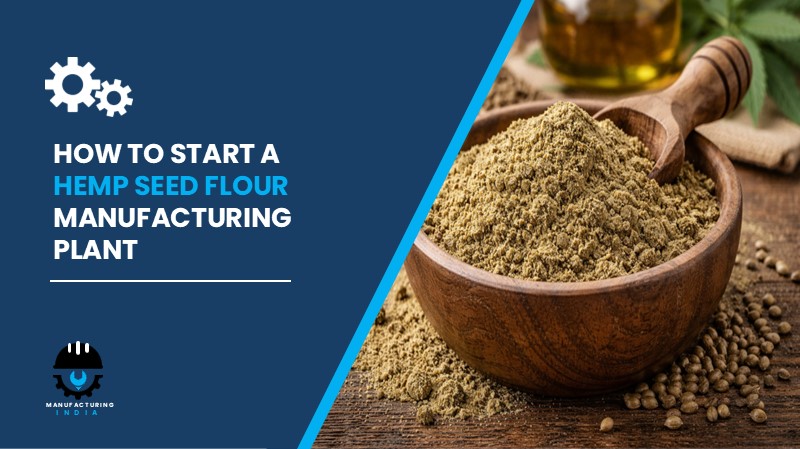
Hemp seed flour is a finely ground powder which results from processing dehulled and partially defatted hemp seeds of Cannabis sativa L in a manner that maintains their complete nutritional content. The product naturally contains plant-based protein, dietary fibre, essential fatty acids including omega-3 and omega-6, and micronutrients such as magnesium, iron, and zinc. The flour exhibits a mild nutty taste together with functional characteristics that enable it to absorb water and emulsify and bind other substances – properties that are highly valued across bakery, protein supplement, and functional food manufacturing applications.
Hemp seed flour is produced from low-THC industrial hemp varieties, which ensures the final product maintains gluten-free status and is entirely free from psychoactive compounds. The production process involves seed cleaning, dehulling, cold pressing or defatting, grinding, sieving, and packaging – a sequence that preserves the nutritional integrity of the hemp seed while producing a consistent, food-grade powder. End-use industries served include food and beverage, nutraceuticals, and animal nutrition.
Cost of Setting Up a Hemp Seed Flour Manufacturing Plant in India
The cost of establishing this production unit depends on capacity, technology selection, plant location, degree of automation, and regulatory compliance requirements.
1. Capital Expenditure (CapEx)
Total capital investment for a hemp seed flour manufacturing plant in India covers land acquisition, site preparation, civil construction, machinery, and pre-operative expenses. The cost of land and site development – including charges for land registration, boundary development, and other related expenses – forms a substantial part of the overall investment. This allocation ensures a solid foundation for safe and efficient plant operations. Investors can reduce land acquisition costs by locating the unit in an industrial food processing park, agro-processing zone, or Special Economic Zone (SEZ), which also provide shared infrastructure and potential fiscal incentives.
Civil works and construction cover the main production building, raw material storage for hemp seeds, finished product storage, a quality control laboratory, and an administrative block. Given that the facility handles food-grade ingredients, civil works must incorporate food safety-compliant materials, pest control provisions, and humidity-controlled storage to maintain hemp seed quality throughout the production process.
Machinery costs account for the largest portion of total capital expenditure. Key machinery required includes:
- Seed cleaners
- Dehullers
- Oil presses
- Grinders
- Sifters
- Automated packaging systems
Other capital costs include the effluent treatment plant (ETP), advanced process monitoring systems, pre-operative expenses, trial production costs, and commissioning charges. All machinery must comply with industry standards for safety, efficiency, and reliability as applicable to food-grade processing equipment.
Request a Sample Report for In-Depth Market Insights: https://www.imarcgroup.com/hemp-seed-flour-manufacturing-plant-project-report/requestsample
2. Operational Expenditure (OpEx)
The operating cost structure of a hemp seed flour manufacturing plant is primarily driven by raw material consumption. Hemp seeds – the sole primary raw material – account for approximately 70–80% of total operating expenses (OpEx), making procurement strategy the most critical determinant of production economics. Securing long-term supply contracts with reliable hemp seed producers is essential to mitigate price volatility and ensure a consistent supply of quality raw material. Minimising transportation costs by selecting suppliers in proximity to the facility is equally important for cost management.
Utility costs – comprising electricity for grinding, pressing, and packaging equipment, as well as water – represent 5–10% of total OpEx. Other ongoing operating costs include transportation, packaging, salaries and wages, depreciation, taxes, equipment repairs and maintenance, and other miscellaneous operating expenses.
By the fifth year of operations, the total operational cost is expected to increase substantially due to factors such as inflation, market fluctuations, and potential rises in the cost of hemp seeds. Additional factors including supply chain disruptions, rising consumer demand, and shifts in the global economy are expected to contribute to this increase.
3. Plant Capacity
The proposed manufacturing facility is designed with an annual production capacity ranging between 100 and 500 MT, enabling economies of scale while maintaining operational flexibility. Capacity can be customised per investor requirements based on target markets, available capital, and degree of automation. Profitability improves materially with higher capacity utilisation, making domestic off-take agreements with bakery companies, nutraceutical brands, and health food retailers – as well as export relationships with global plant-based food manufacturers – a commercial priority from the commissioning stage.
4. Profit Margins and Financial Projections
The project demonstrates healthy profitability potential under normal operating conditions. Gross profit margins typically range between 30–40%, supported by stable demand and value-added applications. Net profit margins range between 10–15%. A comprehensive financial model covering NPV (net present value), IRR (internal rate of return), payback period, liquidity analysis, uncertainty analysis, sensitivity analysis, and a full five-year profit and loss account provides investors with a rigorous analytical framework for assessing financial viability and long-term sustainability across different capacity and pricing scenarios.
Why Set Up a Hemp Seed Flour Plant in India?
Strong Nutrition-Driven Demand. Hemp seed flour serves as a dietary component providing high protein content and gluten-free attributes while meeting clean-label standards that match global health trends. The growing demand for alternative protein sources among health-conscious consumers and gluten-intolerant individuals in food products and nutraceuticals is driving sustained product adoption across India’s expanding modern retail, e-commerce, and wellness channels.
FSSAI Regulatory Clarity Accelerating Market Growth. In November 2022, the Food Safety and Standards Authority of India clarified that hemp seeds and related seed-based products are permitted for sale, including via e-commerce platforms, provided food businesses hold valid FSSAI licences and meet all applicable regulatory standards. This development is expected to accelerate the growth of the hemp seed flour market in India, supported by rising consumer awareness, expanding retail channels, and increasing use in health-focused food products.
Alignment with Plant-Based Megatrends. The worldwide adoption of vegan, vegetarian, and flexitarian diets creates increasing demand for alternative protein sources such as hemp seed flour. The amino acid profile, dietary fibre content, and beneficial fatty acid composition of hemp seed flour make it a high-quality functional ingredient that is well-positioned to capture growing consumer interest in sustainable and nutritionally complete plant-based food ingredients across India and export markets.
Expanding Regulatory Acceptance and Crop Availability. The growing acceptance of industrial hemp cultivation through legalisation efforts across various countries has enhanced both raw material accessibility and supply chain operational reliability. For India specifically, this creates an improving regulatory and agricultural foundation for investors in hemp seed flour manufacturing, with domestic raw material availability set to improve as industrial hemp cultivation permissions expand across Indian states.
Export and Value-Addition Potential. Hemp seed flour provides export opportunities that are growing rapidly as global interest in sustainable, plant-based food ingredients intensifies. Indian producers with FSSAI-compliant operations and strong quality control systems are well-positioned to capture export demand from markets in North America and Europe – where hemp seed flour consumption is most developed, with North America holding a 46.3% share of the global market.
Active Industry Investment Validating the Category. In June 2025, Manitoba Harvest and Whole Foods Market developed three new Hemp+ Superfood Smoothie Boosters covering Mood, Energy, and Immunity variants. The company now provides protein-rich herbal-infused blends at select Whole Foods locations throughout the United States, supporting daily nutritional needs and overall health. In July 2023, HPS Food and Ingredients partnered with Burcon NutraScience Corporation to explore commercialisation of Burcon’s high-purity, soluble hempseed protein isolate, targeting growing global demand for sustainable, premium plant-based protein solutions. These developments confirm that the global hemp seed ingredients category is actively expanding through product innovation and commercial partnerships.
Manufacturing Process – Step by Step
The hemp seed flour manufacturing process uses seed cleaning, dehulling, cold pressing or defatting, grinding, sieving, and packaging as the primary production method. Each stage is designed to preserve the nutritional profile of the hemp seed and produce a consistent, food-grade flour that meets the purity and quality standards required by food and beverage, nutraceutical, and animal nutrition customers.
- Raw Material Receipt and Inspection: Hemp seeds are received at the facility and subjected to incoming quality checks for moisture content, foreign matter, and specification compliance before entering the production line.
- Seed Cleaning: Hemp seeds pass through seed cleaners to remove dust, stones, plant debris, and foreign matter, ensuring only clean, specification-compliant seed enters the dehulling stage.
- Dehulling: Cleaned seeds are processed through dehullers to separate the outer hull from the inner seed kernel. The dehulled seed – often referred to as hemp heart – forms the primary input for flour production and contains the concentrated protein, fatty acid, and micronutrient profile of the finished product.
- Cold Pressing or Defatting: Dehulled hemp seeds are fed through oil presses in a cold-pressing operation to partially remove their natural oil content. This defatting step reduces the fat content of the flour, improves its shelf life, and concentrates the protein and fibre fractions, producing a partially defatted hemp seed cake that serves as the flour precursor.
- Grinding: The defatted hemp seed cake is processed through grinders to reduce particle size and achieve the fine, consistent powder texture required by bakery, nutraceutical, and functional food customers.
- Sifting: Ground hemp flour is passed through sifters to classify particle size, remove oversized particles, and achieve the uniform granulometry specification required for protein powder, baking mix, and dietary supplement applications.
- Quality Inspection and Testing: Sifted flour is subjected to analytical testing for protein content, moisture, fat content, fibre, micronutrient levels, and microbiological compliance before release for packaging and dispatch.
- Packaging and Dispatch: Approved hemp seed flour is filled into consumer or bulk packaging using automated packaging systems and dispatched to end-use customers across the food and beverage, nutraceuticals, and animal nutrition sectors.
Key Applications
The hemp seed flour manufacturing plant serves a broad and growing range of industries and product categories across India’s health food and functional ingredients economy.
- Food and Beverage: Used in bread, cookies, pasta, bakery premixes, and cereals – leveraging the flour’s binding, water absorption, and nutritional fortification properties in both artisan and industrial food manufacturing.
- Nutraceuticals: Employed in plant-based protein powders and dietary supplements, where the complete amino acid profile and high protein content of hemp seed flour make it a premium functional ingredient.
- Animal Nutrition: Used in high-protein feed formulations for livestock and pets – a growing application driven by the shift toward plant-based and sustainable protein sources in animal nutrition products.
- Functional Foods: Utilised in energy bars, health snacks, smoothie boosters, and fortified food products where clean-label, plant-based, and gluten-free ingredient positioning is a key commercial differentiator.
- Protein Powders and Smoothie Blends: Applied in protein-rich herbal-infused blends and superfood smoothie formulations targeting daily nutritional support, mood, energy, and immunity wellness positioning.
- Gluten-Free Baking Mixes: Incorporated into gluten-free baking premixes for bread, muffin, cookie, and pancake applications serving consumers with gluten intolerance or celiac disease.
Leading Manufacturers
The global hemp seed flour industry is served by several established manufacturers with extensive production capacities and diverse application portfolios. Key players operating in this market include:
- Manitoba Harvest
- Hemp Oil Canada
- Nutiva Inc.
- Navitas Organics
- Just Hemp Foods
- Konoplex Group
- HempFlax Group BV
- Bioriginal Food & Science Corp.
- Naturya
- Hemp Foods Australia
- North American Hemp & Grain Co. Ltd.
- Hempco Food and Fiber Inc.
- Ananta Hemp Works Pvt. Ltd.
All of these manufacturers serve end-use sectors including food and beverage, nutraceuticals, and animal nutrition – the same markets that an Indian hemp seed flour manufacturing plant can target as domestic and export demand accelerates.
Timeline to Start the Plant
Investors should plan for a structured pre-production and commissioning phase covering the following key stages:
- Feasibility study and project report preparation
- Land acquisition and site development
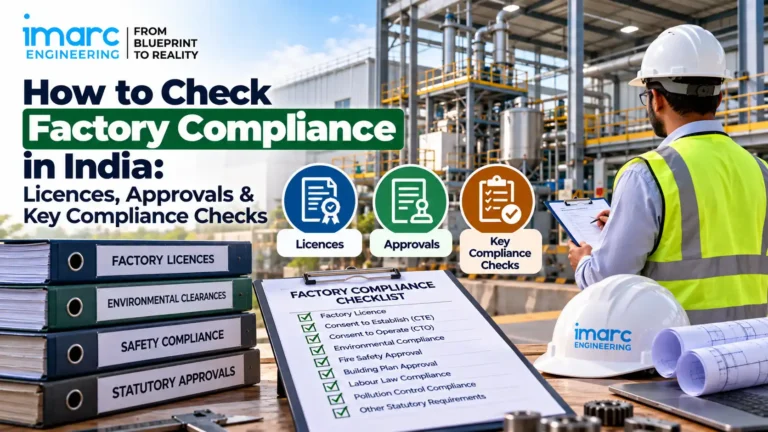
- Regulatory approvals and environmental clearances
- Factory licence and fire safety compliance
- Machinery procurement and installation
- Raw material supplier agreements and supply chain setup
- Trial production and quality testing
- Commercial production launch
Licences and Regulatory Requirements
Starting a hemp seed flour manufacturing unit in India requires several approvals:
- Business registration (Proprietorship, LLP, or Private Limited Company)
- Factory Licence under the Factories Act
- Environmental Clearance from the State Pollution Control Board
- GST Registration
- Fire Safety NOC
- FSSAI food business operator licence (mandatory for hemp seed-based food products, as clarified by FSSAI in November 2022)
- Effluent Treatment Plant (ETP) operational clearance
- Occupational Health and Safety compliance
Key Challenges to Consider
High Capital Requirements. Establishing a fully equipped hemp seed flour manufacturing plant – with dehullers, oil presses, grinders, sifters, food-grade storage, and automated packaging systems – requires significant upfront capital investment. Access to food processing sector financing under Pradhan Mantri Kisan Sampada Yojana or MSME credit-linked schemes can help bridge funding requirements.
Raw Material Price Volatility. Hemp seeds, accounting for 70–80% of total OpEx, are the dominant cost driver and are subject to availability and price fluctuations depending on domestic crop harvests and import conditions. Long-term supply contracts with reliable hemp seed growers and a diversified procurement strategy are essential risk mitigation measures for maintaining production continuity and protecting margins.
Regulatory Compliance. While FSSAI clarified the permissibility of hemp seed food products in November 2022, manufacturers must hold valid FSSAI licences and comply with all applicable food safety standards, labelling regulations, and e-commerce platform requirements. Maintaining continuous regulatory compliance and documentation for traceability adds to ongoing operational overhead.
Alignment with Sustainability and Clean-Label Pressure. End users – particularly in the nutraceutical and health food segments – increasingly require clean-label, sustainably sourced, and organically certified hemp ingredients. Producers who do not invest in traceability, organic certification, and sustainable agricultural sourcing practices may face growing resistance from premium retail and export customers.
Competition from Global Players. Established international manufacturers – including Manitoba Harvest, Nutiva Inc., Navitas Organics, HempFlax Group BV, and others – set high benchmarks for product purity, protein content certification, and brand equity. Indian producers must differentiate through locally sourced hemp, competitive pricing, FSSAI compliance, and the ability to serve both domestic and export markets with consistent product quality.
Skilled Manpower. Operating dehullers, cold presses, grinders, and sifters in a food-grade environment while maintaining quality assurance and documentation for regulatory compliance requires trained food processing personnel. Recruiting, training, and retaining qualified operators and quality control technicians is a recurring operational challenge in India’s food manufacturing sector.
Frequently Asked Questions
1. How much does it cost to set up a hemp seed flour manufacturing plant in India?
Total setup cost depends on plant capacity, location, machinery selection, and automation level. Key cost components include land and site development, food-grade civil construction, machinery (seed cleaners, dehullers, oil presses, grinders, sifters, automated packaging systems), and pre-operative expenses. A detailed feasibility study is recommended to generate accurate project-specific cost estimates.
2. Is hemp seed flour manufacturing profitable in India in 2026?
Yes. The project delivers healthy financial performance, with gross margins of 30–40% and net profit margins of 10–15% under normal operating conditions. FSSAI’s November 2022 regulatory clarification permitting hemp seed food product sales has opened formal commercial channels, and growing consumer demand for plant-based, gluten-free, and functional food ingredients supports a strong domestic and export revenue outlook.
3. What machinery is required for a hemp seed flour plant in India?
Essential equipment includes seed cleaners, dehullers, oil presses, grinders, sifters, and automated packaging systems.
4. What licences and approvals are required to start a hemp seed flour plant in India?
Required approvals include business registration, Factory Licence, Environmental Clearance from the State Pollution Control Board, GST Registration, Fire Safety NOC, a valid FSSAI food business operator licence for hemp seed-based food products, ETP operational clearance, and Occupational Health and Safety compliance.
5. What raw materials are needed for hemp seed flour manufacturing?
The primary raw material is hemp seeds – the sole dominant input, accounting for 70–80% of total operating expenses. Hemp seeds must be sourced from low-THC industrial hemp varieties to ensure the finished flour is gluten-free and free from psychoactive compounds.
6. What are the environmental compliance requirements for a hemp seed flour plant in India?
The facility must obtain Environmental Clearance from the State Pollution Control Board, operate an approved ETP, and comply with all applicable waste management and effluent discharge standards. Advanced monitoring systems must be installed to detect deviations in the process, and documentation for traceability and regulatory compliance must be maintained throughout operations.
7. What is the best location to set up a hemp seed flour plant in India?
Locations offering proximity to hemp seed raw material suppliers, reliable utility supply, and access to food processing and nutraceutical end-user clusters are preferred. The site must have robust infrastructure including reliable transportation and waste management systems, and must comply with local zoning and FSSAI food business environment standards.
8. What is the break-even period for this type of plant in India?
The break-even period depends on plant capacity, total capital investment, product selling price, and capacity utilisation rate. A comprehensive financial analysis covering NPV, IRR, payback period, and uncertainty and sensitivity analysis is the most reliable method for generating project-specific break-even timelines.
9. What government incentives are available for manufacturers in India?
Hemp seed flour producers in India can access food processing sector support under the Pradhan Mantri Kisan Sampada Yojana (PMKSY), the Production Linked Incentive (PLI) scheme for food processing, MSME credit-linked capital subsidy schemes, and state government investment promotion subsidies. Export promotion incentives under schemes administered by the Ministry of Commerce and Industry are also available to qualifying food ingredient exporters.
Key Takeaways for Investors
A hemp seed flour manufacturing plant in India offers a well-grounded investment opportunity anchored by growing demand across the food and beverage, nutraceuticals, and animal nutrition sectors, all of which are seeking high-quality, clean-label, and plant-based protein ingredients. The project is financially viable across the 100 to 500 MT annual capacity range, with gross margins of 30–40% and net margins of 10–15% providing a strong return framework for investors at multiple capital scales. The hemp seed flour market is driven by rising demand for plant-based protein ingredients, increasing consumer preference for gluten-free functional foods, and expanding applications in health foods and nutraceuticals, with North America currently holding the largest regional share at 46.3%. In India, FSSAI’s November 2022 regulatory clarification permitting hemp seed food product sales – including through e-commerce platforms – has unlocked a formal and growing domestic market that, combined with India’s export potential to global plant-based food buyers, makes the long-term demand outlook for domestically produced hemp seed flour both structurally sound and commercially durable.
About the Author