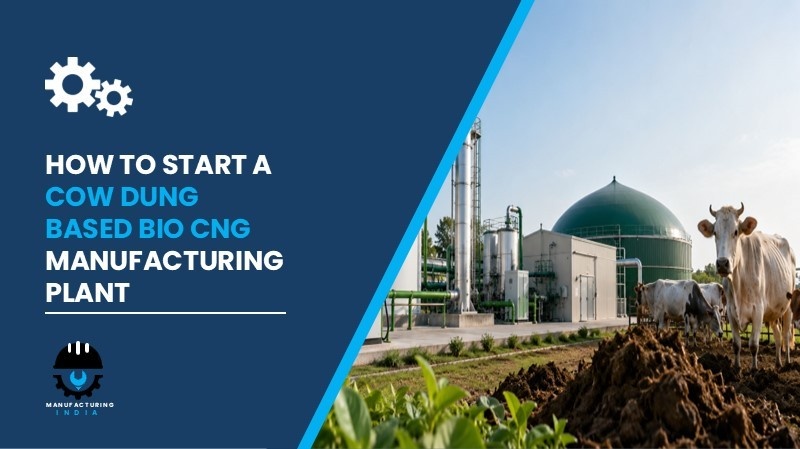
A cow dung based bio CNG manufacturing plant setup in India presents a compelling investment case, backed by rising demand across vehicle fuel, cooking gas, electricity generation, and industrial heating applications. As a renewable and carbon-neutral energy source produced through the anaerobic digestion of cattle manure and organic waste, cow dung based bio CNG is emerging as a vital link between India’s vast cattle population and the country’s growing need for clean, waste-to-energy alternatives to conventional natural gas. Its role in rural development and urban sustainability makes it increasingly important to India’s energy security goals.
India’s advantages for this production run deep: rapid urbanisation, expanding rural energy infrastructure, and a policy environment that favours clean fuel adoption all support the case for this type of plant. States with dense dairy and cattle populations offer strong, low-cost access to raw material, while growing commercial vehicle fleets and industrial heating demand create a ready domestic market.
This investment combines low-cost raw material access with strong policy support for clean fuel and waste management, positioning investors for gross margins of 26-36% and net margins of 10-18%. With capacities scalable from 500 to 5,000 MT per year, it offers a realistic path to break-even backed by steady, waste-to-energy demand.
What is Cow Dung Based Bio CNG?
Cow dung based bio CNG is a renewable and sustainable form of compressed natural gas produced through the anaerobic digestion of cattle waste and organic material. It is widely recognized for its carbon-neutral properties, waste-to-energy conversion capabilities, and strong environmental benefits, making it a practical substitute for conventional natural gas. The facility relies on anaerobic digestion as its primary production process, converting fresh cow dung, organic waste materials, and co-substrates into usable gas.
Common applications include vehicle fuel, cooking gas, electricity generation, heating systems, and use as a direct substitute for conventional natural gas. This combination of renewable sourcing and clean-burning performance makes the product essential to both rural development and urban sustainability initiatives across India.
Cost of Setting Up a Cow Dung Based Bio CNG Manufacturing Plant in India
Setup cost depends on capacity, digestion and purification technology, location, automation level, and regulatory compliance requirements.
1. Capital Expenditure (CapEx)
Capital costs begin with land and site development, where investors can consider industrial estates or dedicated energy zones for faster approvals. Civil works follow, covering the digester yard, purification area, storage sheds, and administrative block.
Key machinery required includes:
- Biogas digesters
- Gas purification units
- Compressors
- Storage tanks
- Monitoring systems
- Gas leak detection systems
- Emission control equipment
Other capital costs include effluent and waste management systems, pre-operative expenses, commissioning costs, and import duties on specialized equipment where relevant.
Request a Sample Report for In-Depth Market Insights: https://www.imarcgroup.com/cow-dung-based-bio-cng-manufacturing-plant-project-report/requestsample
2. Operational Expenditure (OpEx)
Raw material cost is a core ongoing expense, with fresh cow dung, organic waste materials, and co-substrates procured as the primary input. Investors are advised to secure long-term supplier contracts with gaushalas, dairies, and organic waste aggregators to stabilize feedstock supply and pricing. Raw material costs typically account for 15-25% of total operating expenditure at the unit.
Utility costs, covering power, heating, water, and process utilities, represent an estimated 30-38% of OpEx. Other operating costs include transportation, cylinder and pipeline-linked packaging, workforce salaries, equipment maintenance, depreciation, and taxes. Rising energy prices and feedstock volatility are expected to push operating costs higher over a five-year horizon, making early supplier planning important for margin protection.
3. Plant Capacity
In India, this type of plant can typically be set up at capacities ranging from 500 to 5,000 MT per year. Capacity can be customized based on individual investor requirements, feedstock availability, and target markets. Profitability generally improves with higher capacity utilisation, since fixed costs are spread across greater output.
4. Profit Margins and Financial Projections
Financial projections include net present value (NPV), internal rate of return (IRR), payback period, and profit and loss analysis. Gross margins are estimated at 26-36%, with net profit margins between 10-18%, making the unit an attractive proposition for investors evaluating renewable energy opportunities in India.
Why Set Up a Cow Dung Based Bio CNG Plant in India?
Rising Renewable Energy Demand: Growth in the industry is driven by rising demand for renewable energy sources across transport, heating, and power generation, a core growth driver for new capacity.
Transportation Decarbonisation: Increasing adoption in commercial vehicle fleets is accelerating decarbonisation across India’s transport sector, supporting steady offtake for new production entering the market.
Policy and Regulatory Tailwinds: Government initiatives promoting clean fuel adoption, along with supportive policies and infrastructure investments, are fostering wider industrial application and positioning the market for continued expansion.
Waste Management Synergies: Production doubles as waste management, converting cattle manure into usable energy and strengthening the case for rural locations.
Technological Advancement: Ongoing advancements in anaerobic digestion and gas purification methods are improving efficiency and output quality, helping new entrants compete on cost.
Expanding Industrial and Rural Applications: Growing use in industrial heating, power generation, and rural energy programs is expanding the addressable market beyond transport fuel alone.
Manufacturing Process – Step by Step
The cow dung based bio CNG manufacturing process uses anaerobic digestion as the primary production method, supported by downstream gas purification and compression.
- Feedstock Collection: Fresh cow dung, organic waste materials, and co-substrates are collected and prepared for processing.
- Anaerobic Digestion: Feedstock is fed into biogas digesters, where microbial action breaks down organic matter and generates raw biogas.
- Gas Purification: Raw biogas is processed through gas purification units to remove impurities and upgrade gas quality.
- Compression: Purified gas is compressed using compressors to produce cow dung based bio CNG suitable for storage and distribution.
- Storage: Compressed bio CNG is held in storage tanks under continuous monitoring using dedicated monitoring systems.
- Quality and Safety Checks: Gas leak detection systems and emission control equipment are used throughout the process to maintain safety and regulatory compliance.
- Dispatch and Packaging: Finished cow dung based bio CNG is packaged into specialized cylinders or routed through pipeline connections for dispatch to end-use industries.
Key Applications
Cow dung based bio CNG serves a wide range of end-use sectors that value its renewable, carbon-neutral, and clean-burning properties.
- Vehicle Fuel: Used as a clean-burning substitute for conventional CNG in commercial and passenger vehicle fleets.
- Cooking Gas: Supplied as a renewable alternative for household and institutional cooking applications.
- Electricity Generation: Utilized as a fuel source for power generation, particularly in rural and semi-urban settings.
- Heating Systems: Applied in industrial and commercial heating systems as a substitute for conventional natural gas.
- Conventional Natural Gas Substitution: Used more broadly as a drop-in replacement for conventional natural gas across multiple industrial processes.
Timeline to Start the Plant
- Feasibility study and project report preparation
- Land acquisition and site development
- Regulatory approvals and environmental clearances
- Factory licence and fire safety compliance
- Machinery procurement and installation
- Raw material supplier agreements and supply chain setup
- Trial production and quality testing
- Commercial production launch
Licences and Regulatory Requirements
Starting a cow dung based bio CNG manufacturing unit in India requires several approvals:
- Business registration (Proprietorship, LLP, or Pvt Ltd)
- Factory Licence under the Factories Act
- Environmental Clearance from State Pollution Control Board
- GST Registration
- Fire Safety NOC
- Gas handling and hazardous material compliance
- Effluent Treatment Plant (ETP) operational clearance
- Occupational Health and Safety compliance
Key Challenges to Consider
High Capital Requirements: Significant upfront investment is needed for digestion and purification technology and supporting infrastructure.
Raw Material Supply Volatility: Dependence on consistent cow dung and organic waste availability can affect production stability.
Regulatory Compliance: Adherence to environmental standards and gas quality specifications adds ongoing compliance requirements.
Technological Selection: Choosing digester designs and automation levels involves balancing cost against long-term efficiency.
Market Competition: Established renewable energy players and price competition from conventional natural gas add pressure on new entrants.
Skilled Manpower: Trained personnel for biogas production and gas handling can be difficult to source consistently.
Frequently Asked Questions
1. How much does it cost to set up a cow dung based bio CNG manufacturing plant in India?
Setup cost depends on capacity, technology, and location, with capacities ranging from 500 to 5,000 MT per year. Raw material costs account for 15-25% of OpEx and utilities for 30-38%.
2. Is cow dung based bio CNG manufacturing profitable in India in 2026?
Yes. Gross margins of 26-36% and net margins of 10-18%, backed by strong renewable energy demand and clean fuel policies, make it a profitable opportunity in 2026.
3. What machinery is required for a cow dung based bio CNG plant in India?
Core machinery includes biogas digesters, gas purification units, compressors, storage tanks, monitoring systems, gas leak detection systems, and emission control equipment.
4. What licences and approvals are required to start a cow dung based bio CNG plant in India?
Requirements include business registration, a Factory Licence, Environmental Clearance, GST Registration, Fire Safety NOC, gas handling compliance, ETP clearance, and Occupational Health and Safety compliance.
5. What raw materials are needed for cow dung based bio CNG manufacturing?
The primary raw materials are fresh cow dung, organic waste materials, and co-substrates, which are converted into gas through anaerobic digestion.
6. What are the environmental compliance requirements for a cow dung based bio CNG plant in India?
Plants must secure Environmental Clearance from the State Pollution Control Board, maintain ETP operational clearance, and use emission control and gas leak detection systems.
7. What is the best location to set up a cow dung based bio CNG plant in India?
Locations with strong access to cattle dung and organic waste, such as regions with dense dairy and gaushala networks, are best suited for this plant.
8. What is the break-even period for this type of plant in India?
Break-even timing depends on capacity utilisation, feedstock costs, and financing structure, with the plant’s payback period, NPV, and IRR detailed in the full project economics analysis.
9. What government incentives are available for manufacturers in India?
Government initiatives promoting clean fuel adoption, along with supportive policies and infrastructure investment, are encouraging new manufacturing capacity across India.
Key Takeaways for Investors
This investment taps into strong, sustained demand across vehicle fuel, cooking gas, electricity generation, and industrial heating sectors. Financial viability holds across capacities from 500 to 5,000 MT per year, with gross margins of 26-36% and net margins of 10-18% supporting healthy returns. Backed by government clean fuel initiatives and rising renewable energy adoption, demand for the output is set to remain resilient, positioning early investors to benefit from India’s expanding waste-to-energy landscape.
About the Author